
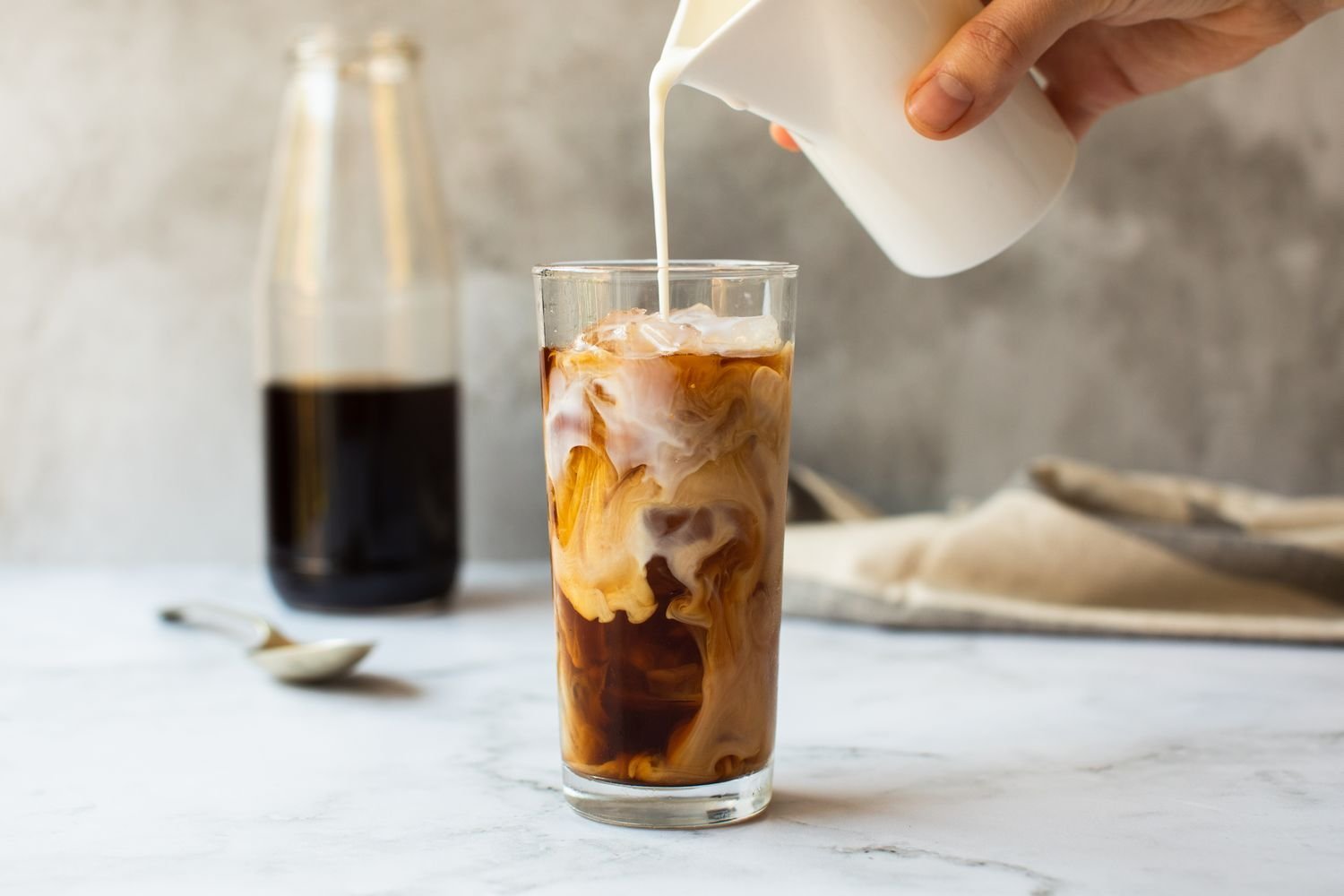
Yes, you can use any coffee for cold brew, but the flavor changes dramatically with roast and grind size. Light roasts taste sour without hot water; dark roasts turn bitter if steeped too long. Check your bean’s roast level before brewing to avoid wasting a full batch.
When each coffee works for cold brew
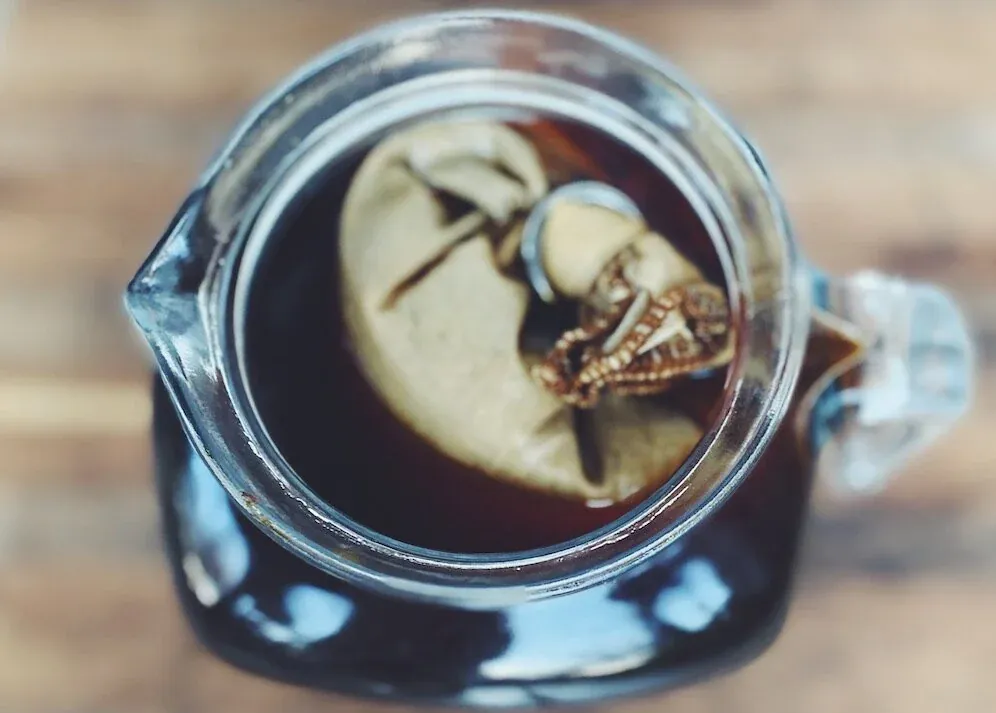
Your situation determines whether that bag in your pantry will work or fail.
| Your situation | Answer | Why |
|---|---|---|
| Medium or dark roast beans | Yes | Chocolate and nut notes extract well in cold water |
| Light roast beans | Usually not | Needs heat to release fruity acids properly |
| Pre-ground drip coffee | Yes, adjust time | Finer particles extract faster and risk bitterness |
| Espresso roast beans | Yes, shorter steep | Intense flavor becomes harsh past twelve hours |
| Flavored or spiced beans | Yes | Cold water mutes artificial additives pleasantly |
| Instant coffee granules | No | Already extracted; just dissolves without new flavor |
| Very old stale beans | Technically yes | Flat taste won’t improve regardless of method |
Roast level decides the result
Roast level controls which compounds dissolve in cold water. Dark roasts release soluble solids easily because heat broke down their cell structure during roasting. Light roasts retain dense cellular walls that resist cold extraction of sugars and heavier compounds, often resulting in a brew that’s acidic without balancing sweetness.
Grind size matters as much as roast. Coarse grounds slow extraction and prevent over-brewing; fine grounds speed it up and increase sediment. If your coffee tastes weak after 18 hours, the grind was too coarse or the roast too light; if it’s bitter at 12 hours, go coarser or switch to a lighter roast next time.
The National Coffee Association confirms that cold water extracts different compounds than hot water, making roast selection critical for balanced flavor rather than optional preference.
Brewing steps for any coffee
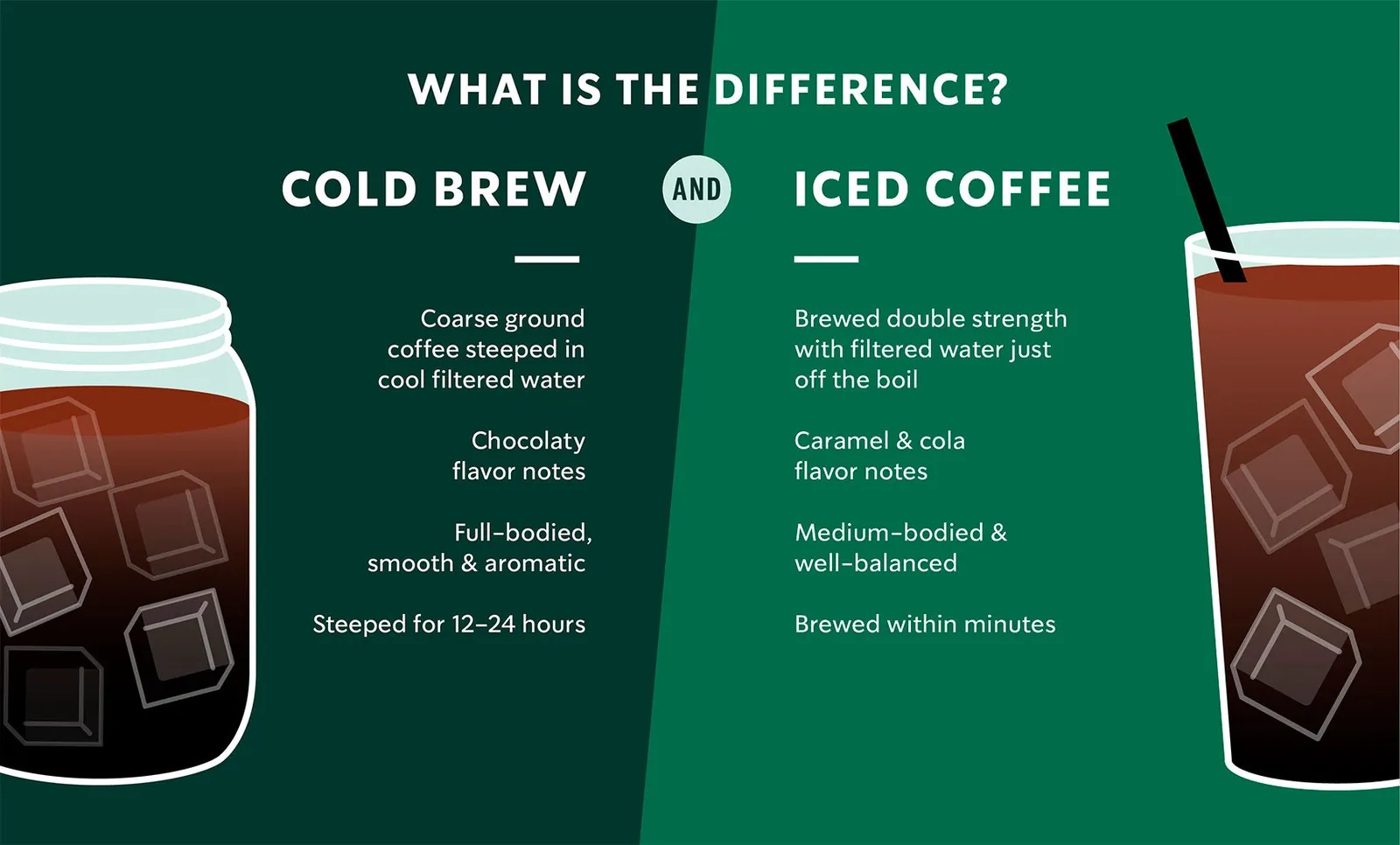
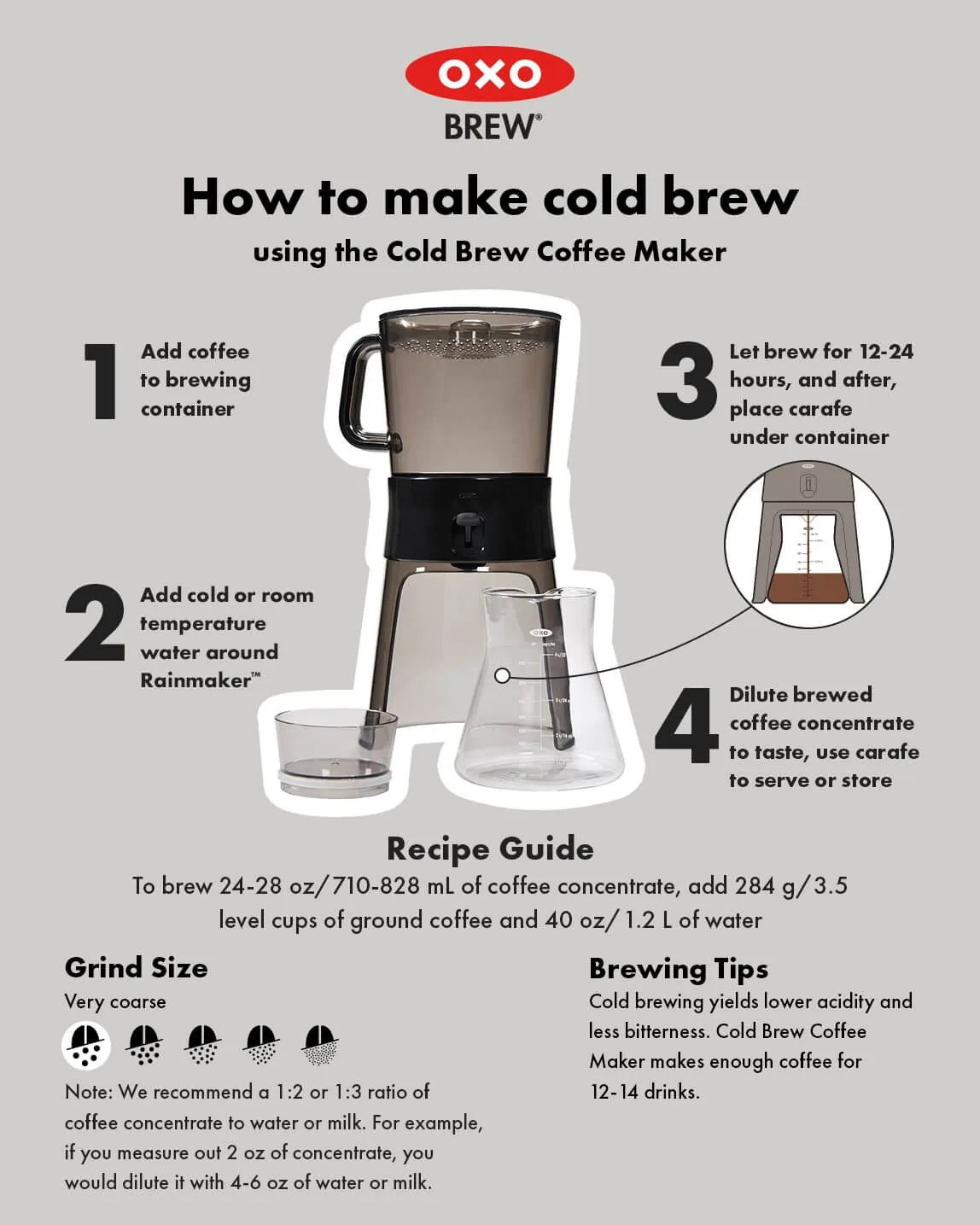
These steps assume a 1:8 coffee-to-water ratio by weight and room temperature steeping. Adjust timing based on your roast: darker roasts finish faster, lighter ones need the full window.
- Weigh coffee and water precisely. Use 100 grams of coarsely ground coffee per 800 grams of filtered water; this ratio produces a concentrate you dilute later.
- Combine and stir thoroughly. Mix grounds and water in a clean jar until all particles are wet; dry pockets create uneven extraction and weak spots.
- Steep covered at room temperature. Dark roasts need 12–16 hours; medium roasts need 16–20 hours. Taste at the lower end first.
- Strain through paper or cloth. Pour slowly through a filter to remove fines; metal mesh alone leaves sediment that turns bitter in storage.
- Dilute and taste before serving. Mix one part concentrate with one part water or milk; adjust ratio to your preference, not a fixed rule.
Skipping the taste test wastes batches
People set a timer and walk away, assuming 18 hours works for every bean. This costs an entire batch when the roast or grind doesn’t match that timeframe. Dark roasts over-extract by hour 14; light roasts stay sour at 18.
Taste at the minimum time for your roast level. If it’s balanced, strain immediately. If it’s weak, check again in two-hour intervals. Your palate is the only reliable gauge because bean density, grind consistency, and water chemistry vary between setups. No chart replaces sampling your own brew.
When cold brew problems need expert help
- Mold appears on surface or smells sour beyond normal fermentation; discard immediately and sanitize equipment, as this indicates bacterial contamination unsafe to consume.
- Consistent stomach upset after drinking despite proper brewing; consult a doctor, as acidity or caffeine sensitivity may require medical guidance rather than recipe adjustment.
- Equipment leaks or cracks during steeping; stop using damaged containers and replace with food-grade vessels rated for liquid storage.
- Water source causes off-flavors across multiple batches; contact your local water utility for testing, as mineral content or treatment chemicals affect extraction unpredictably.
Frequently asked questions
Can I use pre-ground coffee for cold brew?
Yes, but reduce steep time to 12–14 hours since finer particles extract faster. Expect more sediment and a slightly heavier body compared to coarse grounds. Strain through paper, not just mesh.
Why does my cold brew taste sour?
Sourness means under-extraction from light roasts or insufficient steep time. Switch to medium-dark roast or extend brewing by 4–6 hours. Cold water extracts acids from light roasts efficiently, but struggles to dissolve the sugars needed to balance that acidity.
How long does cold brew concentrate last?
Refrigerated concentrate stays fresh 7–10 days in a sealed container. Discard if it develops fizz, cloudiness, or off-odors. Freezing extends storage to two months but may alter texture upon thawing.
Is it safe to steep at room temperature?
Yes, for up to 24 hours in a clean, covered container. Beyond that, refrigerate to prevent microbial growth. The USDA recommends discarding perishable foods left above 40°F for over two hours, though coffee’s low pH offers some protection.
What happens if I steep too long?
Over-extraction brings out bitter tannins and woody flavors, especially in dark roasts. Strain immediately once balanced flavor appears. You can’t reverse bitterness, but diluting with extra water or milk masks mild cases.
Does water quality matter for cold brew?
Yes, significantly. Hard water dulls flavor; soft water makes it flat. Use filtered water with moderate mineral content. Check your tap water report or use bottled spring water as a baseline comparison.
Can I reuse cold brew grounds?
No, second steeps produce weak, bitter liquid with little caffeine or desirable flavor. Most soluble compounds extract in the first brew. Compost spent grounds instead of attempting a weaker second batch.
Next steps for your cold brew
Start with a medium-dark roast and the 1:8 ratio outlined above, tasting at 14 hours. Balanced cold brew should be smooth without sharp sourness or lingering bitterness. If mold appears or off-odors develop, discard the batch and sanitize your equipment before trying again.