
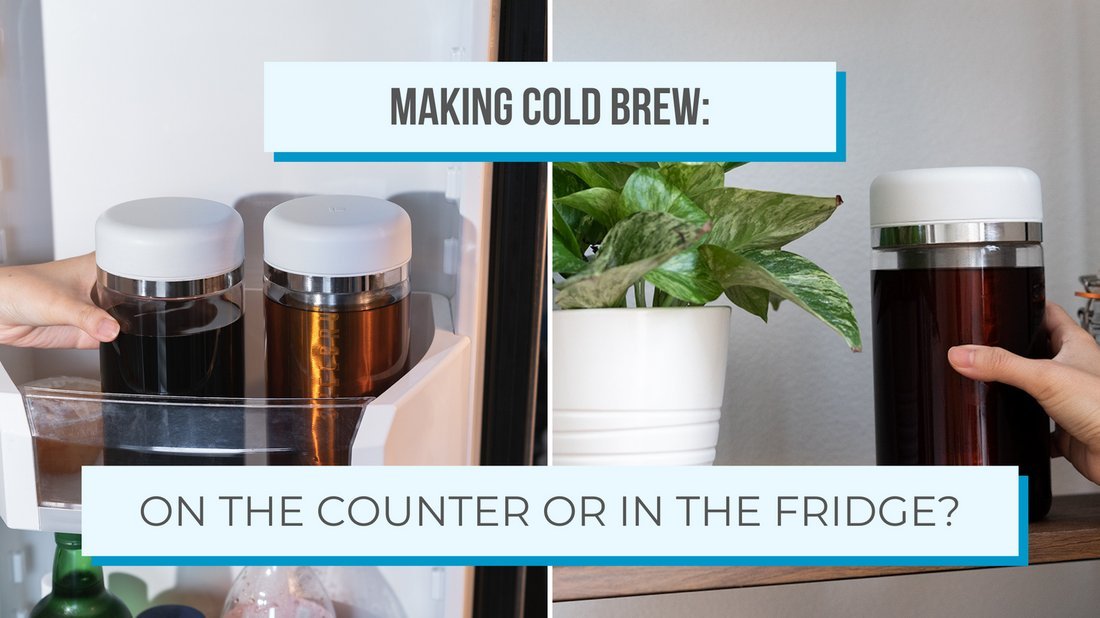
Yes, you can safely make cold brew on the counter if your kitchen stays below 75°F. Grab a clean jar, add coarse coffee and cold water, and wait 12 hours.
When counter cold brew works
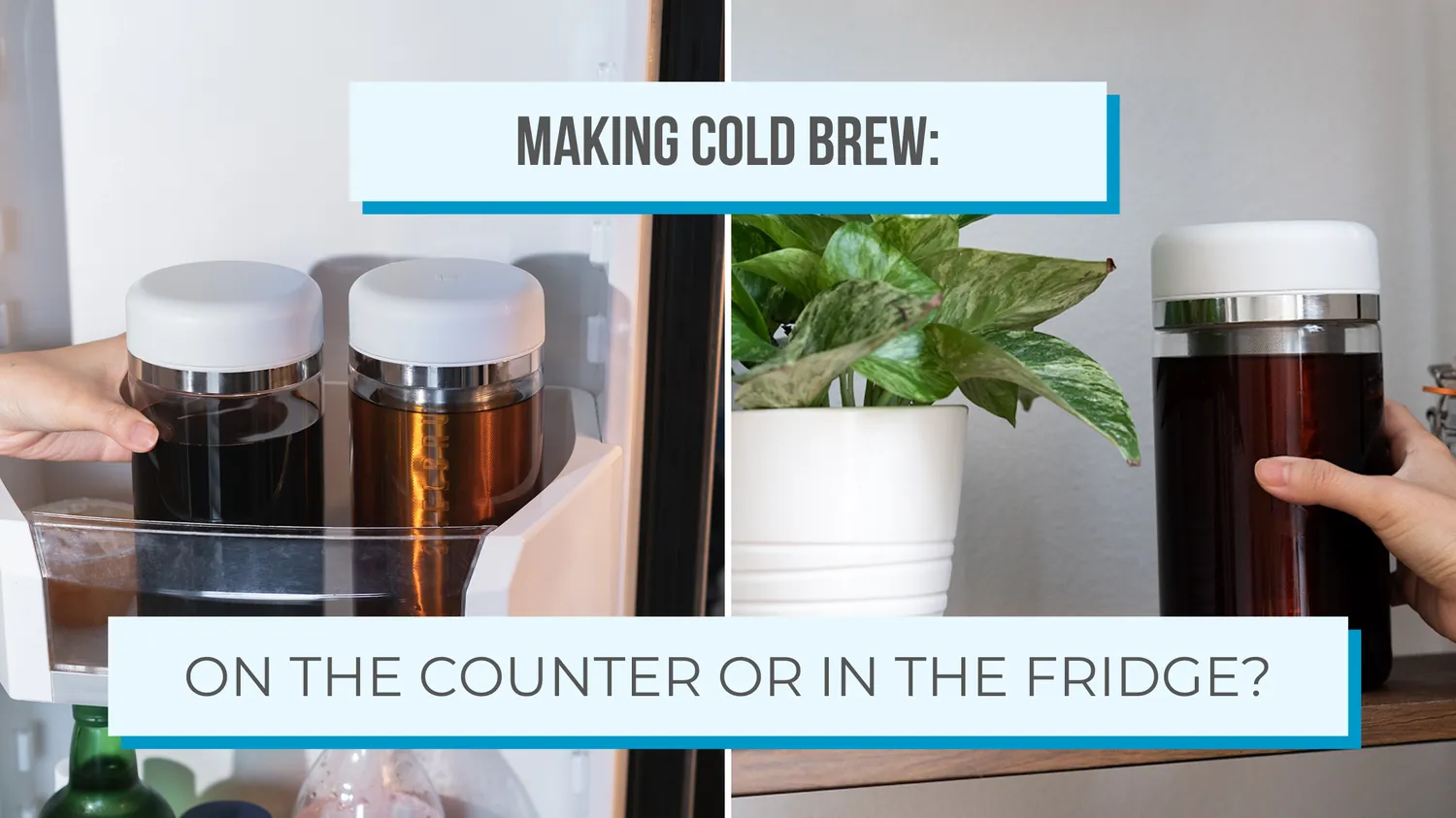
Your kitchen environment decides if leaving the jar out is safe or risky. Here’s how different room conditions change the result.
| Your situation | Answer | Why |
|---|---|---|
| Kitchen over 80°F | No | Heat speeds up spoilage |
| Brewing for 12 hours | Yes | Reaches standard extraction |
| Brewing past 20 hours | No | Tastes very bitter |
| Using a sealed jar | Yes | Keeps out dust |
| Using an open bowl | No | Exposes liquid to bugs |
Room heat controls the brewing
Heat speeds up chemical reactions inside your coffee jar. When water sits at room temperature, it pulls flavors from the beans much faster than in a cold fridge. This means the liquid reaches full strength in about 12 to 18 hours. If your kitchen is very warm, that process happens even quicker.
High heat also creates a perfect home for mold and bad bacteria. Still, extreme heat ruins the drink and risks your health. Room heat varies in every home, so check your own thermostat to find your exact brewing time. If your kitchen stays under 75°F, then brew on the counter for 14 hours; if it’s hotter, then put the jar in the fridge for 24 hours.
Steps to brew it safely
Making the drink right requires clean tools and exact timing. Follow these steps to get a smooth result without any sour notes.
- Wash your glass jar. Use hot soapy water and rinse it completely. The sign it worked is a jar with no soap smell left.
- Weigh the coffee beans. Use 1 cup of coarse grounds for every 4 cups of cold water. You’ll see a thick layer of grounds at the bottom.
- Pour the cold water. Add filtered water slowly to wet all the grounds evenly. The sign it worked is that no dry clumps float on top.
- Seal the lid tightly. Close the jar to keep out dust and kitchen odors.
- Wait 14 hours. Leave the jar in a dark corner away from direct sunlight. The liquid turns completely dark brown when it’s ready.
- Strain the mixture. Pour it through a fine mesh sieve or paper filter. The sign it worked is a smooth liquid with no gritty bits.
Brewing for too many hours
People often forget their jar and leave it out for a full day. This costs them the whole batch because the liquid turns incredibly bitter and harsh. The extra hours pull out unwanted tannins that ruin the smooth flavor you want. This method isn’t for people who easily forget timers. Set a loud alarm on your phone for exactly 14 hours after you mix the water and beans. When the alarm rings, strain it right away to save your drink.
Signs your cold brew spoiled
Sometimes the drink goes bad and isn’t safe to consume. Throw it away and start over if you see these signs:
- Fuzzy white spots on top, because mold means it’s ruined.
- A sharp sour smell, since bad bacteria have taken over.
- A cloudy, slimy texture, which shows heavy contamination.
Food poisoning is a real risk here. If you drink spoiled coffee and feel sick, see a doctor immediately.
Related guides
- How Do I Make Cold Brew at Home: A Simple Step-by-Step Guide
- How to Do Cold Brew Coffee at Home: A Simple Step-by-Step Guide
Frequently asked questions
Can I use hot water instead?
No, hot water over-extracts the grounds and makes the drink bitter. Cold water slowly extracts flavors with less bitterness than hot water. Always use cold or room temperature water for this method.
How long does it last in the fridge?
It stays fresh for 10 to 14 days in a sealed glass container. The cold air slows down any leftover extraction and slows bacterial growth. Toss it if it smells sour before then.
Is it safe to drink unstrained?
No, drinking the grounds will upset your stomach and taste gritty. You must filter out all the solid bits before drinking. Use a paper filter or a fine mesh sieve to clean it.
Does it have more caffeine than hot coffee?
Yes, it usually has slightly more caffeine because it steeps for so many hours. The long soak pulls out a heavy dose of caffeine from the beans. Dilute it with milk or water.
What happens if I use fine grounds?
You’ll get a muddy, over-extracted drink that’s hard to filter. Fine powder slips through most strainers and leaves sludge in your cup. Always buy or grind coarse beans for this recipe.
Why does my batch taste weak?
Your water-to-coffee ratio is likely off, or you didn’t wait long enough. Use one cup of beans for every four cups of water. Let it sit for at least 12 full hours.
Brew your first batch
Wash a large glass jar and mix your coarse beans with cold water today. You’ll get a smooth, strong concentrate that turns dark brown when it’s ready. Stop and throw it out if you see any fuzzy mold.