
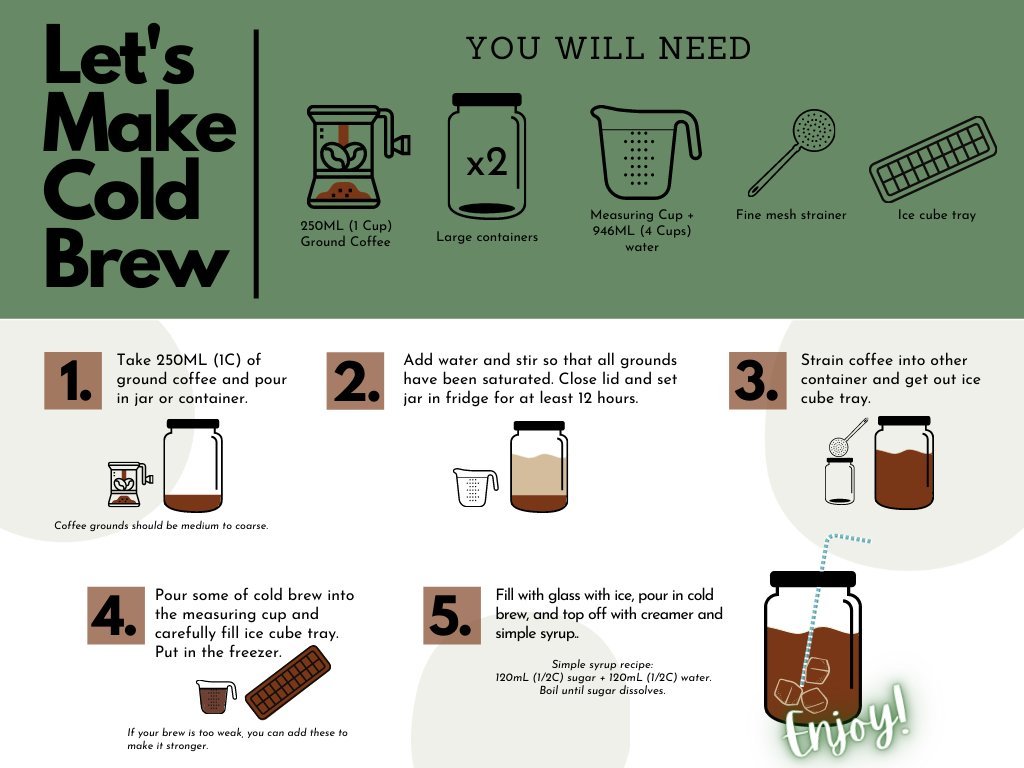
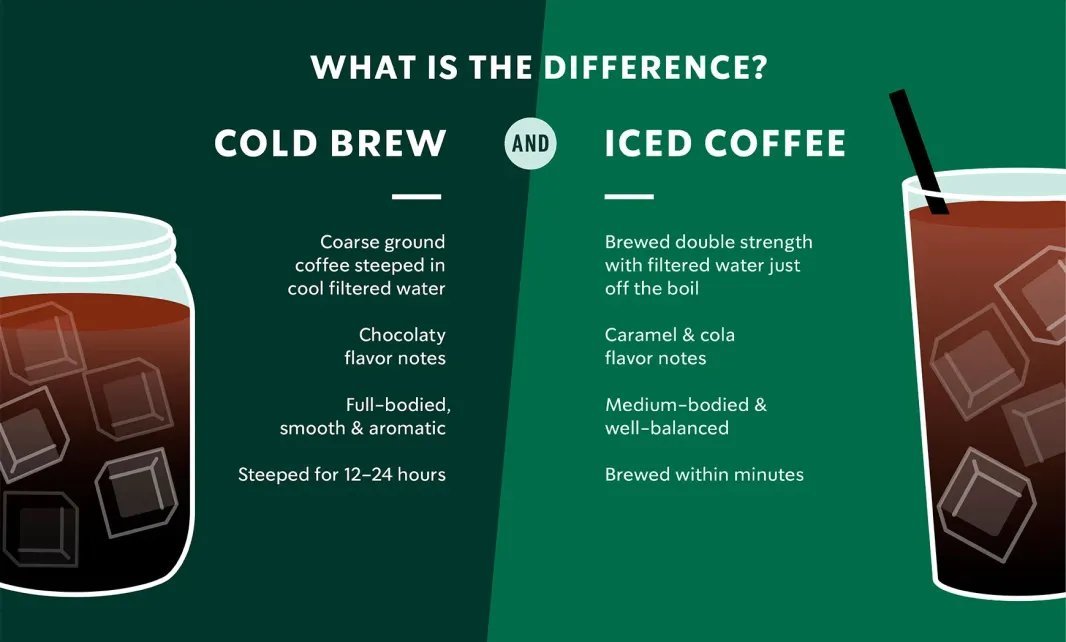
To make cold brew at home, you combine one part coarsely ground coffee with four parts room-temperature water, stir it, and let it steep for 12 to 24 hours before filtering. This method creates a smooth, low-acid concentrate that you can dilute with water, milk, or ice to suit your taste.
Choosing the right grind size is the most important part of this process. If your coffee is ground too finely, the result will be gritty and bitter because the fine particles pass through your filter. Many people make the mistake of using standard drip-coffee grounds, which are too thin for this long steep. Always check your coffee bag or ask your local roaster for a “French press” or “coarse” setting to ensure the best flavor profile.
Preparing Your Coffee Concentrate
- Measure 1 cup of coarsely ground coffee beans and pour them into a clean glass jar or pitcher.
- Add 4 cups of filtered, room-temperature water to the grounds and stir gently with a long spoon until all grounds are fully wet.
- Cover the container with a lid or a piece of cheesecloth and place it on your counter or in the refrigerator.
- Steep the mixture for 12 to 24 hours, depending on how strong you prefer the final flavor to be.
- Strain the mixture twice using a fine-mesh sieve lined with a paper filter or a clean nut-milk bag to remove all sediment. Tip: If you prefer a cleaner taste, use a paper filter for the final strain; it removes the natural oils that can sometimes leave a heavy mouthfeel.
- Store your finished concentrate in a sealed glass bottle in the refrigerator for up to one week. Tip: If you see any signs of mold or an off smell, discard the batch immediately to avoid foodborne illness.
Timing Your Brewing Process
The time required varies based on your storage temperature and the desired intensity of the coffee.
| Situation | How long | What changes it | What to watch for |
|---|---|---|---|
| Countertop steep | 12 hours | Ambient room heat | Over-extraction/bitterness |
| Fridge steep | 24 hours | Cold slows extraction | Weak flavor intensity |
| Dark roast beans | 12-16 hours | Higher oil content | Faster flavor release |
| Light roast beans | 18-24 hours | Denser bean structure | Slower extraction rate |
If your coffee tastes weak after the maximum time, check the freshness of your beans, as stale coffee loses its ability to release deep, complex flavors during a cold soak.
Signs of Perfect Cold Brew
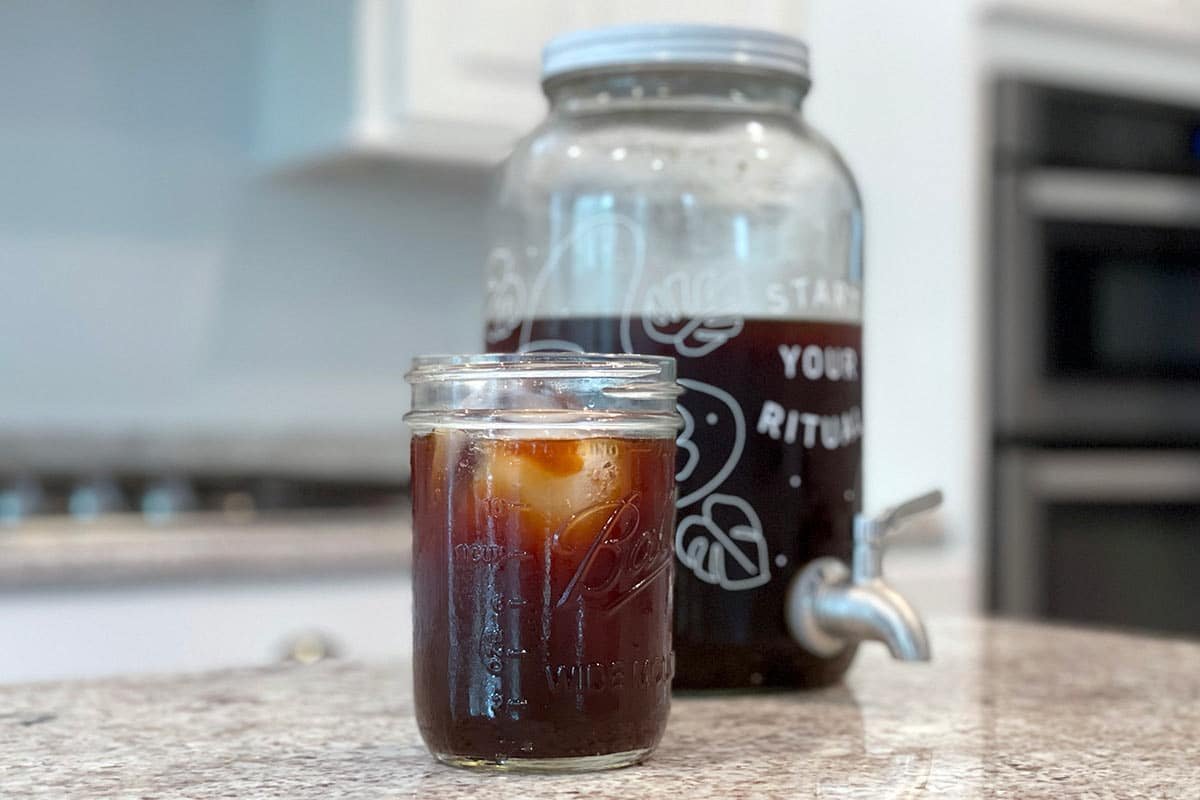
You’ll know the process is complete when the grounds have settled to the bottom of the vessel and the liquid looks dark and uniform. The aroma should be rich and chocolatey without any sharp, sour notes. If the liquid looks cloudy, run it through a fresh paper filter once more. The final test is the “dilution check”: mix one part concentrate with one part water. If the flavor is balanced and smooth, it’s ready. If it feels too thin, you likely used too much water or not enough coffee at the start.
Mistakes That Spoil the Flavor
- Using hot water: Adding hot water triggers the release of acidic compounds that cold brew is meant to avoid. Always use cold or room-temperature water to keep the profile smooth and sweet.
- Improper filtering: Leaving sediment in the concentrate causes the coffee to keep extracting, which creates a bitter, astringent taste over time. Use a double-filter method to ensure the liquid is completely clean before storage.
- Incorrect bean-to-water ratio: Using too little coffee results in a watery, unsatisfying drink that can’t be saved by adding more concentrate later. Stick to the 1:4 ratio as your baseline and adjust by small increments of half an ounce next time.
Frequently asked questions

How much caffeine is in cold brew?
Cold brew generally contains 150 to 200 milligrams of caffeine per 8-ounce serving of concentrate, though this depends on the specific bean variety and the length of the steep. Because it’s a concentrate, you must dilute it before drinking, which will lower the caffeine density per cup.
Is it safe to leave coffee on the counter?
Yes, it’s safe to leave your coffee on the counter for the 12 to 24-hour steep duration, provided your kitchen remains at a standard room temperature. Always move the finished, filtered concentrate to the refrigerator once the steeping time ends to prevent bacterial growth and maintain freshness.
Can I use a regular coffee maker?
No, you can’t use a standard drip coffee machine to make cold brew because it uses heat to extract flavor. You must use a passive, immersion-style method where the coffee and water sit together without heat for the full duration of the brewing cycle.
How do I make it less bitter?
If your coffee tastes bitter, reduce the steep time by 2 hours or use a coarser grind size. Bitterness is usually a sign of over-extraction, which happens when the water pulls too many tannins from the grounds; adjusting your timing is the most effective way to fix this.
Why is my coffee cloudy?
Your coffee is cloudy because fine coffee particles, known as “fines,” have passed through your filter. To fix this, strain the concentrate again through a fresh, unused paper filter; this will trap the tiny particles and leave you with a clear, smooth liquid.
Conclusion
You now have the knowledge to craft a professional-grade coffee concentrate in your own kitchen. By sticking to the 1:4 ratio and ensuring your grind size is coarse, you’ll get a consistent result every time you brew. Just remember to filter carefully and keep your finished batch chilled.