
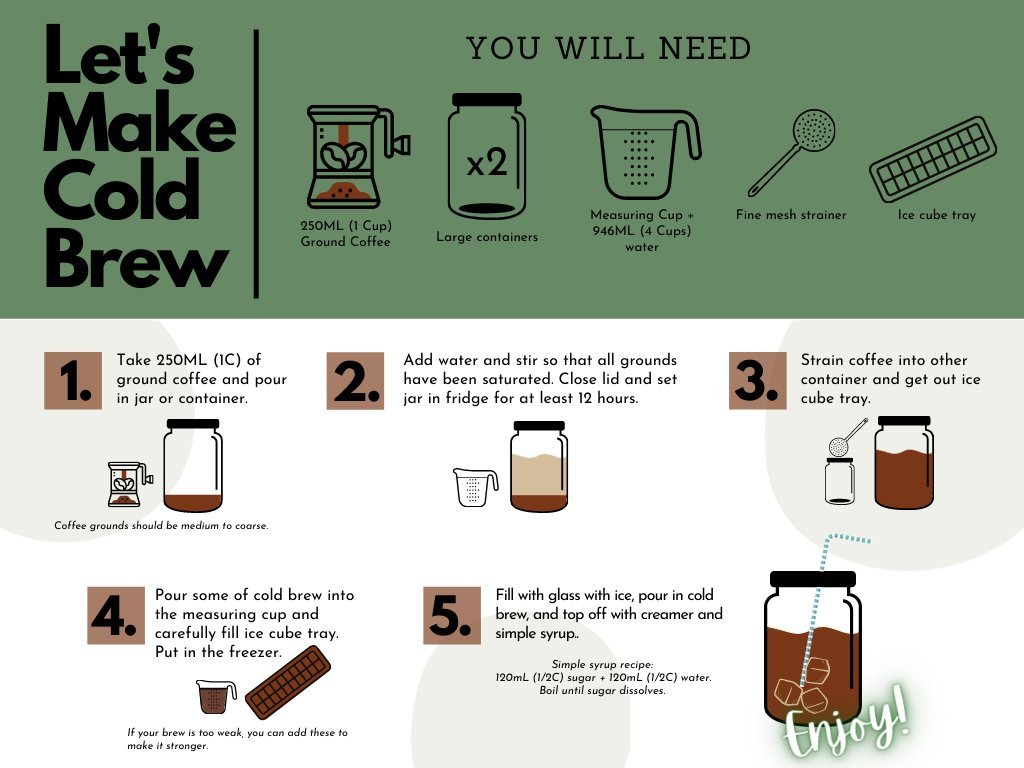
Yes, you can use any coffee to make cold brew, but the roast level and grind size will drastically change your final cup. Cold brew relies on time rather than heat to extract flavor, meaning every bean behaves differently when soaked in room-temperature or chilled water for twelve to twenty-four hours. While a dark roast yields a heavy, chocolatey concentrate, a light roast produces a bright, tea-like beverage. The real secret is adjusting your grind size and steeping duration to match the specific beans you choose.
Key Takeaways
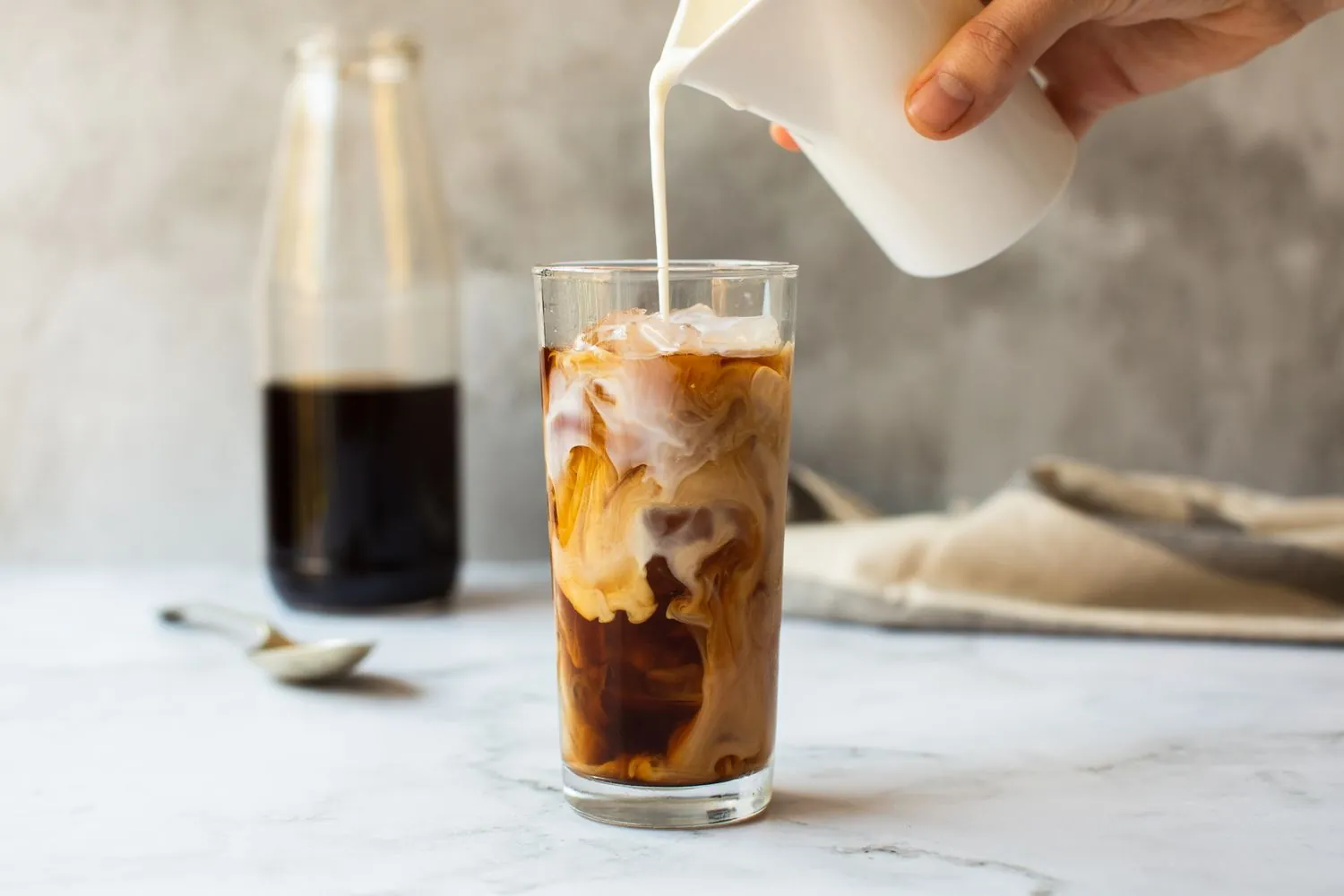
- Any coffee bean works for cold brew, but medium and dark roasts are most forgiving for beginners.
- Always use a coarse grind to prevent over-extraction and keep the final drink from tasting muddy.
- Steep your grounds for 12 to 24 hours, adjusting the time based on your chosen roast profile.
- Pre-ground grocery store coffee is usable, but freshly ground whole beans deliver significantly better flavor.
- Store your finished concentrate in the refrigerator for up to two weeks in an airtight container.
Can You Use Any Coffee?
The short answer is yes. Whether you have leftover espresso beans, a bag of breakfast blend, or single-origin Ethiopian pour-over coffee, they all work for cold brew. Because the extraction method uses cold or room-temperature water, the harsh acidic compounds that ruin hot-brewed light roasts remain largely unextracted.
This makes cold brewing incredibly versatile. However, using any coffee doesn’t mean every coffee tastes identical when cold brewed. Your choice dictates whether you need to dilute the result with milk, water, or ice.
How Coffee Roast Levels Affect Cold Brew Flavor
Different roasts extract at different rates, even in cold water. Darker roasts are more porous because they have been exposed to higher temperatures longer, allowing water to penetrate the cellular structure easily. Lighter roasts are denser and require slightly more patience.
| Roast Level | Primary Flavor Notes | Recommended Steep Time |
|---|---|---|
| Light Roast | Floral, citrus, berry, tea-like | 18 to 24 hours |
| Medium Roast | Caramel, nutty, balanced fruit | 14 to 18 hours |
| Dark Roast | Chocolate, smoky, bold, earthy | 12 to 16 hours |
If you buy popular brands like Peet’s Major Dickason’s Blend or Stumptown Hair Bender, you’re starting with medium-dark profiles that naturally suit this immersion method.
Why Grind Size Matters Most
No matter which coffee you select, grinding it correctly is non-negotiable. You must use a coarse grind, resembling sea salt or raw sugar. Fine grinds, like those used for espresso or standard drip machines, over-extract rapidly and create a sludgy, bitter mess that clogs filters. If you only have pre-ground coffee from the supermarket, expect a slightly cloudier cup. Freshly grinding whole beans just before steeping guarantees maximum aromatic retention and a cleaner filtration process later.
Does Freshness Change the Result?
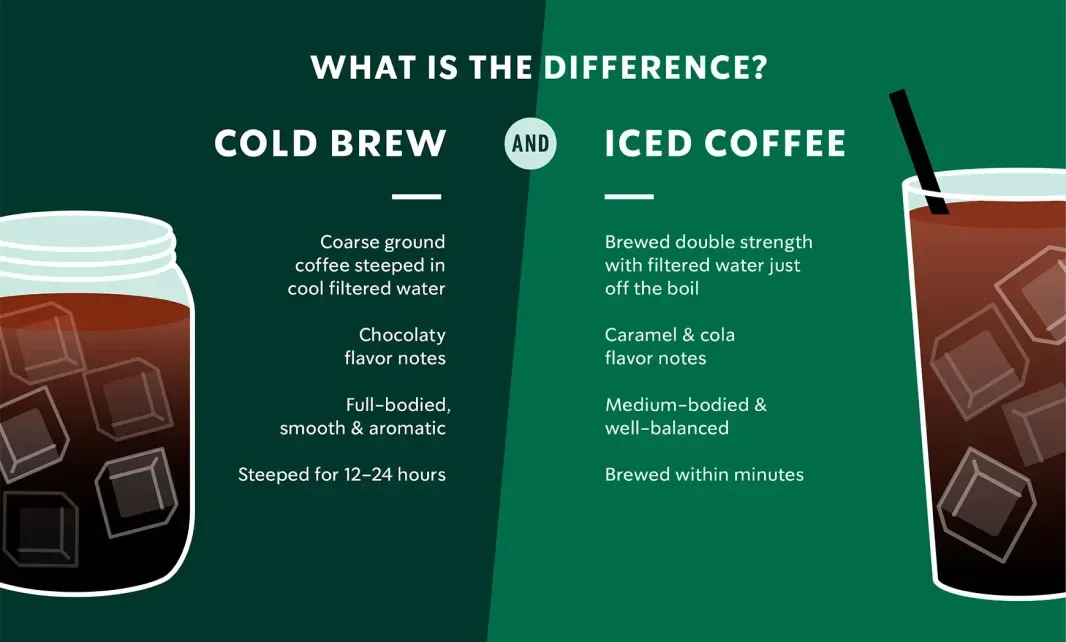
Freshness impacts cold brew less severely than hot brewing methods, but it still matters. Coffee releases carbon dioxide after roasting, a process called degassing. Stale beans have lost most volatile aromatics, resulting in a flat-tasting concentrate. Ideally, use beans roasted within the past month.
If you’re trying to use up an old bag sitting in your pantry for six months, cold brew is actually the best way to salvage it, as the long steep masks staleness better than a quick hot pour-over.
What Is the Best Ratio?
The coffee-to-water ratio determines whether you’re making a ready-to-drink beverage or a strong concentrate. Concentrates are highly practical because you can dilute them later with water, milk, or oat milk depending on your daily preference.
| Brew Style | Coffee to Water Ratio | Best Used For |
|---|---|---|
| Ready-to-Drink | 1:8 (by weight) | Drinking straight over ice |
| Standard Concentrate | 1:4 (by weight) | Mixing with equal parts water or milk |
| Strong Concentrate | 1:2 (by weight) | Coffee cocktails or heavy cream drinkers |
Always measure by weight using a kitchen scale for consistency. Volume measurements with scoops vary wildly depending on the bean density.
How Long Should You Steep?
Time and temperature work together. Room temperature extraction happens faster, usually finishing in 12 to 14 hours. Refrigerator extraction takes 18 to 24 hours but yields a smoother, sweeter profile. Never exceed 24 hours, as the woody, bitter plant fibers eventually break down and ruin the taste.
Which Brewing Vessels Work Best?
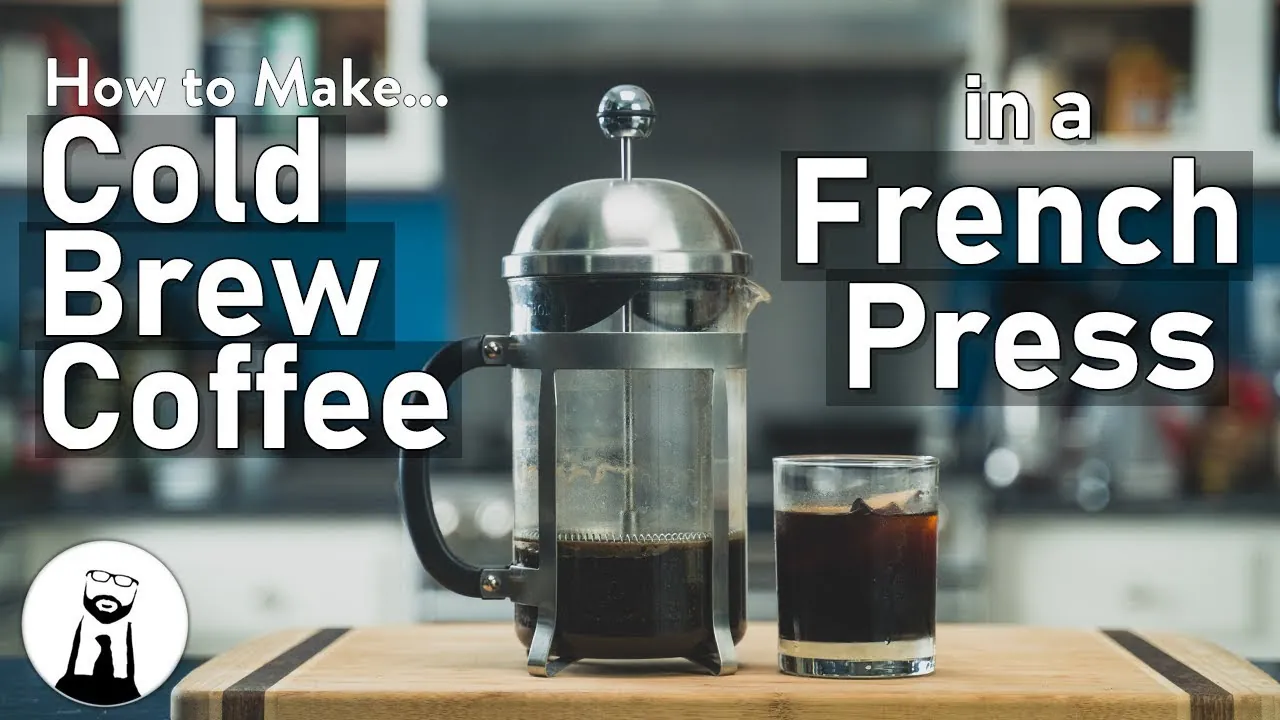
You don’t need expensive equipment to start. Glass jars, French presses, and dedicated cold brew pitchers all perform well. A 32-ounce Mason jar is perfect for small batches. If using a French press like the Bodum Chambord, simply add coarse grounds and water, wait, and plunge. Dedicated systems like the Toddy Cold Brew System include built-in felt filters designed specifically to handle the heavy sediment of prolonged immersion without tearing or clogging prematurely.
How to Filter Without Sediment
Filtration separates a great cold brew from a gritty one. Pour your steeped mixture through a fine-mesh sieve first to catch large grounds. Then, pass the liquid through a paper filter, cheesecloth, or a clean cotton nut milk bag. Paper filters produce the cleanest cup but drain slowly. Cheesecloth is faster but allows micro-fines through.
Pro Tip: Rinse your paper filter with plain water before pouring the coffee through it. This removes papery tastes and helps the liquid flow more smoothly from the very first drop.
Troubleshooting Bitter or Weak Brews
If your cold brew tastes unpleasant, the issue is almost always the grind or the clock. A bitter taste means over-extraction; your grind was too fine, or you left it steeping far too long. A weak, sour, or watery cup means under-extraction; you need a longer steep time or a slightly finer grind. Adjust only one variable at a time so you know exactly what fixed the problem.
Frequently Asked Questions
Can I use flavored coffee beans?
Yes, flavored beans like vanilla or hazelnut work perfectly for cold brew. The extended steeping time extracts those added flavoring oils thoroughly. Keep in mind that flavored coffees often use lower-quality base beans, so the underlying coffee taste might be less complex than unflavored specialty roasts.
Is instant coffee good for cold brew?
Instant coffee dissolves instantly in cold water, so technically you can mix it without steeping. However, this isn’t true cold brew. It lacks the smooth, low-acidity profile achieved through prolonged extraction of actual coffee grounds. It’s merely cold instant coffee.
Can I reuse coffee grounds twice?
Reusing grounds for a second batch produces a very weak, hollow-tasting liquid. Most soluble flavor compounds extract during the first 24-hour cycle. While you can attempt it, the resulting beverage rarely justifies the effort or the refrigerator space it occupies.
Does cold brew have more caffeine?
Because cold brew typically uses a much higher coffee-to-water ratio than hot drip coffee, the final concentrate contains significantly more caffeine per ounce. Once diluted with water or milk to a normal drinking strength, the caffeine content is roughly comparable to a standard hot cup.
Should I steep in the fridge?
Steeping in the refrigerator is recommended for food safety and flavor clarity. Cold environments slow down extraction, preventing bitterness. If you prefer room-temperature steeping for speed, limit the time to 12 to 14 hours and move the finished brew to the fridge immediately.
Conclusion
Grab a Mason jar, pick any whole bean coffee you currently have in your kitchen, and grind it coarsely. Combine it with filtered water at a one-to-eight ratio, place it in your refrigerator tonight, and strain it tomorrow morning to taste the difference yourself.