
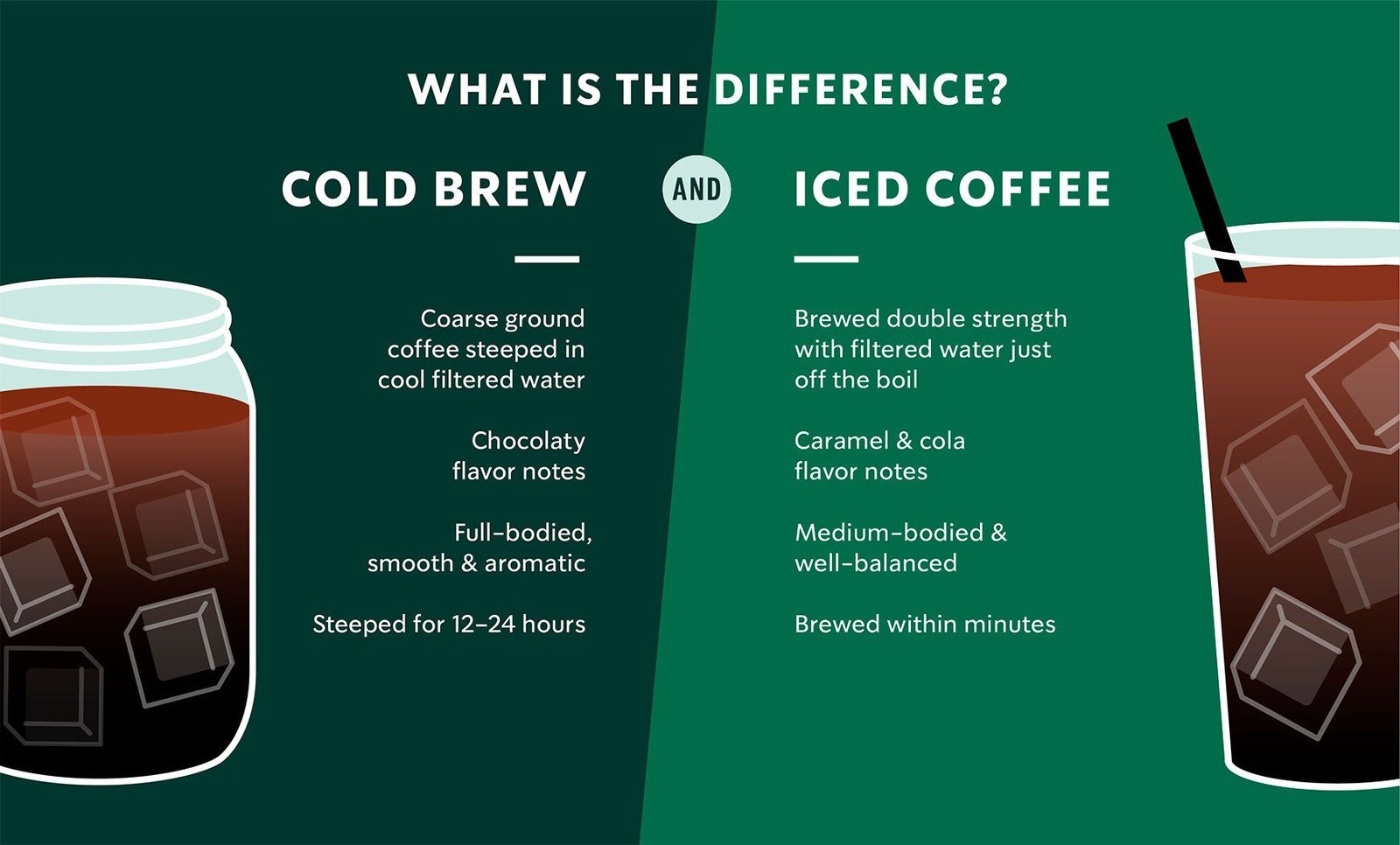
The fundamental difference between coffee and cold brew lies in the temperature of the water used during the extraction process, which dictates the chemical composition and flavor profile of the final cup. While standard coffee is brewed with hot water in minutes, cold brew is steeped in room-temperature or cold water for twelve to twenty-four hours. This variation in thermal energy fundamentally alters how oils and acids are pulled from the grounds, resulting in a distinct sensory experience.
Key Takeaways
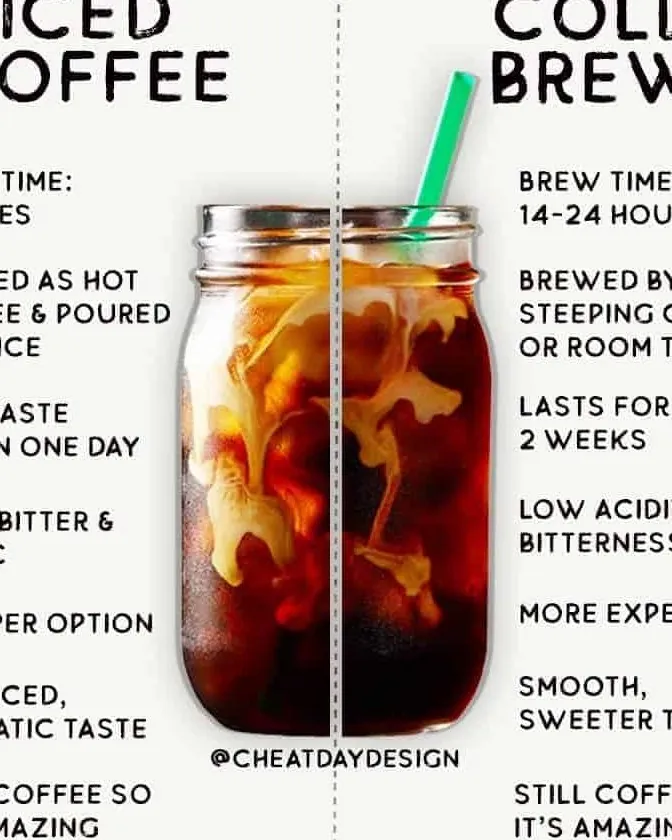
- Hot coffee emphasizes acidity and bright, floral notes due to rapid thermal extraction.
- Cold brew highlights sweetness and chocolatey undertones, as it lacks the high-heat oxidation of traditional methods.
- Cold brew is typically less acidic, making it a gentler choice for sensitive stomachs.
- You can create a cold brew concentrate to adjust the strength of your drink on demand.
- Always use a coarse grind for cold brew to prevent over-extraction and bitterness.
Understanding the Difference Between Coffee
Traditional coffee brewing relies on heat to speed up the dissolution of solids within the grounds. By using water between 195°F and 205°F, you extract a complex array of compounds, including volatile aromatics that provide the characteristic “coffee aroma.” Conversely, cold brew relies on time rather than heat. Because the extraction process is slow, it leaves behind many of the sharper, more acidic compounds that heat would otherwise pull into your mug.
| Feature | Hot Coffee | Cold Brew |
|---|---|---|
| Water Temp | 195°F – 205°F | 35°F – 70°F |
| Time Required | 2 – 5 minutes | 12 – 24 hours |
| Acidity Level | Higher | Lower |
| Flavor Profile | Bright, complex, aromatic | Sweet, smooth, heavy |
How Extraction Chemistry Works
When you pour hot water over coffee, you trigger a rapid chemical reaction. The high temperature breaks down cell structures in the coffee bean, releasing oils and acids almost instantly. These acids are responsible for the “brightness” or “zing” often associated with a morning cup.
In contrast, cold water lacks the energy to pull these specific acidic compounds from the grounds. According to research from the National Coffee Association, the interaction between water temperature and contact time determines the final flavor balance of the beverage.
Equipment Needed for Each Method
The gear required for these two methods differs significantly. For hot coffee, you generally need equipment that manages flow, pressure, or immersion within a short timeframe. Cold brew is far more forgiving, requiring only a vessel for the grounds to sit in.
- Drip coffee makers (e.g., Technivorm Moccamaster)
- Pour-over cones (e.g., Hario V60)
- French press (used for both methods)
- Mason jars or dedicated cold brew pitchers
Pro Tip: If you’re using a French press for cold brew, ensure you don’t push the plunger down until the full steeping time has elapsed, as this keeps the grounds from entering your final concentrate.
Does Cold Brew Have More Caffeine?
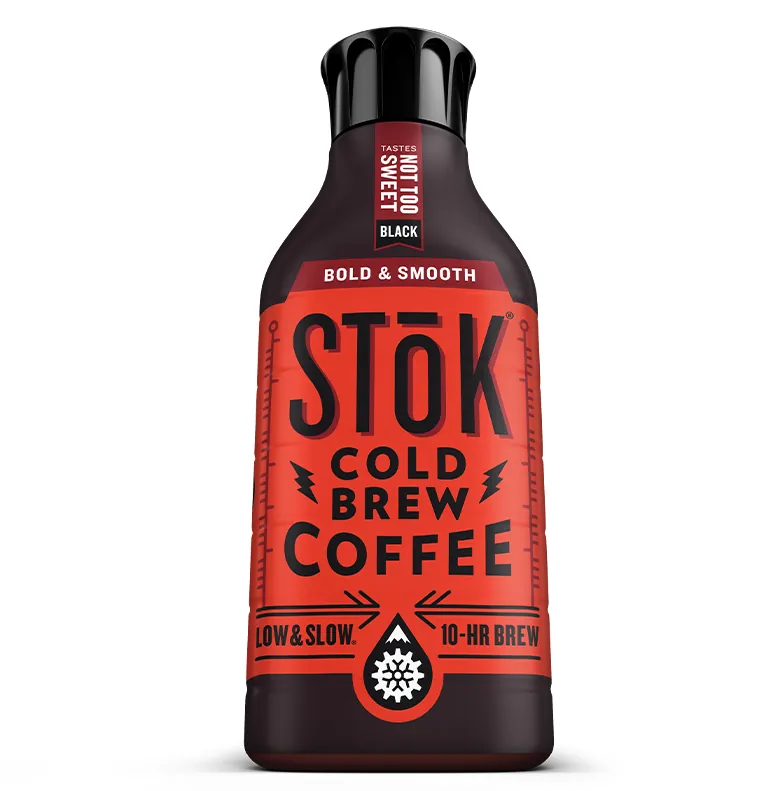
Many people assume cold brew is inherently stronger because it steeps for so long, but caffeine content is determined by the ratio of coffee to water. Because cold brew is usually prepared as a concentrated liquid, it may contain more caffeine per ounce than standard drip coffee. However, once you dilute that concentrate with water or milk, the caffeine levels often normalize to match a standard cup.
Comparing Flavor Profiles
The difference in temperature creates a divergence in taste. Hot coffee is generally perceived as more vibrant. It captures the “terroir” of the coffee bean, highlighting notes like berries, citrus, or jasmine. Cold brew, meanwhile, focuses on the deeper, darker spectrum of flavor. You’ll often find notes of dark chocolate, caramel, and molasses in a well-made cold brew.
| Characteristic | Hot Coffee | Cold Brew |
|---|---|---|
| Primary Notes | Fruit, Floral, Acidic | Chocolate, Nutty, Sweet |
| Mouthfeel | Clean, crisp, thin | Silky, heavy, rounded |
| Bitterness | Can be sharp | Generally mellow |
Why Is Cold Brew Less Acidic?
Warning: While cold brew is lower in titratable acids, it isn’t entirely acid-free; if you have severe gastroesophageal reflux, you should still consume it in moderation. The chemical reason for its lower acidity is that many of the plant-based acids found in coffee beans are only soluble at higher temperatures. By keeping the water cold, you effectively leave these harsh compounds inside the coffee grounds rather than transferring them into your drink.
Is Cold Brew Worth the Wait?
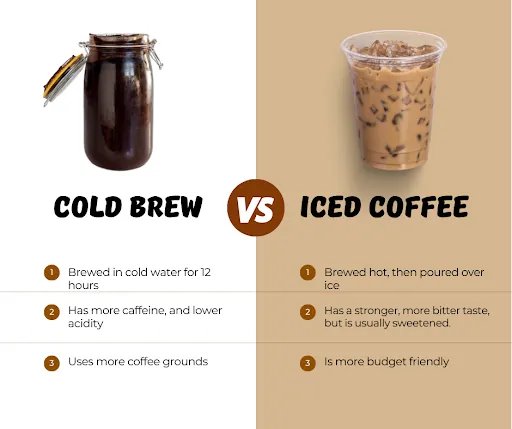
Deciding whether the extra time is worth it depends on your schedule and preference. If you enjoy a ritualistic, hot start to your day, traditional brewing is superior. If you prefer a drink that’s smooth, easy to store in the refrigerator for up to two weeks, and pairs perfectly with ice, cold brew is the superior choice.
Frequently Asked Questions
Can I make cold brew with hot coffee?
Technically, no. If you brew coffee hot and then cool it down, you’re making “iced coffee,” not cold brew. Iced coffee will retain the acidity and bitterness extracted by the hot water. Cold brew must be steeped cold from the beginning to achieve its unique, low-acid flavor profile and chemical structure.
How long does cold brew last?
Once you have filtered the grounds from your cold brew concentrate, it can be stored in an airtight container in your refrigerator for seven to fourteen days. The flavor will remain stable for about a week, though it may begin to lose some of its aromatic intensity as it approaches the two-week mark.
Should I use light or dark roasts?
Dark roasts generally perform better for cold brew because the roasting process has already developed the chocolatey, nutty flavors that the cold-steeping method naturally highlights. Light roasts, which are prized for their bright, acidic, and fruity characteristics, tend to taste muted or “flat” when prepared as a cold brew.
Can I use a standard coffee grind?
You should avoid using a fine, espresso-style grind for cold brew. A fine grind will result in a muddy, over-extracted, and bitter concentrate that’s difficult to filter. Always use a very coarse grind, similar to sea salt or breadcrumbs, to ensure the water flows through the grounds properly during the long steeping process.
Conclusion
To begin your journey into the world of cold extraction, purchase a bag of high-quality, coarse-ground dark roast beans this week. Combine them with filtered water in a large glass jar using a one-to-four ratio by weight. Let it sit on your counter for eighteen hours, strain it thoroughly, and experience how the lack of heat creates a remarkably smooth finish.