
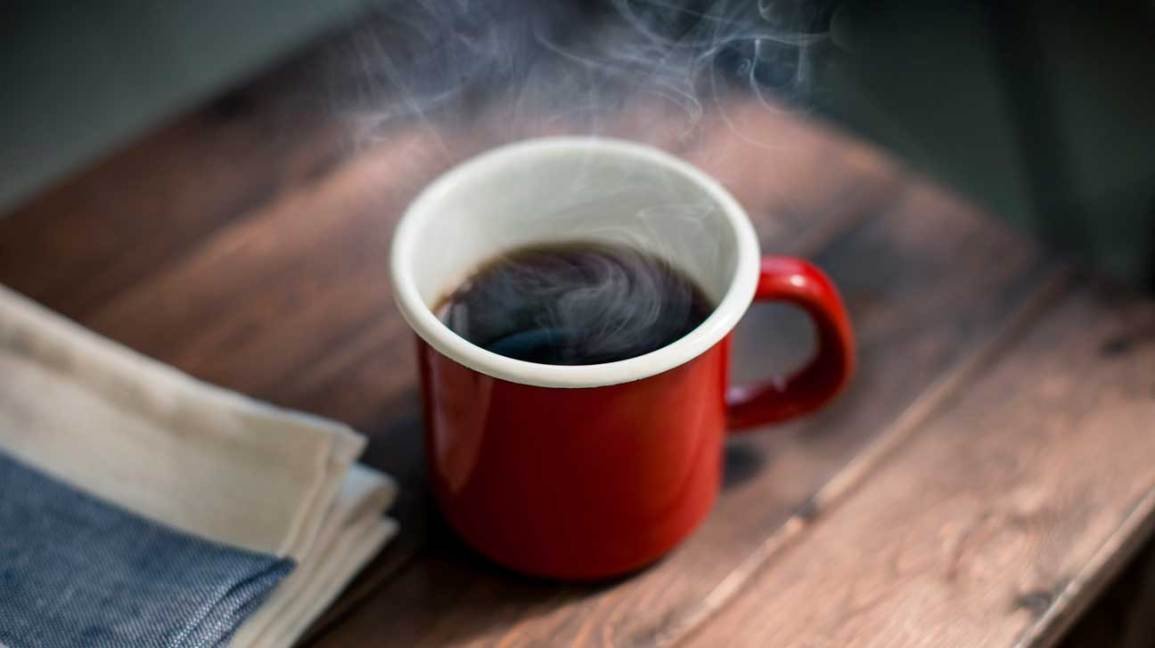
To get the best result, you should use two tablespoons of medium-grind coffee for every six ounces of water at 200°F. Making your coffee at home is a simple process that relies on fresh beans, clean water, and the right temperature.
Tools to make your coffee

To get started, you need to collect a few basic items that ensure your cup tastes balanced and clean.
- Burr grinder: This gives you a consistent grind size, which is vital for even flavor.
- Digital scale: Measuring by weight is more accurate than using scoops.
- Filtered water: Since coffee is mostly water, a clean taste is important.
- Manual brewer: A French press or a pour-over dripper works best for beginners.
- Kettle: A gooseneck kettle helps if you’re using a pour-over method.
If you don’t have a scale, you can use a standard measuring spoon, but note that consistency will vary. For professional guidance on water quality, check the Specialty Coffee Association water standards to see why mineral content matters.
Steps for Brewing Your Coffee
Follow these steps to prepare a consistent cup using a standard pour-over method.
- Heat 10 ounces of filtered water to 200°F. If you don’t have a thermometer, let the water sit for 60 seconds after it reaches a boil.
- Grind 18 grams of whole coffee beans to the texture of sea salt.
- Place a paper filter in your dripper and rinse it with hot water to remove any papery taste, then discard that rinse water.
- Add the ground coffee to the filter and shake it gently to level the surface.
- Pour 40 grams of water over the grounds to let them bloom for 30 seconds. This releases trapped carbon dioxide.
- Pour the remaining water in slow, circular motions until you reach the total weight of 300 grams.
- Allow the coffee to finish dripping through the filter, which should take about three minutes total.
Tip: If the coffee tastes sour, grind your beans finer. Careful: If it tastes bitter, your grind is likely too fine or your water was too hot.
Brewing Variables and Adjustments
Your brew time and grind size will change depending on the method you choose. Start with a small batch to test your preferences.
| Method | Grind Size | Brew Time | Water Temp |
|---|---|---|---|
| French Press | Coarse | 4 minutes | 200°F |
| Pour-over | Medium | 3 minutes | 200°F |
| AeroPress | Medium-fine | 2 minutes | 185°F |
It’s much safer to start with a standard ratio and adjust one variable at a time than to change everything at once.
How to Judge Your Results
A good cup of coffee should have a clear, pleasant aroma and a balanced flavor without any harshness. If your coffee tastes thin or watery, you likely used too little coffee or the water flowed through the grounds too quickly. If the coffee is silty or overly heavy, you may have used a grind that’s too fine for your specific filter. The most common mistake is using beans that are more than a month past their roast date, which prevents the coffee from blooming properly.
Standards and Equipment Care
Follow the general food safety guidelines provided by the FDA regarding kitchen hygiene to keep your equipment clean. Always empty your spent grounds immediately after brewing to prevent mold growth in your brewer. Rinse your gear with hot water and mild soap, ensuring no old oils remain on the surfaces. If you have a professional-grade machine, check the manufacturer’s manual for specific descaling intervals, as limescale buildup can change the water temperature and ruin the taste of your morning cup.
Alternative Brewing Methods
Cold Brew
This method uses room-temperature water over 12 to 24 hours. It results in a very smooth, low-acid concentrate that you can store in the fridge for up to two weeks.
Espresso
This requires a machine that forces water through finely ground coffee at high pressure. It’s a faster, more intense method that demands specific equipment and a steeper learning curve for the user.
Moka Pot
This stovetop method uses steam pressure to push water through the grounds. It produces a very strong, thick coffee that’s similar to espresso but requires careful heat control to avoid a burnt taste.
Frequently asked questions
How much coffee should I use per cup?
Use two tablespoons of ground coffee for every six ounces of water. This ratio provides a standard strength, but you can increase it to three tablespoons if you prefer a bolder, more intense flavor profile.
Is it safe to drink coffee every day?
Yes, most healthy adults can safely consume up to 400 milligrams of caffeine per day, which is about four cups of brewed coffee. Check your specific tolerance, as individual reactions to caffeine vary based on your health.
How long does ground coffee stay fresh?
Ground coffee loses its best flavor within 30 minutes of grinding, so it’s best to grind just before you brew. If you must store it, keep it in an airtight container away from light and heat.
Why is my coffee bitter?
Bitter coffee is usually the result of over-extraction, which happens when the water is too hot or the grind is too fine. Try using a slightly coarser grind or cooler water to improve the balance.
Can I reuse coffee grounds?
No, you shouldn’t reuse coffee grounds because the flavor compounds are already extracted. Any second brew will be thin, watery, and likely taste like old, bitter plant material rather than fresh coffee.
How do I know if my water is hot enough?
Use a digital thermometer to reach 200°F, which is the ideal range for extraction. If you don’t have one, boiling water and letting it sit for one minute usually brings it to the correct temperature.
Conclusion
Enjoying your coffee is about finding the balance that suits your personal taste. By controlling the grind size, water temperature, and ratio of coffee to water, you can consistently make a cup that tastes exactly the way you like it every single morning.