
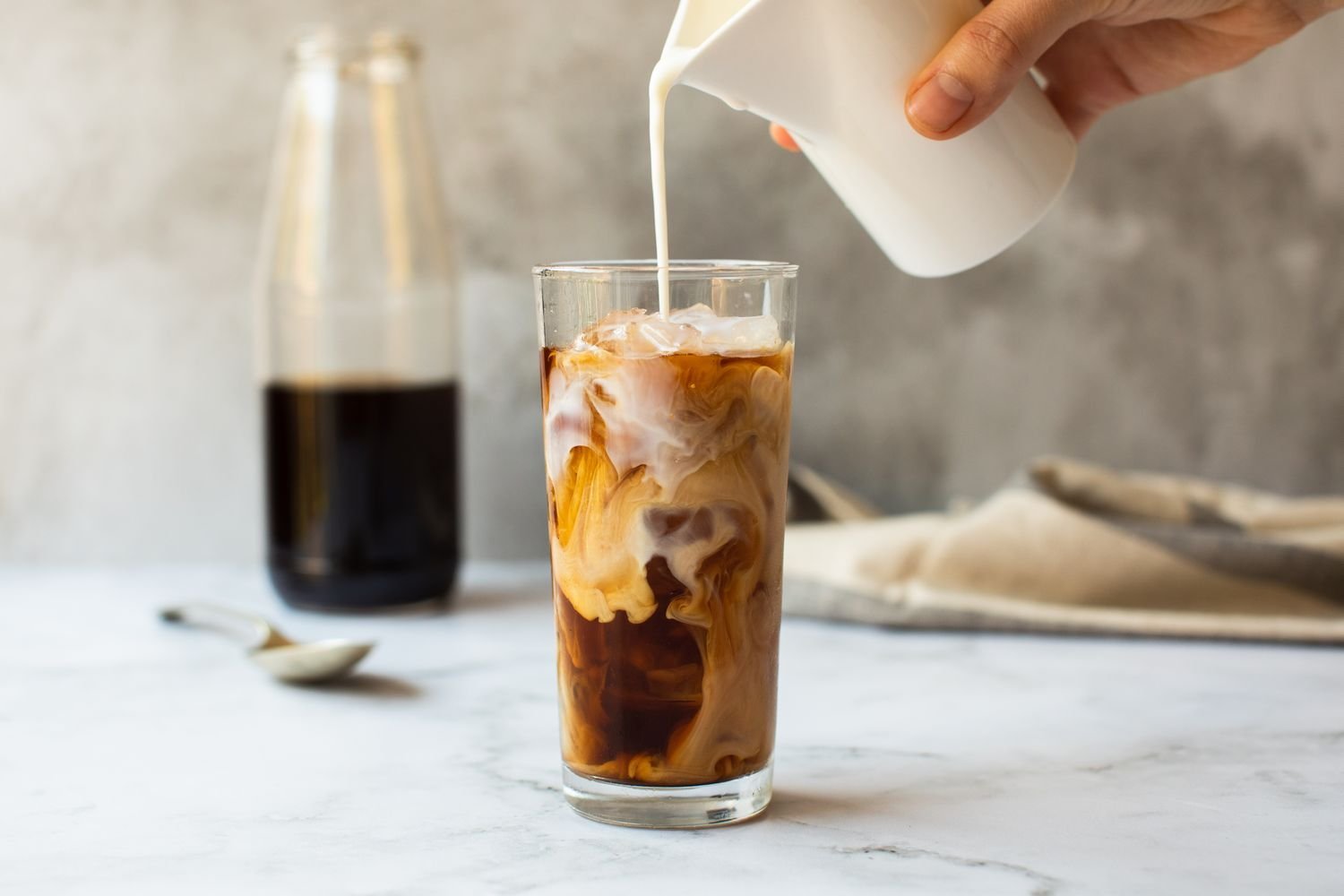
Yes, you can use any type of coffee for cold brew, but the roast level, origin, and grind size will dramatically change your final cup. Cold water extracts flavor compounds differently than hot water, meaning a bean that tastes incredible as a pour-over might taste flat or overly bitter when steeped overnight. Choosing the right beans ensures a smooth, balanced result every single time.
Key Takeaways
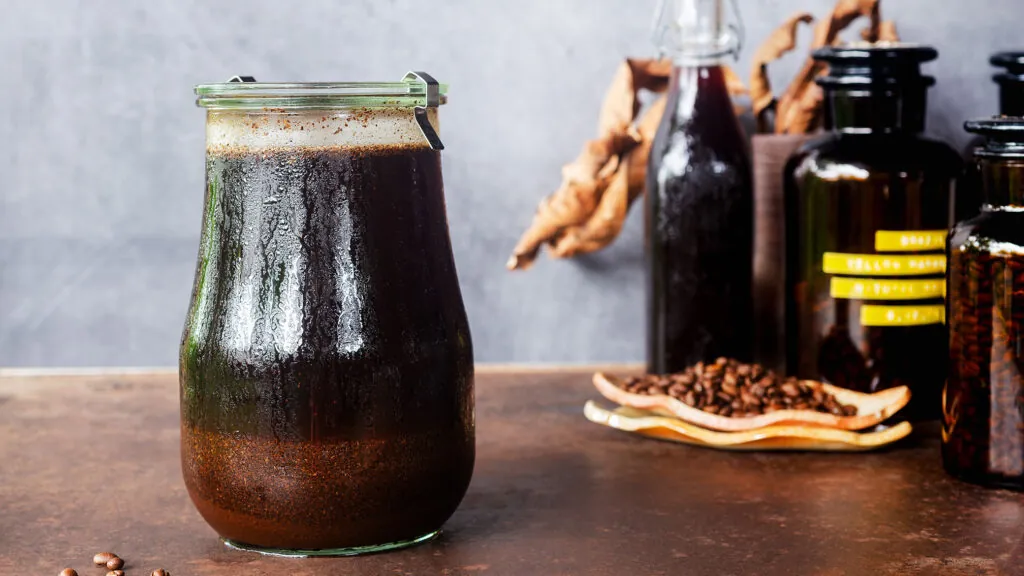
- Any coffee bean works for cold brew, but medium to dark roasts generally produce smoother results.
- Always use a coarse grind to prevent over-extraction and avoid a muddy, bitter texture.
- Light roasts require longer steeping times to fully release their delicate floral and fruity notes.
- Single-origin beans highlight unique flavors, while blends offer consistent, chocolatey profiles.
- Freshly roasted beans yield better flavor, though slightly older beans work fine for this method.
- Filtered water makes a noticeable difference in the clarity and sweetness of the final drink.
Can You Use Any Coffee Type?
The short answer is yes. You can use Arabica, Robusta, or blends of both. However, the extraction process relies on time rather than heat, which favors certain bean characteristics. According to the National Coffee Association, water temperature significantly alters how flavor compounds dissolve from coffee grounds. Because cold brew uses room temperature or chilled water, it pulls fewer acidic compounds, naturally resulting in a mellower beverage regardless of the bean used.
Arabica vs. Robusta Beans
Arabica beans are sweeter and more complex, making them the preferred choice for most home brewers. Robusta beans contain more caffeine and carry a harsher, earthier profile. If you want a strong caffeine kick, blending a small amount of Robusta into an Arabica base works well.
How Does Roast Level Matter?
Roast level dictates the dominant flavors in your finished pitcher. Darker roasts break down cellular structures more during roasting, allowing cold water to extract chocolate and caramel notes easily. Lighter roasts retain dense cellular walls, requiring patience to unlock their acidity.
| Roast Level | Flavor Profile | Recommended Steep Time | Grind Size |
|---|---|---|---|
| Light Roast | Floral, citrus, tea-like | 18 to 24 hours | Extra coarse |
| Medium Roast | Nutty, balanced, sweet | 14 to 18 hours | Coarse |
| Dark Roast | Chocolate, smoky, bold | 12 to 16 hours | Coarse |
Choosing the right roast profile depends entirely on whether you plan to drink the cold brew black or mix it with milk.
What About Pre-Ground Coffee?
You can absolutely use pre-ground coffee from the grocery store, but it comes with trade-offs. Most pre-ground coffee is milled for drip machines, which means it’s too fine for optimal cold brew. A fine grind increases surface area, leading to over-extraction and a bitter, silty concentrate.
If pre-ground is your only option, look for bags specifically labeled for French press, as they feature a coarser setting. Brands like Peet’s Coffee or Starbucks sell French press grinds that perform adequately in a pinch.
Pro Tip: If using standard pre-ground coffee, reduce your steeping time by two to four hours to prevent the batch from turning unpleasantly bitter.
Should You Pick Single Origin?
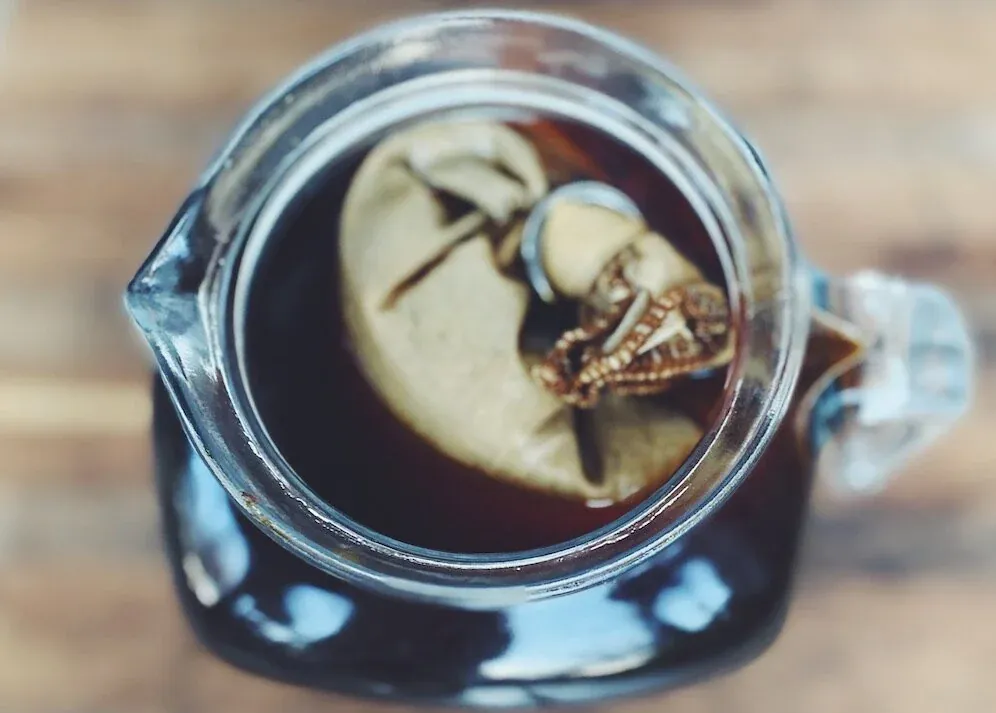
Single-origin coffees come from one specific region, farm, or cooperative. They’re excellent for cold brew if you enjoy distinct tasting notes like Ethiopian blueberry or Colombian caramel. However, they can sometimes taste unbalanced when extracted without heat.
A coffee blend combines beans from multiple regions to create a uniform flavor profile. Blends designed for espresso often translate beautifully into cold brew because they prioritize body, sweetness, and low acidity.
| Bean Type | Best For | Typical Tasting Notes |
|---|---|---|
| Single Origin | Drinking black, flavor exploration | Fruity, floral, bright, acidic |
| Espresso Blend | Mixing with milk, daily drinking | Chocolate, nutty, heavy body |
| Breakfast Blend | Mild, approachable morning cups | Smooth, light caramel, subtle |
Why Grind Size Is Crucial
Grind size controls the rate of extraction. Because the coffee sits in water for up to twenty-four hours, the particles must be large enough to release flavor slowly. A coarse grind resembles sea salt or raw sugar. This texture allows water to flow freely around the grounds, extracting pleasant sugars while leaving behind harsh tannins.
Using a burr grinder, such as the Baratza Encore or OXO Brew Conical Burr Grinder, ensures uniform particle size. Blade grinders chop beans unevenly, creating dust that slips through filters and ruins the texture of your drink.
Does Water Quality Affect Flavor?
Coffee is roughly ninety-eight percent water. If your tap water tastes like chlorine or heavy minerals, your cold brew will too. Using filtered water removes impurities that mask the natural sweetness of the beans.
Avoid distilled water entirely. Distilled water lacks the magnesium and calcium ions necessary to bind with flavor compounds during extraction, resulting in a hollow, flat-tasting brew. Standard filtered tap water or spring water provides the ideal mineral balance.
How Long Should You Steep It?
Steeping time varies based on your chosen bean and where you store the vessel. Room temperature extraction happens faster than refrigerator extraction.
| Steeping Location | Target Duration | Resulting Strength |
|---|---|---|
| Countertop | 12 to 16 hours | Strong, rapid extraction |
| Refrigerator | 18 to 24 hours | Smoother, slower extraction |
Leaving the grounds in the water past twenty-four hours rarely improves the flavor. Instead, it introduces woody, astringent notes. Set a timer to ensure you strain the brewing concentrate at the right moment.
Warning: Never leave a countertop batch brewing for more than eighteen hours, especially in warm summer kitchens, as prolonged exposure to room temperature can encourage unwanted bacterial growth.
Troubleshooting Your Cold Brew
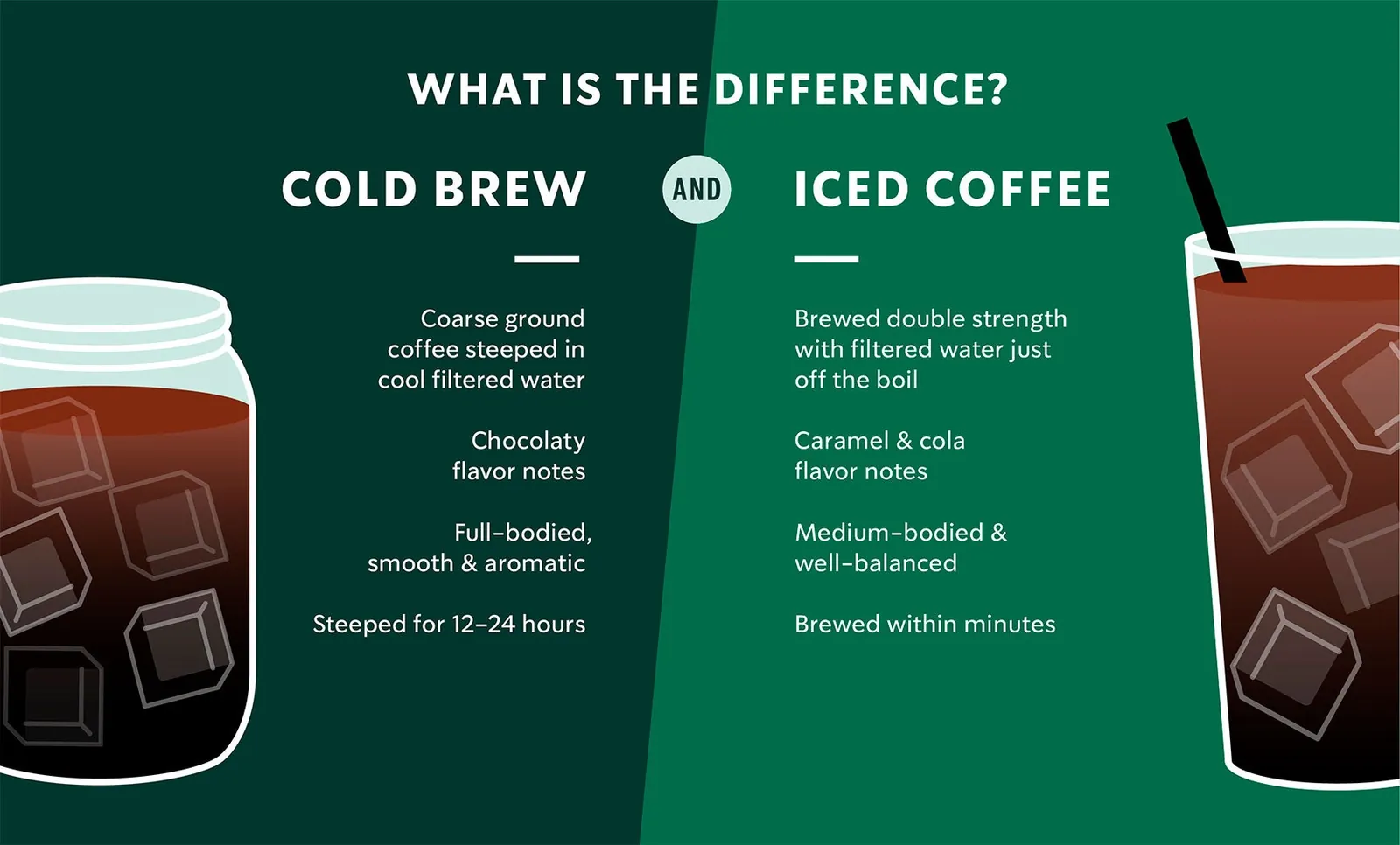
Even with the right beans, mistakes happen. Identifying the flaw helps you adjust the variables for your next batch.
- Bitter or harsh: The grind was too fine, or it steeped too long. Switch to a coarser setting.
- Sour or weak: The beans were under-extracted. Increase the steeping time by four hours or use a lighter roast.
- Muddy texture: The filter allowed fines through. Use a paper filter inside your mesh strainer for crystal-clear liquid.
- Stale flavor: The beans were roasted months ago. Buy freshly roasted beans from local shops like Stumptown or Intelligentsia.
Adjusting these brewing variables guarantees a consistently delicious cup.
Frequently Asked Questions
Can I use flavored coffee beans?
Yes, flavored beans like vanilla or hazelnut work well in cold brew. The slow extraction process gently pulls the added flavorings without making them taste artificial or overly sharp. Avoid beans coated in oily syrups, as they can clog filters.
Do cheap grocery store beans work?
Absolutely. Budget brands like Folgers or Maxwell House will produce a drinkable cold brew. While they lack the complexity of specialty beans, the cold brewing method naturally smooths out their harsher qualities, making them surprisingly pleasant.
Is decaf coffee good for cold brew?
Decaf beans make excellent cold brew. Since the process already reduces acidity, decaf cold brew is incredibly gentle on the stomach. Look for Swiss Water Process decaf beans to ensure no chemical solvents interfere with the flavor.
Can I reuse coffee grounds twice?
Reusing grounds produces a very weak, watery second batch. Most desirable oils and soluble compounds extract during the first twelve hours. Compost the spent grounds instead of trying to force a second brew from them.
Should I dilute the final concentrate?
Most recipes yield a strong concentrate. Dilute it with equal parts water or milk before drinking. Adjust the ratio to match your personal preference for strength and body.
Conclusion
Now that you know any coffee works, pick up a bag of medium-roast whole beans and a French press. Grind them coarsely, combine them with filtered water, and let the mixture sit in your refrigerator overnight to experience the difference immediately.