
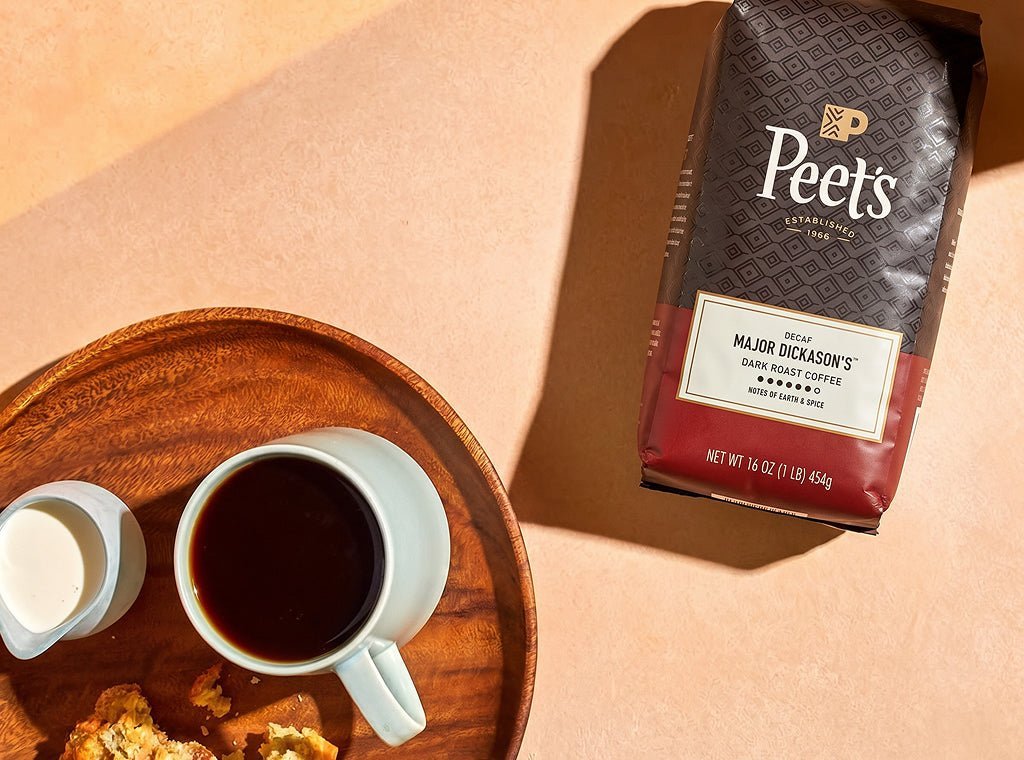
Water processed coffee is a decaffeination method that uses only pure water, temperature, and time to remove caffeine from green coffee beans without the use of chemical solvents like methylene chloride. This natural process preserves the original flavor profile of the bean, making it a popular choice for high-quality roasts.
The key to this process is the “Green Coffee Extract” (GCE). When the beans soak in water, the caffeine and flavorful compounds move into the liquid. By passing this water through a charcoal filter, the caffeine is trapped while the flavor oils stay in the liquid. This liquid is then reused to soak a fresh batch of beans. Because the water is already saturated with coffee solids, only the caffeine molecules move out of the new beans, leaving the flavor behind. The most common mistake people make is thinking this process is “organic” by default; while the method is chemical-free, the coffee is only organic if the farm carries that specific certification.
How water processed coffee is made
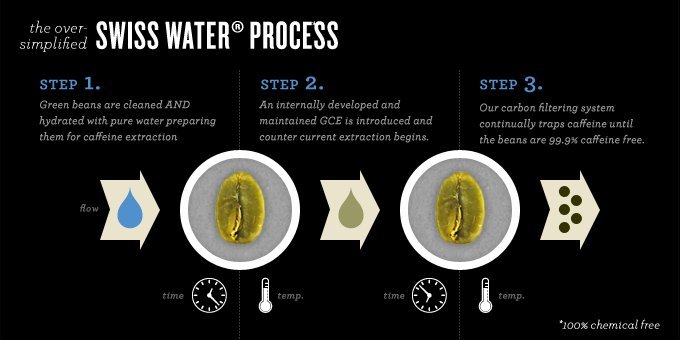
- Steam the raw green coffee beans to open their pores and prepare them for the extraction process.
- Soak the beans in hot water to dissolve the caffeine and the soluble flavor compounds into the liquid.
- Pass the caffeine-rich liquid through a carbon filtration system that captures the caffeine molecules while letting flavor compounds pass through.
- Separate the caffeine-free, flavor-saturated liquid to use as a solvent for the next batch of beans.
- Add a new batch of green beans to the flavor-saturated liquid, where only the caffeine is pulled out due to the concentration gradient.
- Dry the now-decaffeinated beans to their original moisture content before shipping them to roasters.
Tip: If you’re sensitive to trace chemicals, always look for labels stating “Swiss Water Processed,” as this is a specific, audited brand of water-based decaffeination.
Timing for Bean Processing
The duration of the water process depends on the density of the bean and the batch size. While the initial saturation takes hours, the subsequent cycles are faster.
| Situation | How long | What changes it | What to watch for |
|---|---|---|---|
| Initial GCE creation | 8–12 hours | Bean density | Water temperature |
| Standard batch cycle | 6–10 hours | Batch volume | Saturation levels |
| Final drying phase | 2–4 hours | Humidity levels | Target moisture |
If the process takes significantly longer than these ranges, it usually indicates that the water temperature has dropped, slowing down the molecular movement.
Identifying Finished Beans
Photo: www.charlestoncoffeeroasters.com on Google
You can tell if coffee has been correctly processed by looking at the color and the roast consistency. Water-processed beans often appear slightly darker or more matte than chemically decaffeinated beans because the water treatment affects the bean’s surface structure. When you brew them, the aroma should be clean and lack any chemical or metallic notes. If you find the beans look uneven or smell “off,” the issue likely stems from poor drying rather than the decaffeination itself. Always verify the process through the National Coffee Association guidelines, which confirm that decaffeination must remove at least 97% of the caffeine content to be labeled as such.
Common Processing Errors
- Inconsistent drying: If the beans remain too moist after processing, they will develop mold during shipping or storage. Always ensure your supplier confirms a final moisture content of around 11% for stable shelf life.
- Temperature fluctuations: If the water temperature varies too much during the soak, the flavor compounds break down, leading to a flat, cardboard-like taste in the final cup. Use a controlled heating system to maintain the target temperature throughout the entire cycle.
- Improper carbon filter maintenance: When filters aren’t replaced at the correct intervals, caffeine can leak back into the beans or flavor compounds can be stripped away. This ruins the batch and requires a complete restart of the filtration cycle to fix.
Frequently asked questions
Photo: www.gigawattcoffeeroasters.com on Google
Is water processed coffee healthier?
Yes, it’s often considered healthier for those concerned about chemical residues. By avoiding solvents like methylene chloride, you eliminate the risk of trace chemical ingestion. However, the caffeine content is the same as other decaffeination methods, as all must meet the 97% removal standard set by regulators.
Does water processed coffee taste different?
Yes, it generally retains more of the bean’s original flavor profile compared to chemical methods. Because water doesn’t strip away as many of the delicate oils and sugars, the final cup usually features the same notes as the caffeinated version of the same coffee bean origin.
Can I do this at home?
No, you can’t effectively decaffeinate coffee at home. The process requires industrial equipment, specifically the high-pressure carbon filtration systems needed to separate caffeine from flavor compounds. Attempting this at home will simply result in soggy, flavorless beans that won’t brew a drinkable cup of coffee.
Is all decaf coffee water processed?
No, many commercial decaffeination methods use solvents like ethyl acetate or methylene chloride. If a package doesn’t explicitly state “water processed” or “Swiss Water,” it’s likely that a chemical solvent was used. Always check the label for the specific method used to be certain.
How much caffeine is in water processed coffee?
The process removes at least 97% of the caffeine from the green coffee beans. While it’s not 100% caffeine-free, the remaining amount is negligible for most people. If you have a severe medical condition, check with your doctor regarding your specific caffeine tolerance levels.
Why is water processed coffee more expensive?
It’s more expensive because the process is labor-intensive and has a lower yield compared to solvent-based methods. The equipment required to manage the water, carbon filters, and drying cycles adds significant overhead costs. You’re paying for a premium, chemical-free method that takes longer to complete.
Water processed, in short
The decision to choose this coffee comes down to your preference for a clean, chemical-free extraction versus the lower price of solvent-based decaf. If you prioritize flavor clarity, this method is the clear winner, though it varies by model — check the label to ensure it’s authentic.