

Usually not, because you can put ground coffee in grinder blades only if you want to dull the edges or create a mess of fine dust.
Coffee grinder usage rules
| Your situation | Answer | Why |
|---|---|---|
| Re-grinding coarse coffee | Possible | Blade grinders handle coarse chunks |
| Turning grounds to powder | No | Motors clog with fine dust |
| Cleaning blades with grounds | No | Oils coat the internal parts |
| Grinding oily dark roasts | Caution | Oils coat the burrs and chamber |
| Mixing grounds with beans | No | Uneven particle sizes result |
Why grinders struggle with grounds
Grinders use blades or burrs to fracture whole beans into specific sizes. Pre-ground coffee particles are too small for the cutting edges to engage. This debris buildup leads to friction and heat, which can eventually burn out the motor or cause a short circuit. Keeping vents and internal components free of debris is essential for fire prevention. In burr models, fine dust packs between plates, locking the mechanism and requiring disassembly to clear.
If you still need finer coffee
- Check your current setting. Look at your grinder’s adjustment dial to ensure it’s set to the finest position possible for your next batch of whole beans.
- Use a mortar and pestle. If you have a small amount of coffee that’s too coarse, place it in a mortar and crush the grounds by hand until you reach the desired texture.
- Sift the grounds. Use a fine-mesh kitchen sieve to separate the larger particles from the dust, then re-process only the largest bits in your grinder if the manual allows for “pulse” operations.
- Accept the current size. If the coffee is already ground, it’s usually better to adjust your brewing method—such as increasing the steep time—rather than risking your equipment.
The mistake people make
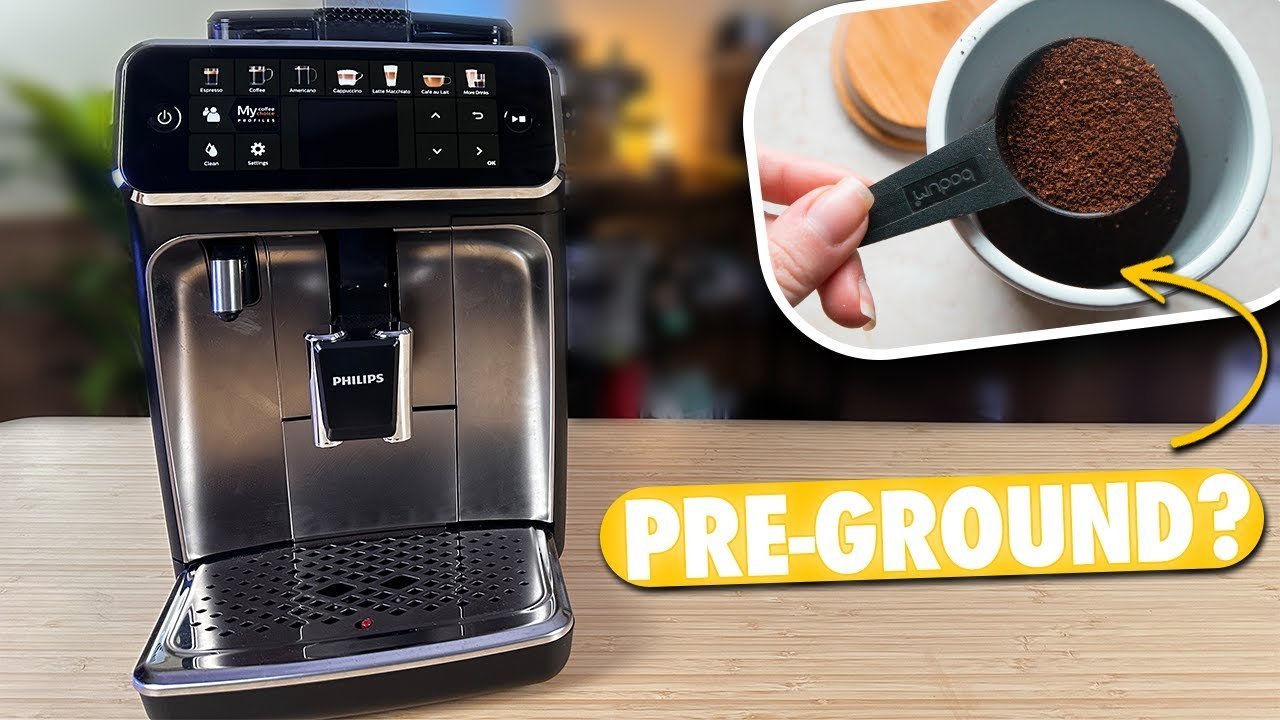
Many people believe that running ground coffee through a grinder will create a finer, more uniform texture for espresso. Always test the texture by rubbing a small amount between your fingers; if it’s already fine like table salt, no further grinding will improve the extraction quality.
When to stop and get help
- Burning smell: The motor is overheating from trapped dust and needs immediate professional service.
- Locked motor: The blades won’t spin because grounds are wedged in the burrs; don’t force it.
- Smoke or sparks: The unit is a fire hazard and must be unplugged and replaced.
- Voided warranty: Don’t attempt to open the motor housing yourself, as this will void your manufacturer’s warranty.
Frequently asked questions
Can I put ground coffee in a blade grinder to make it finer?
No, it won’t make the grounds finer. Blades are designed for whole beans; fine powder will clog the motor vents.
Is it safe to mix grounds and beans?
No, this creates an uneven grind. Mixing pre-ground coffee with whole beans results in an inconsistent grind size, which can lead to uneven extraction.
How do I clean coffee dust out of my grinder?
Use a dry, stiff-bristled brush to sweep the chamber after every use. Never use water, as moisture causes corrosion or electrical shorts.
Why does my grinder jam with fine coffee?
Fine grounds pack between burrs or blades. This creates pressure the motor can’t overcome, causing it to stop.
Can I use a blender instead?
No, a blender isn’t designed for coffee. It produces an inconsistent grind and high speeds heat the coffee, causing flavor loss.
Does it matter if the coffee is oily?
Yes, oily coffee leaves a sticky residue. Adding fine grounds to this oil creates a sludge that clogs internal mechanisms faster than dry coffee.
What to do next

Check your grinder’s manual to see if it lists “re-grinding” as an allowed function. If the manufacturer doesn’t explicitly permit it, avoid the process entirely to keep your motor running. Stop immediately if you hear a high-pitched whine from the motor.
Put ground, in short
Instead of forcing pre-ground beans through your machine, try using them for a cold brew batch or as a natural deodorizer in your fridge. You’ll keep your equipment in top shape and avoid unnecessary cleanup. It’s a simple way to make sure your morning routine doesn’t get messy or frustrating.