
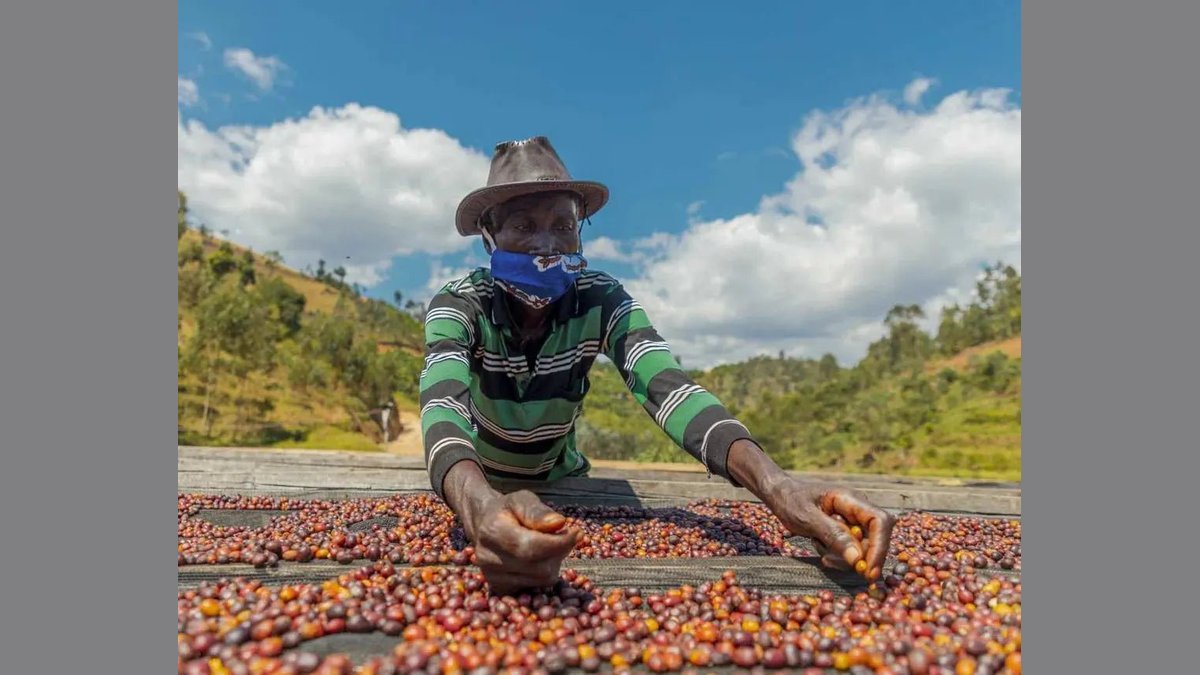
Coffee beans are the seeds of a fruit, and your coffee was processed using either the dry or wet method to remove the fruit layers before drying.
How was your coffee processed? The Methods Explained
Photo: www.zbeanscoffee.com on Google
| Method | What it involves | What goes wrong |
|---|---|---|
| Dry Process | Drying cherries in the sun | Mold grows if moisture remains |
| Wet Process | Removing pulp before drying | Fermentation tanks sour the batch |
| Honey Process | Drying with sticky pulp left | Uneven drying causes uneven roast |
| Pulped Natural | Machine removal of outer skin | Mechanical damage bruises the beans |
| Anaerobic | Fermentation in sealed tanks | Excess acidity ruins the flavor |
Steps in Coffee Processing
- Harvesters pick ripe coffee cherries from the trees by hand or machine, usually during a three-month harvest window depending on the local climate.
- The cherries go to a sorting tank where floaters are removed; heavy, ripe cherries sink, while defective or light cherries float to the top.
- For wet processing, a depulper machine removes the outer fruit skin, leaving the sticky mucilage layer attached to the bean for later cleaning.
- Beans sit in fermentation tanks for 12 to 48 hours, where natural enzymes break down the mucilage; the exact time depends on ambient temperature.
- Workers spread the beans on raised drying beds or concrete patios, turning them every few hours to ensure they dry evenly in the sun.
- The beans continue drying until their moisture content drops to between 10% and 12%, which is the standard for shelf-stable green coffee beans.
- Once dried, the parchment layer is milled off, and the resulting green coffee is sorted by size and density before being shipped for roasting.
Why Processing Affects Your Cup
Photo: www.zbeanscoffee.com on Google
The processing method dictates the final flavor profile because it changes how much fruit sugar stays in contact with the bean during drying. Dry-processed coffees often taste fruity and heavy because the bean absorbs sugars from the drying fruit skin. Wet-processed coffees usually taste clean and acidic because the fruit is removed before fermentation. If a processor fails to dry the beans sufficiently, the moisture causes the beans to rot during shipping. This error is costly because it ruins an entire container of coffee. If you notice a musty or earthy taste, it’s often a sign of poor drying or mold contamination during the processing stage.
Changes and Constraints
What you can change
- Choose beans based on the processing method listed on the bag.
- Grind your coffee fresh to preserve the delicate aromatic oils.
- Adjust your water temperature to balance the acidity of your beans.
- Store your roasted beans in an airtight container away from light.
What is fixed
- The processing method is locked in before the coffee leaves origin.
- Bean density determines how much heat it can absorb during roasting.
- Genetic variety limits the potential flavor profile of the specific crop.
Improving Your Daily Brew
You can improve your coffee experience by matching your brewing method to the processing style of the beans. For example, wet-processed beans often shine in pour-over methods that highlight their clean acidity. If you have dry-processed beans, a French press can better handle their heavy body and intense fruit notes. Always check the label for the processing date; coffee is a food product and loses freshness over time. If the beans smell like cardboard or dust, they have likely oxidized. Finally, keep your equipment clean, as old oils from previous brews will mask the unique characteristics of the beans.
Frequently asked questions

Can I tell the process by looking at the bean?
No, it’s difficult to identify the process just by looking at green or roasted beans. You should check the packaging or the roaster’s website, as they usually list the method used to achieve the specific flavor profile.
Is one process better than the others?
No, the best process is a matter of personal preference rather than quality. Wet processing creates a clearer, more acidic cup, while dry processing results in a sweeter, heavier body that many drinkers prefer for espresso.
How long does processed coffee stay fresh?
About three to six months is the typical window for roasted coffee to remain fresh if stored properly. You should keep the bag sealed in a cool, dark place to slow down the natural oxidation process of the oils.
What happens if the beans aren’t dried enough?
Yes, beans with high moisture content are prone to mold and bacterial growth. This leads to a sour or fermented taste that’s considered a major defect in specialty coffee and often results in the batch being discarded.
Does the processing method change the caffeine content?
No, the processing method has a negligible effect on the total caffeine content of the bean. Caffeine levels are primarily determined by the coffee variety, such as Arabica versus Robusta, and the conditions where the tree was grown.
Is it safe to drink coffee that tastes like vinegar?
No, a sharp, vinegary taste often indicates that the fermentation process went wrong. While it’s rarely a health risk if the coffee is brewed, it’s a sign of a poor-quality product that lacks the intended flavor balance.
Coffee processed, in short
The way your coffee was handled at the farm creates the foundation for every flavor note you experience in your mug. By understanding the basics of these methods, you can better select the beans that match your personal taste preferences and ensure you get the best possible result every single morning.
Related guides