
Yes, you can safely drink coffee made by mixing grounds straight into hot water. Coffee grounds are non-toxic plant material that can be ingested. The only real issue is texture and an upset stomach if you swallow too much sediment. Let the cup sit undisturbed for four minutes so the particles settle to the bottom.
Drinking coffee with grounds inside
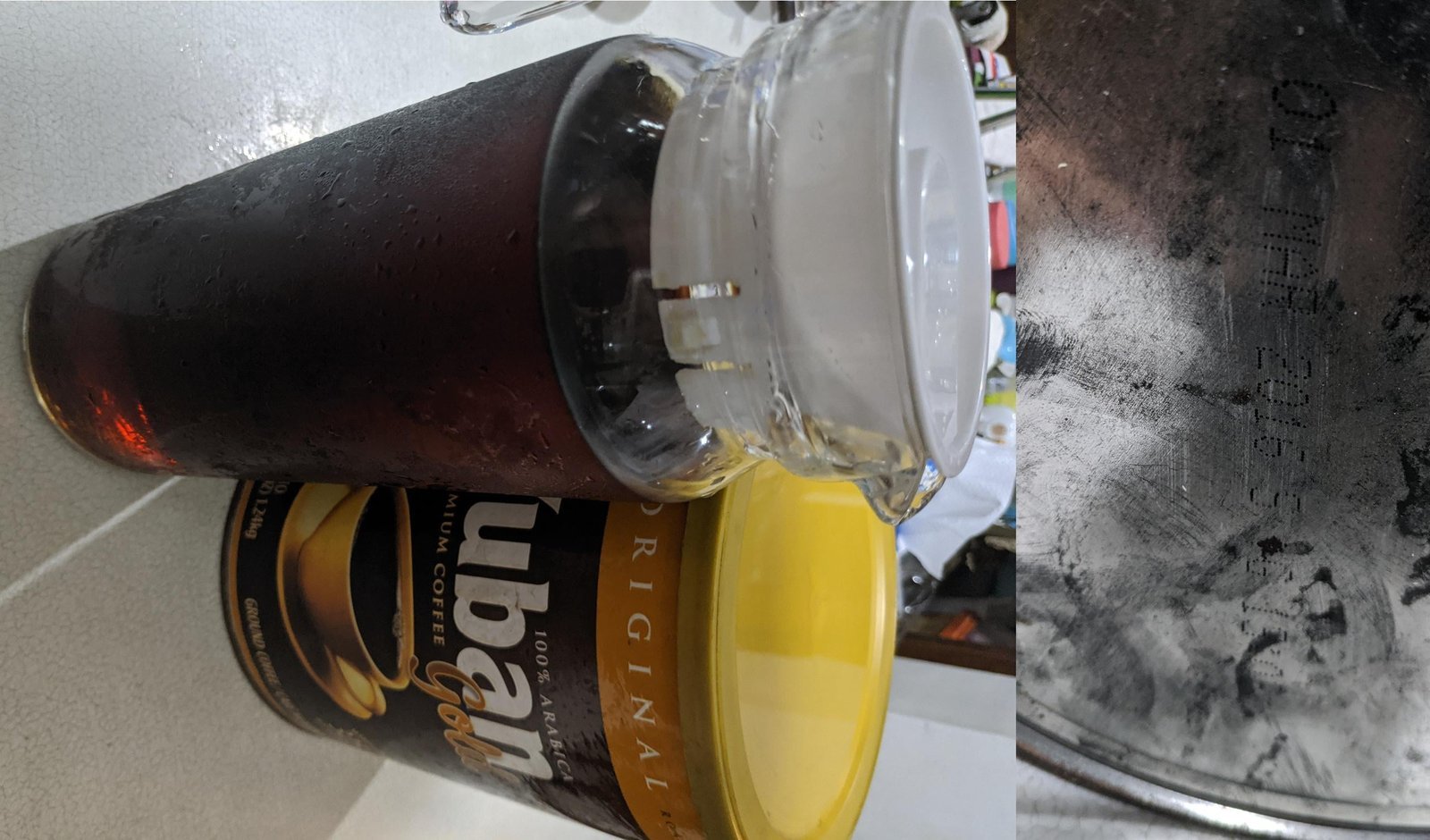
Drinking liquid that contains coffee grounds won’t poison you, but it tastes gritty and can bother sensitive stomachs.
The table below shows what happens when you drink coffee prepared with or without filtering the particles.
| Your situation | Answer | Why |
|---|---|---|
| Turkish or Greek style | Yes | Ultra-fine powder settles at the bottom of the cup |
| Cowboy coffee in a pot | Yes | Coarse grounds sink with a splash of cold water |
| Swallowing accidental floating grounds | Yes | Small amounts of plant fiber are completely harmless |
| Chewing large spoonfuls of dry grounds | No | High caffeine concentration and severe digestive irritation |
| Using fine drip grounds like instant | Yes, but gritty | Particles don’t dissolve and float near the top |
| People with acid reflux or ulcers | No | Unfiltered coffee carries heavy oils that trigger heartburn |
Coffee grounds don’t dissolve
Coffee beans are the roasted seeds of a fruit. Unlike instant granules, which are dehydrated brewed liquid that melts instantly, ground beans are mostly insoluble plant fiber.
When you add hot water, the liquid extracts flavors, caffeine, and soluble solids. If you swallow the sediment, your body treats it like dietary fiber, but it also releases cafestol and kahweol. These natural coffee oils raise serum cholesterol when consumed regularly without paper filters, a finding established in research published by the Harvard T.H. Chan School of Public Health.
Skipping a filter gives you a richer body, but leaves silt at the bottom.
How to brew grounds without a filter

You can make a clean cup without special equipment if you give the grounds time to settle. This process works best with medium or coarse coffee grounds; very fine powder takes twice as long to clear.
- Measure two tablespoons of grounds into your heat-safe mug for every 8 ounces of water. The dry grounds should sit loosely at the bottom of the cup.
- Pour boiling water directly over the grounds until the mug is full, making sure all dry specks get wet. You’ll see a thick, dark crust form across the liquid surface.
- Stir the surface gently after two minutes with a spoon to break up the crust. Most of the wet particles will immediately sink toward the base of the mug.
- Wait four full minutes without moving the cup so gravity pulls the loose sediment down. The liquid near the top will turn clear and dark with no floating flecks.
- Skim any remaining surface foam with your spoon and toss it into the sink. The top two inches of coffee are now free of grit.
- Sip the coffee without tilting the mug steeply so you don’t stir up the muddy layer at the base. You’ll get a smooth drink until you reach the final half-inch of liquid.
The common steeping mistake
The most common mistake is stirring the cup before drinking. Stirring lifts the sediment and suspends the grit in the liquid. This turns a clear cup of coffee into an unpleasant, muddy mouthful and wastes the four minutes you spent waiting for it to settle. If the surface looks clear, leave the spoon on the counter.
When coffee grounds cause medical issues
While coffee sediment is non-toxic, swallowing it can cause sudden physical symptoms in certain people:
- Sharp stomach cramps or diarrhea after drinking sediment, because dense insoluble fiber and oils speed up digestion.
This stops being a simple kitchen question if you develop persistent chest pain, extreme vomiting, or chronic stomach burning after consuming unfiltered coffee. Speak with a doctor or gastroenterologist to check for underlying ulcers or acid reflux disorders.
Can coffee grounds dissolve in cold water?
No, coffee grounds never dissolve in cold or hot water. They’re woody seed fragments that only release flavor oils, leaving the solid plant fiber intact no matter how long they soak.
What happens if you accidentally eat coffee grounds?
Nothing dangerous will happen if you swallow a few grounds. Your stomach processes the small woody pieces just like normal dietary fiber from vegetables, and they pass through your digestive system naturally.
Is unfiltered coffee bad for your cholesterol?
Yes, drinking large amounts of unfiltered grounds regularly can raise LDL cholesterol. Unfiltered coffee contains oily compounds called cafestol and kahweol, which paper filters usually catch and remove before you drink.
How much caffeine is in ground coffee if you eat it?
Swallowing a whole tablespoon of dry grounds delivers much more caffeine than drinking normal brewed coffee.
Does drinking coffee grounds hurt your stomach?
Yes, it can upset your stomach if you swallow the sediment. The dense fiber and concentrated acids can irritate your stomach lining, leading to nausea, cramping, or an immediate laxative effect.
Can you use a paper towel as a coffee filter?
Yes, an unbleached paper towel works well if you run out of regular filters. Place it inside a funnel or strainer, pour the coffee through slowly, and discard the trapped grounds.
Why do some coffee grounds float while others sink?
Trapped carbon dioxide gas causes fresh grounds to float on top of hot water. Once the gas escapes after three or four minutes of soaking, the heavy, waterlogged grounds sink to the bottom.
Next steps for your brew
Let your cup sit completely still for three minutes so the remaining sediment packs tightly into the bottom of the mug. You’ll see a clear, dark liquid at the top that tastes rich without feeling sandy in your mouth. If you still experience persistent stomach pain or severe heartburn after drinking, stop using unfiltered methods and switch to paper filters permanently.