
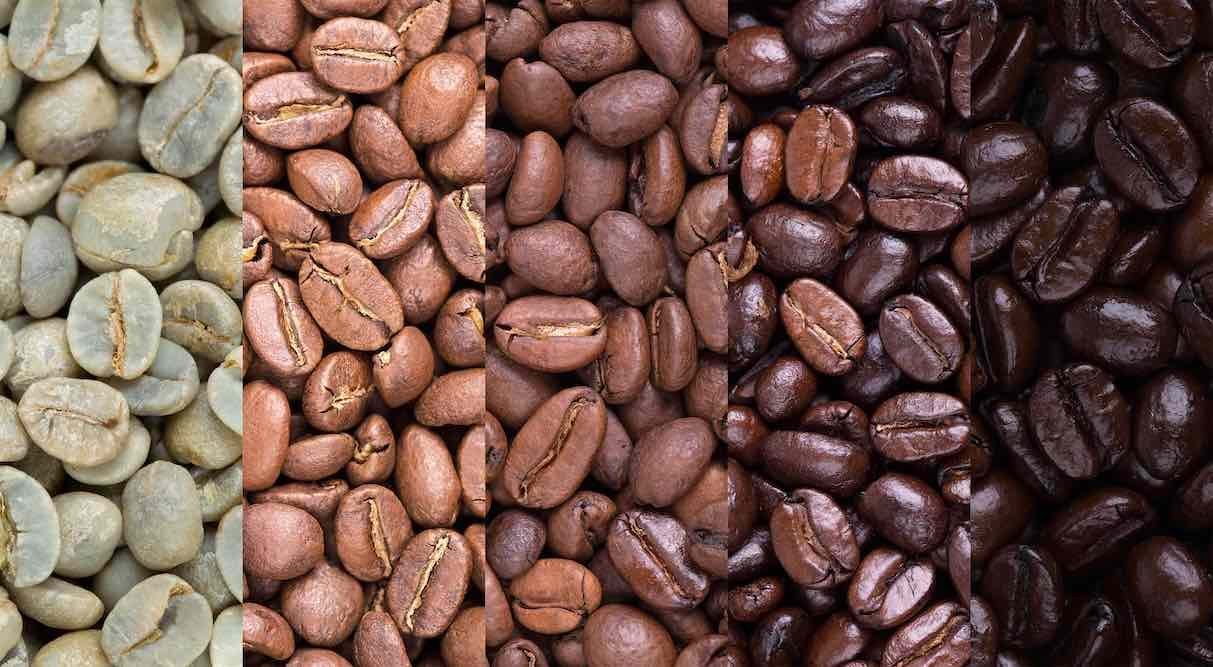
Deciding which is better medium or dark roast coffee depends on your preference: medium roasts highlight the bean’s original flavor, while dark roasts offer a bold, smoky body, forcing a choice between clarity and intensity.
Comparing medium and dark roast
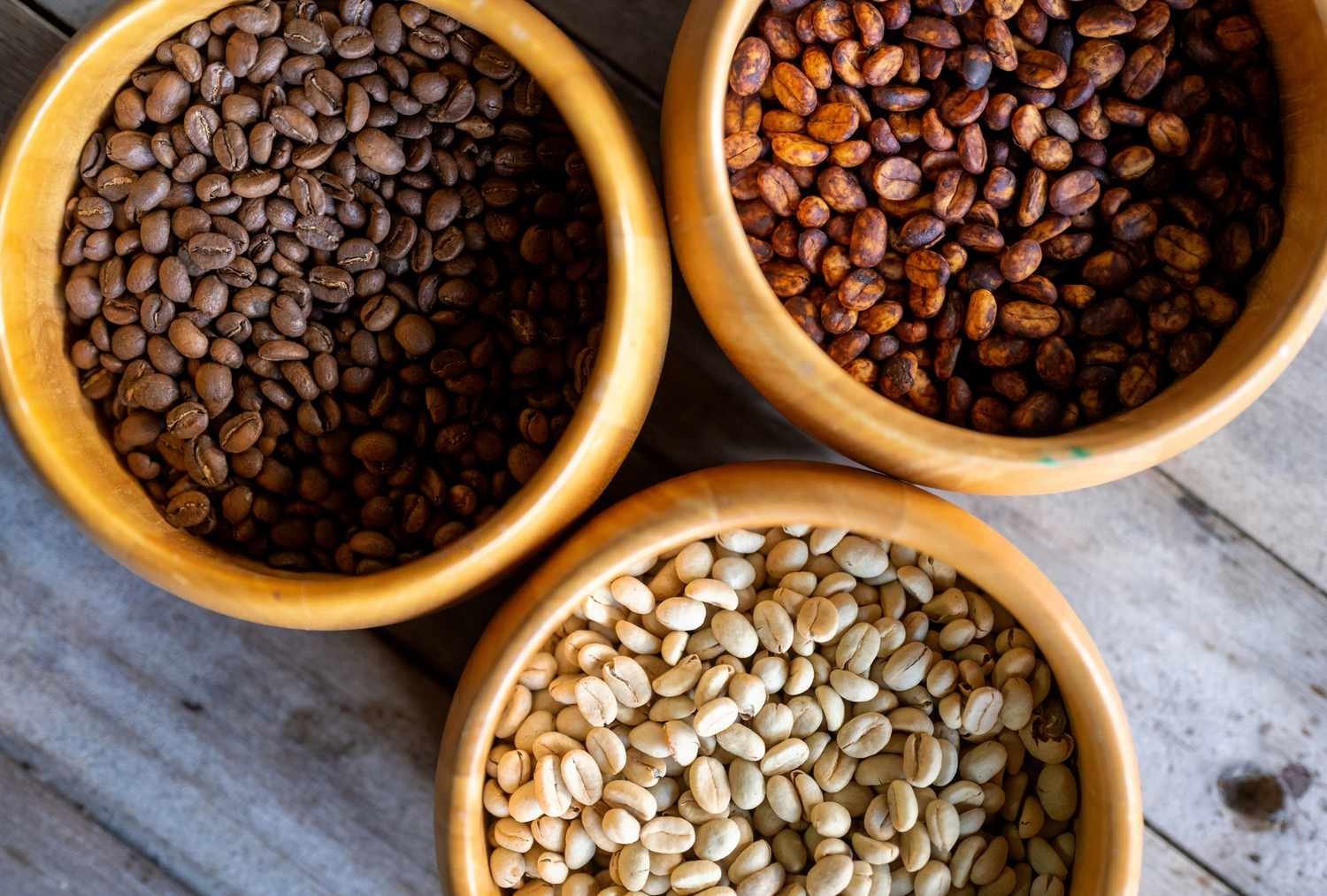
The preference for coffee roast levels depends on your desired flavor profile, caffeine needs, and brewing method.
| Method | How long | Effort | Cost | Best for |
|---|---|---|---|---|
| Medium Roast | 3-5 min | Medium | Medium | Tasting origin |
| Dark Roast | 3-5 min | Medium | Medium | Bold, smoky taste |
| Light Roast | 3-5 min | Medium | High | Floral notes |
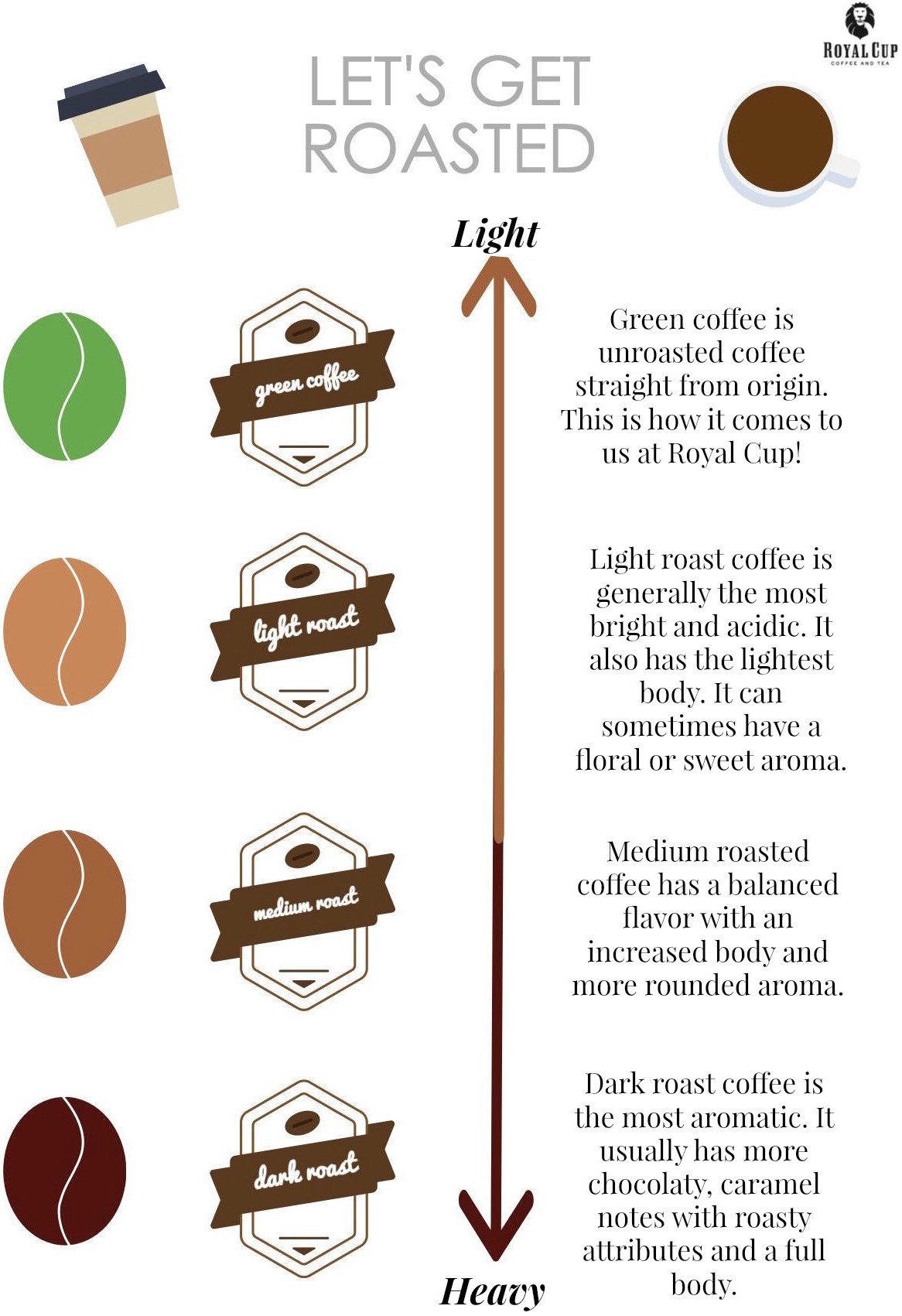
Choose light roasts if you prioritize acidity and complex floral or fruit notes. These beans retain the most origin character because they spend less time in the roaster.
Select dark roasts when you prefer a heavy body and low acidity. This profile masks the bean’s origin but provides a consistent, chocolatey finish.
A common mistake is assuming dark roasts contain more caffeine. In reality, light roasts are denser, so a scoop of light roast beans weighs more than a scoop of dark roast beans, resulting in more caffeine per scoop. Use a scale to measure by weight rather than volume to ensure consistency. If you brew with a French press, choose medium roasts to avoid the bitterness that often plagues darker beans during long immersion times.
Choosing the middle ground
Medium roast coffee preserves the unique characteristics of the coffee cherry while adding a balanced sweetness from the roasting process.
- Measure 2 tablespoons of beans for every 6 ounces of water.
- Grind your beans to a medium consistency, similar to sea salt.
- Pour hot water, ideally between 195°F and 205°F, over the grounds.
- Allow the coffee to steep or drip for 3 to 4 minutes before serving.
This roast is excellent for pour-over methods where you want to highlight the bright acidity and fruit notes. A common mistake is using boiling water, which scalds the grounds and creates a bitter taste that ruins the delicate balance.
Embracing the dark side
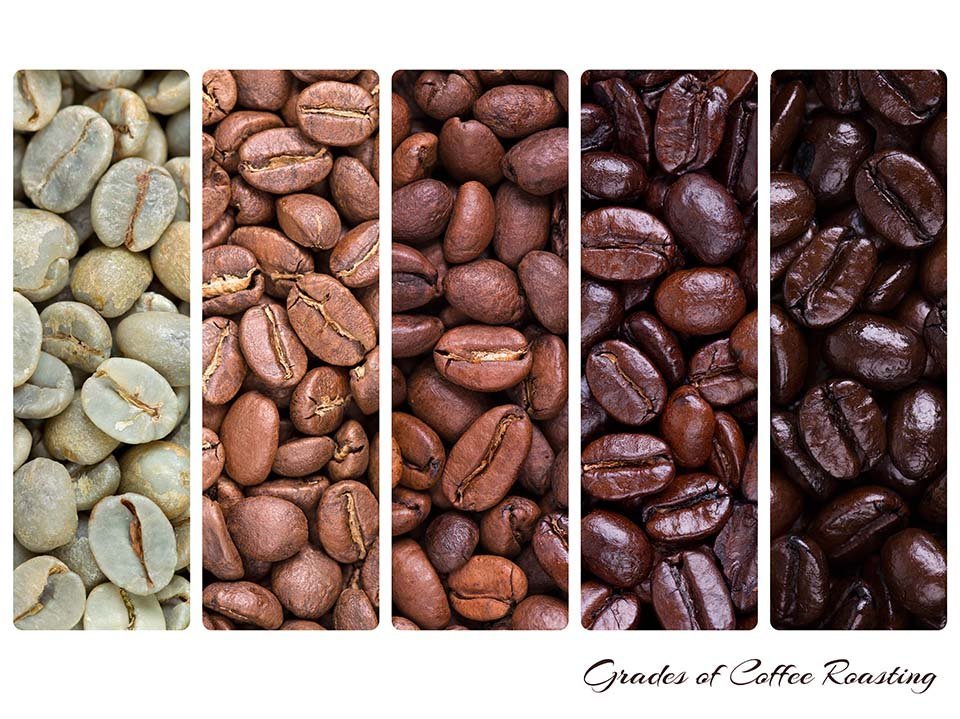
Dark roast coffee undergoes a longer roasting time, which breaks down the bean’s original acidity and replaces it with a heavy, roasted flavor.
- Measure 2 tablespoons of dark roast beans per 6 ounces of water.
- Grind to a medium-fine consistency for a standard drip machine.
- Use filtered water heated to 195°F to ensure a smooth extraction.
- Brew using a French press or an espresso machine to maximize the body.
This roast is perfect for lattes or cappuccinos because the intense flavor cuts through milk. However, the high heat can mask the quality of the coffee bean, so it isn’t for those looking for subtle, complex floral notes.
When to use each
This method requires specific equipment, such as a burr grinder, to ensure the particle size remains consistent for extraction. If you’re in a hurry, use a dark roast with a French press, as the immersion method is forgiving of grind variations. If you’re doing this for the first time, start with a medium roast to experience the bean’s origin. If you want the best possible result, buy whole beans and grind them immediately before brewing, regardless of which roast you choose.
The rules that apply whichever way you choose
Regardless of your roast preference, the quality of your water and the freshness of your beans are the most important factors. Always store your beans in an airtight container away from direct sunlight to prevent oxidation, which ruins the flavor profile within weeks. If you’re using an electric machine, ensure you descale it regularly to prevent mineral buildup that affects water temperature. If you decide to roast your own beans, know that this carries a real risk of fire; consult your specific equipment manual for safety protocols or hire a professional roaster to handle large batches.
Frequently asked questions
Can I mix medium and dark roast beans?
Yes, you can mix them to create a custom blend that balances the bright acidity of the medium roast with the smoky depth of the dark roast, allowing you to experiment until you find your preferred flavor profile.
How long does ground coffee stay fresh?
Ground coffee begins to lose its peak flavor shortly after grinding, though it remains safe to consume for several weeks if stored in an airtight, opaque container kept in a cool, dry place away from any strong odors.
Is it safe to drink dark roast coffee on an empty stomach?
Yes, it’s generally safe, but dark roast coffee is lower in acidity than medium roast, which may make it easier on your stomach if you’re sensitive to the acids naturally found in coffee beans.
What happens if I use boiling water to brew?
Using boiling water will extract tannins too quickly, resulting in a harsh, bitter cup of coffee that masks the intended flavors of the roast, so always let your water sit for a minute after boiling before you pour.
How do I know if my coffee is over-extracted?
Your coffee is over-extracted if it tastes unpleasantly bitter and dry, which usually happens when the grind is too fine or the brew time is too long, so try a coarser grind setting for your next attempt.
Final Thoughts
Ultimately, your favorite cup depends on what you crave during your morning routine. Don’t be afraid to experiment with different beans from your local roaster to see what suits your palate best. Once you find a roast you love, you’ll have a much better idea of how to brew it perfectly.