
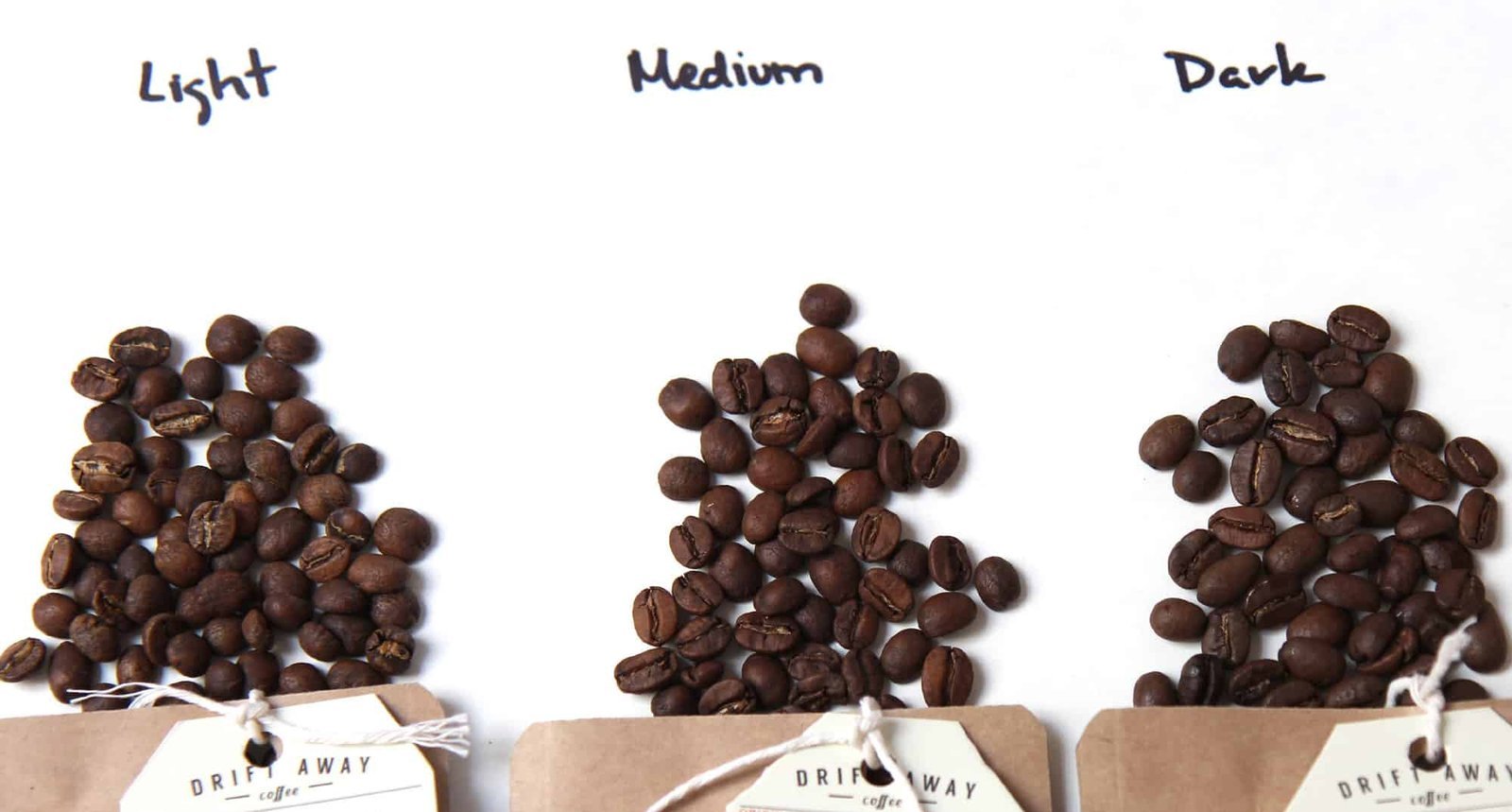
If you are wondering what is dark roast and medium roast, know that medium beans are brown with balanced flavor, while dark beans are roasted longer until oily and smoky. You can distinguish them by their color and texture.
What is dark roast and medium roast?
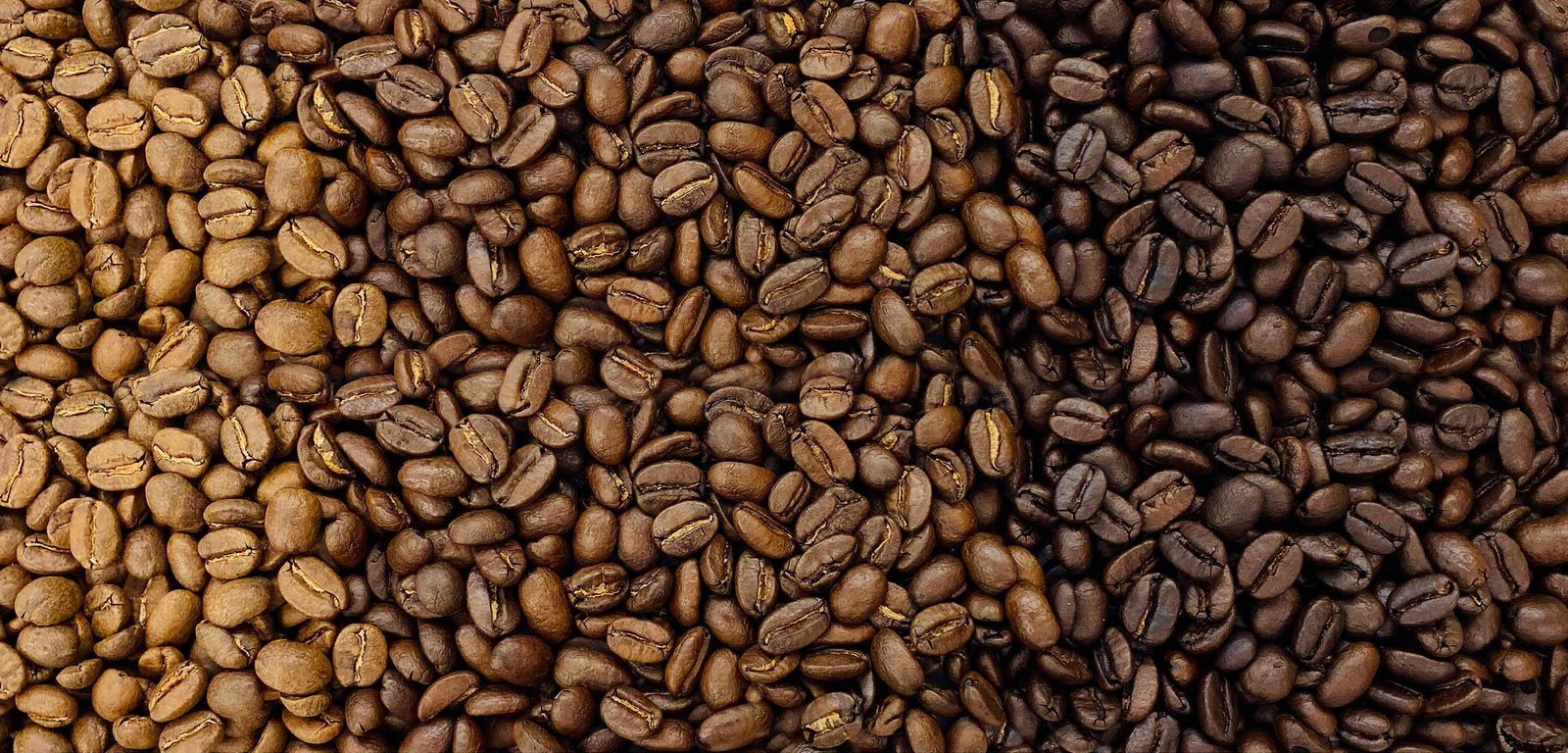
- Medium roast beans are dry, matte brown, and retain more of the original coffee bean characteristics.
- Dark roast beans are dark brown or black, often shiny with surface oil, and taste primarily of the roasting process.
- If you want to taste the origin of the coffee bean, choose a medium roast for its acidity and sweetness.
- If you prefer a bold, heavy body with low acidity and a bitter-sweet finish, choose a dark roast.
- Check the roast date on the bag; freshness matters more than roast level for the final flavor profile.
- Store beans in an airtight container away from light to prevent the oils from turning rancid over time.
Why coffee beans change during roasting
Roasting is a chemical process where heat transforms the green coffee seed into a flavorful bean. As the temperature rises, the beans go through a series of physical changes, including the release of water and the breakdown of complex sugars. When the internal temperature reaches approximately 400°F, the beans produce an audible “first crack,” which marks the point where a bean becomes a light-to-medium roast. As the roasting continues, the cellular structure of the bean expands and breaks down, allowing internal oils to migrate to the surface. This is why dark roasts look shiny while medium roasts remain dry. According to the National Coffee Association’s coffee guide, the longer the roasting time, the more the natural nuances of the bean’s origin are replaced by the flavors of the roast itself. This trade-off means you lose the fruity or floral notes of a bean the darker you roast it.
When the answer is different
| Situation | What changes | What to do instead |
|---|---|---|
| High altitude beans | Density is higher | Use a slightly longer brew time |
| Older beans | Moisture content drops | Grind slightly finer for extraction |
| Home roasting | Heat control varies | Watch bean color, not time |
| Espresso prep | Crema formation changes | Dark roast creates more crema |
| Cold brew | Acid levels matter | Use medium roast for brightness |
How to do it properly
- Measure 20 grams of whole coffee beans for every 300 milliliters of filtered water to maintain a standard strength.
- Grind your beans just before brewing; a medium-coarse setting works best for a standard drip coffee machine or pour-over.
- Heat your water to between 195°F and 205°F, as this range is ideal for extracting the best flavors from any roast.
- Pour a small amount of water over the grounds to let them bloom for 30 seconds, which releases trapped carbon dioxide gas.
- Pour the remaining water in a slow, steady circle to ensure all coffee grounds are evenly saturated for a consistent flavor.
- Wait for the water to finish dripping through the filter, which should take about 3 to 4 minutes in total.
- Pour the coffee immediately into a pre-warmed mug, as coffee begins to lose its best quality within 20 minutes of brewing.
The mistakes that ruin it
- Buying pre-ground coffee leads to a rapid loss of volatile aromatics, resulting in a flat and stale cup.
- Using boiling water can lead to over-extraction in some brewing methods, which may result in a harsh or bitter taste.
- Storing beans in the refrigerator causes condensation, which ruins the texture and flavor of the coffee beans.
- Ignoring the roast date on the package means you might be brewing beans that are already past their peak.
Frequently asked questions
Does dark roast have more caffeine?
No, dark roast doesn’t have more caffeine. The caffeine content remains relatively stable during the roasting process, but because dark roast beans are less dense, you might actually get slightly less caffeine if you measure your coffee by the scoop.
Is medium roast better for your stomach?
Yes, medium roast is often considered more acidic, but it isn’t necessarily harder on the stomach. If you have acid reflux, dark roasts are sometimes preferred because they contain N-methylpyridinium (NMP), a compound that may help reduce stomach acid secretion.
How long does a bag of coffee stay fresh?
About 2 to 4 weeks is the ideal window for peak flavor after the roast date. Always check the label on the bag for the roast date, as oxygen is the primary enemy of freshness once the seal is broken.
Can I mix dark and medium roast?
Yes, you can mix them to create a custom flavor profile. Many people blend these roasts to achieve a balance between the bright, acidic notes of a medium roast and the heavy, smoky body of a dark roast.
Is dark roast stronger than medium roast?
No, strength is a matter of how much coffee you use per unit of water. Dark roast tastes more intense or “bolder” because of the carbonized flavors from the roast, but it isn’t inherently stronger in terms of coffee concentration.
What is the best way to store coffee?
An airtight, opaque container kept in a cool, dark cupboard is the best way to store your beans. Avoid placing your coffee in the freezer or fridge, as moisture and odors from other foods can damage the coffee.
Final Thoughts
Choosing between these styles really comes down to your personal taste. If you’re unsure which you’ll prefer, pick up a small bag of each during your next grocery run. You’ll have a great time experimenting with different brewing methods to see how those unique flavors shine in your morning cup.