
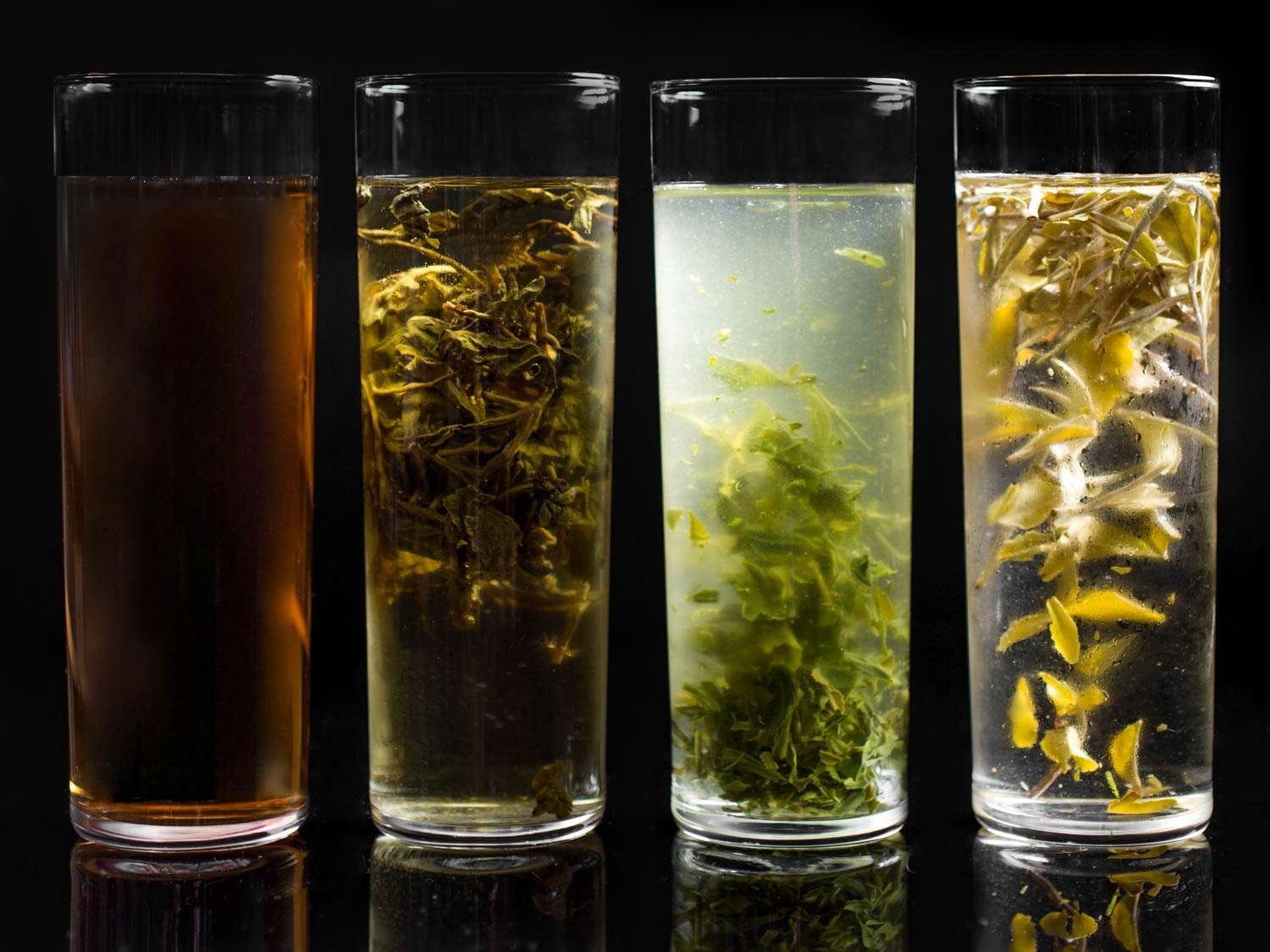
Yes, you can oversteep cold brew and ruin the flavor. Leaving grounds in water past 24 hours at room temperature pulls out harsh, bitter compounds that overpower the smooth taste you wanted. Strain your batch now if it’s been sitting longer than a day.
When cold brew steeping goes too far
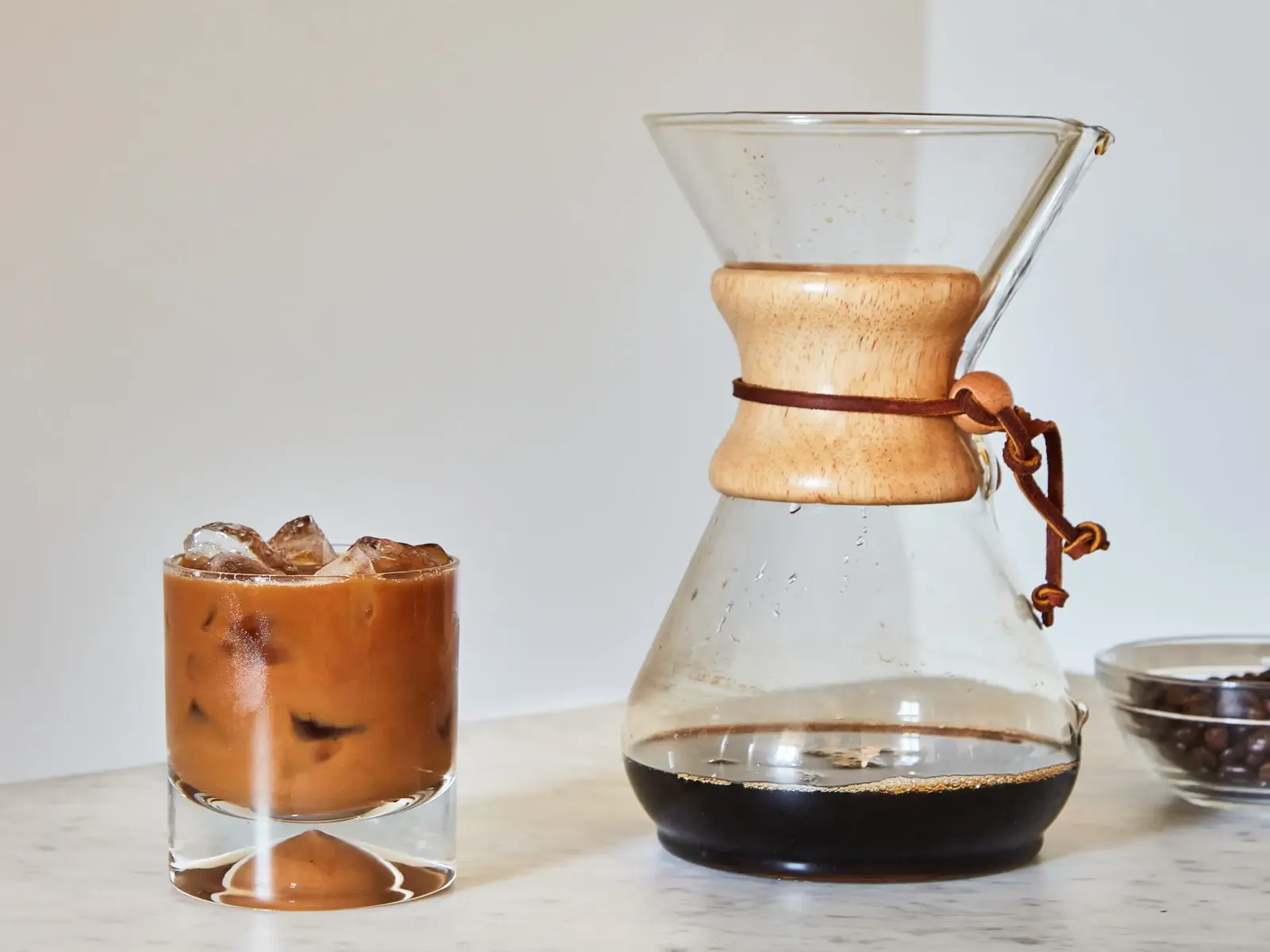
The time your grounds spend in water decides whether you get a smooth cup or a bitter one. Match your setup to the right window so you don’t waste good coffee.
| Your situation | Answer | Why |
|---|---|---|
| 12–24 hours in fridge | No | Slow extraction keeps bitter compounds low |
| Over 24 hours in fridge | Yes | Tannins keep dissolving even in cold water |
| 8–12 hours on counter | No | Room temperature speeds up the process safely |
| Over 16 hours on counter | Yes | Warmth pulls out harsh flavors much faster |
| Fine grind left 24 hours | Yes | Small particles release everything too quickly |
| Coarse grind left 18 hours | No | Large pieces need more time to extract fully |
| Steeping past 36 hours anywhere | Yes | All pleasant flavors are gone by then |
What controls the extraction limit
Water temperature and grind size control how fast coffee dissolves into your jar. Cold water slows everything down, which is why this method tastes smoother than hot coffee. But slow doesn’t mean stopped. The chemical process keeps pulling oils, acids, and tannins from the bean as long as they touch water.
A coarse grind gives you a wider safe window because the water has less surface area to work with. A fine grind acts like espresso powder, dumping its contents fast even in ice water. Room temperature cuts your safe time almost in half compared to the fridge. If your kitchen is warm in summer, the clock ticks faster. You’re trading convenience for control here: leaving the jar on the counter means it’s ready sooner, but the margin for error shrinks.
If you steep in the fridge, strain between 16 and 24 hours; if you leave it on the counter, strain between 8 and 12 hours.
Steps to steep without going too far
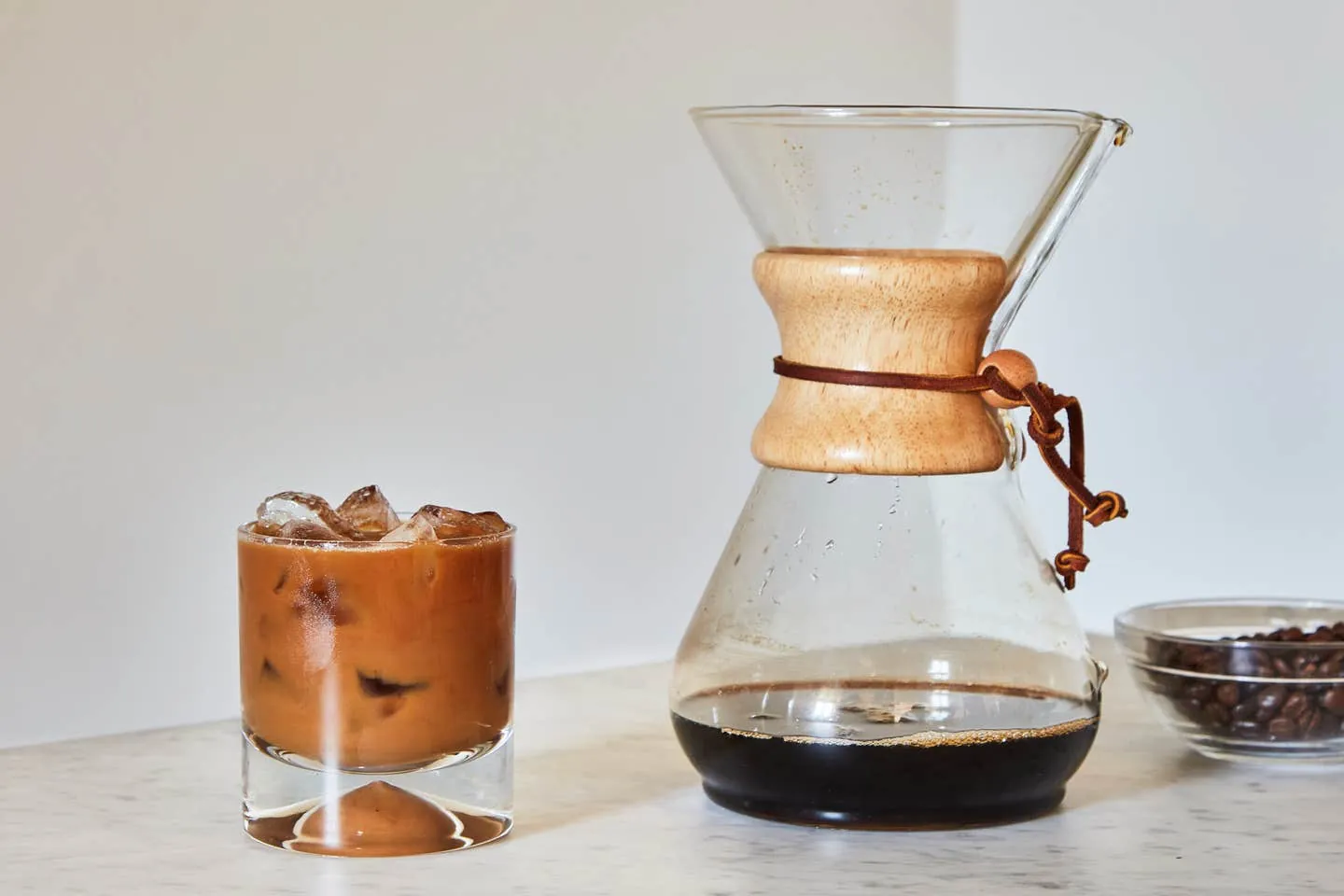
Getting the timing right takes a few specific moves before you even pour the water. Follow these steps to keep the flavor clean.
- Weigh 100 grams of coarsely ground coffee. Use a kitchen scale, not scoops. The sign it’s right is grounds that look like coarse sea salt.
- Pour 800 grams of cold filtered water over the grounds in a large glass jar. Stir gently until every dry spot disappears.
- Cover the jar tightly and place it in the fridge if you plan to wait 16 to 24 hours. Leave it on the counter only if you’ll strain it within 12 hours.
- Set an alarm on your phone for the end of your chosen window. Don’t trust yourself to remember.
- Strain through a paper filter or fine mesh when the alarm sounds. The liquid should look dark but clear, with no floating grit.
- Transfer the finished concentrate to a clean bottle immediately. Leaving it on the wet grounds even after straining continues the extraction.
According to the National Coffee Association, cold water requires a much longer contact time than hot brewing methods, but that contact still needs a firm endpoint.
The cost of ignoring the clock
Leaving the jar on the counter overnight when you meant to use the fridge schedule turns a smooth batch into something that tastes like burnt rubber. That mistake costs you the full price of the beans and the 12 hours you waited. You can’t fix it by adding milk or sugar once the heavy tannins take over.
The single check that saves your batch is setting a loud alarm before you walk away. Don’t guess the time by looking at the color. Dark color doesn’t always mean done, and waiting for it to look “stronger” pushes you straight past the limit.
Signs your cold brew needs a professional

- The liquid smells sour or fermented instead of roasty, because wild yeast took over the sugars.
- You see white or green fuzz on the surface, meaning mold grew during a long counter soak.
- It sat unstrained at room temperature for over two days, crossing the food safety line.
Any of these signs means you must pour the whole batch down the drain. Check USDA or FoodSafety.gov guidelines on refrigerated storage times for prepared foods if you’re unsure about your jar.
Frequently asked questions
Can I reuse the grounds for another batch?
No, spent grounds have already given up their good flavors. A second soak just pulls out leftover bitterness and stale woody notes. Compost them instead.
How long does strained cold brew last in the fridge?
It stays fresh for 7 to 10 days in a sealed container in the fridge. After that, the bright flavors fade and it starts tasting flat.
Does a darker roast steep faster?
Yes, dark roasts are more porous and give up their soluble material quicker. Cut your steeping time by 2 to 4 hours compared to a light roast.
Is it safe to drink if I forgot it on the counter?
If it sat out under 16 hours, it’s safe but likely very bitter. Past 24 hours at room temperature, bacteria can multiply enough to cause stomach trouble.
What happens if I use fine espresso grind?
You’ll over-extract in about 6 to 8 hours, even in the fridge. The tiny particles release all their bitter compounds long before the standard timer goes off.
Why does my batch taste weak after 24 hours?
Your grind might be too coarse, or your coffee-to-water ratio is too low. Try 1 part coffee to 4 parts water by weight next time.
Does the water temperature change the limit?
Yes, warmer water accelerates extraction significantly. Colder water in the back of your fridge buys you a few extra safe hours compared to the door shelf.
Getting your next batch right
Start your next jar using the fridge method and set a 16-hour alarm on your phone. You’ll get a smooth, sweet concentrate that pours cleanly through a paper filter without any sharp bite. If the liquid ever smells sour or shows visible fuzz, dump it out and wash the jar thoroughly.