
You use a fine-mesh sieve or a paper filter to strain the liquid and successfully remove grounds from coffee. If you’re using a French press, the coarse grounds usually sink to the bottom, but the fine particles stay suspended in the brew.
Reasons for extra sediment
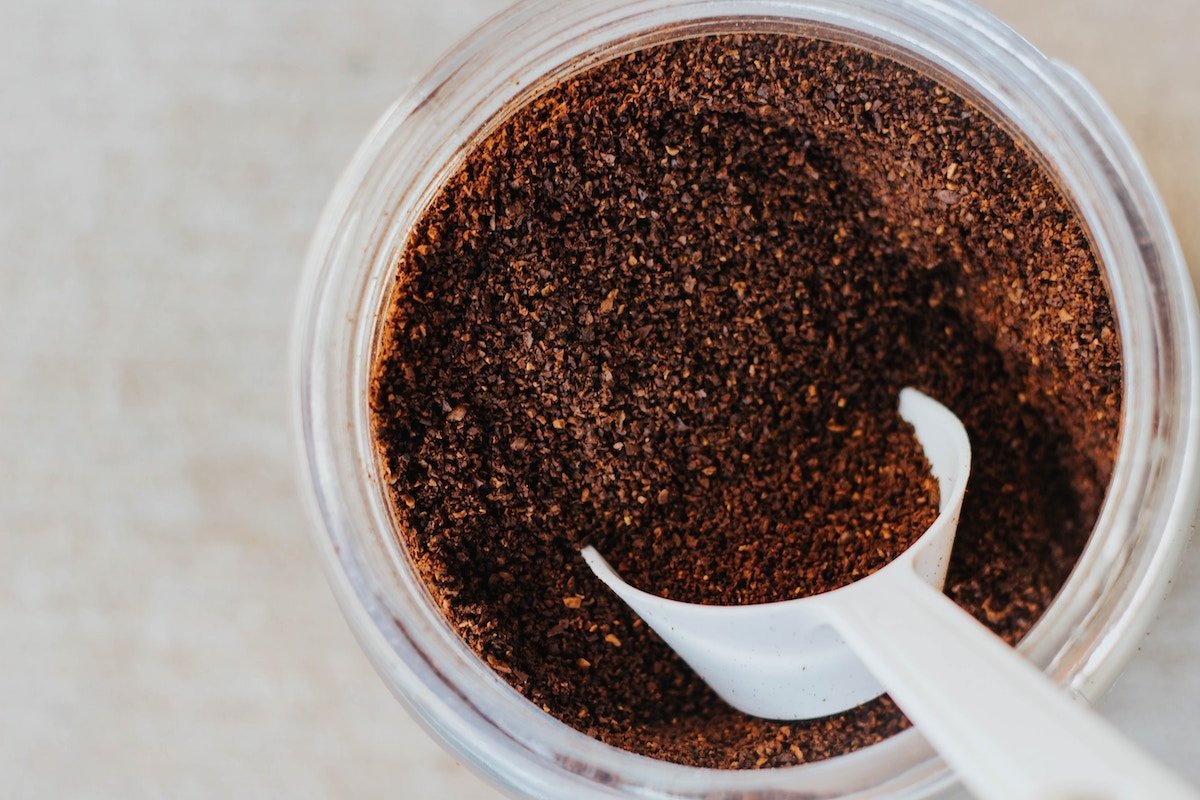
Sediment happens because the grind size is too small for your specific coffee maker. If you use a blade grinder, it creates an uneven mix of large chunks and tiny dust particles. These tiny pieces pass through metal filters easily. Another cause is the age of your filter. If you use a paper filter that’s too thin or damaged, it will let oils and fines pass through into your cup. This varies by model—check the label on your filter packaging to see if it’s compatible with your machine’s basket size. If you use the wrong size, you’ll always have grit in your drink.
Use a paper filter
If you’re using a metal-mesh French press, you should pour the brewed coffee through a paper filter to catch the small bits. This is the best method if you want a clean cup without any grit. Place a standard paper coffee filter into a funnel or a pour-over dripper. Slowly pour your coffee through the filter into your mug. This process takes about 30 seconds for a single cup. If you have a large batch, it may take longer. This isn’t for people who want the heavy, oily body that a metal filter provides, as the paper absorbs most of the natural coffee oils.
Pour carefully to settle grounds

You can keep most grounds out of your cup by pouring slowly and stopping before the last drop. When you brew in a French press, let the coffee sit for four minutes after pressing the plunger down. This allows the remaining fine particles to sink to the bottom of the carafe. When you pour, don’t tilt the carafe too far. If you tilt it completely upside down, you’ll stir up the settled layer at the base. If you pour the last bit of liquid, you’ll get a mouthful of sludge. This simple habit keeps your coffee smooth and grit-free without extra tools.
Use a fine mesh sieve
A fine-mesh stainless steel sieve is a great way to catch loose grounds if you don’t have paper filters. Place the sieve over your mug and pour the coffee through it. This works well for cold brew or coarse-ground coffee. If the mesh is too wide, the grounds will pass right through. You must clean the sieve immediately after use because oils can build up in the tiny holes, which changes the taste of future brews. Keeping equipment clean is vital for safety when preparing beverages or food.
Mistakes to avoid

- Pressing the plunger too hard: This creates pressure that forces fine grounds through the sides of the metal filter.
- Grinding too fine: If your coffee looks like powder, it will always bypass the filter; adjust your grinder to a coarse setting.
- Using damaged mesh: If your metal filter has a tiny hole or bent edge, it will leak grounds; replace it immediately.
- Stirring after brewing: This keeps the particles floating in the liquid instead of letting them settle at the bottom.
How to manage coffee grounds
You can improve your daily routine by changing how you handle the brewing process. If you’re struggling with grit, try these simple adjustments to your workflow:
| If you’re doing this | Do this instead | Why |
|---|---|---|
| Using a blade grinder | Use a burr grinder | It creates a uniform size |
| Pressing the plunger fast | Press slowly and gently | It prevents ground bypass |
| Using cheap filters | Use thick, bleached paper | They trap more fine dust |
| Pouring to the last drop | Leave the bottom ounce | That’s where the sludge hides |
Can I drink coffee grounds?
Yes, you can safely drink coffee grounds, but the texture is unpleasant and gritty. They’re just roasted and ground coffee beans. If you accidentally swallow a few, they won’t harm you, though they might cause a slight upset stomach if you consume a large amount.
Why is my coffee muddy?
Your coffee is muddy because the grind size is too fine for your brewing method. When the particles are like dust, they pass through metal filters easily. Try using a coarser setting on your grinder or switching to a thicker paper filter to catch the sediment.
How long should I let coffee rest?
You should let your coffee sit for at least four minutes before pouring. This time allows gravity to pull the fine particles to the bottom of your container. If you pour too soon, the grounds stay suspended in the liquid and end up in your mug.
Is it safe to use a cloth filter?
Yes, a cloth filter is safe if you keep it very clean. You must rinse it with hot water after every use and allow it to air dry completely. If you don’t clean it well, bacteria can grow in the fabric over time.
What happens if I use a damaged filter?
If you use a damaged filter, you’ll get grounds in your cup every time. Even a tiny hole or a bent metal edge allows fine particles to escape. Check your filter for gaps or tears before you start brewing to ensure a clean, smooth cup.
How do I fix a French press?
You can fix a French press by checking the mesh screen for tears and ensuring the edges are tight. If the screen is clean and undamaged, the issue is likely your grind size. Use a coarser setting to ensure the grounds are too large to pass through the mesh.
Can I reuse coffee grounds?
No, you shouldn’t reuse coffee grounds for brewing because they have already lost their flavor and oils. The result will be a bitter, weak, and watery cup. Once the grounds have been through a full brewing cycle, their best qualities are already gone.
Keeping your equipment clean and using the right grind size will change how you enjoy your morning cup every single day. If you notice a change in your coffee’s flavor or texture, check your filter and grinder settings first. These small adjustments ensure your coffee stays smooth and free of unwanted debris.