
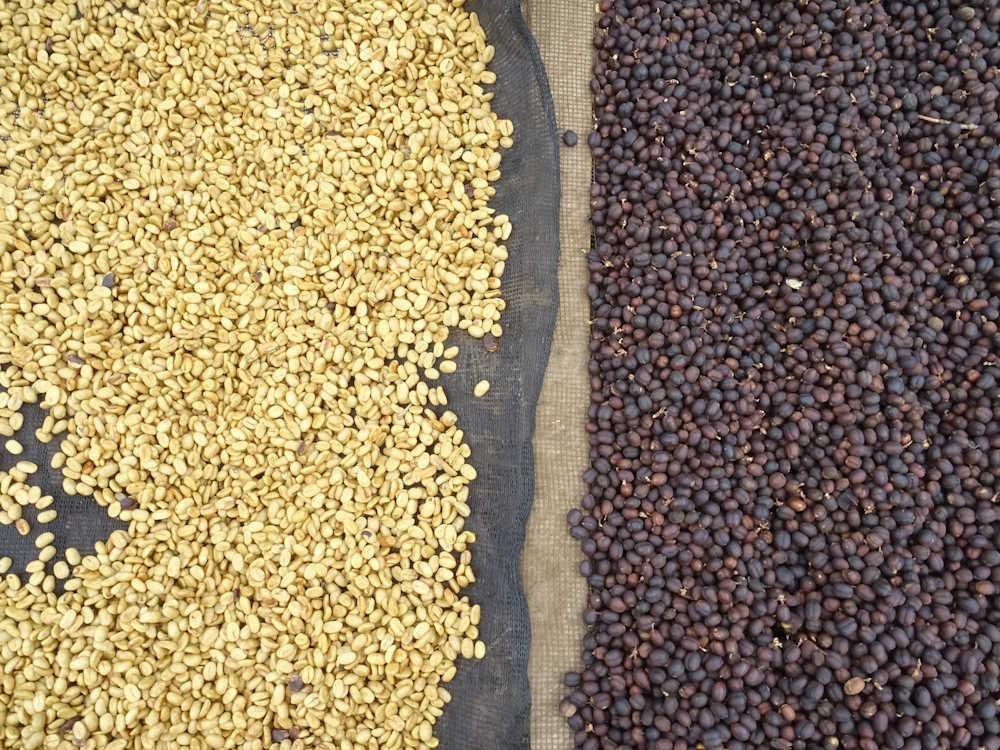
Neither washed nor natural coffee is objectively superior, as the best choice depends entirely on your personal flavor preferences. Washed beans offer a clean, acidic, and bright profile, while natural processed beans are known for their heavy body, sweetness, and complex fruit notes.
Why it works / what to know first
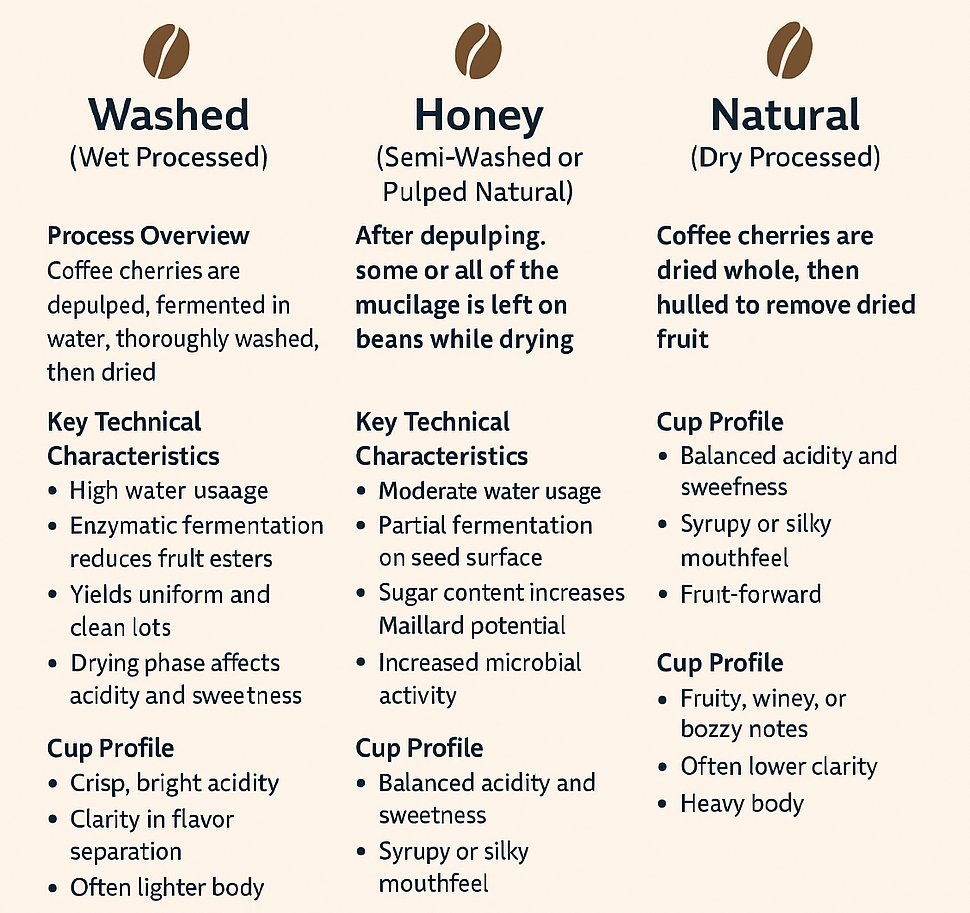
The primary difference lies in how the fruit is removed from the coffee seed. In washed coffee, the outer fruit pulp is removed before drying, which allows the bean to express its inherent characteristics more clearly. Conversely, natural coffee is dried inside the intact fruit, allowing the sugars to ferment and infuse the bean with deep, jammy sweetness.
The most common mistake is assuming that natural coffee is “dirty” or lower quality. In reality, the processing method is a stylistic choice used by farmers to highlight specific regional traits.
Is Washed Coffee Better Than Natural? How Processing Affects The Cup
Knowing the difference between these two methods helps you choose the right bag at the roaster. If you prefer a crisp morning cup, washed coffee is the standard choice. If you enjoy a decadent, syrupy experience, natural coffee will satisfy you more.
- Select washed coffee if you want to experience the specific terroir of the farm. This method removes the mucilage, leading to a cup with higher clarity and a lighter mouthfeel.
- Choose natural coffee if you enjoy bold, fruity, or wine-like flavors. The National Coffee Association notes that the drying process in the fruit significantly alters the chemical composition and final sensory profile of the bean.
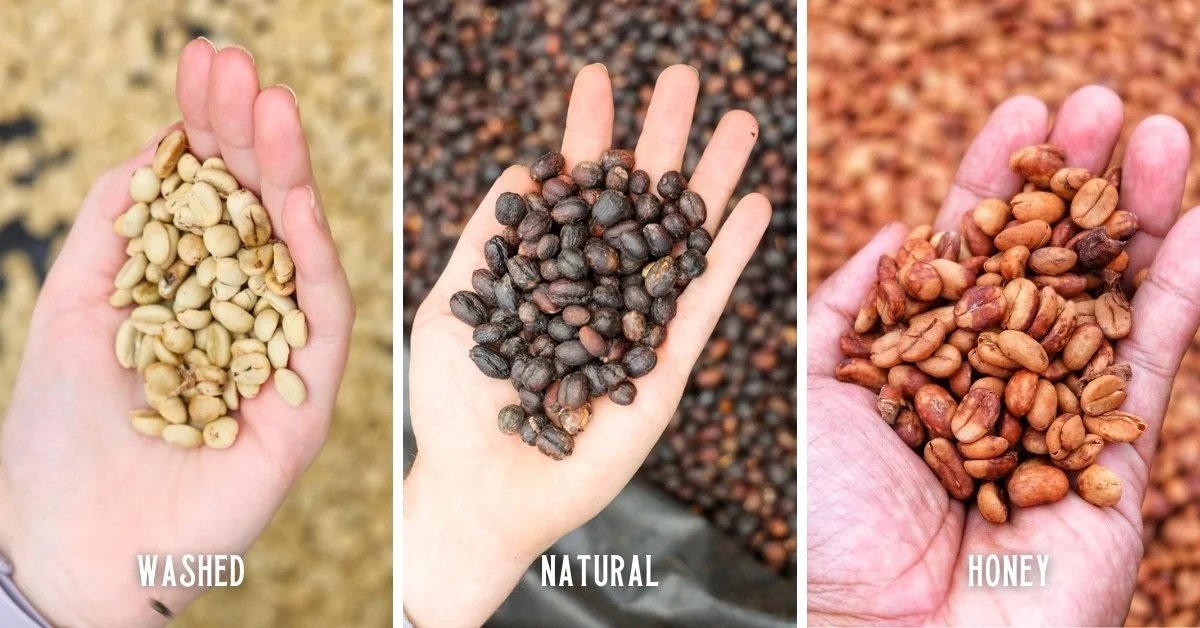
- Check the label for the processing method before buying. If the bag says “honey” or “pulped natural,” this is a hybrid method that sits between washed and natural.
- Experiment with different brewing ratios. Washed coffees often shine with a slightly finer grind size, while natural coffees can handle a coarser grind to balance their intense sweetness.
Tip: If you find natural coffee tastes “musty” or “fermented,” it may be a poor-quality crop rather than a flaw in the process itself.
Typical Processing Times
The time required for processing varies by climate, humidity, and the specific equipment used at the washing station.
| Method | Typical Drying Time | Primary Variable | What to watch for |
|---|---|---|---|
| Washed | 7 to 14 days | Humidity levels | Uniform color |
| Natural | 20 to 30 days | Sunlight exposure | Turning frequency |
| Honey | 10 to 18 days | Mucilage amount | Sticky texture |
If your coffee takes significantly longer to dry than the table suggests, it’s likely due to high humidity, which can lead to mold if not managed properly by the producer.
Assessing Your Coffee Quality
Photo: www.tankcoffee.com on Google
You can judge the quality of your beans by looking at the surface and color. A high-quality washed bean should appear clean, uniform in color, and free of visible debris. Natural beans will often have a slightly darker or more varied appearance than washed beans, but they should still smell clean and sweet. If you detect a harsh, vinegar-like, or medicinal scent, the fermentation process was likely mismanaged during the drying phase.
Mistakes That Ruin Your Brew
- Grinding too fine for natural beans: Because natural beans have more residual sugars, a very fine grind can lead to an over-extracted, muddy cup. Use a slightly coarser setting than you would for a washed coffee to maintain clarity.
- Ignoring the roast date: Freshness is more important than the processing method, as coffee loses its delicate volatile aromatics within weeks of roasting. Always buy coffee that was roasted within the last 14 to 30 days to ensure the specific characteristics of the process are actually present.
- Using inconsistent water temperature: Brewing with water that’s too cool will fail to extract the complex sugars in natural coffee, resulting in a sour, unbalanced flavor. Stick to a range between 195°F and 205°F for the best results across all processing types.
Frequently asked questions
Can washed coffee be as sweet as natural?
Yes, washed coffee can be very sweet, but it will taste like clean sugar or honey rather than the jammy, fruit-forward sweetness of natural coffee. The sweetness in washed coffee is often balanced by higher acidity, which makes it feel lighter on the tongue compared to the heavy body of naturals.
Why is natural coffee often more expensive?
Natural coffee requires more labor and space to dry properly, as the entire fruit must be turned frequently to prevent rotting. This longer, more intensive drying period increases the risk of spoilage, which justifies a higher price point for high-quality, defect-free natural lots.
Is it safe to drink coffee that tastes fermented?
Yes, it’s safe to drink, as the fermentation used in coffee processing is a controlled biological stage that stops before the bean is roasted. The “fermented” notes in a natural coffee are a desired flavor profile, not a sign of spoilage, provided the beans were processed under hygienic conditions.
How long does natural coffee stay fresh?
Natural coffee often has a slightly shorter shelf life than washed coffee because the residual sugars on the bean surface can oxidize faster. You should aim to consume your bag within three to four weeks of opening to ensure you’re still getting those bright, fruity notes before they fade.
Does the processing method change the caffeine content?
No, the processing method doesn’t significantly change the caffeine content, as this is determined by the coffee species and the bean density. Both washed and natural coffees will have roughly the same amount of caffeine when brewed using the same weight of grounds.
What happens if I brew natural coffee like washed coffee?
Natural coffees often produce an intense, heavy cup that can mask subtle floral or fruit notes. To balance these flavors, use a slightly lower water temperature or a coarser grind. This adjustment prevents the sugars from overwhelming your palate with excessive bitterness or an overly heavy body.
Washed coffee, in short
Ultimately, your palate is the only judge that matters. Don’t be afraid to experiment with both styles during your next cafe visit to see which one you enjoy more. Grab a bag of each and brew them side-by-side; you’ll quickly discover a favorite that makes your mornings feel a little brighter.
Related guides