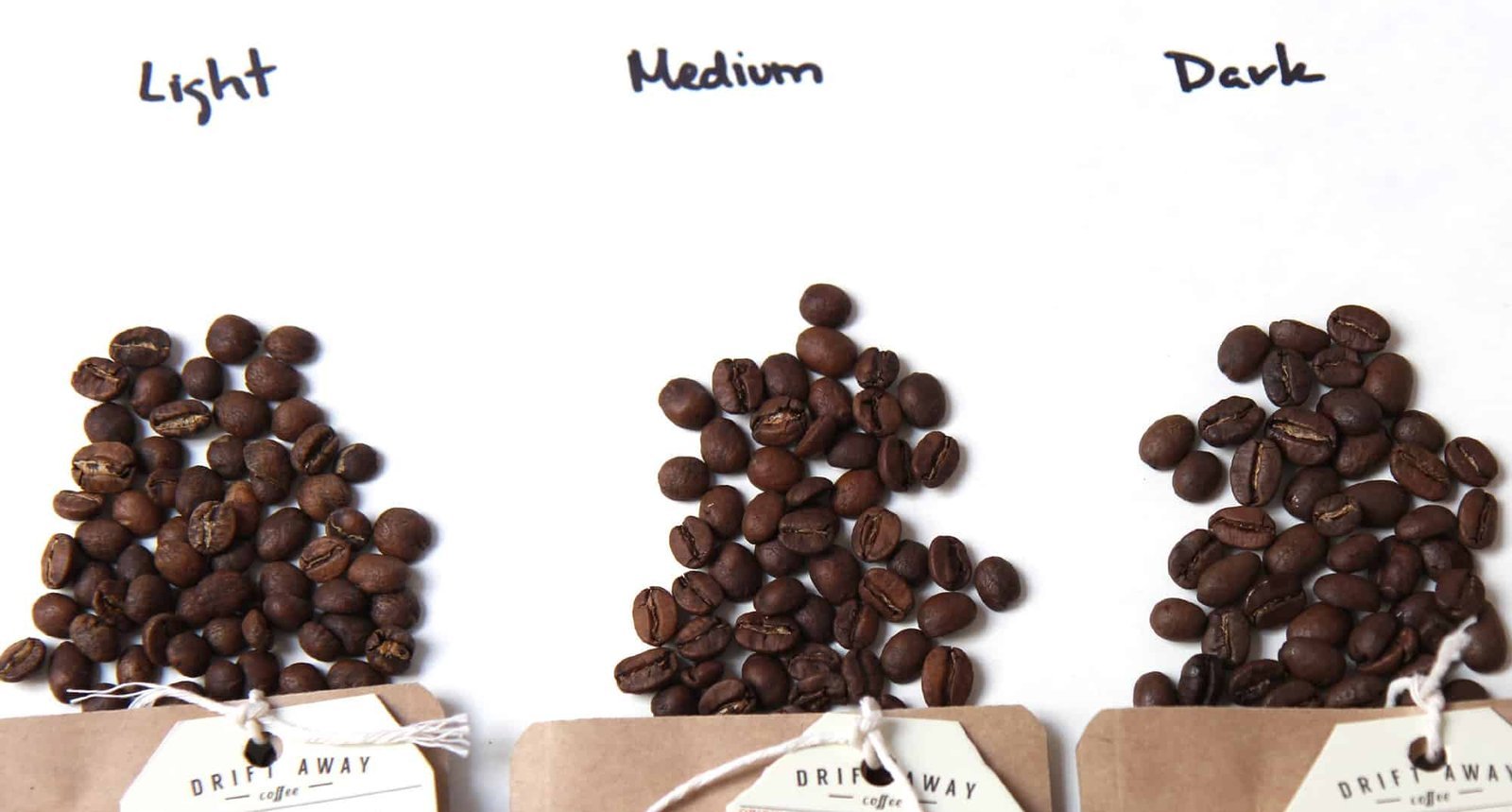
Deciding what is better medium or dark roast coffee depends on your taste; medium roast offers balanced origin flavors and acidity, while dark roast provides a bold, smoky profile with less acidity.
Choosing between medium and dark roast
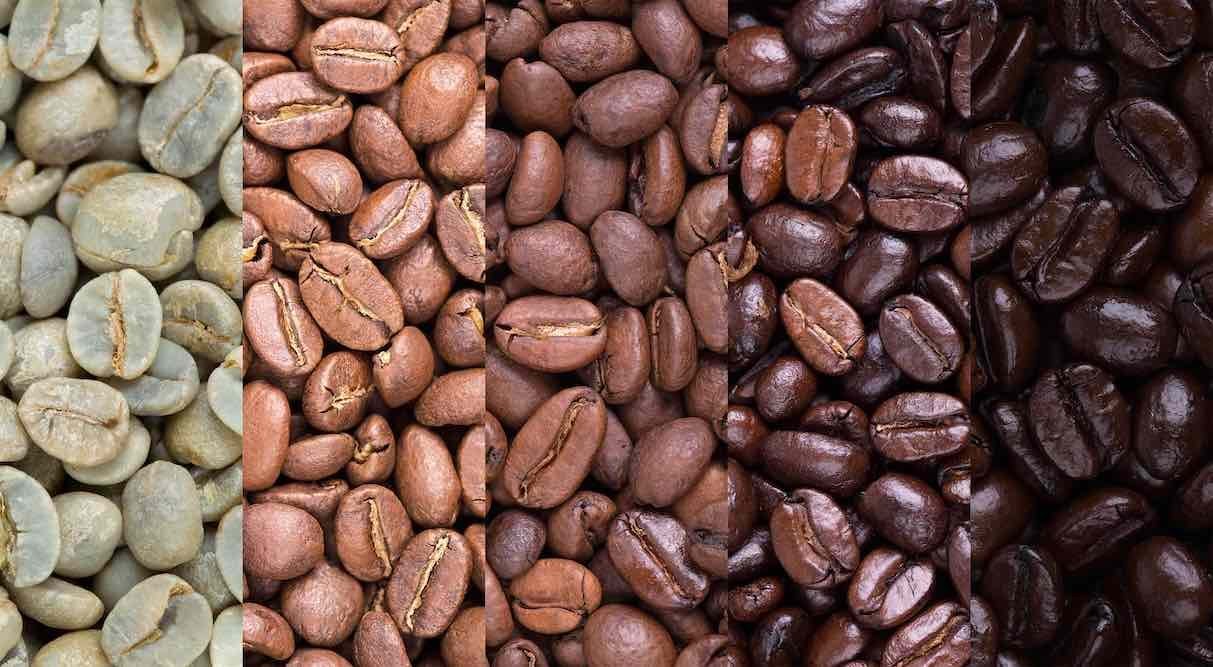
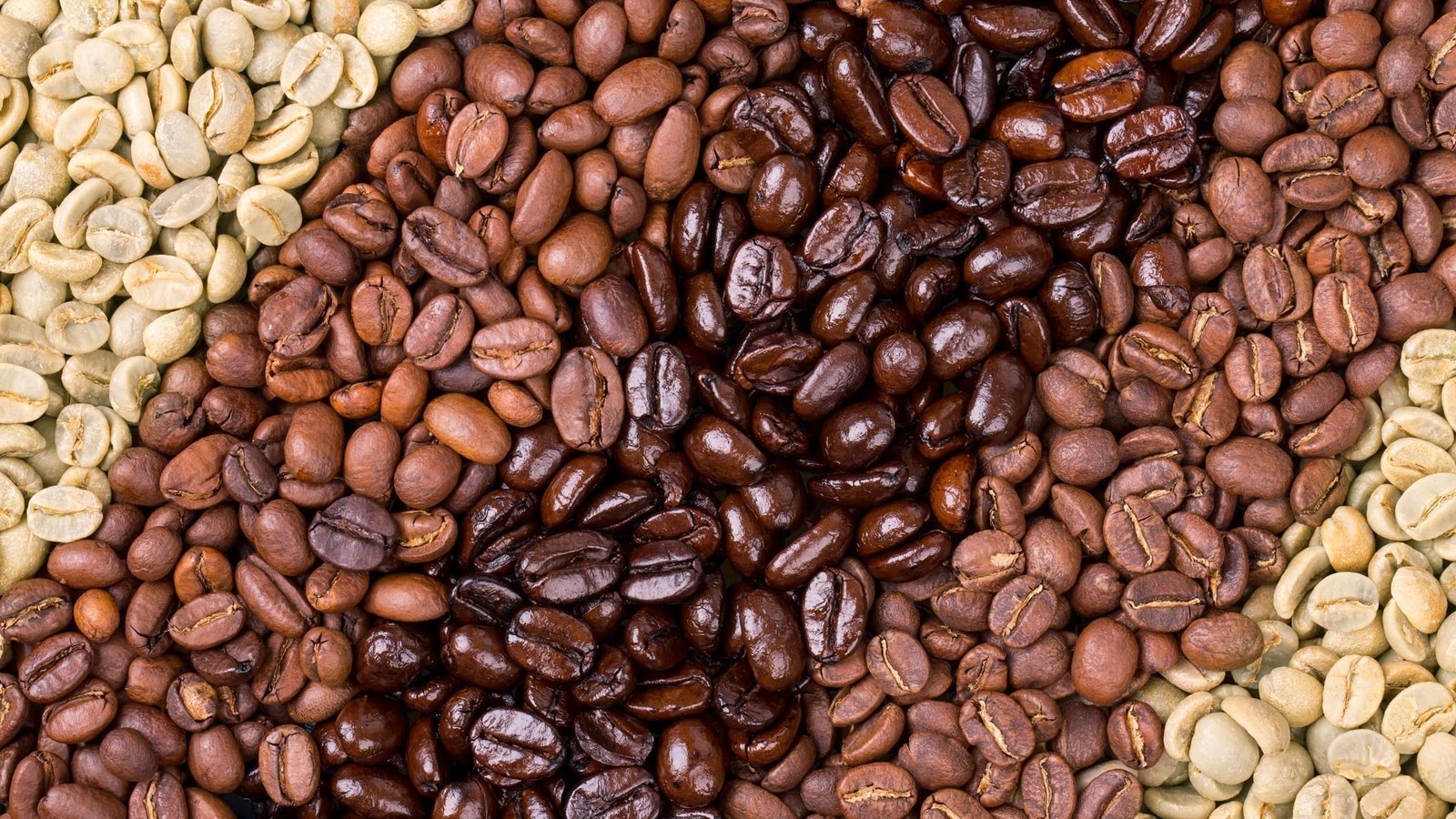
The roast level changes the bean’s chemical composition and physical structure. A medium roast preserves more of the unique characteristics of the coffee bean’s origin, often showing bright, fruity, or floral notes. In contrast, dark roasting pushes the bean toward oiliness and bitterness, masking origin flavors with deep, roasted tones.
This choice is a trade-off between complexity and intensity. If you enjoy the subtle nuances of a specific growing region, choose medium. If you crave a heavy mouthfeel and a punchy, charred finish, pick dark.
Brewing for the best flavor
- Weigh your coffee beans using a scale for precision; use 18 grams of coffee per 300 milliliters of water for a standard cup.
- Grind your beans immediately before brewing to keep the volatile oils from evaporating, as ground coffee loses flavor quickly when exposed to air.
- Heat your water to between 195°F and 205°F, as noted in the National Coffee Association brewing guide, to ensure proper extraction of the solubles.
- Pour the water slowly over the grounds in a circular motion, ensuring all grounds are saturated during the first 30 seconds of the process.
- Let the coffee bloom if you’re using a pour-over method, which allows gases to escape and results in a more balanced flavor profile in the final cup.
Tip: If your coffee tastes sour, your water might be too cool or your grind too coarse. Tip: If your coffee is overly bitter, try a slightly coarser grind or a shorter contact time with the water.
How long it takes
The total preparation time depends on your chosen brewing method and the specific equipment you use.
| Method | Total Time | What changes it | What to watch for |
|---|---|---|---|
| French Press | 4 minutes | Grind size | Sediment levels |
| Pour-over | 3 minutes | Pour speed | Flow rate |
| Drip Machine | 5-7 minutes | Machine power | Water temp |
| Cold Brew | 12-24 hours | Temperature | Strength |
If your brew takes significantly longer than the table suggests, your grind size is likely too fine, which slows down the water flow.
How to tell when it’s done
You’ll know the coffee is ready when the extraction process concludes and the liquid reaches the desired strength. For drip machines, the process is done once the water stops dripping from the filter basket. For immersion methods like a French Press, you know it’s time to plunge once the timer hits the four-minute mark. If you’re unsure, taste a small spoonful; it should feel smooth on the tongue rather than thin or harsh. The acidity should be noticeable in medium roasts, while dark roasts should offer a heavier, lingering finish on the palate.
Mistakes that ruin it
- Using boiling water: Pouring water at 212°F can lead to over-extraction and a bitter taste. Always wait about 30 seconds after your kettle boils before pouring to reach the ideal temperature range.
- Storing beans in the freezer: This creates condensation that damages the oils and flavor of the coffee. Keep your beans in an airtight container in a cool, dark cupboard instead.
- Ignoring the grind size: Using a grind that’s too fine for your brewer leads to over-extraction and sludge. Match your grind to your equipment, using coarse for French Press and medium-fine for drip brewers.
- Buying pre-ground coffee: Pre-ground coffee loses its aroma and freshness relatively quickly after opening. Invest in a burr grinder to ensure the coffee is fresh when you brew.
Frequently asked questions
Is dark roast coffee stronger than medium roast?
No, dark roast coffee isn’t stronger in caffeine content than medium roast. While dark roasts taste more intense and smoky, the caffeine levels remain similar by weight; if you measure by volume, medium roast beans are denser and may actually provide a slightly higher caffeine content per scoop.
Can I mix medium and dark roast coffee?
Yes, you can mix them to create a custom blend that balances the bright acidity of the medium roast with the deep, bold body of the dark roast. Many enthusiasts do this to achieve a specific flavor profile that isn’t available in single-roast bags.
How long does coffee stay fresh after roasting?
Coffee is best consumed within two to four weeks of its roast date. After this period, the volatile compounds that provide flavor and aroma begin to degrade, leading to a flat or stale taste regardless of the roast level you choose to purchase.
Is it safe to drink coffee every day?
Yes, it’s safe for most adults to consume moderate amounts of coffee daily. The FDA notes that for healthy adults, up to 400 milligrams of caffeine a day—which is roughly four or five cups of coffee—is generally not associated with dangerous or negative effects.
What happens if I use too much coffee?
Using too much coffee will lead to an over-extracted, bitter cup that may be difficult to drink. It also wastes your beans; always stick to a consistent ratio, such as one to two tablespoons of grounds for every six ounces of water, to maintain a balanced flavor.
How do I know if my coffee has gone bad?
Your coffee has gone bad if it smells like cardboard or has a rancid, oily odor rather than a fresh aroma. If you notice these signs, the oils in the beans have oxidized, and the coffee will taste unpleasant, so it’s best to discard the batch.
Final Thoughts
Ultimately, the best way to choose is to experiment with a few different bags from your local roaster. Try brewing a cup of each side-by-side to see which one you truly enjoy more. Don’t be afraid to step outside your comfort zone; you’ll likely find a new favorite that’s perfect for your mornings.