
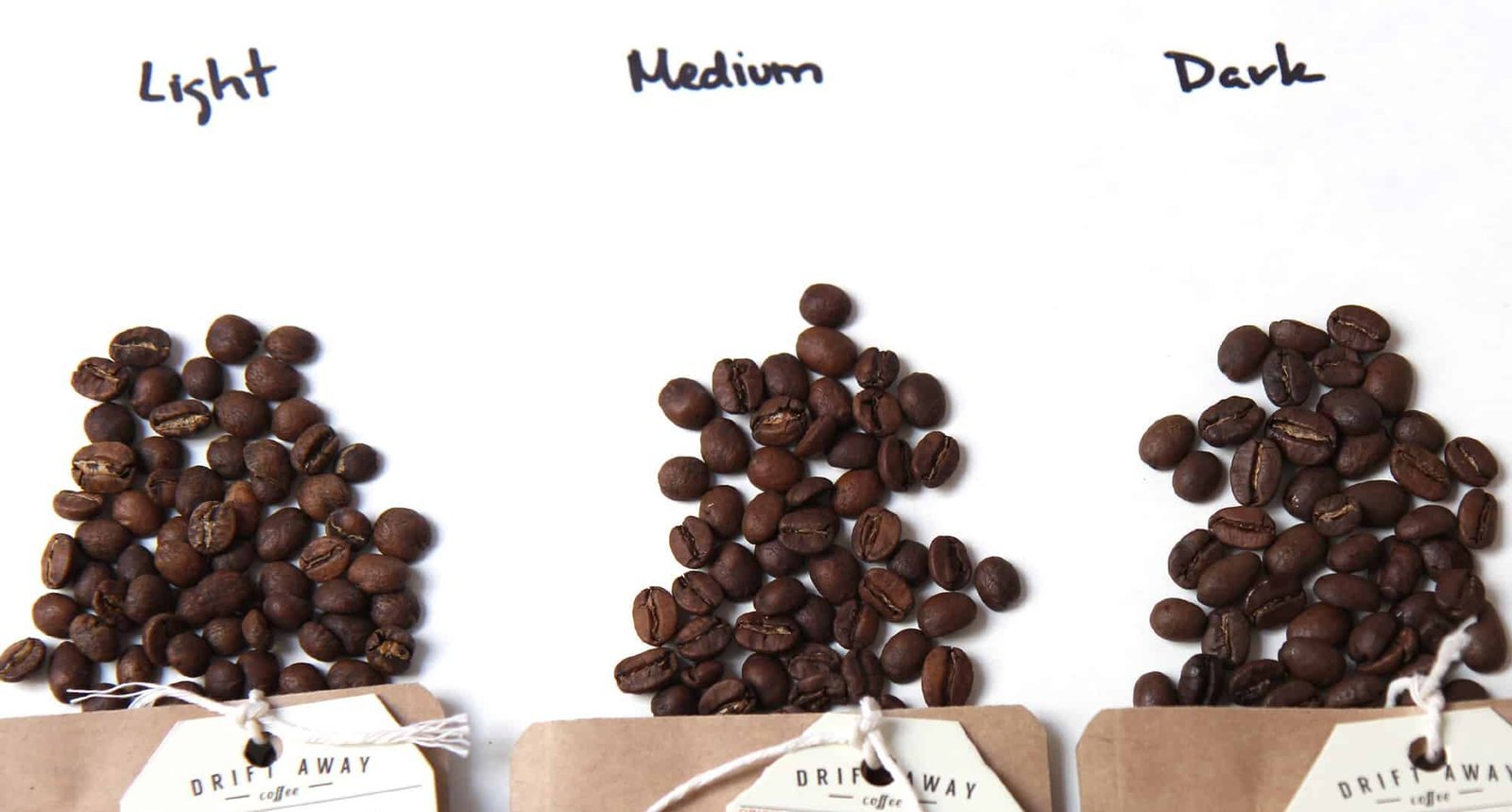
The answer to what is difference between dark and medium roast coffee lies in the heating time, which changes flavor, acidity, and body. Medium roasts reach 410°F–430°F, while dark roasts reach 440°F–450°F.
What is difference between dark and medium roast coffee
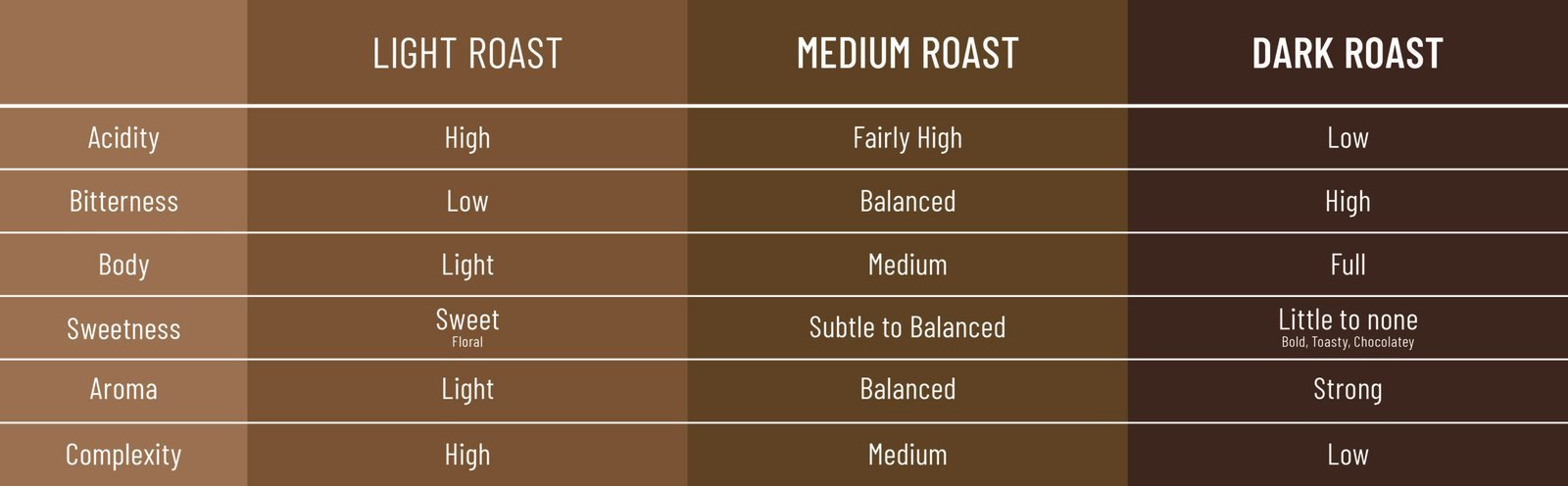
- Medium roasts retain more of the bean’s original origin flavors and higher natural acidity.
- Dark roasts have lower acidity and a heavier body, often tasting of chocolate or smoke.
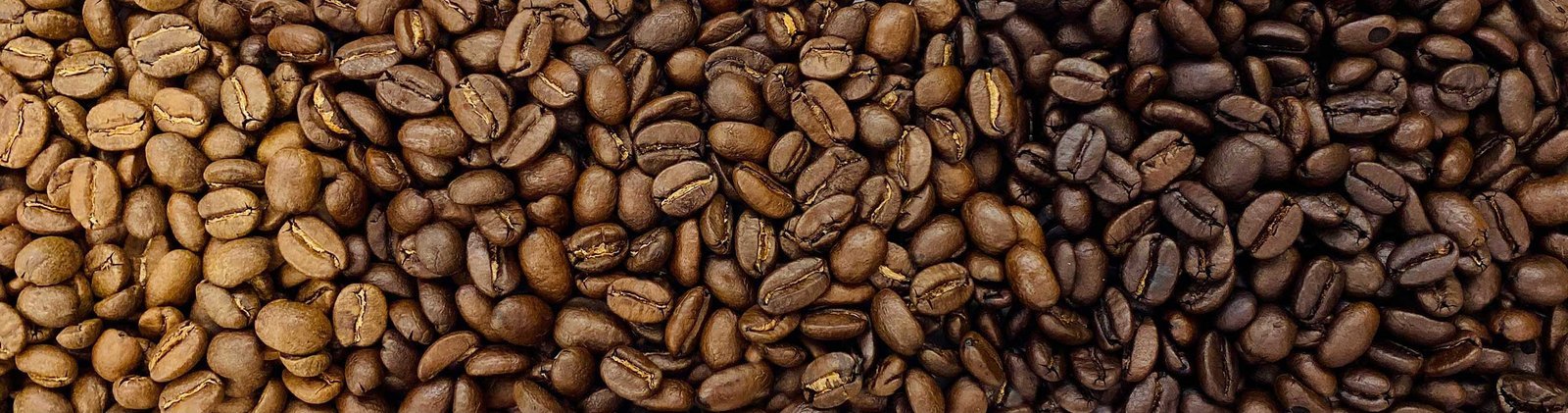
- Medium roasts typically appear light brown without oil on the surface of the bean.
- Dark roasts appear deep brown or black with a visible, shiny layer of surface oil.
- The roast profile is determined by the combination of time and the internal temperature of the bean.
- If you prefer a bright, fruity cup, choose medium; if you prefer a bold, bitter cup, choose dark.
Why roast levels change the flavor
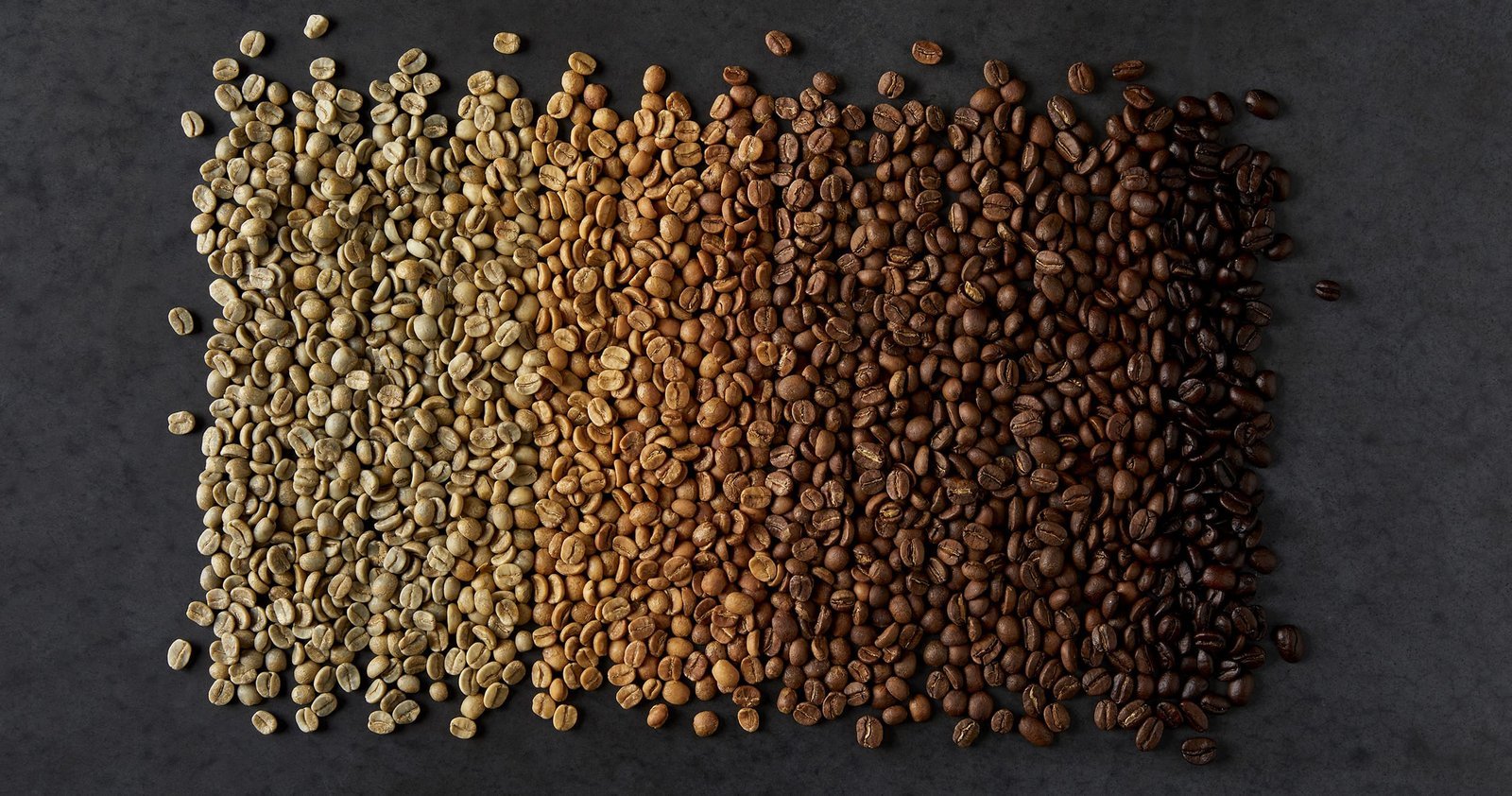
Roasting beans is a chemical process that transforms raw green seeds into aromatic coffee. Heat causes the sugars and amino acids in the bean to react, a process known as the Maillard reaction. This reaction creates the complex flavors we associate with coffee. Medium roasts stop before the bean’s oils rise to the surface, preserving the subtle, acidic notes that represent the specific farm or region where the coffee grew.
In contrast, dark roasts push the beans into the “second crack” stage. The heat breaks down the bean’s cellular structure, forcing oils to the surface and burning off the delicate origin flavors. This results in a heavy, intense flavor profile where the roast character—often described as smoky or charred—dominates the cup. According to the National Coffee Association, the roasting process is the final step in developing the flavor potential of the coffee bean before it reaches the consumer.
When the answer is different
| Situation | What changes | What to do instead |
|---|---|---|
| Light roast | Higher acidity | Use a finer grind |
| Dark roast | Lower caffeine density | Measure by weight |
| Freshly roasted | CO2 release | Let beans rest |
| Fine grind | Extraction speed | Decrease brew time |
How to do it properly
- Measure your beans using a digital scale; use 20 grams of coffee for every 300 milliliters of water for a standard strength.
- Grind the beans just before brewing to ensure the volatile oils remain inside the grounds; a medium-fine setting works best for drip.
- Heat your water to between 195°F and 205°F, as this range extracts the most balanced flavor from both dark and medium roasts.
- Pour a small amount of water over the grounds to let them bloom for 30 seconds, which helps release trapped carbon dioxide gas.
- Pour the remaining water in slow, circular motions, ensuring all grounds are saturated evenly to prevent bitter or sour flavor spots.
- Finish the brew within 4 minutes total contact time; if the coffee tastes bitter, shorten the time or coarsen the grind size.
The mistakes that ruin it
- Storing beans in an airtight container in the freezer preserves freshness, provided you avoid repeated thawing and condensation.
- Using boiling water (212°F) on dark roast often extracts harsh, burnt flavors that make the cup difficult to drink.
- Buying pre-ground coffee allows oxygen to strip the flavor compounds, leaving you with a stale, flat-tasting drink within days.
- Ignoring the roast date on the bag means you might be brewing beans that are already past their peak freshness.
Frequently asked questions
Does dark roast have more caffeine?
No, dark roast has slightly less caffeine by volume than medium roast because the roasting process expands the bean. If you measure by weight, the difference is negligible, but by scoop, a medium roast will provide a stronger caffeine kick.
Is medium roast better for your stomach?
Medium roast is generally more acidic than dark roast, which can trigger heartburn for sensitive drinkers. If you have stomach issues, a dark roast may be easier to digest because the roasting process creates N-methylpyridinium, a compound that helps inhibit stomach acid production.
Can you mix dark and medium roasts?
Yes, many coffee drinkers blend them to create a custom flavor profile that balances acidity with body. This is a common practice to achieve a specific taste that neither roast provides on its own when brewed separately.
How long does coffee stay fresh?
Coffee beans are best consumed within 2 to 4 weeks of their roast date, regardless of the roast level. Check the bag label for the “roasted on” date; if it’s missing, the coffee is likely already stale.
Is dark roast stronger than medium?
Dark roast tastes stronger due to its bold, smoky flavor, but this is a sensory illusion rather than a measure of caffeine. The strength you perceive is simply the intensity of the roasted notes, not the chemical content.
Why does my coffee taste like ash?
Your coffee tastes like ash because the dark roast beans were likely over-roasted or the brewing water was too hot. Try lowering your water temperature by 5 degrees or switching to a medium roast for a cleaner taste.
Final Thoughts
Choosing between these two styles ultimately comes down to your personal taste. If you prefer a bright, lively cup, go with medium; for something bold and smoky, pick dark. You shouldn’t be afraid to experiment with different beans, so grab a small bag of each and see which one you’ll enjoy more tomorrow morning.