
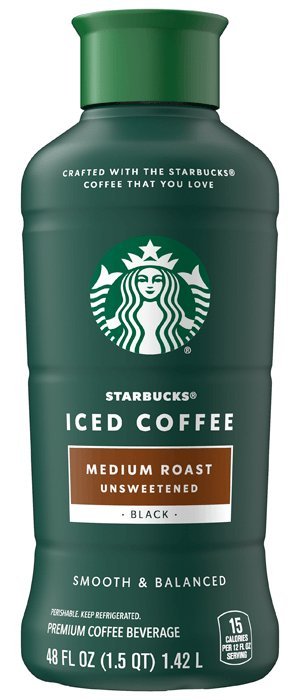
If you are wondering how many calories in medium roast coffee there are, a standard eight-ounce black cup contains about two. This low energy count applies only to plain brewed grounds; adding milk, sugar, or syrups changes the math significantly for every serving.
How many calories in medium roast coffee
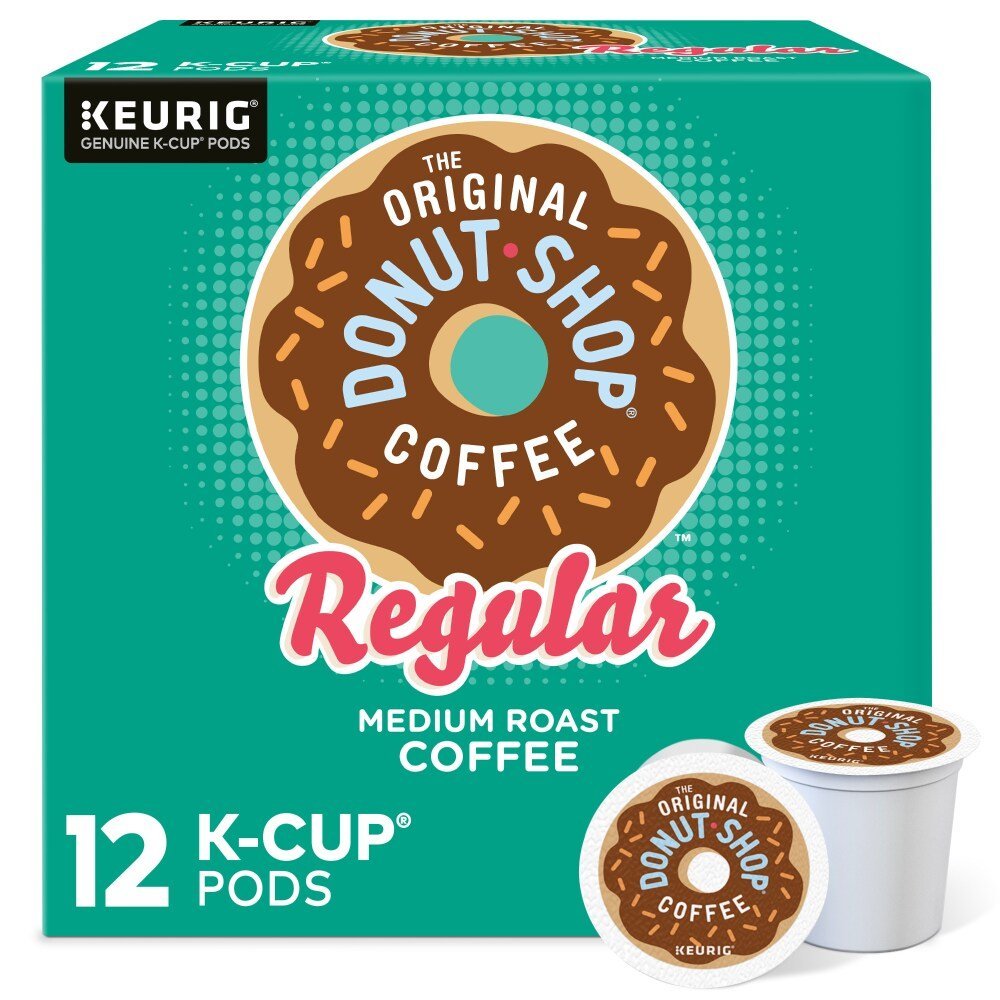
- A standard eight-ounce cup of black coffee contains about two calories.
- Adding one tablespoon of half-and-half increases the count by 20 calories.
- One teaspoon of granulated white sugar adds exactly 16 calories to the drink.
- If you use flavored liquid creamers, expect 35 to 50 calories per tablespoon.
- Brewing with a paper filter removes some oils, slightly lowering the calorie count.
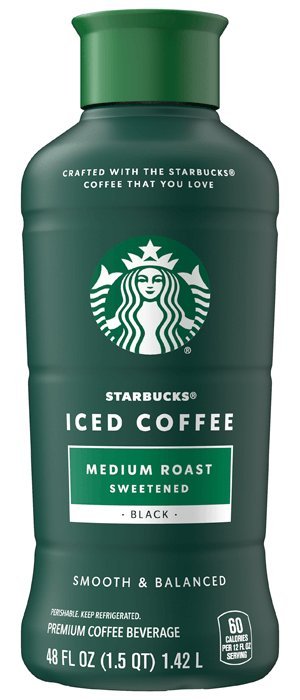
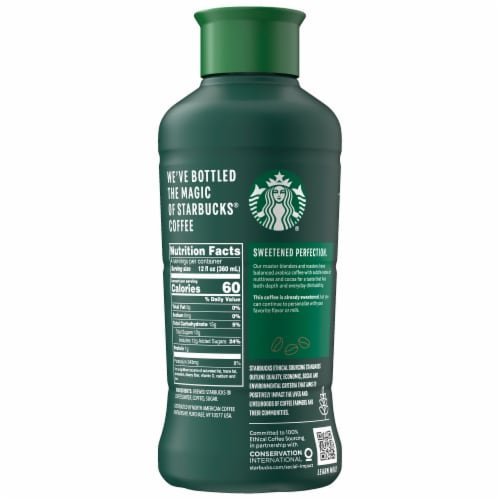
- Always check the nutrition label on bottled coffee drinks, as these contain added sweeteners.
Why roast level doesn’t change energy
The amount of energy in your cup comes primarily from the natural oils and soluble plant solids extracted from the beans during brewing. While roasting beans to a medium level develops complex flavors, it doesn’t significantly alter the caloric content compared to light or dark roasts. The heat simply evaporates moisture and breaks down compounds, but the fundamental structure of the coffee bean remains mostly intact. If you seek precise nutritional data for specific preparations, the USDA FoodData Central database provides detailed breakdowns of coffee components. Most of the energy in a cup of coffee is negligible unless you introduce external ingredients. If you prefer a stronger body or more oils in your drink, you might notice a tiny increase in density, but this doesn’t translate into a meaningful change in your daily caloric intake.
When the answer is different
| Situation | What changes | What to do instead |
|---|---|---|
| Adding whole milk | Adds 9 calories | Measure by the tablespoon |
| Using flavored syrup | Adds 50 calories | Use half the amount |
| Large 16oz serving | Doubles the base | Count as four calories |
| Espresso shot | High concentration | Count as three calories |
| Cold brew method | Higher bean ratio | Use less coffee grounds |
How to do it properly
- Measure exactly eight ounces of cold, filtered water using a standard liquid measuring cup to ensure accurate brewing ratios for your coffee.
- Add two tablespoons of medium roast coffee grounds to your filter, which is the industry standard for a single cup of coffee.
- Heat your water to between 195°F and 205°F, as this temperature range extracts the most flavor without burning the coffee bean oils.
- Pour the water over the grounds slowly, allowing the coffee to bloom for 30 seconds before finishing the pour into your mug.
- Check the color of the liquid; it should appear rich and brown, indicating proper extraction of the soluble solids from the grounds.
- Serve the coffee immediately while hot to maintain the intended flavor profile, avoiding the need for extra sweeteners or creamers later.
The mistakes that ruin it
- Pouring creamer directly from the bottle often leads to using three times the intended amount, adding 60 extra calories.
- Adding sugar without measuring causes hidden calorie spikes, as a “heaping” spoonful can contain double the standard 16 calories.
- Ignoring the size of your mug results in drinking 16 or 20 ounces, which effectively doubles or triples your caloric intake.
- Buying pre-made “coffeehouse” blends often hides high sugar content, adding hundreds of calories that aren’t in plain coffee.
Frequently asked questions
Does black coffee have zero calories?
No, black coffee isn’t zero calories, as it contains trace amounts of proteins and carbohydrates. It usually holds about two calories per eight-ounce cup, which is low enough that most people treat it as negligible for daily tracking.
Is there a difference between light and medium roast?
There’s no meaningful difference in calories between roast levels. While the roasting process changes the bean’s density and flavor, the amount of extractable solids remains nearly identical across all standard roast profiles when brewed with the same ratio.
How many calories are in a latte?
A standard latte contains between 100 and 200 calories depending on the milk choice. This total is based on the volume of milk used, as the coffee itself contributes almost nothing to the final energy count of the drink.
Does the brewing method change the calories?
The brewing method has a very small impact on the final calorie count. Methods like French press keep more natural oils in the cup compared to paper-filtered drip coffee, but the difference is so small it isn’t worth tracking.
Can I drink coffee while fasting?
Yes, you can usually drink plain black coffee while fasting because the calorie count is extremely low. Most experts agree that two calories won’t trigger an insulin response or break a standard fast for most individuals.
Does decaf coffee have more calories?
No, decaf coffee has the same number of calories as regular coffee. The decaffeination process removes caffeine but doesn’t add any energy-dense compounds, meaning the calorie count stays at about two per cup.
Final Thoughts
If you’re watching your intake, try experimenting with a dash of cinnamon or a splash of almond milk instead of heavy cream. You’ll find that these simple swaps keep your morning ritual light while adding a touch of flavor you’ll really enjoy. It’s a great way to keep your routine healthy.
Related guides