
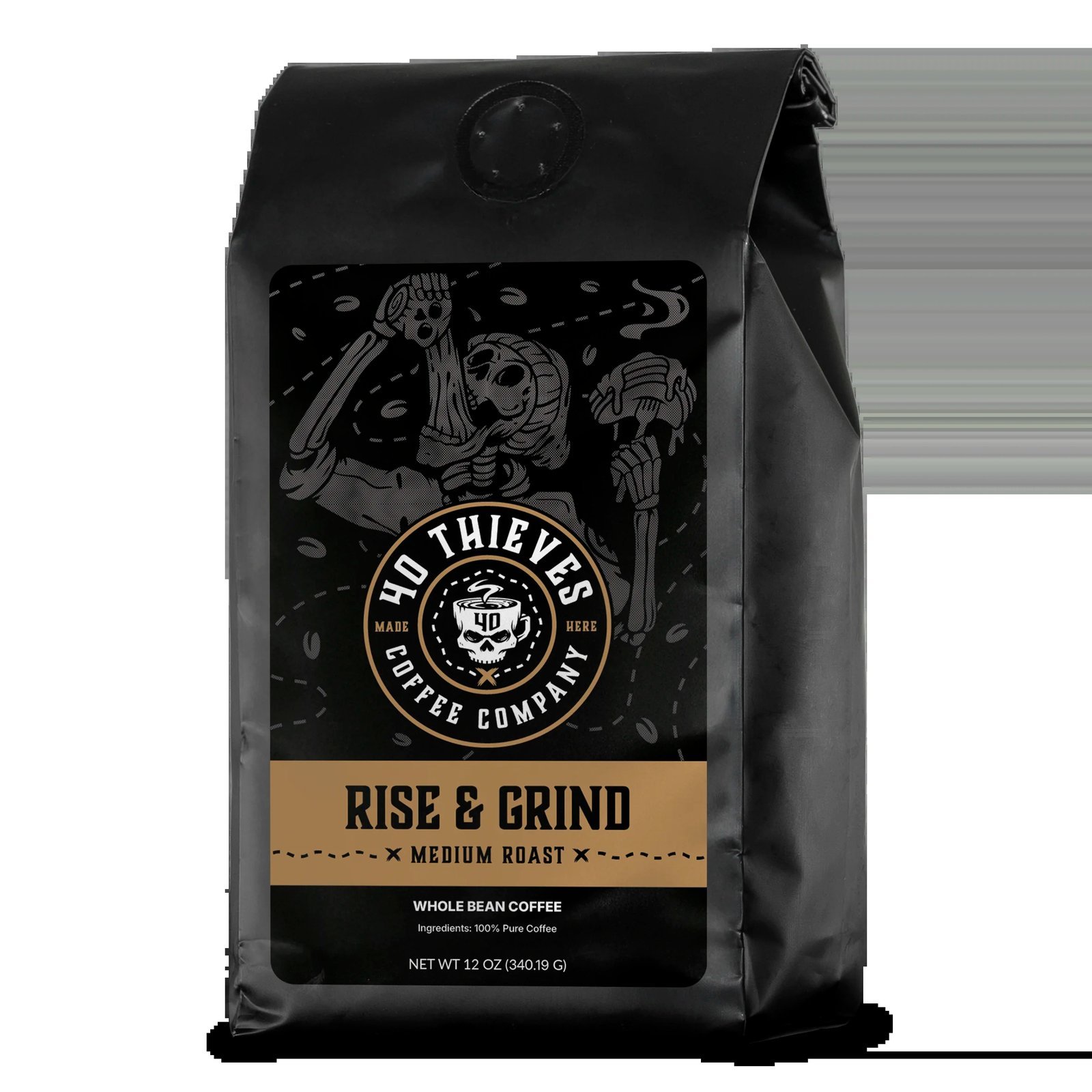
To learn how to grind medium roast coffee, use a burr grinder set to a medium-coarse texture. This balances sweetness and acidity, making it ideal for drip brewers and pour-overs that require a 4-minute extraction.
Equipment for grinding medium roast coffee
- Burr Grinder: A burr mill creates even particles, while blade grinders chop unevenly, leading to bitter or sour cups.
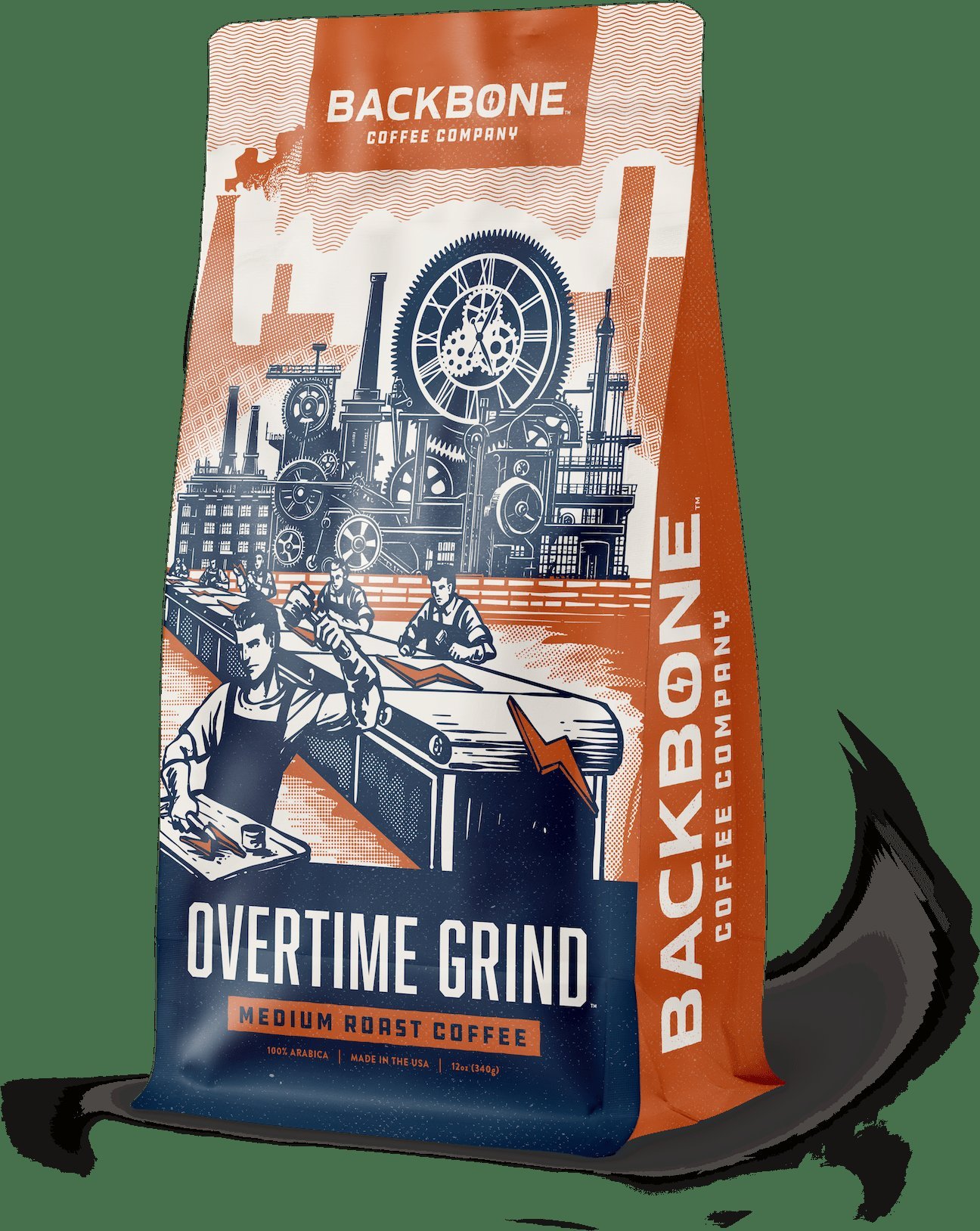
- Whole Bean Coffee: Use fresh medium roast beans stored in an airtight container away from direct sunlight.
- Digital Scale: Measuring by weight provides consistency that scoops can’t match.
- Filtered Water: Since coffee is mostly water, quality matters.
- Brewing Device: Ensure your carafe or dripper is clean and ready.
If you lack a burr grinder, a high-quality manual hand-crank mill is a cheaper, effective alternative. Avoid using food processors; they can’t produce the uniform particle size needed for a balanced brew.
Step-by-step
- Measure your beans: Weigh out 20 grams of coffee for every 300 milliliters of water. This ratio creates a standard strength; adjust by 2 grams if you prefer a bolder or milder cup.
- Adjust your grind size: Set your burr grinder to the medium-coarse position. If you use a standard drip machine, the texture should feel like coarse sea salt.
- Clear the chute: Run the grinder for 3 seconds before adding your beans to remove old grounds that might taste stale or bitter.
- Grind the beans: Pour your measured beans into the hopper and grind until the machine is empty.
- Check the consistency: Look for uniform, sand-like particles. If you see large chunks, tighten the burrs; if the coffee looks like fine flour, loosen them.
- Use immediately: Ground coffee loses flavor quickly due to oxidation. According to the National Coffee Association, you should brew your beans within minutes of grinding to capture the best aroma and taste.
Tip: If your coffee tastes sour, your grind is likely too coarse. Careful: Don’t grind too much coffee at once; heat from the motor can change the bean’s oil structure.
How to grind medium roast coffee by method
| Brewing Method | Grind Texture | Extraction Time | Watch For |
|---|---|---|---|
| French Press | Coarse | 4 Minutes | Floating grounds |
| Pour-Over | Medium-Coarse | 3 Minutes | Slow drip speed |
| Drip Machine | Medium | 4 Minutes | Even saturation |
| AeroPress | Medium-Fine | 2 Minutes | Resistance on plunge |
It’s always safer to start with a medium grind and adjust finer or coarser based on your taste.
How to tell you did it right
A good result has a sweet, balanced flavor with a clean finish. A poor result often tastes watery or sour if the grind is too coarse, or harsh and bitter if it’s too fine. This happens because extraction rates depend on surface area; finer particles release oils faster than larger ones. You can prevent these issues by using a consistent weight-to-water ratio and ensuring your grinder is calibrated correctly. If you notice the extraction time is too long, it’s usually because the grounds are too fine, which clogs the filter.
Coffee storage and handling
Follow the standard practice of keeping your beans in an opaque, airtight container at room temperature. The FDA notes that maintaining proper storage conditions prevents moisture damage, which can lead to mold growth in dry goods. After grinding, wipe down your grinder’s burrs with a dry brush to remove oils. Clean equipment regularly to keep your coffee tasting fresh. If you’re unsure about your specific grinder’s maintenance, check the manufacturer’s manual, as some high-end units require professional servicing.
Other ways to do it
Manual Hand Grinding
This method uses a hand-cranked burr mill. It takes more physical effort and about 3 minutes to grind a single dose, but it’s quiet, portable, and avoids the heat buildup of electric motors.
Pre-ground Coffee
Buying pre-ground beans saves time but sacrifices freshness. It’s convenient for busy mornings, though the flavor profile will fade within days of opening the bag regardless of how you store it.
Coffee Shop Grinding
Many local roasters will grind your beans for you at the time of purchase. Ask them to set it for your specific brewer; this ensures a perfect grind but requires you to brew within 24 hours.
Frequently asked questions
Can I use a blender to grind coffee?
No, a blender will result in an uneven mix of dust and large chunks. This inconsistency makes it impossible to achieve a balanced extraction, as the fine particles over-extract and the large ones remain under-extracted.
Why does my coffee taste bitter?
It’s likely that your grind is too fine or your water is too hot. Try adjusting your grinder to a coarser setting or letting the water sit for 30 seconds after boiling before you pour.
How long does ground coffee stay fresh?
After this, the volatile oils that provide aroma and flavor begin to evaporate, leading to a flat, dull cup that lacks the complexity of freshly ground beans.
Is it safe to grind coffee in advance?
Yes, it’s safe, but it isn’t recommended for flavor quality. If you must grind in advance, store the grounds in an airtight, opaque container in a cool, dark place to slow down the loss of flavor.
What happens if the grind is too coarse?
Your coffee will taste weak, sour, or watery. This occurs because the water flows through the large particles too quickly, failing to extract the necessary oils and sugars required for a full-bodied cup of coffee.
Final Thoughts
Once you have your grounds ready, pay attention to the aroma as the hot water hits the coffee bed. If the cup tastes a little sour, try adjusting your setting slightly finer next time. You’ll soon find the perfect balance that makes your morning routine feel like a real treat.
Related guides