
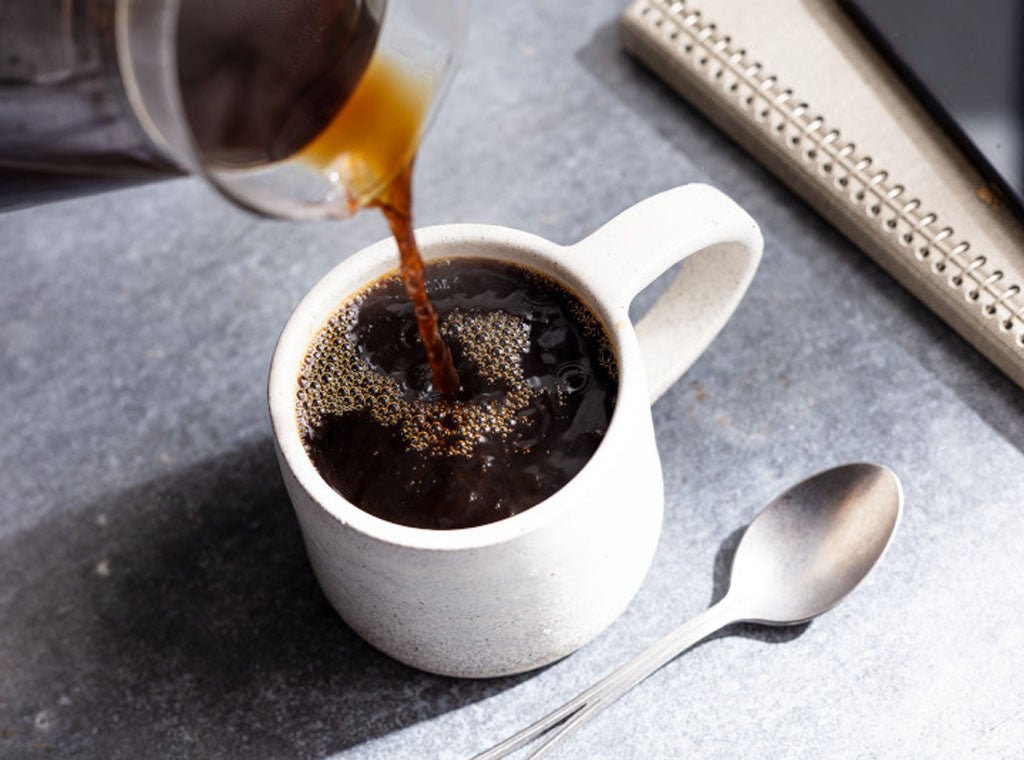
If you are wondering how much caffeine in a cup of medium roast coffee, it is usually between 95 and 200 milligrams, depending on the brewing method and bean variety.
Coffee strength fluctuates based on the ratio of grounds to water. The most common mistake is using a kitchen scale for beans but relying on scoops for water, which creates inconsistent results. If you want a specific caffeine level, always measure both your grounds and your water by weight.
How much caffeine in a cup of medium roast coffee

- Weigh 15 grams of medium roast coffee beans for every 250 grams of water.
- Grind your beans to a medium-coarse texture, which looks like sea salt, to ensure even extraction.
- Heat your water to between 195°F and 205°F, as the National Coffee Association notes this range prevents both sour and bitter flavors.
- Pour just enough water to wet the grounds and wait 30 seconds for the bloom.
- Add the remaining water slowly in a circular motion to maintain a steady temperature.
- Strain the liquid immediately after the total brew time reaches four minutes to stop the process.
Tip: If you find the coffee tastes too weak, don’t add more water; decrease the water-to-coffee ratio instead.
How long it takes
The total time depends on your chosen equipment and the grind size of your beans.
| Situation | How long | What changes it | What to watch for |
|---|---|---|---|
| Pour-over | 3–4 minutes | Filter thickness | Flow rate |
| French press | 4 minutes | Water temperature | Sediment |
| Drip machine | 5–8 minutes | Machine wattage | Heating element |
If your brew takes significantly longer than the times listed, your grind is likely too fine, which clogs the filter and increases bitterness.
How to tell when it’s done
You can confirm the coffee is finished by observing the flow and the bed of grounds. In a pour-over, the water should finish dripping through the filter within the expected time window. A flat, even bed of grounds at the bottom of your brewer indicates an even extraction. If the grounds look muddy or uneven, your grind size was inconsistent.
Mistakes that ruin it
- Using boiling water: This scorches the coffee oils and creates an overly bitter taste.
- Ignoring the ratio: Guessing the amount of coffee leads to unpredictable caffeine levels. Always use a digital scale to measure both your beans and your water.
- Stale beans: Using beans roasted more than four weeks ago results in a flat, dull flavor profile. Store your beans in an airtight container away from light.
Frequently asked questions
Can I get more caffeine by using more coffee?
Yes, increasing the amount of grounds per cup directly raises the caffeine concentration. If you use 20 grams instead of 15 grams, you’ll extract more caffeine into your final cup.
How long does caffeine stay in my system?
Most people feel the effects for three to five hours, though this varies by individual metabolism. The caffeine level in your blood typically peaks about 45 minutes after consumption.
Is it safe to drink coffee on an empty stomach?
Yes, it’s generally safe for most people, but it may cause acidity or discomfort for those with sensitive stomachs. If you feel jittery, try eating a light snack.
Why does my coffee taste sour?
It tastes sour because the coffee is under-extracted, meaning the water moved through the grounds too quickly. Try a finer grind setting or increase your total brew time slightly.
What happens if I use water that’s too cold?
Using water below 195°F results in weak, sour coffee because it can’t pull enough flavor from the grounds. Ensure your water is hot enough to properly dissolve the solids.
Final Thoughts
If you’re sensitive to jitters, try tracking how you feel after your morning mug for a few days. You’ll quickly learn what’s right for your body and discover the perfect balance for your daily routine. Don’t be afraid to experiment with different brewing times until you find your ideal, steady energy boost.
Related guides