
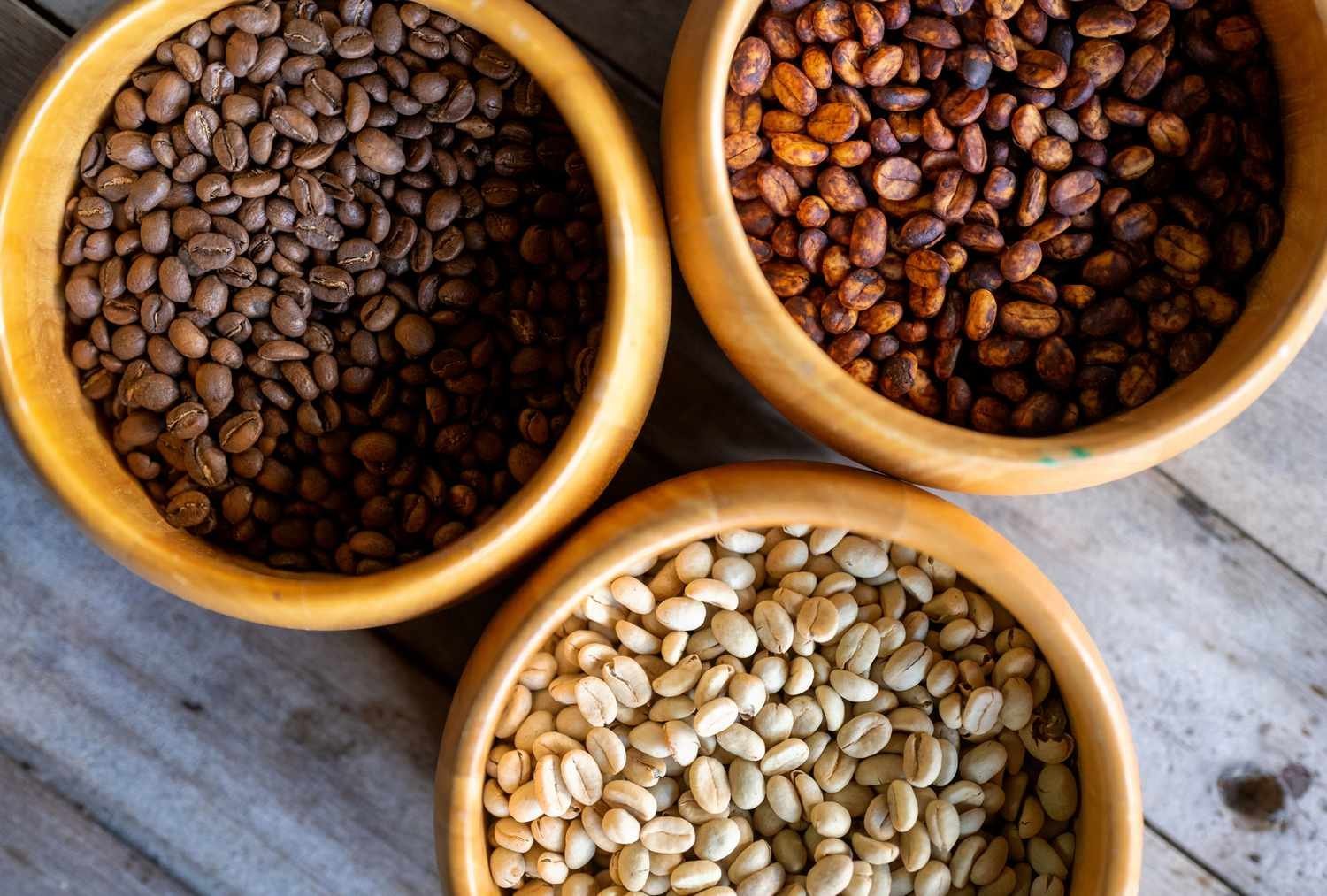
Is medium roast coffee healthy? Yes, it is, because it contains high levels of antioxidants like chlorogenic acid that help reduce inflammation in the body. Research from the Harvard T.H. Chan School of Public Health indicates that moderate consumption is associated with a lower risk of several chronic diseases.
You might wonder, is medium roast coffee healthy? It is a complex beverage that balances natural compounds better than dark roasts while avoiding the acidity of light roasts. If you have high blood pressure, limit your intake to two cups daily; if you are sensitive to caffeine, choose decaf to get the antioxidants without the jitters. The most common mistake is adding too much sugar or cream, which turns a healthy drink into a dessert that offsets the benefits.
Is medium roast coffee healthy?
- Weigh 20 grams of medium roast coffee beans for every 300 milliliters of filtered water to maintain a consistent strength.
- Grind your beans to a medium-coarse consistency, similar to sea salt, just before brewing to keep the oils fresh.
- Heat your water to between 195°F and 205°F for optimal extraction.
- Pour the water slowly over the grounds in a circular motion, ensuring all grounds are soaked evenly for a balanced extraction.
- Let the coffee bloom for 30 seconds before finishing the pour to allow gases to escape for a better flavor profile. Tip: If your coffee tastes sour, use a finer grind or hotter water next time. Tip: If it tastes bitter, use a coarser grind or slightly cooler water to reduce the extraction rate.
Brewing time variations
The time it takes to prepare your coffee depends on the equipment you use. These times assume a standard 10-ounce serving.
| Method | Brewing Time | What changes it | What to watch for |
|---|---|---|---|
| French Press | 4 minutes | Grind size | Sediment in cup |
| Pour Over | 3 minutes | Pour speed | Flow rate |
| Drip Machine | 5-7 minutes | Machine power | Water temp |
| Cold Brew | 12-24 hours | Room temp | Strength intensity |
If your brew takes significantly longer than these times, your grind is likely too fine and is clogging the filter.
Identifying quality and freshness
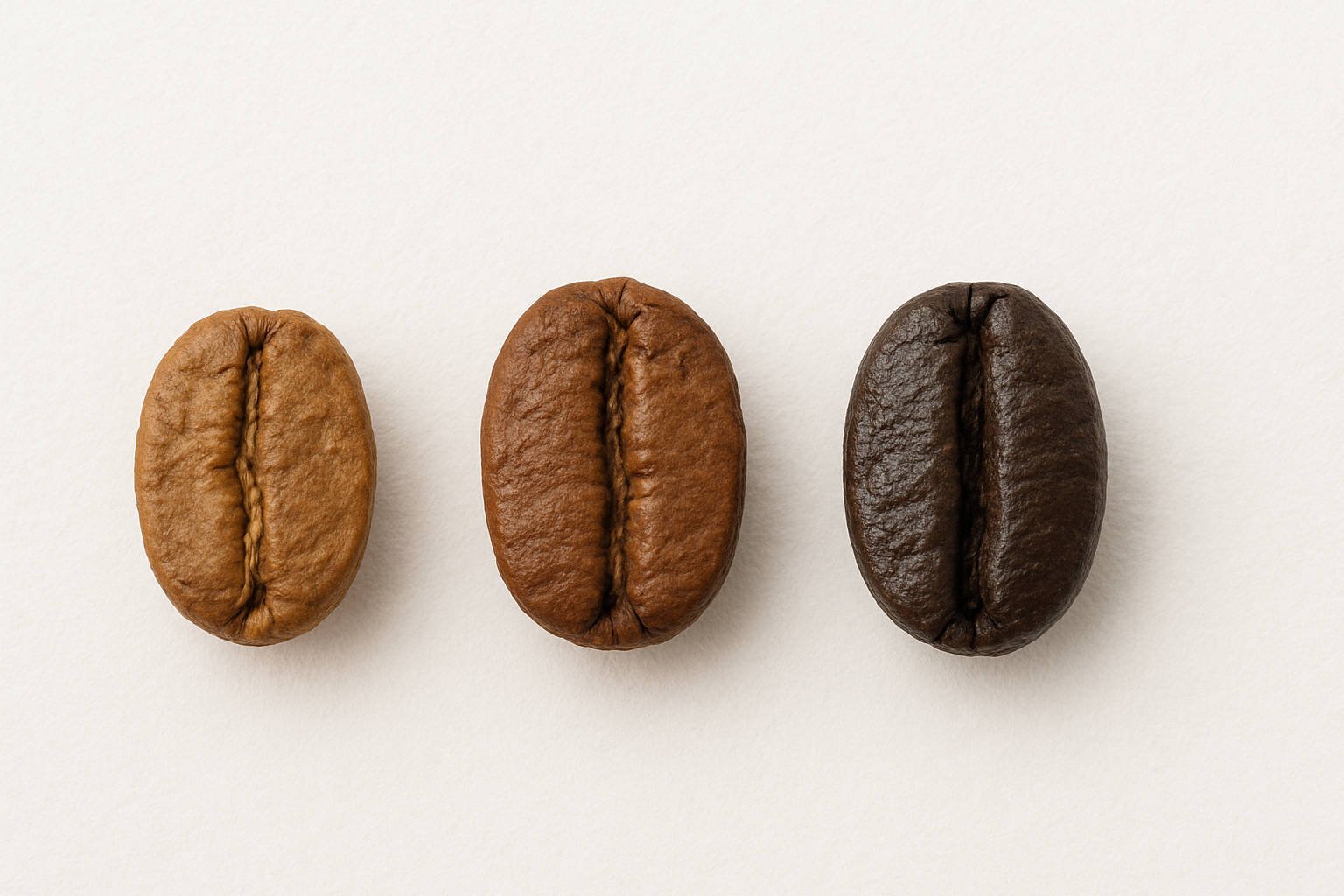
You can tell if your coffee is fresh by the smell and the appearance of the beans. Freshly roasted medium beans should have a matte finish with a balanced, nutty, or cocoa-like aroma. If the beans look oily or smell like burnt charcoal, they have been roasted too long. If they smell stale or like cardboard, they have likely been stored in an open container for more than two weeks. The best test for quality is the “bloom” during the first pour; fresh coffee will bubble and rise quickly, while old, stale coffee will remain flat.
Mistakes that ruin it
- Storing in the freezer: The moisture in a freezer can cause condensation on the beans, which ruins the flavor and makes them go stale faster; keep your beans in an airtight container in a dark, cool cupboard instead.
- Using tap water with high chlorine: Water makes up about 98% of your cup, so using water with strong odors will mask the natural notes of the coffee; use a charcoal filter or bottled water for a cleaner taste.
- Reheating old coffee: Once brewed, coffee starts to oxidize and lose its flavor profile within 30 minutes; if you can’t drink it immediately, pour it into an insulated thermal carafe to keep it hot without cooking it on a burner.
Frequently asked questions
Can I drink coffee if I have stomach issues?
Yes, but you should try a cold brew method or a dark roast, as these are often lower in acidity than medium roasts. If you still feel discomfort, it’s best to drink your coffee with a small amount of food to buffer the effects of the caffeine and acids.
How much caffeine is in a medium roast cup?
A standard 8-ounce cup of medium roast typically contains about 95 milligrams of caffeine. This varies depending on the specific bean origin and how much coffee you use per cup, so check the label on your specific bag for more accurate data on the caffeine content.
Is it safe to drink coffee every day?
Yes, most adults can safely consume up to 400 milligrams of caffeine per day, which equals about four 8-ounce cups of coffee. If you feel heart palpitations, anxiety, or sleep trouble, you should reduce your daily intake immediately to see if these symptoms subside.
What happens if I drink coffee on an empty stomach?
Drinking coffee on an empty stomach can increase stomach acid production, which might lead to heartburn or indigestion for some people. If you notice these symptoms, it’s better to consume your coffee alongside a meal or a snack to protect your digestive lining.
How long does ground coffee stay fresh?
Ground coffee begins to lose its peak quality shortly after grinding due to oxidation. To keep it as fresh as possible, grind only what you need for each serving and store the remaining whole beans in an opaque, airtight container away from direct sunlight.
Final Thoughts
Enjoying your daily cup is a simple way to support your well-being, provided you keep the extras to a minimum. Why not try brewing a fresh batch tomorrow without any added sweeteners? You’ll likely find that you don’t need the sugar once you’re used to the natural, rich flavors of the bean.
Related guides