
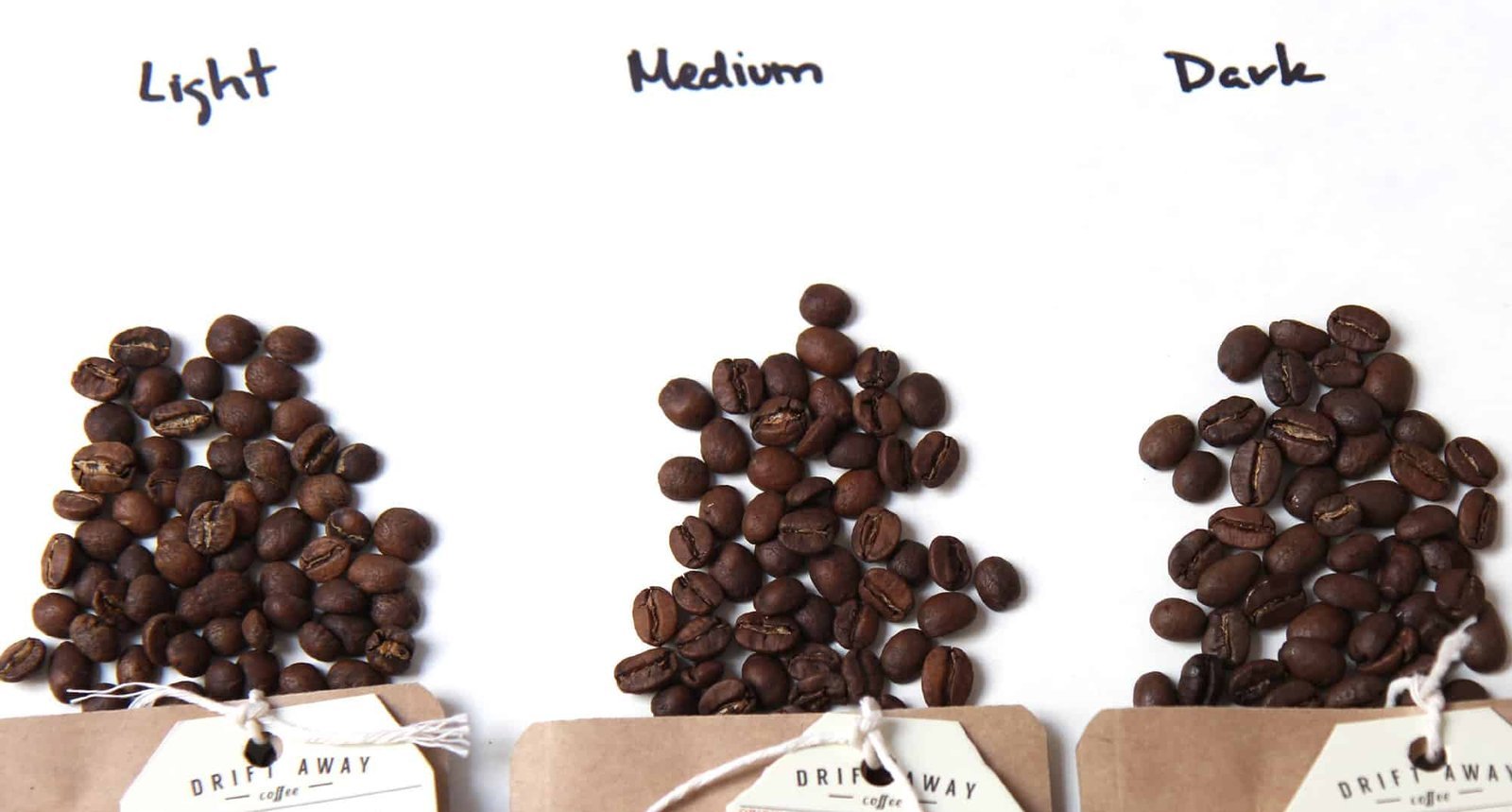
When asking what is the difference between light and medium roast coffee, the answer lies in the roasting time, which dictates flavor and acidity; light roasts keep more original bean traits, while medium roasts develop balanced, caramelized sugars.
Light roasts are removed from heat shortly after the “first crack” occurs, keeping the bean’s natural, often acidic or fruity, notes intact. Medium roasts stay in the heat longer until the surface becomes dry and brown, which softens the acidity and adds a rounder, nuttier body. The biggest mistake is assuming caffeine levels change based on roast color; in reality, the caffeine content remains nearly identical by weight, though light roasts are slightly denser than their darker counterparts.
What is the difference between light and medium roast coffee?
- Measure your coffee using a scale for accuracy, aiming for 60 grams of coffee per 1 liter of water.
- Heat your water to a temperature between 195°F and 205°F, as noted by the National Coffee Association’s brewing guidelines, to ensure proper extraction without burning the grounds.
- Grind your beans immediately before brewing to prevent oxidation, which degrades the delicate aromatic compounds in light roasts faster than in darker ones.
- Pour the water over the grounds in a steady, circular motion to ensure all coffee is evenly saturated, which prevents “channeling” where water bypasses some grounds entirely.
- If you prefer a brighter, more acidic cup, choose a light roast; if you want a smoother, more chocolatey flavor, switch to a medium roast. Tip: Never use boiling water directly on the grounds, as it can over-extract the bitterness and ruin the nuanced notes of a light roast.
- Allow the coffee to bloom for 30 seconds by adding just enough water to wet the grounds before continuing the pour. Tip: If your coffee tastes sour, grind your beans finer next time to increase the contact time between water and coffee.
Brewing Time Variations
| Roast Type | Grind Size | Brew Time | Water Temp |
|---|---|---|---|
| Light | Medium-Fine | 3–4 mins | 205°F |
| Medium | Medium | 2–3 mins | 200°F |
| Dark | Coarse | 2 mins | 195°F |
If your brew takes significantly longer than the table suggests, your grind size is likely too fine, which slows down the water flow and leads to bitter over-extraction.
Identifying Roast Doneness
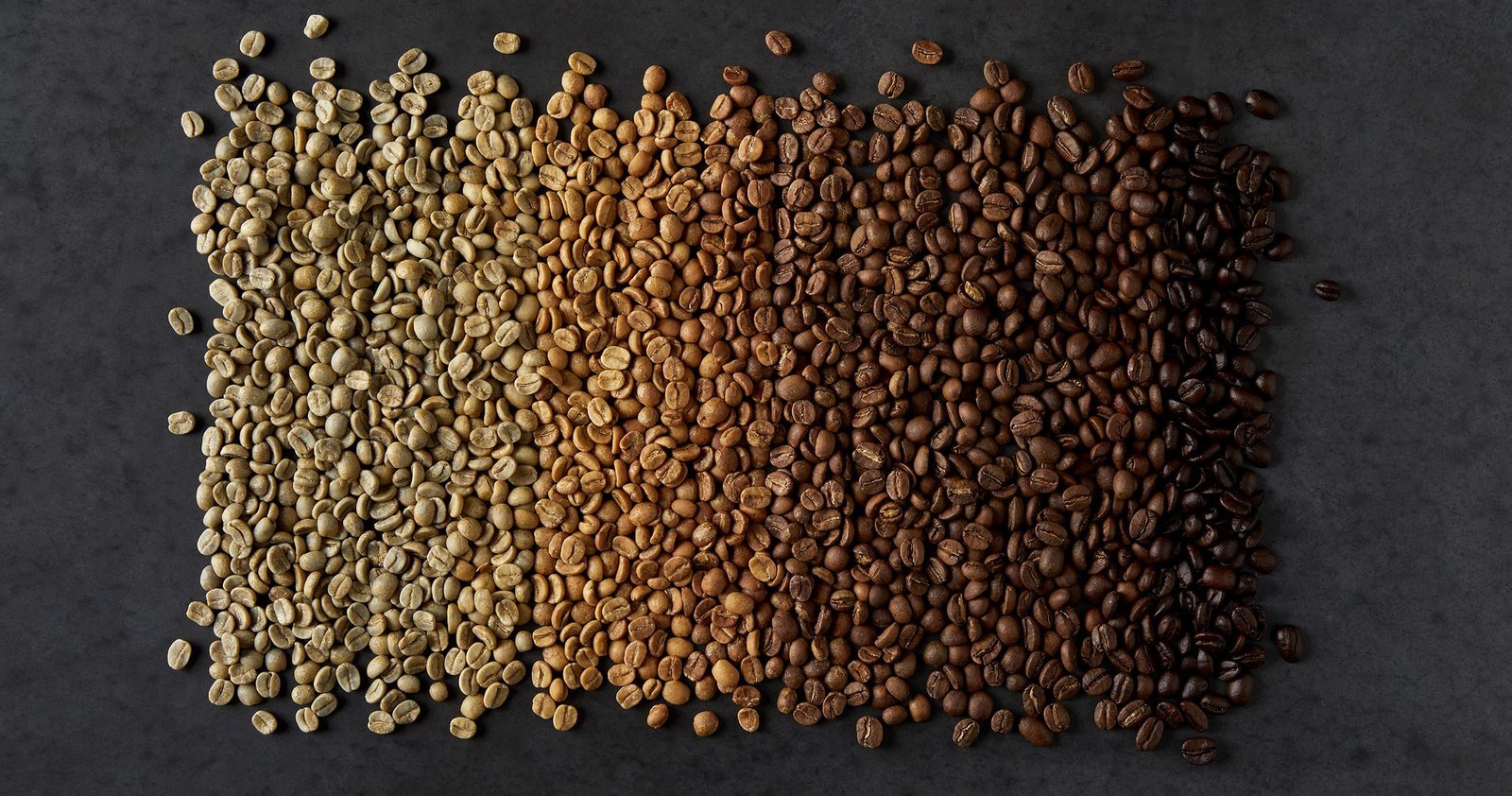
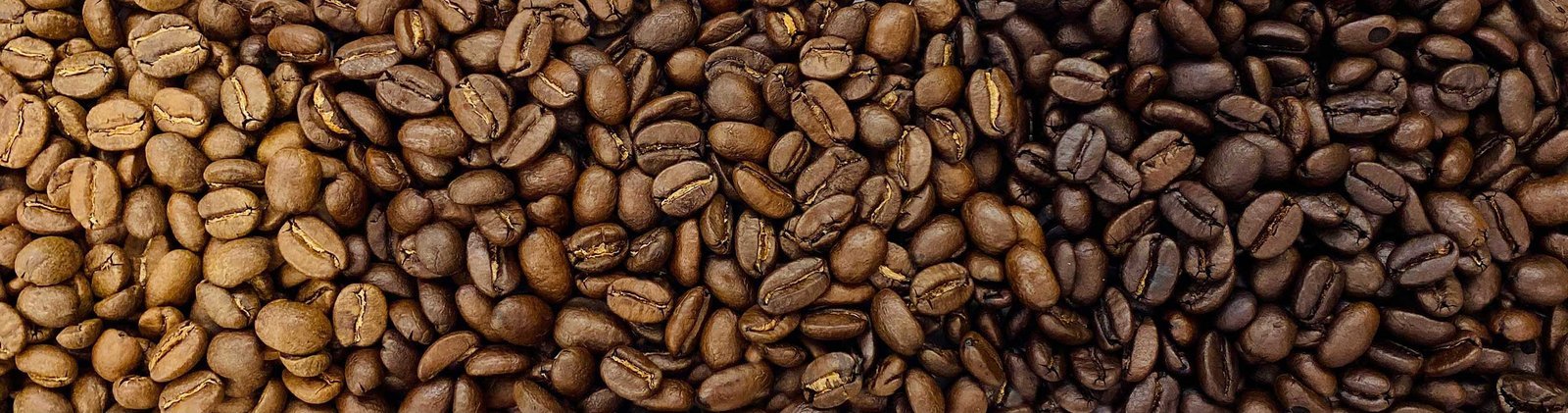
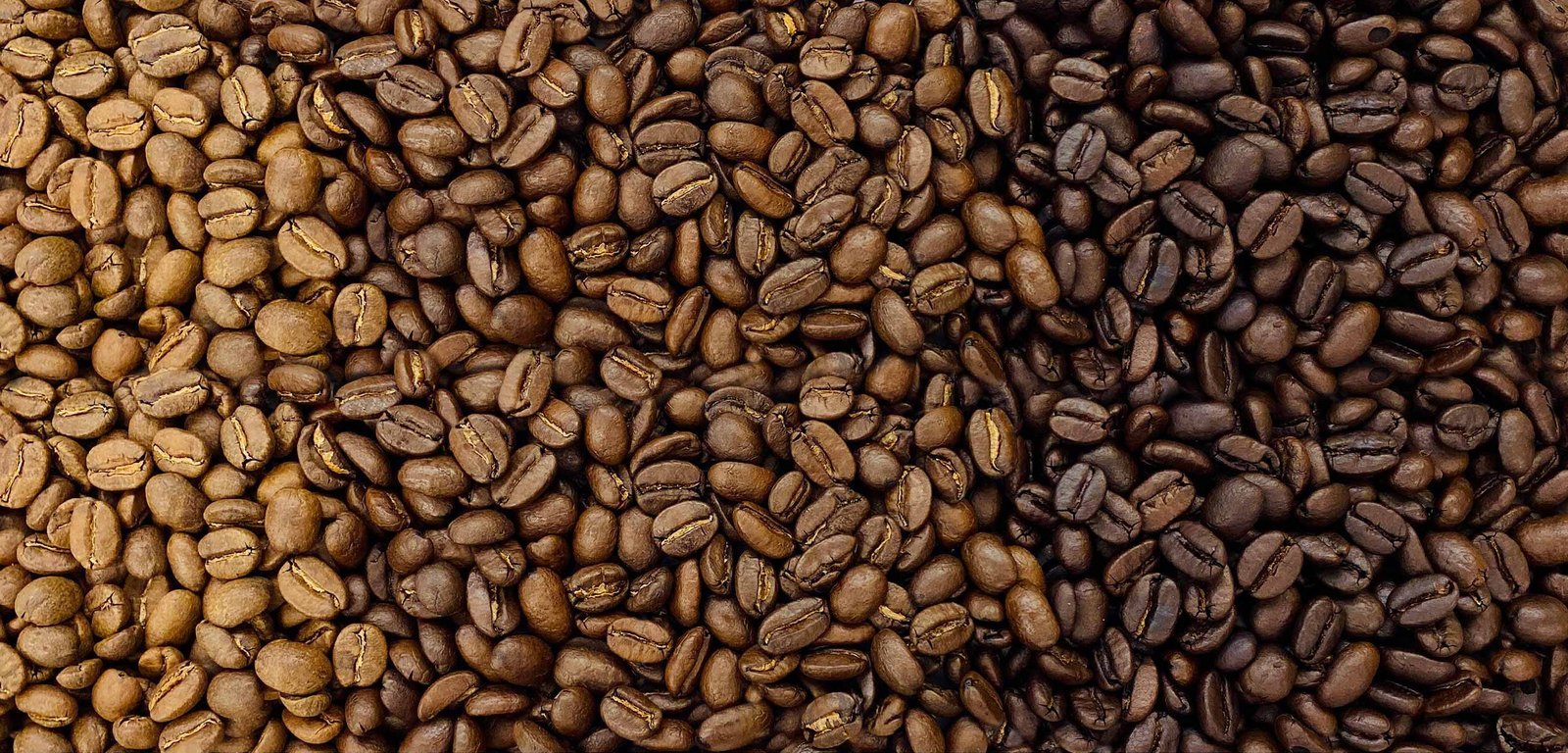
You can identify the roast level by looking at the surface and color of the bean. Light roast beans are light brown with a matte, dry surface, while medium roasts are a darker, richer brown and remain dry to the touch. When you smell them, a light roast will offer floral or citrus-like scents, whereas a medium roast smells of toasted grains or milk chocolate. If the beans have visible oils on the surface, they have moved past the medium roast stage into a dark roast profile. Always check the bag’s roast date, as fresh coffee provides the most consistent sensory experience regardless of the roast level.
Common Roasting Mistakes
- Storing beans in clear jars: Exposure to light and air causes the essential oils to go rancid, stripping the coffee of its complex flavors. Keep beans in an opaque, airtight container in a cool, dark cupboard.
- Buying pre-ground coffee: Once ground, coffee begins to lose its volatile aromatics, which can noticeably diminish the quality of the brew over time. Invest in a burr grinder to maintain the integrity of the bean until the moment of brewing.
- Using tap water with high chlorine: The taste of your water will overpower the delicate notes of a light roast, masking its acidity. Use filtered water to ensure the true character of the coffee shines through in your cup.
Frequently asked questions
Can light roast coffee cause more heartburn?
Yes, light roast coffee can cause more heartburn for some people because it retains more chlorogenic acids than medium or dark roasts. If you have a sensitive stomach, you might find that a medium roast is easier to digest because the longer roasting process breaks down more of these specific acidic compounds.
Is it safe to drink coffee that’s oily?
Yes, it’s safe to drink oily coffee, as the oils are simply natural fats released from the bean during the roasting process. You’ll usually see these oils on darker roasts, but if you notice them on a medium roast, it just means the beans were roasted slightly longer or are older.
How long does coffee stay fresh after roasting?
Coffee is at its peak flavor within two to four weeks after the roast date printed on the bag. After this period, the beans don’t become unsafe to consume, but they will lose their distinct aromatic profile and taste flat regardless of whether they’re light or medium roast.
What happens if I use the wrong grind size?
Using the wrong grind size changes how quickly water flows through the coffee, which directly impacts the final flavor. If the grind is too fine for your brew method, the coffee will taste bitter and sharp, while a grind that’s too coarse will result in a weak, sour, and watery cup.
How do I know if my beans are stale?
You can tell beans are stale if they lack a strong, pleasant aroma or if they fail to “bloom” when you first pour hot water over them. Freshly roasted coffee releases carbon dioxide when wet, causing the grounds to bubble and rise, whereas stale beans will simply sit flat in the filter.
Final Thoughts
Choosing between these two styles is really about your personal taste. If you’re feeling adventurous, pick up a bag of each and brew them side-by-side tomorrow morning. You’ll quickly discover which flavor profile makes your day start better. Don’t be afraid to experiment until you find the perfect cup for your routine.
Related guides