
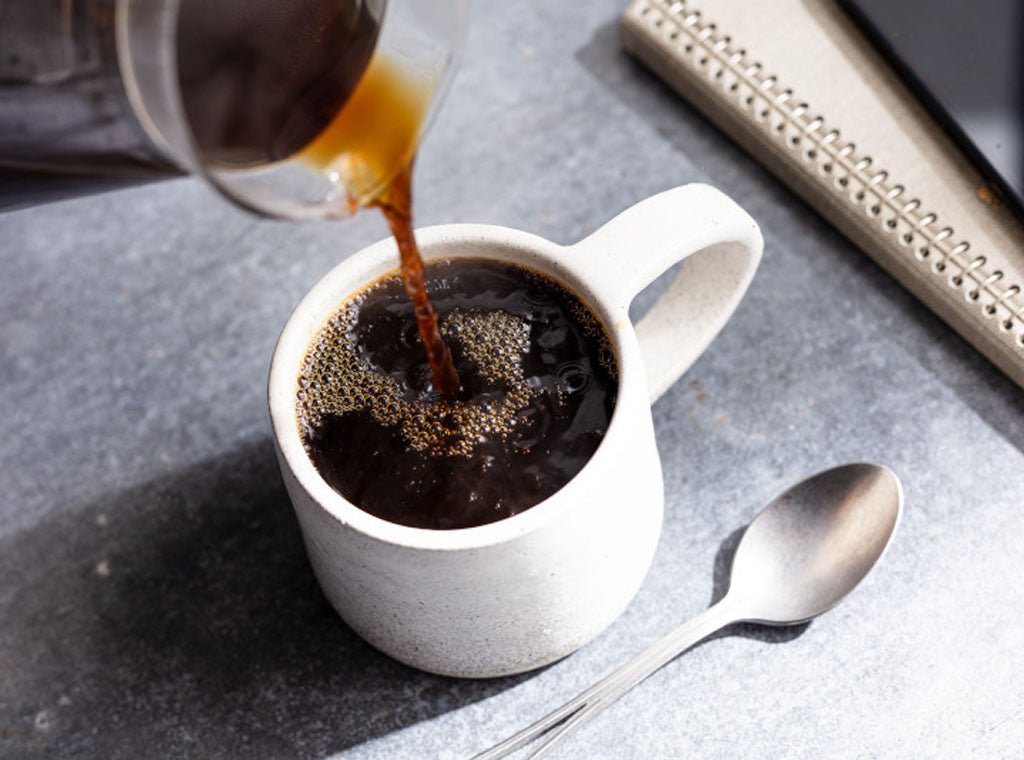
If you are wondering how much caffeine does medium roast coffee have, an 8-ounce cup typically contains 95 to 140 milligrams, depending on your brewing method and bean variety.
The short version
- Expect 95–140 mg of caffeine per 8-ounce cup of standard drip-brewed coffee.
- Use a digital scale to measure 10 grams of coffee grounds per 6 ounces of water.
- Choose Robusta beans if you want higher caffeine levels, as they contain double the amount of Arabica.
- Steep for at least 4 minutes in a French press to ensure maximum extraction of compounds.
- Check your specific coffee brand’s website, as caffeine content varies significantly by bean origin and roast profile.
Why roast levels impact caffeine
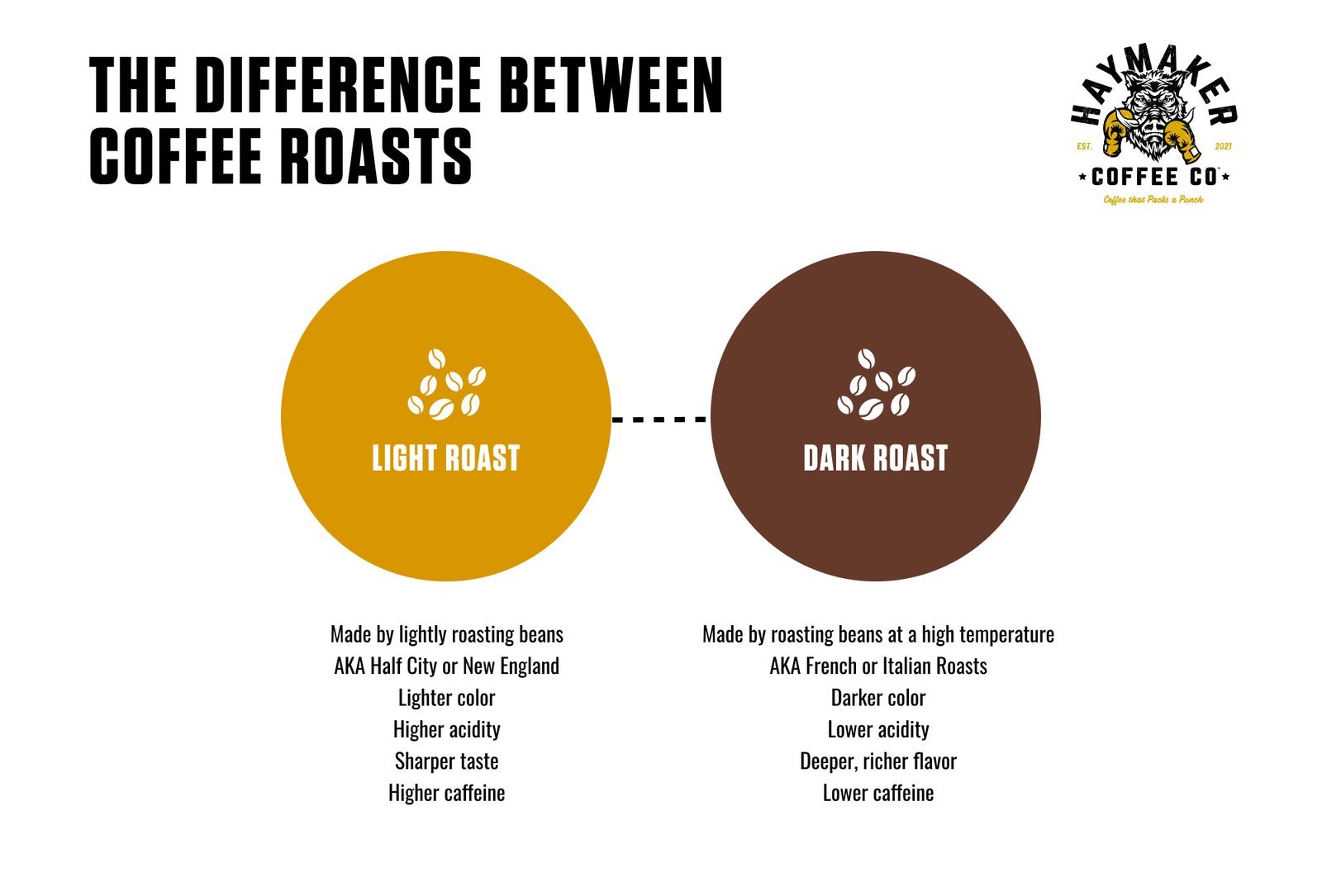
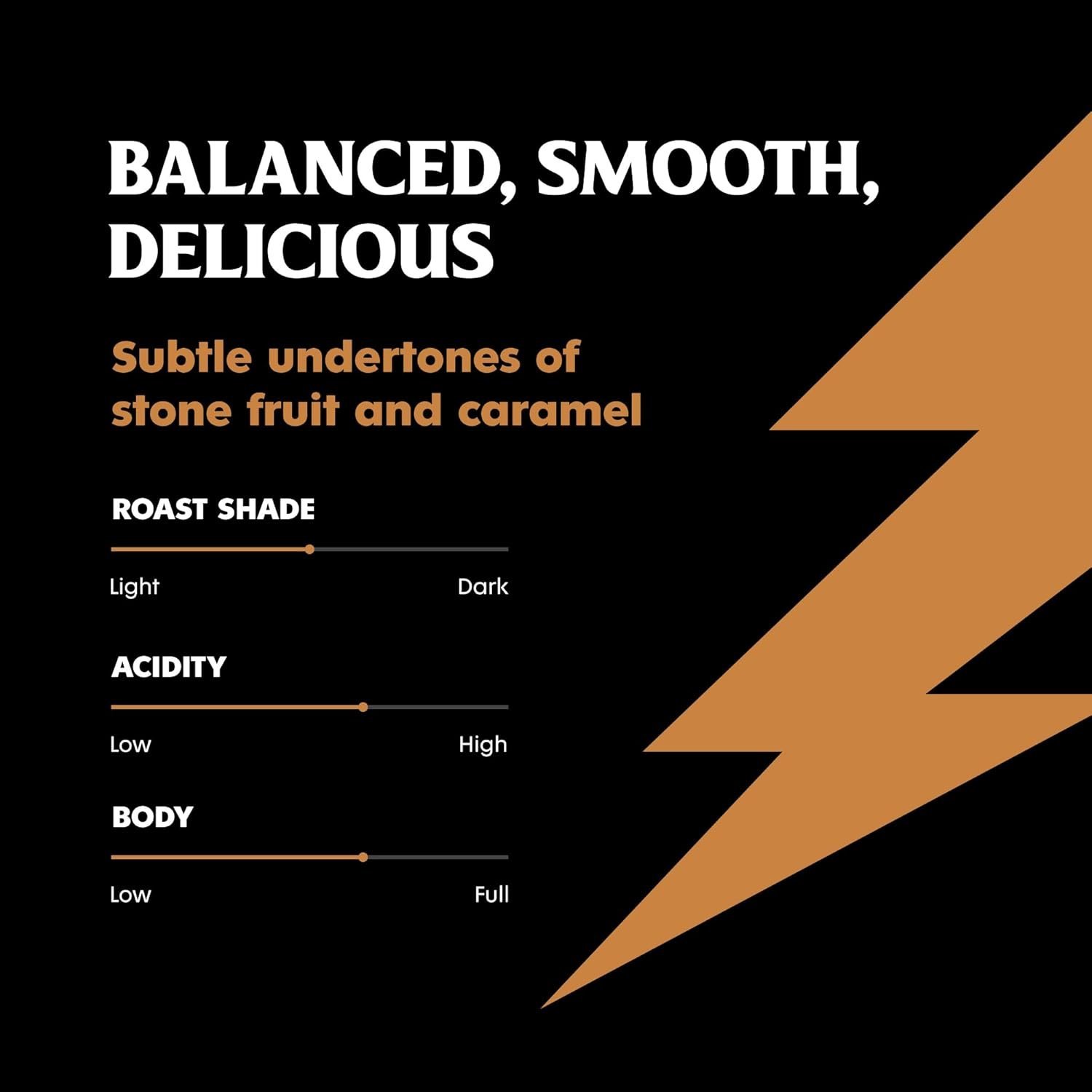
The concentration of caffeine is determined more by the density of the bean and the volume of your scoop than by the roast color itself. Roasting coffee beans causes them to lose mass and expand in size. Because medium roast beans are denser than dark roast beans, a single scoop of medium roast contains more actual coffee material by weight than a scoop of dark roast. This higher density means you’re putting more coffee into your filter, which naturally results in a higher caffeine content in your final cup. Always check the packaging for the bean origin, as high-altitude beans often have different chemical compositions than those grown in lowland regions.
When the answer is different
| Situation | What changes | What to do instead |
|---|---|---|
| Using dark roast | Lower bean density | Use an extra half-scoop |
| Cold brew method | Longer extraction time | Dilute with extra water |
| Espresso shots | Smaller water volume | Drink in smaller amounts |
| Decaf options | Chemical removal process | Read the label carefully |
How to do it properly
- Measure exactly 10 grams of medium roast coffee beans using a digital kitchen scale for every 6 ounces of filtered water.
- Grind your beans to a medium-coarse consistency, similar to sea salt, to ensure even water contact throughout the entire brewing cycle.
- Heat your water to between 195°F and 205°F; if you lack a thermometer, let the kettle sit for 30 seconds after boiling.
- Pour a small amount of water over the grounds to let them bloom for 30 seconds, which helps release trapped gases for better flavor.
- Pour the remaining water in a steady circular motion to ensure all grounds are fully saturated for the full 4-minute brew time.
- Filter the coffee immediately after the 4 minutes pass to prevent over-extraction, which creates a bitter taste rather than more caffeine.
The mistakes that ruin it
- Measuring coffee by volume instead of weight leads to inconsistent strength because beans vary in size.
- Using water that’s too cool prevents full extraction, leaving caffeine trapped inside the coffee grounds.
- Leaving the coffee in the French press too long causes excessive bitterness without adding any extra caffeine content.
- Storing beans in a clear jar on the counter exposes them to light, causing them to lose potency quickly.
Frequently asked questions
Can I get more caffeine by using more coffee?
Yes, increasing the ratio of coffee grounds to water will increase the total caffeine in your cup. If you use 15 grams of coffee instead of 10 grams for the same amount of water, your total caffeine intake will rise significantly.
Does the brewing method change the caffeine?
Yes, methods that use longer contact time or higher pressure extract more caffeine. Espresso machines use pressure to pull caffeine out quickly, while drip machines rely on gravity and heat to extract caffeine over several minutes.
How much caffeine does medium roast coffee have?
Yes, light roast beans are the densest, meaning they have the most mass per scoop. Because you’re using more actual coffee material when you scoop by volume, a cup of light roast usually has more caffeine than a medium roast.
How long does it take for caffeine to kick in?
It typically takes 15 to 45 minutes for caffeine to reach peak levels in your bloodstream. This varies based on your metabolism, whether you have eaten food, and how much water you have consumed alongside your coffee.
Does the water temperature matter?
Yes, water between 195°F and 205°F is required to properly dissolve caffeine from the grounds.
Does the coffee bean origin affect the caffeine?
Yes, the species of the coffee plant is the biggest factor in caffeine levels. Robusta beans naturally contain about twice as much caffeine as Arabica beans, regardless of how dark or light the roaster chooses to process them.
Final Thoughts
If you’re curious about how your favorite blend affects your energy levels, try tracking how you feel after your next cup. You’ll soon discover the perfect balance for your daily routine. Don’t be afraid to experiment with different brewing times, as they’ll change the strength of your drink more than you’d expect.
Related guides