
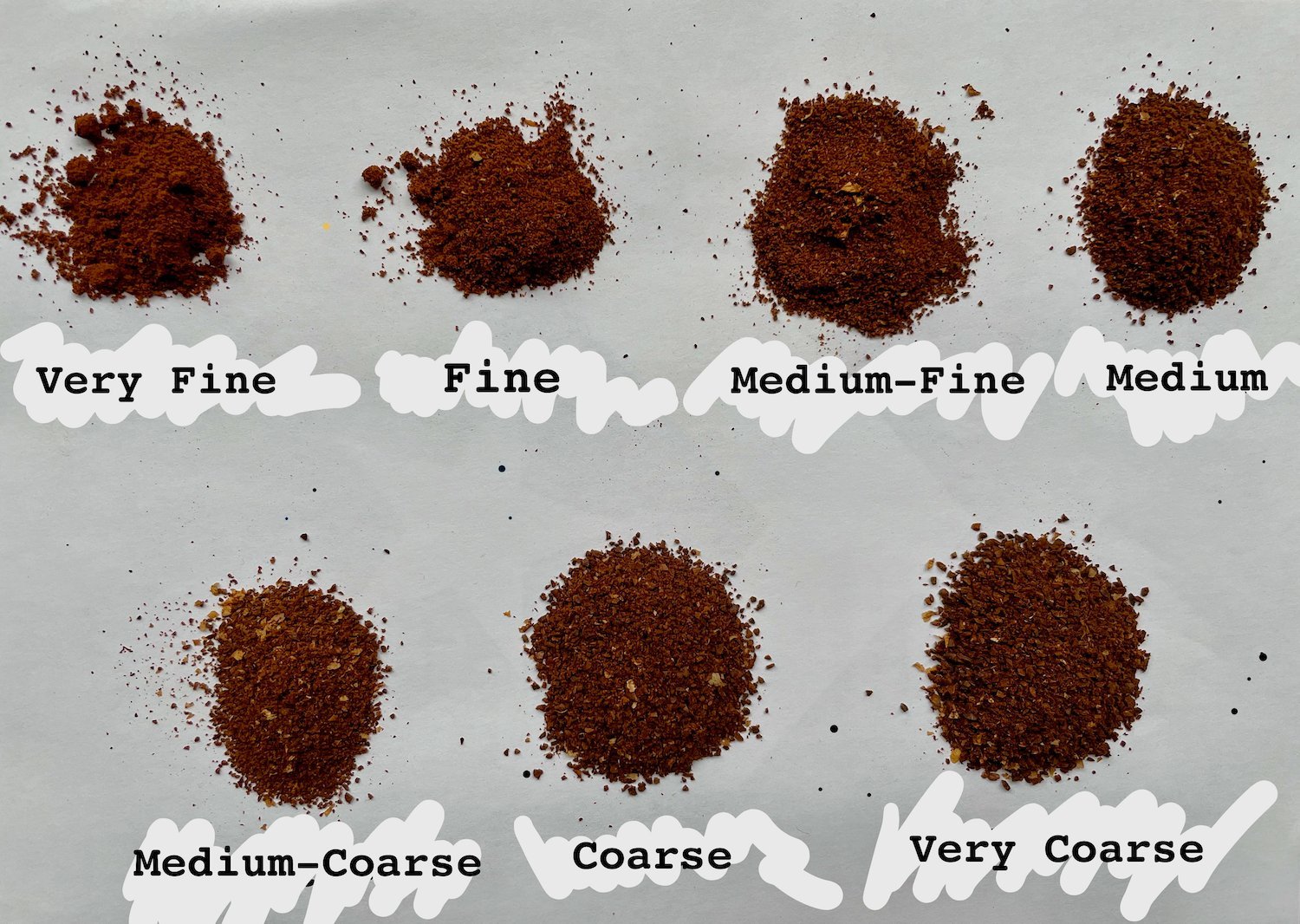
A medium grind coffee is a texture that feels like table salt, designed for drip machines and pour-over brewers. This grind size creates a balanced extraction; for a finer texture, allow less contact time, and for a coarser one, increase your brewing time.
The short version
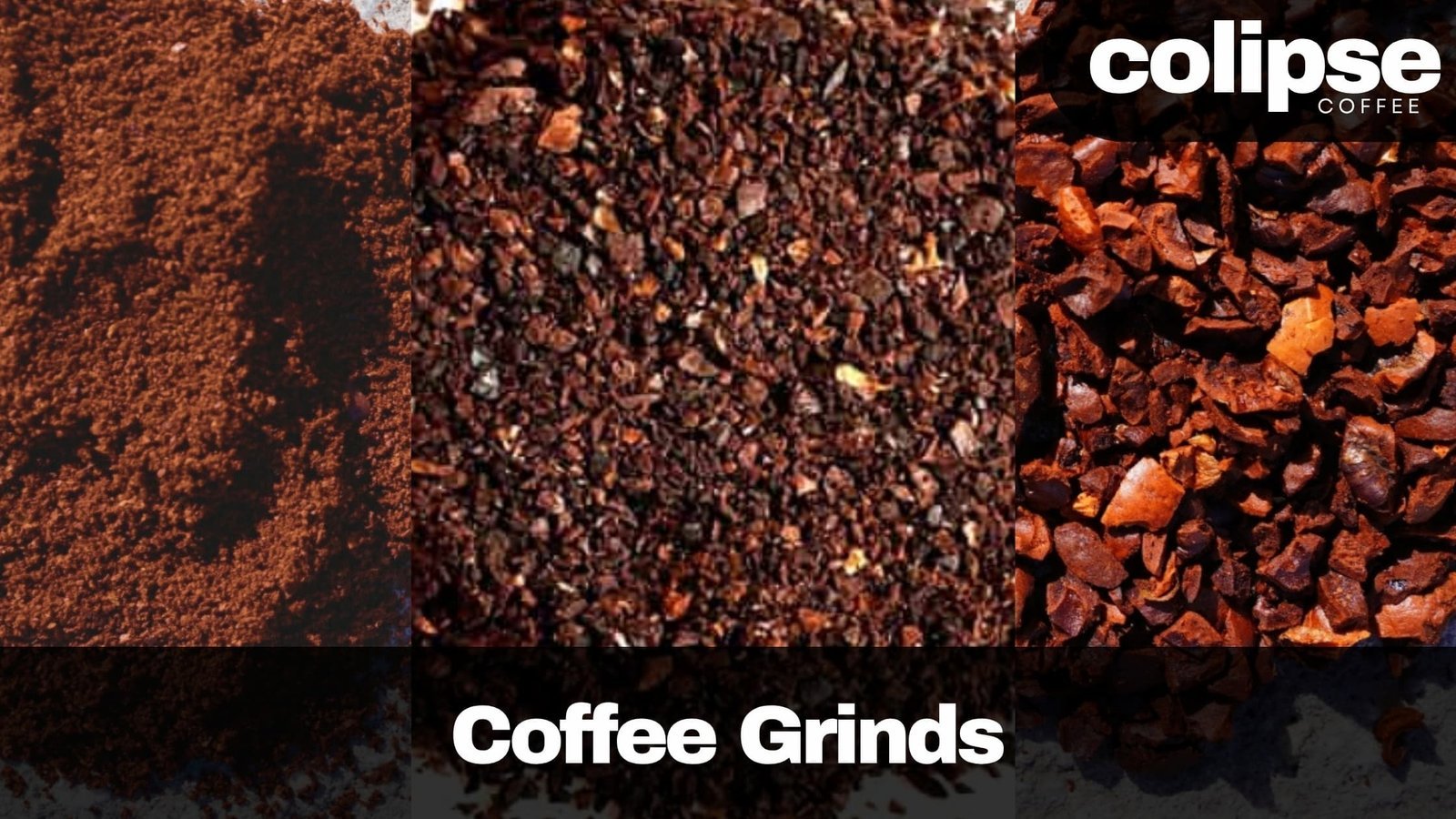
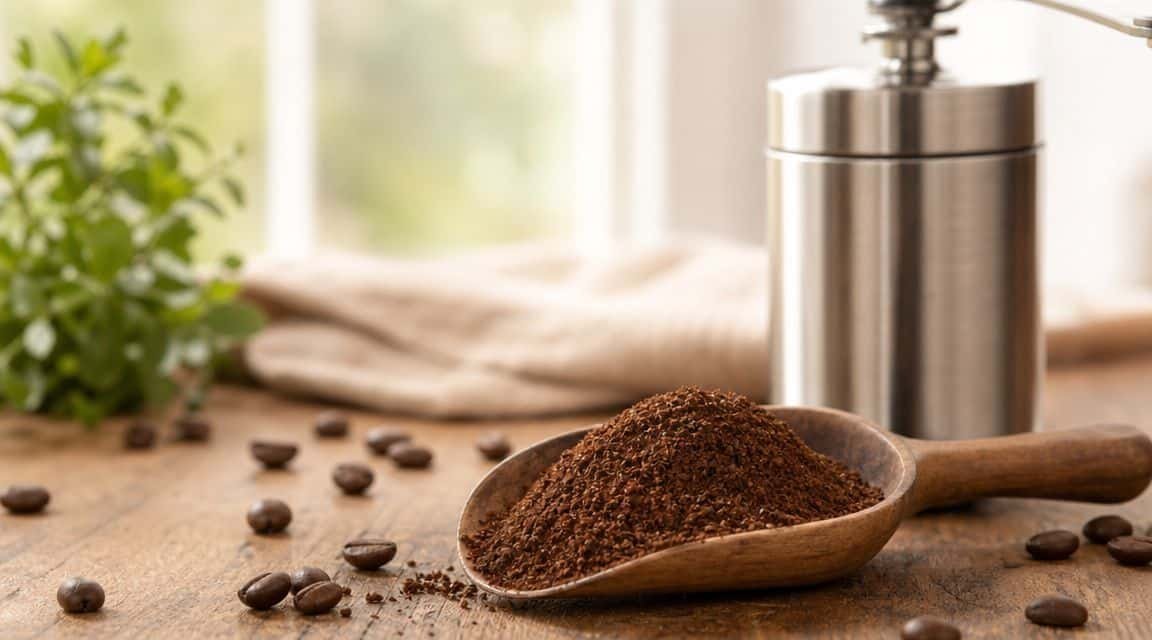
- Texture: Feels like granulated table salt or slightly gritty sand.
- Primary use: Standard automatic drip coffee machines and Hario V60 brewers.
- Extraction speed: Designed for a water contact time of 3 to 4 minutes.
- Visual cue: Particles are visible to the eye but not chunky like sea salt.
- Tool: Adjust your burr grinder to the middle setting between fine and coarse.
- Limit: This varies by model — check the label on your grinder or brewer manual.
Why the grind size matters for flavor
The grind size determines how much surface area the water touches during the brewing process. When water meets coffee, it pulls out oils, acids, and sugars. If the particles are too large, the water passes through too quickly, and the coffee tastes sour or watery. If the particles are too fine, the water stays in contact with the grounds for too long, leading to a bitter, harsh cup. A medium grind creates the ideal balance for most drip brewers because it allows the water to flow at a steady rate, extracting the right amount of flavor without over-steeping. According to the National Coffee Association, the grind must match the brewing method to achieve the correct flavor profile. If you have a specific machine, follow the manufacturer’s guidance on the grind size to ensure you don’t block the filter or cause the water to overflow.
When the answer is different
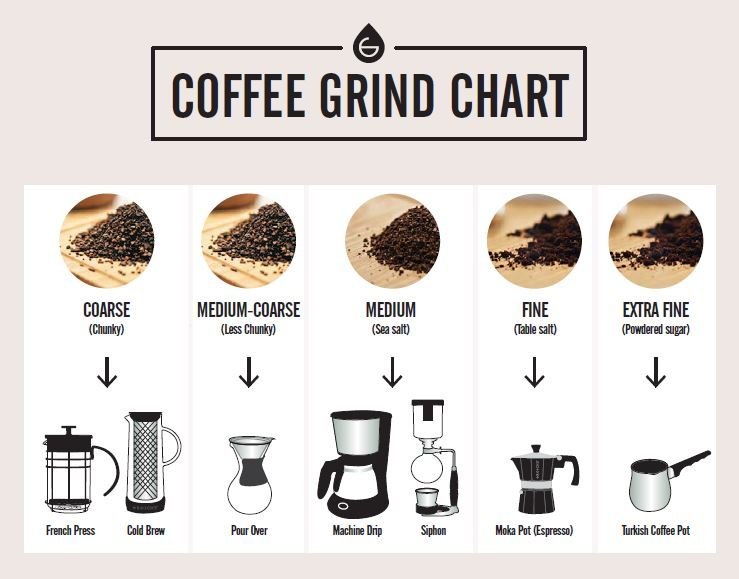
| Situation | What changes | What to do instead |
|---|---|---|
| Cold brew | Needs extra coarse | Use thick sea salt size |
| Espresso | Needs very fine | Use powdery flour texture |
| French press | Needs coarse | Use chunky kosher salt |
| AeroPress | Needs medium-fine | Adjust slightly toward fine |
| Pour-over | Needs medium-fine | Use slightly finer than drip |
How to do it properly
- Select fresh roasted beans, ideally within 2 to 4 weeks of the roast date printed on the bag for the best flavor.
- Set your burr grinder to the “medium” setting; if your grinder has numbered dials, start at the exact middle number provided by the manufacturer.
- Measure 2 tablespoons of whole beans for every 6 ounces of water, which is the standard ratio for a balanced cup of coffee.
- Grind the beans until they look like consistent table salt, ensuring there are no large, uneven chunks or excessive amounts of fine dust.
- Check the texture by rubbing a small amount between your fingers; it should feel gritty but not turn into a soft, powdery paste.
- Brew immediately to keep the volatile aromatic compounds from fading, as ground coffee loses quality much faster than whole beans do.
- Observe the drip speed; if the water pools at the top, the grind is too fine, so adjust to a coarser setting next time.
The mistakes that ruin it
- Using a blade grinder instead of a burr grinder creates uneven particles, leading to a mix of sour and bitter flavors in one cup.
- Grinding the entire bag of coffee at once causes the grounds to lose their freshness within days, making the coffee taste stale.
- Ignoring the manufacturer’s recommended setting for your specific machine often leads to clogged filters or weak, watery results.
- Failing to clean the grinder regularly leaves old, rancid oils behind, which ruins the taste of every fresh pot you brew.
Frequently asked questions
Can I use a medium grind for espresso?
No, a medium grind is too coarse for espresso machines. Espresso requires a very fine, powdery grind to create enough resistance against the pressurized water; using a medium grind will result in a fast, watery, and under-extracted shot of coffee.
How long does medium grind coffee stay fresh?
Ground coffee begins to lose its flavor within 30 minutes of grinding due to oxidation. If you must grind in advance, store the grounds in an airtight, opaque container in a cool, dark place, but try to use them within 24 hours.
Is medium grind the same as drip grind?
Yes, most coffee bags labeled as “drip grind” are medium. This is the industry standard for home automatic coffee makers, as it provides the correct flow rate for the paper filters used in these machines to prevent bitterness.
What happens if my grind is too coarse?
If your grind is too coarse, the water will flow through the coffee bed too quickly. This prevents the water from pulling out enough solids, causing your coffee to taste thin, sour, and lacking in body or depth.
Does it matter if I use a blade grinder?
Yes, it matters because blade grinders chop beans inconsistently. You’ll end up with a mix of dust and large chunks, which means your coffee will be both over-extracted and under-extracted at the same time, leading to a muddy flavor.
How do I know if my grinder setting is right?
You know the setting is right if your coffee tastes balanced and the brewing time matches the machine’s instructions. If the coffee is bitter or the filter overflows, your grind is too fine; if it’s sour or thin, it’s too coarse.
Final Thoughts
When you’re ready to brew, try experimenting with your favorite beans to see how these grounds change the flavor in your cup. Don’t be afraid to adjust your technique as you go. You’ll soon find the perfect balance that makes your morning routine feel a little more special every single day.