
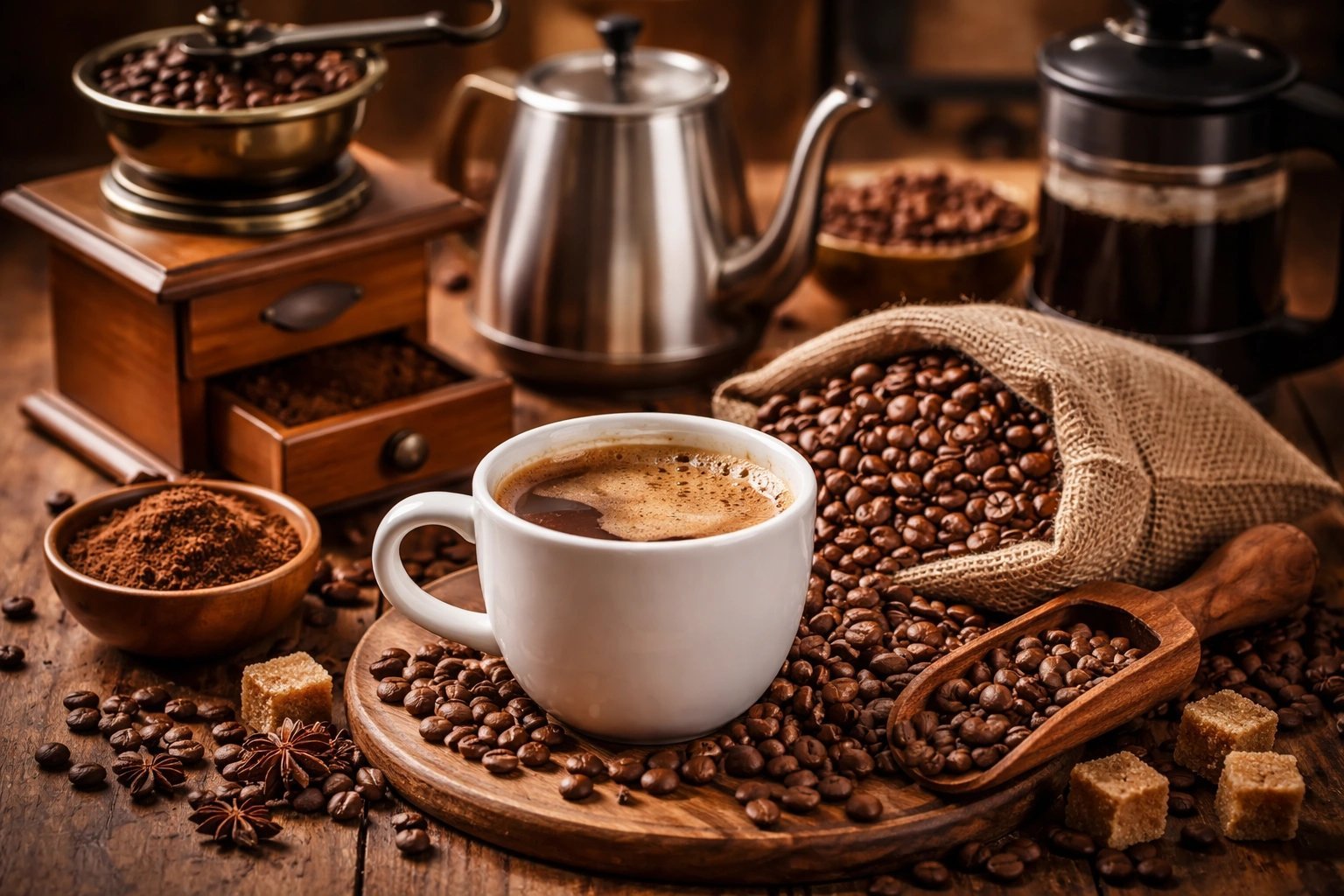
The reason why medium roast coffee is popular in Murphy is that it balances the bean’s natural brightness with a smooth, toasted sweetness. This roast avoids the harsh acidity of lighter options and the heavy, burnt bitterness found in darker, oily beans.
How the coffee roast works
| Part or input | What it does | What you notice when it goes wrong |
|---|---|---|
| Green beans | Provide raw flavor profile | Tastes vegetal or like grass |
| Heat source | Triggers chemical reactions | Uneven roasting or burnt edges |
| Airflow | Removes chaff and smoke | Smoky or acrid burnt flavor |
| Cooling tray | Stops the roasting process | Beans taste baked or dull |
| Storage seal | Keeps oxygen from beans | Coffee tastes flat or stale |
What happens, step by step
- Raw green beans enter the roaster at room temperature, containing about 10% to 12% moisture.
- Heat increases the internal bean temperature to roughly 380°F, causing the water inside to turn into steam.
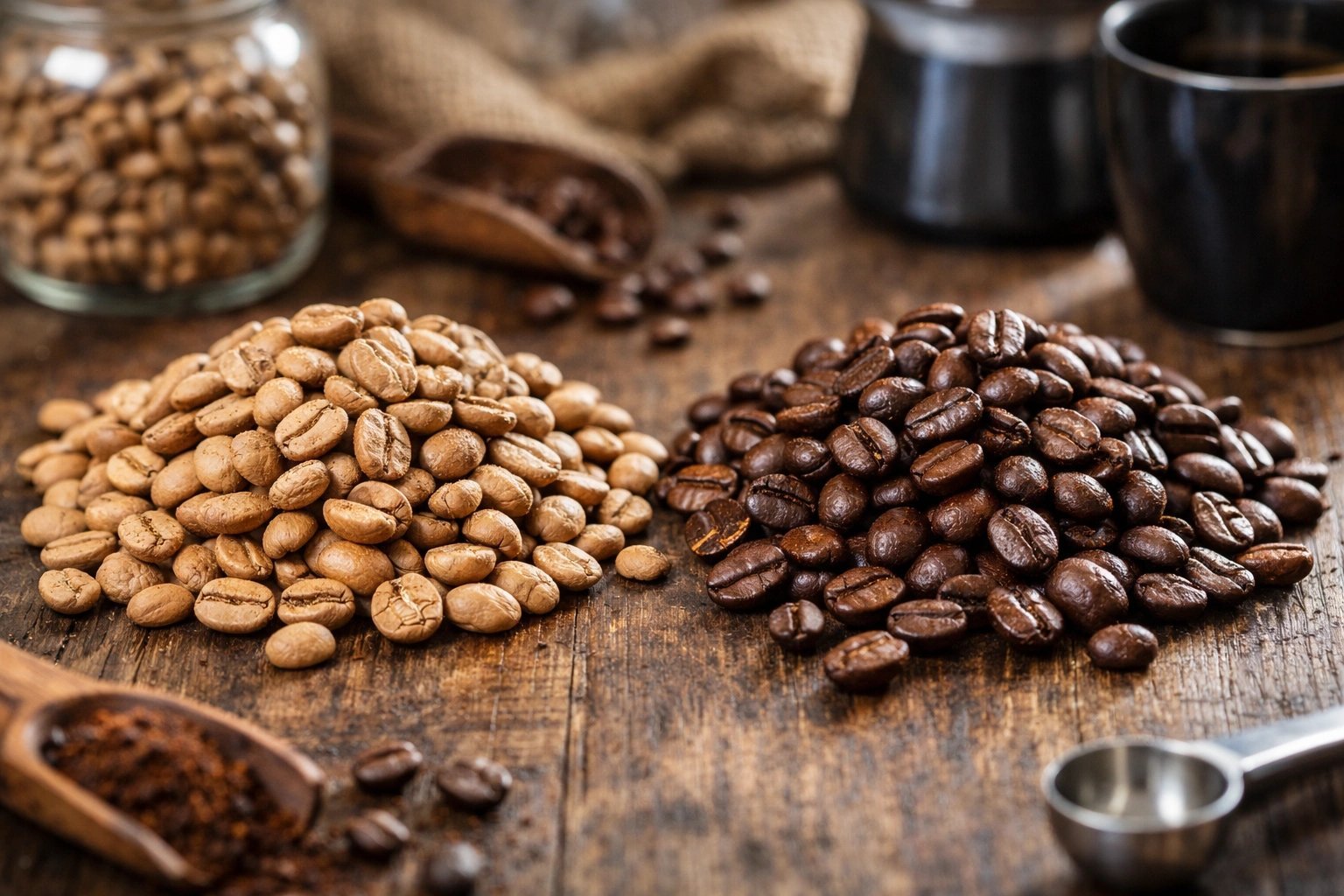
- The beans undergo the Maillard reaction, which develops the brown color and complex flavors over 8 to 12 minutes.
- A sound called “first crack” occurs as the beans expand, signaling that they’re now light to medium.
- The roaster operator cuts the heat just before “second crack” to lock in the medium roast profile.
- Beans move to a cooling tray and reach room temperature within 5 minutes to prevent over-roasting.
Why this matters when something goes wrong
Flavor issues in coffee usually stem from the timing of the roast or how the beans are handled afterward. If your cup tastes sour, the beans were likely under-roasted, meaning they didn’t spend enough time developing sweetness in the heat. Conversely, if the coffee tastes like charcoal or ash, the beans were roasted too long or at too high a temperature. The National Coffee Association’s coffee storage tips confirm that once roasted, beans lose flavor rapidly when exposed to air, light, or heat. If you notice a cardboard-like flavor, your beans have likely been sitting out too long and have oxidized. This happens because the volatile aromatic compounds in the coffee degrade when exposed to oxygen. Always check the roast date on the bag; if it’s over four weeks old, the peak flavor has likely passed.
What you can change, and what you cannot
Things you control
- The grind size you use for your specific brewing method.
- The water temperature, which should be between 195°F and 205°F for optimal extraction.
- How quickly you consume the beans after opening the original bag.
- The storage container, which must be airtight and kept in a dark cupboard.
Things fixed by design
- The roast level, which is locked in once the beans leave the cooling tray.
- The bean density, which depends on the altitude and soil where the coffee grew.
- The chemical composition, which changes only during the initial roasting process.
Why medium roast coffee is popular in Murphy
To keep your coffee tasting fresh, buy small amounts that you can finish within 14 days of opening the bag. If you use a drip brewer, ensure your machine reaches the proper temperature; if the water is too cool, the coffee will taste thin regardless of the roast. For those who prefer a stronger cup, try increasing your coffee-to-water ratio rather than switching to a darker roast, as this preserves the unique notes of the medium bean. If your coffee tastes muddy, check your grinder settings to ensure you aren’t creating too much fine dust.
Frequently asked questions
Why does my coffee taste sour?
Sourness usually means the beans were under-extracted or the roast was too light to develop sufficient sugar. Try using a slightly finer grind or slightly hotter water to see if the flavor improves.
How long does medium roast stay fresh?
Most medium roast coffee stays at its best for about two to four weeks after roasting. Keep the bag sealed tightly in a cool, dark place to slow down the loss of volatile aromatics.
Is medium roast higher in caffeine?
Caffeine content remains largely stable during the roasting process, so a medium roast has about the same amount of caffeine as a dark roast by weight. Use a scale to measure your dose accurately.
Does the brewing method change the flavor?
Yes, the brewing method changes how much oil and sediment end up in your cup. A French press will highlight the body of a medium roast, while a paper filter produces a cleaner finish.
Why do some beans look oily?
Oily beans usually indicate a dark roast, as the heat has forced the internal oils to the surface. If your medium roast looks very oily, it may have been roasted slightly too long.
What happens if I store beans in the freezer?
Storing beans in the freezer can cause moisture buildup on the surface when you take them out. Only freeze beans if you plan to store them long-term in vacuum-sealed, individual portions.
Final Thoughts
Whether you’re grabbing a quick cup before work or settling in for a slow morning on the porch, this balanced brew is a local favorite for a reason. You shouldn’t hesitate to visit your neighborhood café this weekend to see which specific bean origin they’re highlighting in their latest batch.