
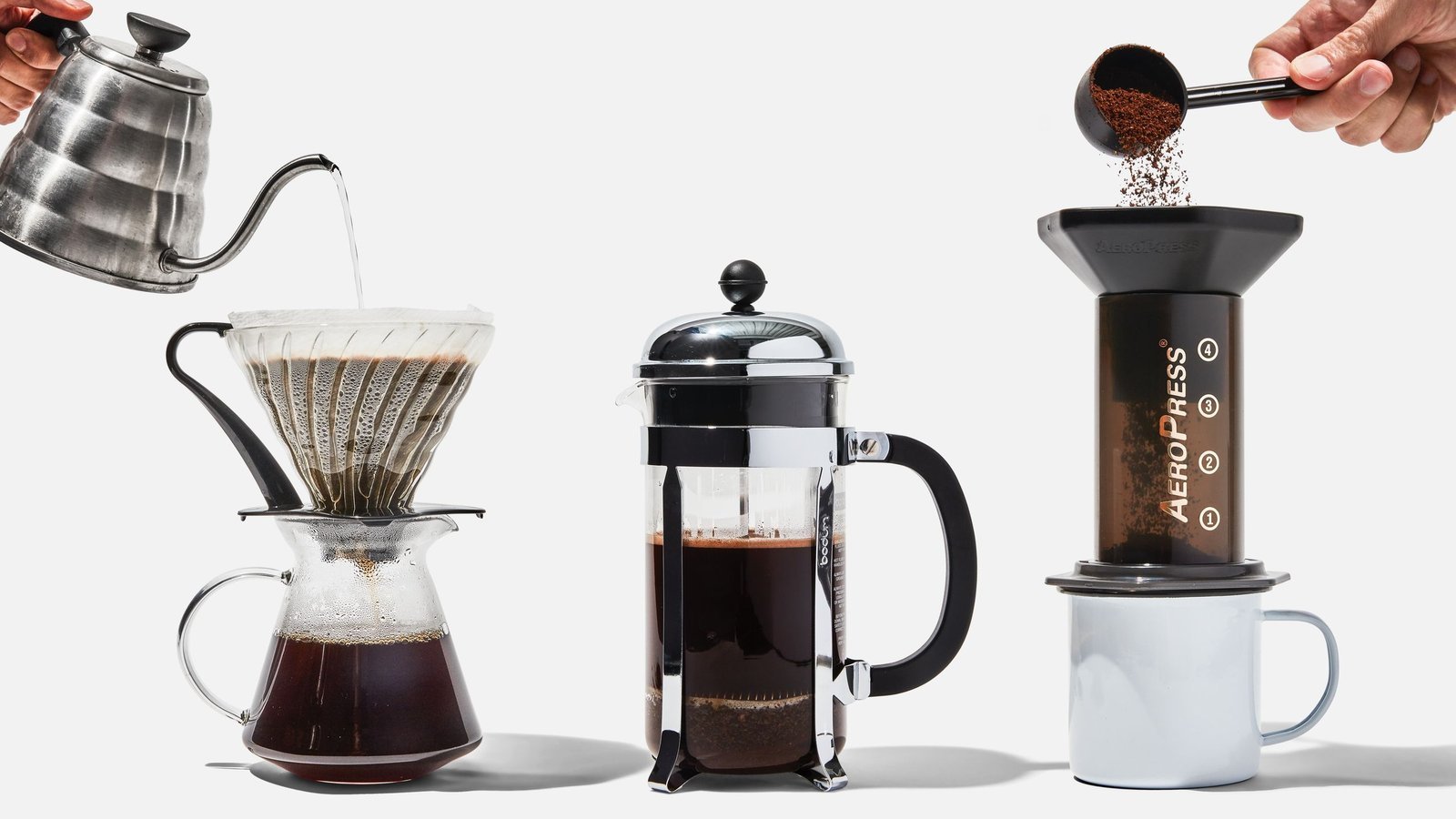
To prepare ground coffee, steep two tablespoons of medium-grind beans in six ounces of near-boiling water for four minutes before straining. This method creates a clean, balanced cup, though you must use a filter or fine mesh sieve to remove the grit.
Using fresh, high-quality beans makes the biggest difference in your final cup. If you use older grounds, the oils oxidize, leading to a flat, stale taste. The most common mistake is using boiling water straight from the kettle. Boiling water burns the coffee, which ruins the delicate flavor notes. Always let your water sit for thirty seconds after it boils before you pour it over the grounds.
How to brew your ground coffee
- Heat 8 ounces of fresh, filtered water until it just reaches a boil, then let it rest for 30 seconds to reach the ideal temperature.
- Measure 2 tablespoons of medium-ground coffee for every 6 to 8 ounces of water, depending on how strong you prefer your drink.
- Pour the hot water slowly over the grounds in your mug or press, ensuring every particle is fully saturated for even extraction.
- Let the mixture steep for 4 minutes, which allows the water to pull the full flavor profile from the beans without over-extracting bitterness.
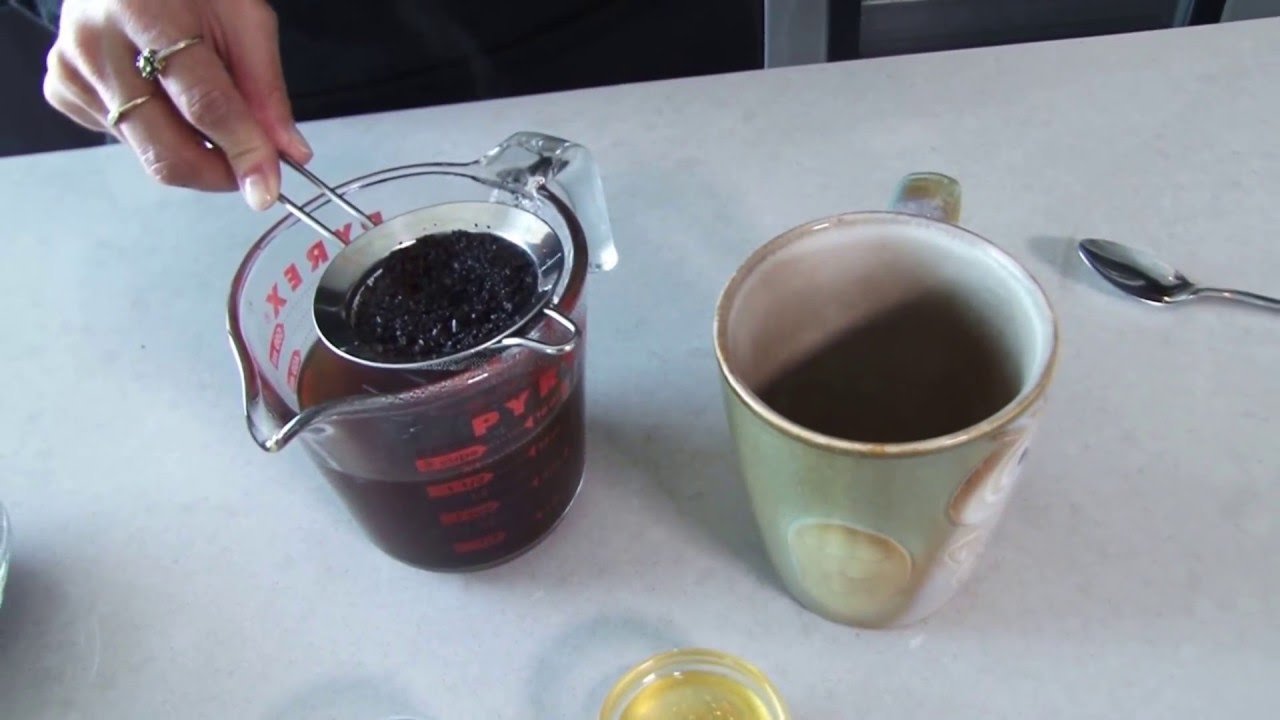
- Press the plunger down slowly or pour the liquid through a paper filter into a fresh mug to separate the grounds completely.
- Consume the coffee immediately while it’s hot, as the flavor profile changes significantly as the liquid cools to room temperature.
Tip: If you’re using a French press, ensure the mesh filter is clean before starting; leftover oils from a previous brew can make your current cup taste sour.
Preparation Time Estimates
Brewing coffee relies on the grind size and the equipment used to separate the grounds from the liquid. The following estimates assume you’re using a standard medium grind for a balanced extraction.
| Method | Total Time | What changes it | What to watch for |
|---|---|---|---|
| French Press | 5 minutes | Coarse grind adds time | Muddy sediment in cup |
| Pour Over | 3 minutes | Filter paper thickness | Slow drip indicates clog |
| Steep & Strain | 4 minutes | Water temperature | Over-extraction bitterness |
If your coffee takes much longer than these times, your grind is likely too fine, which slows the water flow and causes a harsh, astringent taste.
Checking for Completion
Once the four-minute timer ends, the grounds should have settled toward the bottom of the container. If you’re using a paper filter, the coffee is done once the final drops stop falling into the carafe. The ultimate test is a quick sip; if it tastes thin or sour, your water was likely too cool.
Common Brewing Errors
- Using boiling water: Pouring water at a full rolling boil scalds the grounds and destroys the natural sweetness of the coffee. Always wait 30 seconds after the kettle clicks off before you start pouring.
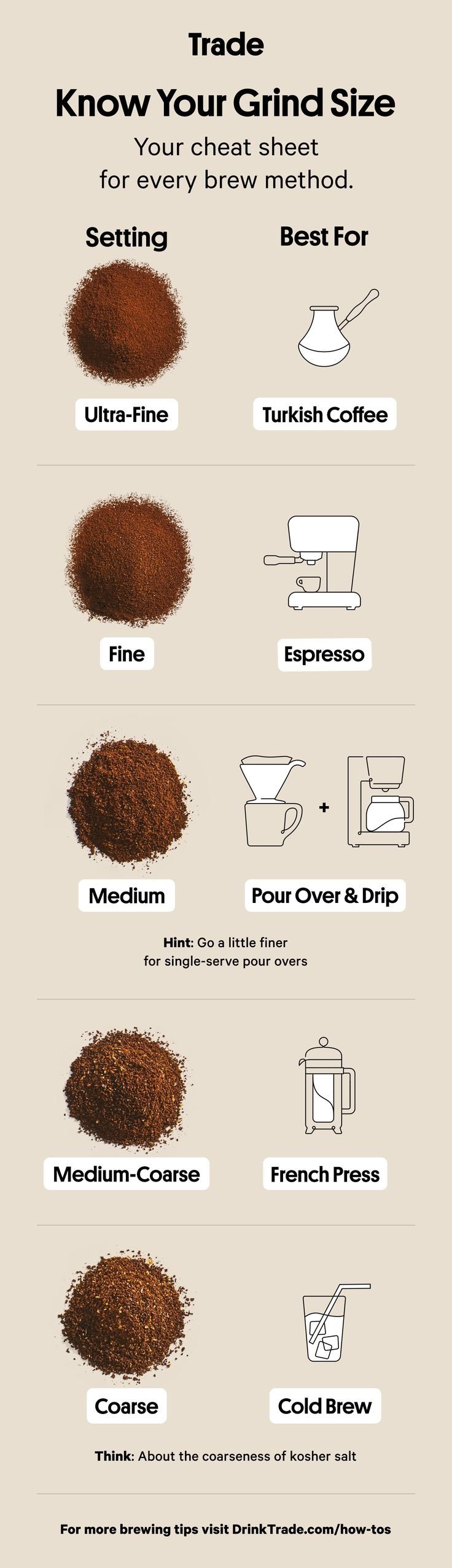
- Improper grind size: Using espresso-fine grounds in a standard press makes the coffee impossible to strain and creates a gritty, bitter texture. Match your grind to your equipment; coarse for presses and medium for standard drip.
- Measuring by eye: Guessing the amount of coffee leads to inconsistent results that are either too weak to enjoy or too strong to finish. Use a consistent tablespoon measure every time to ensure your flavor remains stable.
- Leaving grounds in the mug: If you don’t strain the coffee, the grounds continue to steep, which results in an unpleasant, chalky mouthfeel. Always remove the coffee from the grounds as soon as the brewing time is finished.
Frequently asked questions
Can I drink coffee grounds if they get in my cup?
Yes, you can safely drink coffee grounds, but the texture is unpleasant and gritty. While they aren’t harmful, they may cause digestive discomfort for some people. It’s best to use a fine-mesh strainer or paper filter to ensure your cup is clean and smooth.
Why does my coffee taste bitter?
Your coffee tastes bitter because it was over-extracted, often caused by using water that’s too hot or letting the grounds steep for too long. If your grind is too fine, the surface area increases, which also pulls out unwanted bitter compounds. Try a coarser grind next time.
How long does ground coffee stay fresh?
Ground coffee stays fresh for about one to two weeks if stored in an airtight container away from light and heat. Once the seal is broken, oxygen begins to break down the volatile oils that provide flavor. For the best experience, grind your beans only right before you brew.
Is it safe to drink coffee on an empty stomach?
Yes, it’s safe for most people, but the acidity in coffee can sometimes cause stomach irritation or heartburn. If you find that your stomach feels sensitive after your morning cup, try eating a small piece of toast or fruit before you finish your drink to buffer the acidity.
What happens if I use too much coffee?
Using too much coffee results in an overly strong, concentrated flavor that can feel heavy or astringent on the palate. If you accidentally add too much, you can dilute the drink with a small amount of hot water to balance the strength and make it more palatable for drinking.
How do I know if my coffee is spoiled?
Coffee is spoiled if it develops a musty, rancid, or cardboard-like smell. Coffee beans contain oils that degrade when exposed to air for too long. If your grounds have lost their roasted aroma or show signs of mold, you should discard them immediately.
Drink ground, in short
Once you’ve poured your first mug, take a moment to notice the subtle notes of chocolate or fruit. If the flavor feels a bit too strong, don’t worry—it’s easy to adjust the ratio next time. You’ll soon find the perfect balance that makes your mornings feel a little brighter.