

To make a coffee with ground coffee, use two tablespoons of medium-grind beans for every six ounces of water, then steep the mixture for four minutes. This simple method yields a balanced cup for most home brewers.
How to make a coffee with ground coffee: Essential Tools
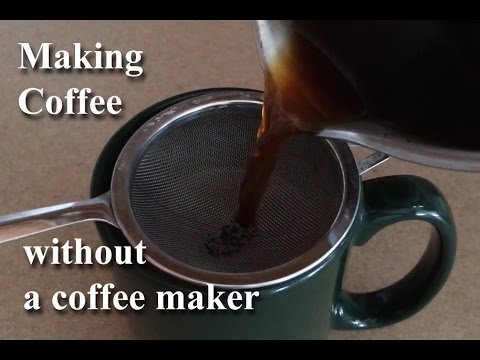
- Fresh coffee beans: Pick a medium roast for the best balance of acidity and body.
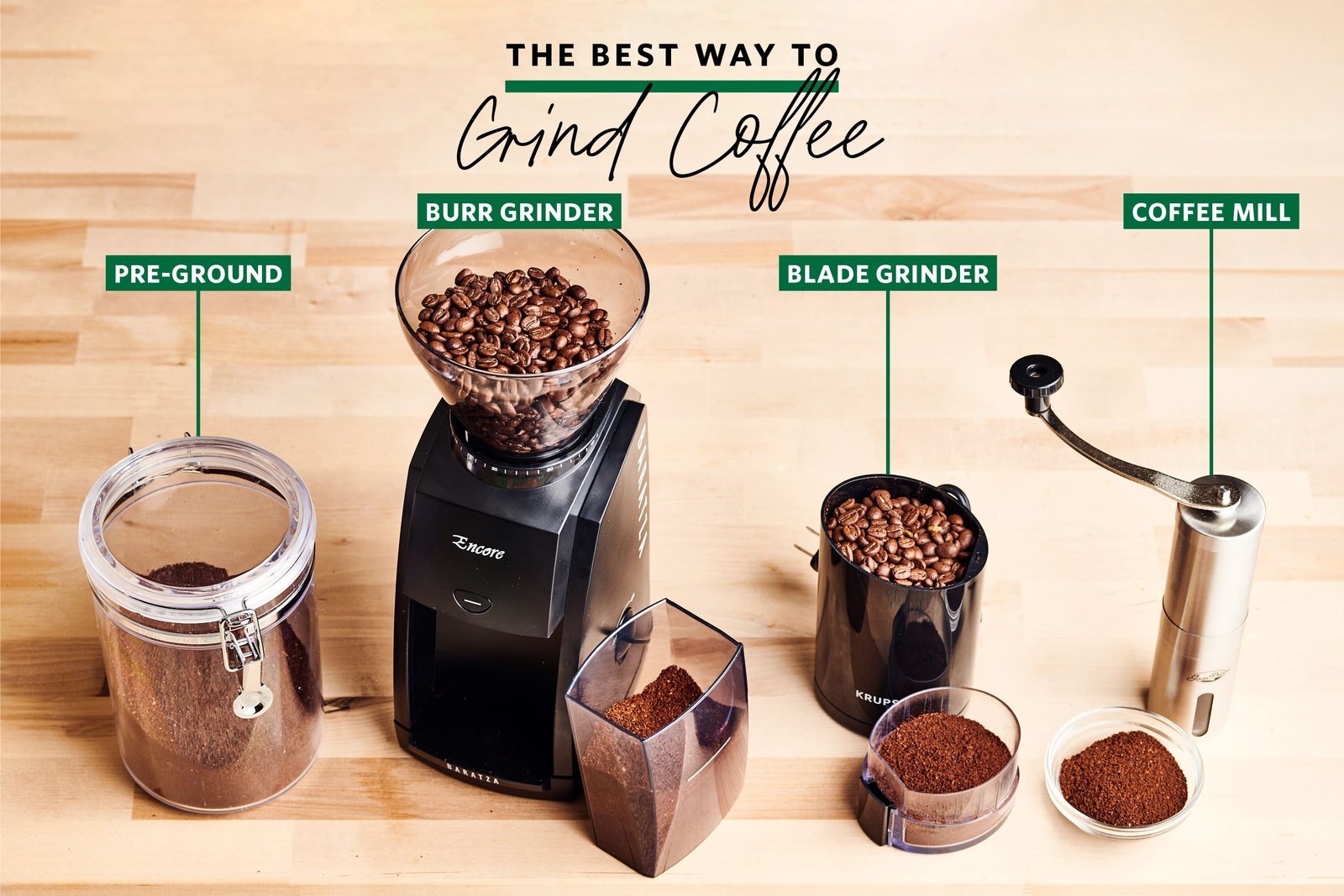
- Burr grinder: Use this to ensure an even particle size, which prevents bitter, uneven extraction.
- Digital scale: Measure your grounds and water by weight for consistent results every time.
- Kettle: A gooseneck kettle offers the best control when pouring water over your grounds.
- Filter: Paper filters remove oils and sediment for a clean, bright taste.
If you lack a scale, a standard tablespoon is a fair substitute, but avoid uncalibrated scoops to prevent inconsistent brews.
Preparing the perfect cup
- Heat your filtered water to between 195°F and 205°F, as this range extracts flavor without scorching the grounds.
- Grind your beans to a medium consistency, similar to sea salt, just before you start the brewing process.
- Rinse your paper filter with hot water to remove any papery taste and warm your mug or carafe.
- Add two tablespoons of ground coffee to the filter for every six ounces of water you plan to use.
- Pour a small amount of water over the grounds to let them bloom for 30 seconds, which releases trapped carbon dioxide.
- Pour the remaining water slowly in a steady, circular motion to ensure all grounds stay saturated during extraction.
- Wait for the water to finish dripping through the filter, which usually takes about three to four minutes.
Tip: If the coffee tastes too sour, your grind is likely too coarse; if it tastes bitter, try a slightly coarser setting next time. Careful: Never use boiling water directly from the kettle, as it can burn the grounds and ruin the flavor profile.
Brewing variables and adjustments
Adjust your routine to maintain quality.
| Situation | Time or Cost | Difference | What to watch |
|---|---|---|---|
| Hard water | +30 seconds | Mineral buildup | Scale in your kettle |
| Dark roast | -20 seconds | Faster extraction | Bitter aftertaste |
| Fine grind | -1 minute | High resistance | Slow drip speed |
| Large batches | +2 minutes | More heat loss | Water temperature |
It’s always safer to start with a standard ratio and adjust your grind size later than to change multiple variables at once.
Achieving a balanced flavor
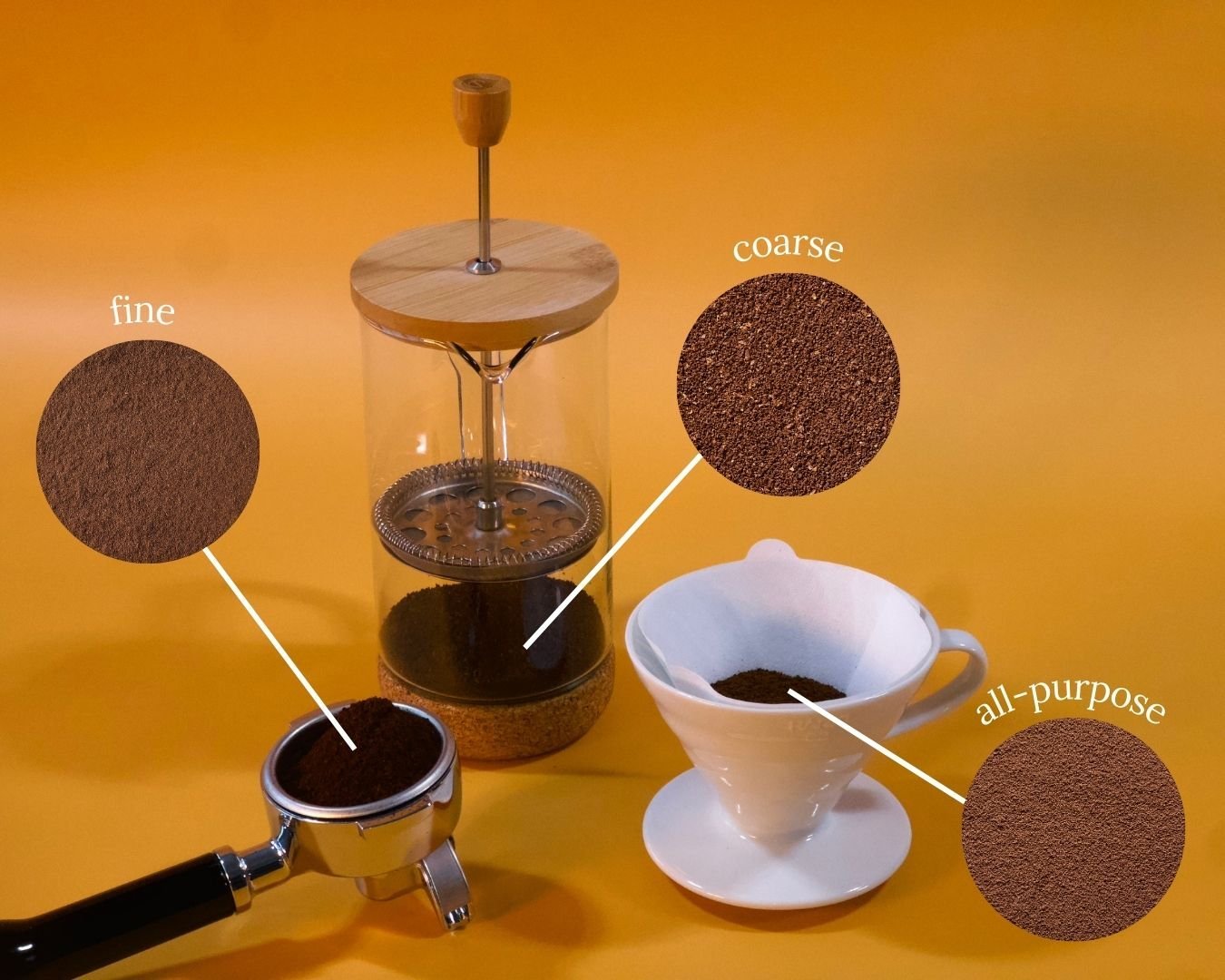
A great cup of coffee tastes clean, while a poor one is muddy, sour, or bitter. Off-flavors occur from incorrect contact time or grind size. Keep equipment clean, as old oils turn rancid and spoil fresh beans.
Standards and maintenance
Coffee quality depends on fresh, clean equipment. Never use soap on your coffee gear unless it’s absolutely necessary, as residue can alter the taste of your next cup.
Alternative brewing methods
French press
This immersion method produces a heavy, full-bodied coffee. You use a coarse grind and steep the grounds directly in the water for four minutes before plunging.
Cold brew
This method uses cold water and a long steep time of 12 to 24 hours. It results in a low-acid concentrate that you dilute with water or milk.
AeroPress
This device uses air pressure to force water through the grounds. It’s fast, taking about one minute, and produces a clean cup that’s very easy to clean.
Frequently asked questions
Can I reuse coffee grounds?
No, you can’t reuse coffee grounds to make a second cup. The flavor compounds are extracted during the first brew, and a second attempt will result in a thin, watery drink.
Why is my coffee watery?
Your coffee is likely watery because you used too much water or your grind was too coarse. Use a scale to ensure you have the correct ratio of water to coffee.
How long does ground coffee stay fresh?
Ground coffee stays fresh for about one to two weeks if stored in an airtight container away from light. Oxidation begins immediately after grinding, which dulls the natural flavors.
Is it safe to leave coffee out?
No, it isn’t safe to leave brewed coffee out at room temperature for more than two hours. Bacteria can grow in the liquid, so refrigerate any leftovers promptly.
What happens if I use boiling water?
Aim for a temperature just below boiling to protect the delicate oils in the beans.
Coffee ground, in short
Once you have your first mug ready, take a moment to notice the subtle flavors. You’ll likely find that small adjustments to your water temperature or bean variety change the profile entirely. Don’t be afraid to experiment with different origins, as it’s the best way to discover what you really love.