
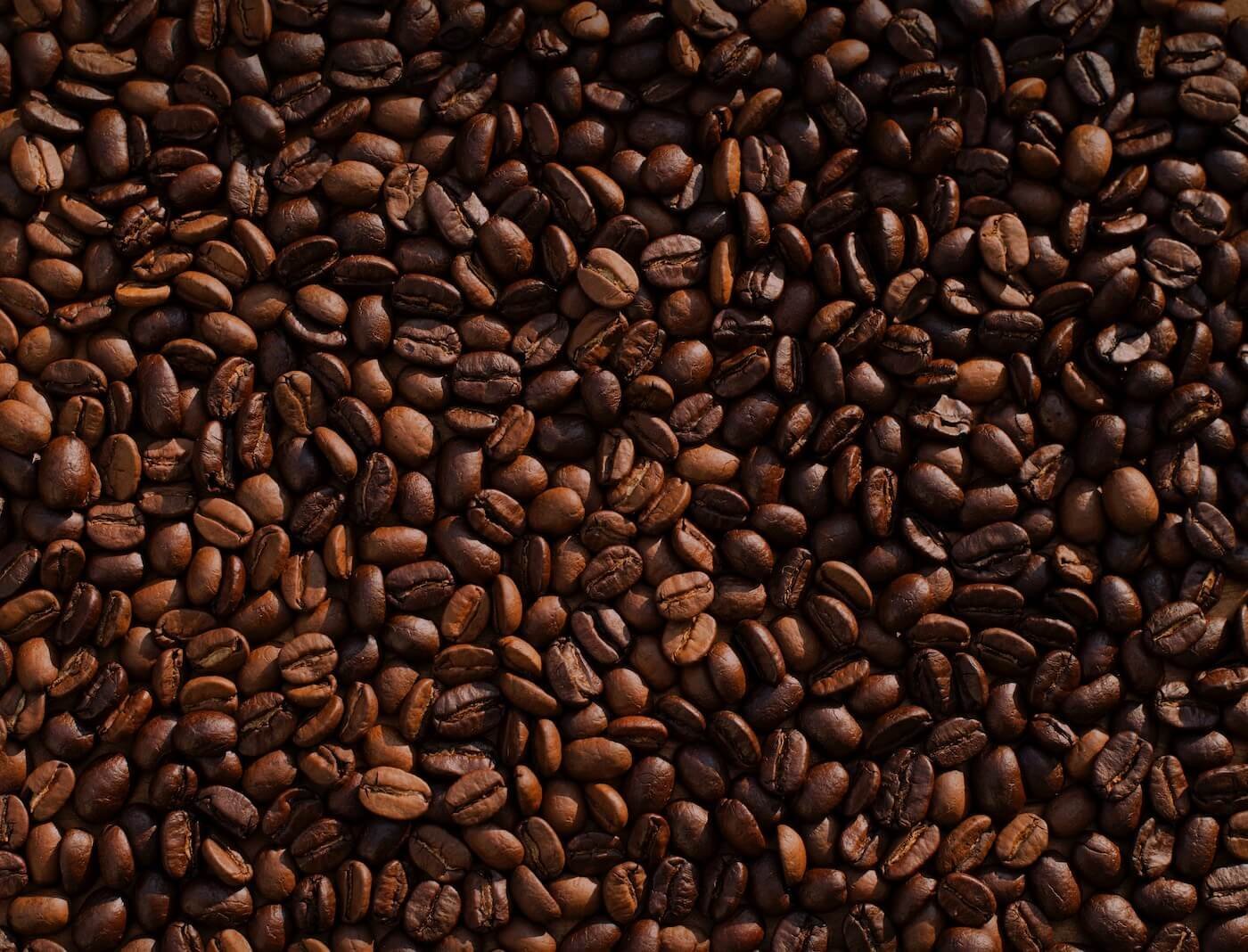
How is ground coffee made? It comes down to picking ripe coffee cherries, removing the fruit pulp to dry the inner seeds, roasting those raw beans with hot air, and fracturing them into tiny granules between steel burrs.
Equipment used to produce ground coffee
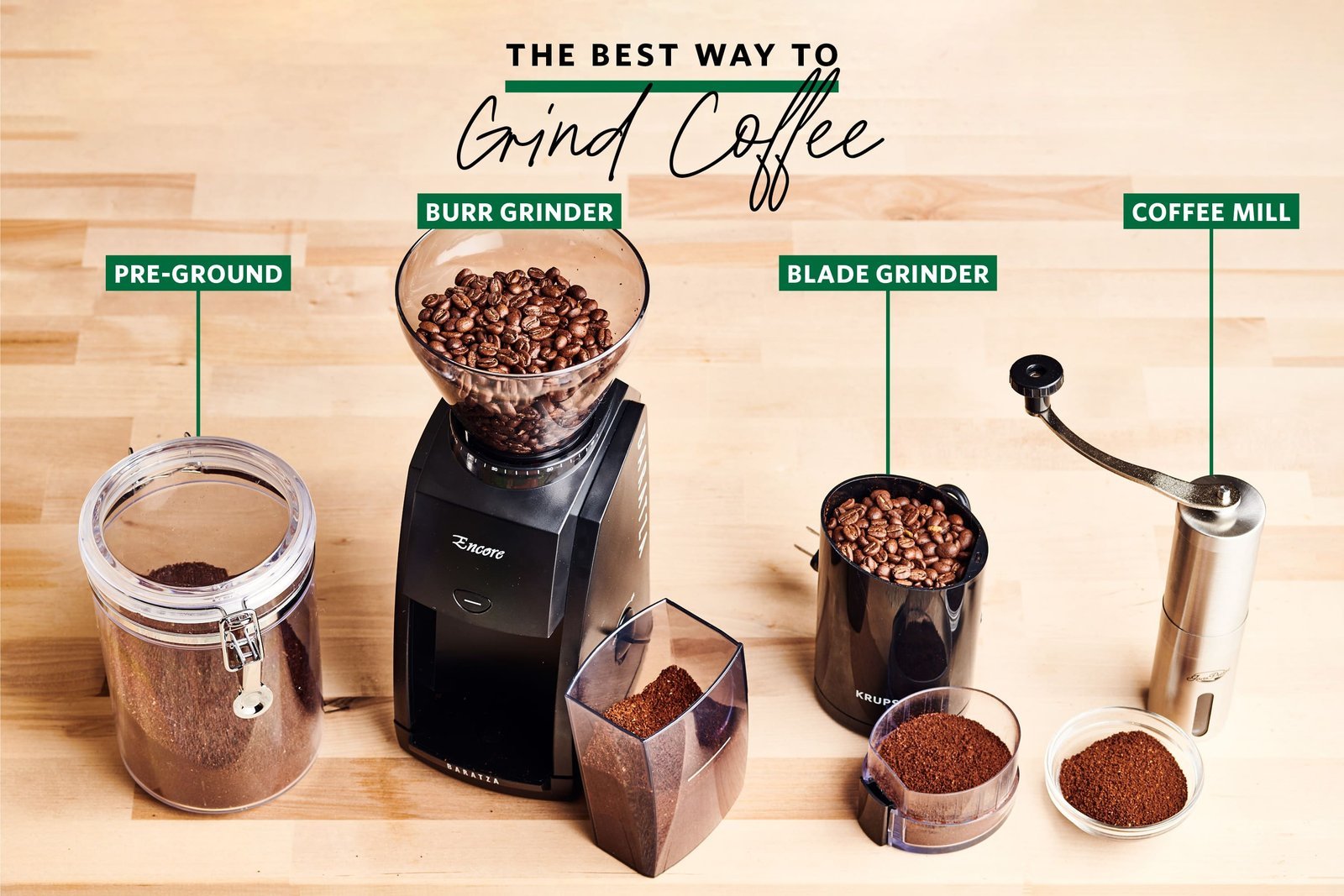
Coffee beans undergo sorting, roasting, and grinding before they fill a retail bag.
The table below outlines the primary machinery and materials used throughout this manufacturing cycle, along with the visible signs of mechanical failure:
| Part or input | What it does | What you notice when it goes wrong |
|---|---|---|
| Ripe coffee cherries | Supplies the natural seeds | Sour, fermented flavor in the cup |
| Depulping machine | Strips the outer fruit skins | Unwashed fruit rots the dry seeds |
| Roasting drum | Heats raw green coffee beans | Scorched bean surfaces, sharp bitter taste |
| Cooling tray | Pulls heat out with airflow | Overcooked batches lacking bright flavor |
| Industrial burr grinder | Crushes beans to precise sizes | Muddy liquid or clogged filter paper |
| Degassing valve bag | Vents carbon dioxide safely | Puffed bags or stale, flat coffee |
How is ground coffee made: From bean to bag
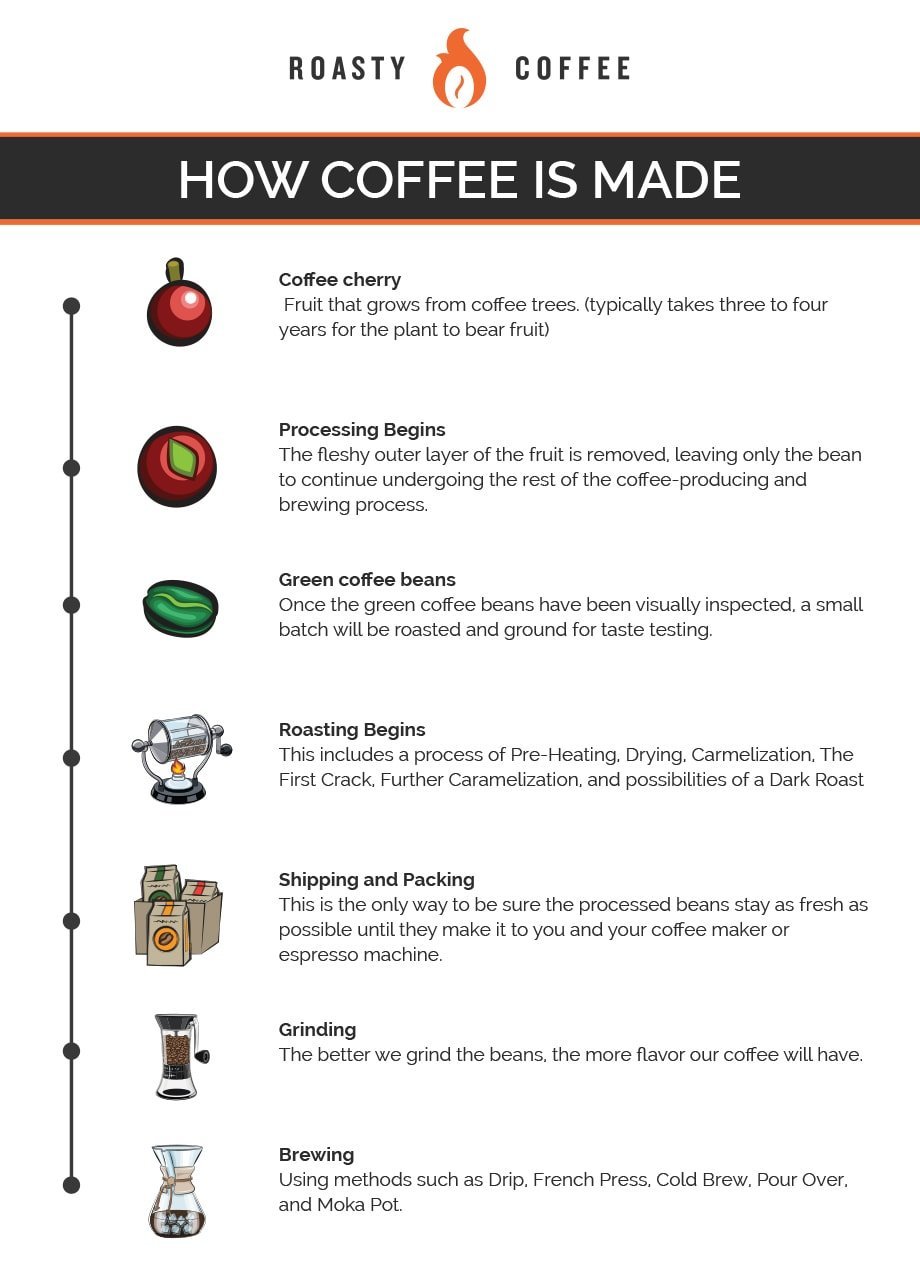
Raw coffee seeds must undergo rigorous thermal and mechanical stages to transform from hard, odorless green pellets into shelf-ready ground coffee. High heat expands the seed, losing moisture while unlocking aromatic oils.
- Ripe cherries enter water channels where heavy, dense fruit sinks to the bottom while leaves and defective floating cherries get skimmed off within 10 to 15 minutes.
- Mechanical pulpers squeeze the fruit skins off the inner parchment seeds over 1 to 2 hours, depending on total harvest volume.
- The stripped seeds rest on concrete patios to air-dry down to an 11% moisture target, taking 8 to 14 days under direct sunlight.
- Dry green beans enter a spinning roasting drum heated between 370°F and 450°F, tumbling continuously for 9 to 15 minutes to prevent burning.
- Beans hit their “first crack” sound around 385°F as water vapor bursts internal cell walls, causing the seed to expand in physical size.
- The roaster drops the hot batch onto an agitated cooling tray where exhaust fans bring bean temperatures to room level within 4 minutes.
- Roasted whole beans enter motorized steel burrs that shear them into granules measuring between 0.2 mm (fine espresso) and 1.5 mm (coarse French press).
Why bean processing alters your brew
The mechanical adjustments made during roasting and grinding directly dictate the flavor balance of the brewed liquid. If your final cup tastes aggressively sour, the beans passed through the grinder too fast at an overly coarse setting, leaving organic acids under-extracted. If the cup tastes harsh and dry like wood ash, the burrs ground the coffee too fine, causing water to dissolve bitter cellular walls.
Storing coffee in unsealed containers on the counter is a frequent mistake. Oxygen degrades volatile aromatic compounds, reducing aroma within days.
This product isn’t for people who want instant convenience without cleanup, as standard ground coffee doesn’t dissolve in water and leaves solid grounds behind.
Controlling your coffee grind and flavor
Understanding factory processing helps you adjust brewing parameters for better extraction.
Things you control
- The water brew temperature between 195°F and 205°F on your home kettle.
- The steep contact time between water and grounds based on your chosen brew gear.
- The coffee-to-water brew ratio, typically starting at 1 gram of coffee per 16 grams of water.
- The bag storage method, keeping grounds sealed in an opaque container away from light.
Things fixed by design
- The roasting depth, which is permanently locked once the roaster cools the bean.
- The natural caffeine concentration of the seed, determined strictly by botanical genetics.
- The native botanical altitude, which sets the bean’s starting density and cellular hardness.
If a commercial grinder jams, don’t open the casing; send it to a certified technician to avoid shock or voiding your warranty.
Keeping ground coffee fresh and flavorful
Preserve ground coffee by following these handling routines:
- Buy whole bags showing a roast date within the past 30 days, rather than an arbitrary “best by” date.
- Keep the coffee in its original foil bag using the one-way degassing valve rather than pouring it into a clear jar.
- Use a digital kitchen scale to measure coffee by mass in grams, as coffee density changes between light and dark roasts.
- Brew within 15 minutes of opening a pre-ground package, or grind whole beans immediately before pouring hot water.
Frequently asked questions
Can ground coffee dissolve completely in hot water?
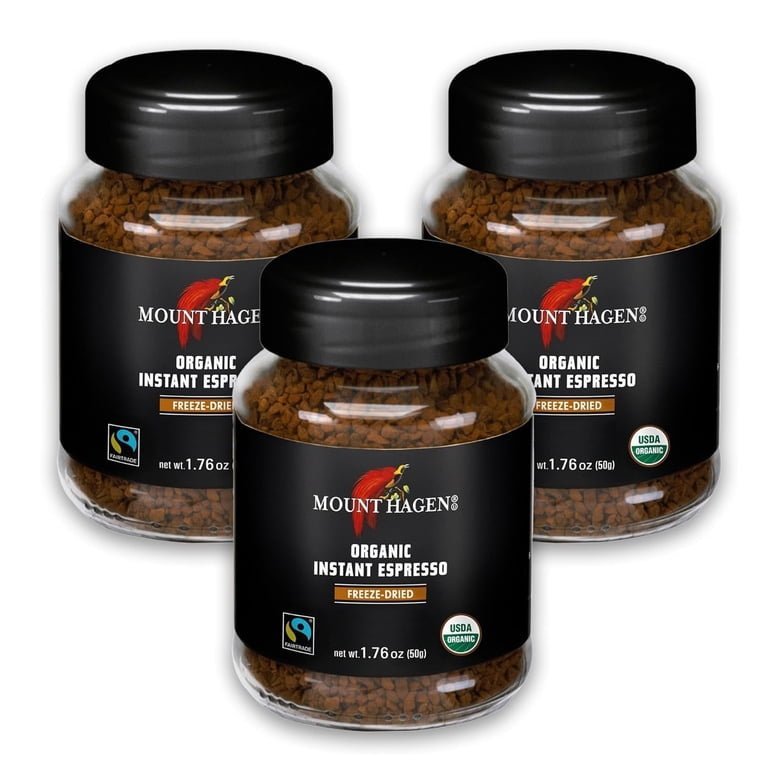
No, ground coffee can’t dissolve in water. It’s made from insoluble plant fibers that remain solid after brewing, unlike spray-dried instant coffee powder.
Why does ground coffee go stale so quickly?
Grinding increases bean surface area by thousands of times. This exposed cellular structure lets oxygen displace natural carbon dioxide gas, evaporating aromatic oils within hours.
How long does ground coffee stay fresh after opening?
About one to two weeks if kept in an airtight container at room temperature. After two weeks, the aroma flattens, though the grounds remain safe to brew.
Is it safe to store ground coffee in the freezer?
Yes, but only if the container stays completely airtight. Opening a cold bag lets moisture condense onto the grounds, which can degrade the quality of the coffee.
What happens if you grind coffee beans too fine?
Water flows through the compressed bed too slowly. This over-extracts bitter compounds, extends your brew time, and often leaves muddy sediment inside your drinking mug.
Does the roast color change caffeine content?
No, caffeine remains chemically stable at normal roasting temperatures. Dark roasts taste bolder due to bean charring, but light roasts carry almost identical caffeine per bean.
Ground coffee, in short
You now understand the mechanical and thermal stages required to transform raw farm seeds into the fragrant grounds waiting in your kitchen cabinet. As a clear decision rule: if you want bright, fruity flavors, choose light roasts ground coarsely for pour-overs; if you want heavy, chocolatey notes, choose dark roasts ground finely for espresso machines. Balancing your grind size against water contact time ensures you draw out sweet coffee oils without dragging harsh wood fibers into your mug.