
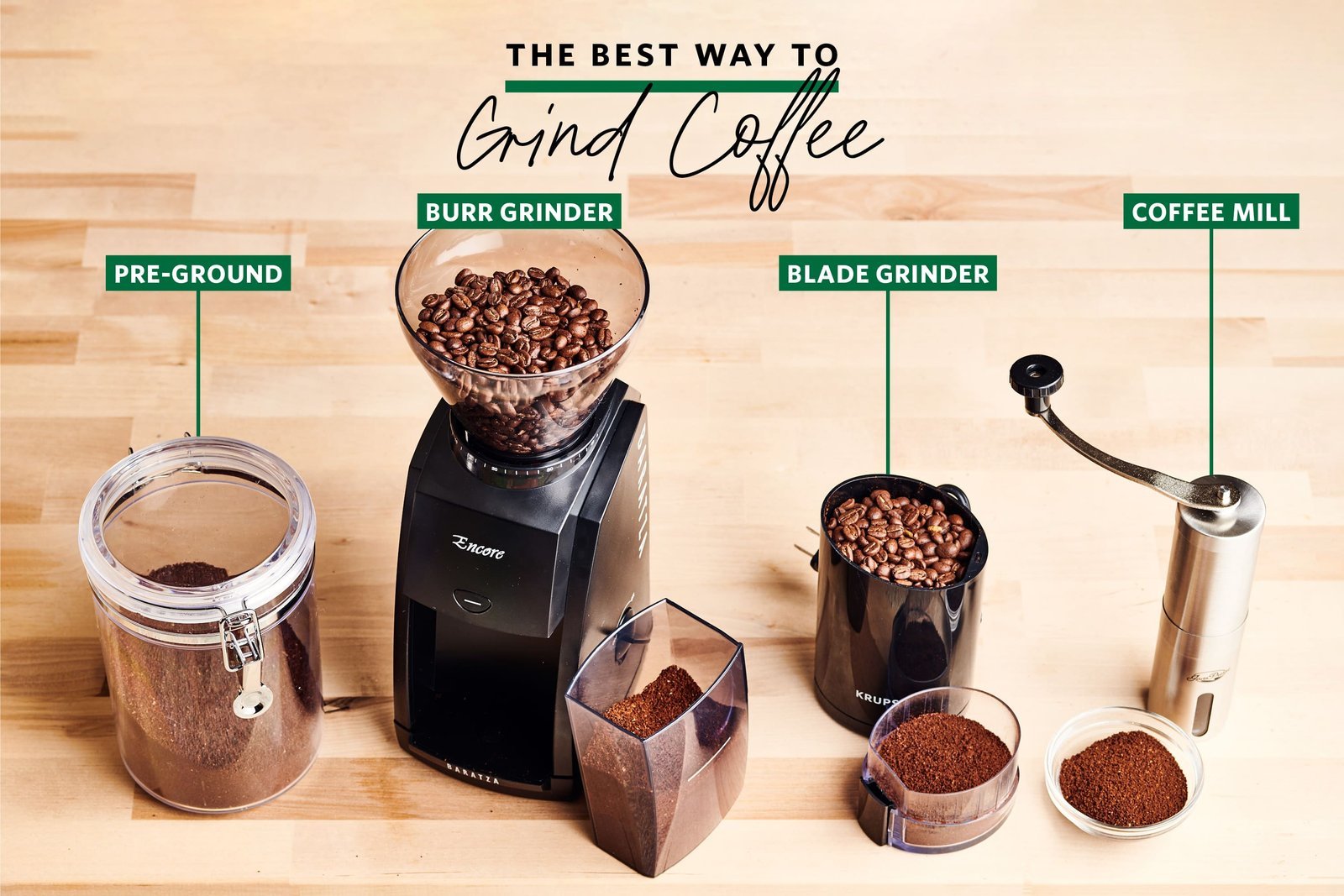
You achieve the perfect grind by using a burr grinder to crush beans into uniform particles, which preserves the delicate oils and flavor profiles required for a balanced brew. Professionals at the National Coffee Association explain that the grind size must match your specific brewing method to ensure proper extraction. This process suits home brewers who want to elevate their daily cup from mediocre to cafe-quality.
Equipment for grounding coffee
- Burr Grinder: A device with two abrasive surfaces; avoid blade grinders, which chop beans unevenly and create “fines” that make coffee taste bitter.
- Whole Bean Coffee: Roasted beans stored in an airtight, opaque container away from heat.
- Digital Scale: To measure beans by weight rather than volume for consistency.
- Brewing Device: The specific maker you plan to use, such as a French press or pour-over.
If you lack a scale, a tablespoon is a common substitute, though it lacks the precision needed for repeatable results.
Preparing Your Beans
- Measure 15 grams of coffee beans per 250 milliliters of water.
- Set your burr grinder to the appropriate size: coarse for a French press, medium for drip machines, or fine for espresso.
- Pour the measured beans into the grinder hopper.
- Activate the motor for 10 to 30 seconds, depending on your machine’s power and the desired volume.
- Check the texture against your target; if it feels like sand, it’s likely medium-fine, while sea salt indicates a coarse grind.
Careful: Don’t overfill the hopper, as this can cause the motor to overheat and stall. Tip: If your grinder has a “stepped” adjustment, start at the middle setting and move one click finer if the coffee tastes sour or watery.
Grind Adjustments by Method
The time and effort you spend grinding depend entirely on how you intend to brew your coffee.
| Brewing Method | Grind Texture | Extraction Time | Watch For |
|---|---|---|---|
| French Press | Coarse | 4 minutes | Large, chunky bits |
| Drip Machine | Medium | 3 minutes | Sand-like consistency |
| Espresso | Fine | 30 seconds | Powdered sugar feel |
Always start with a conservative grind size; it’s far easier to adjust finer on your next batch than to save an over-extracted, bitter cup.
Checking Your Results
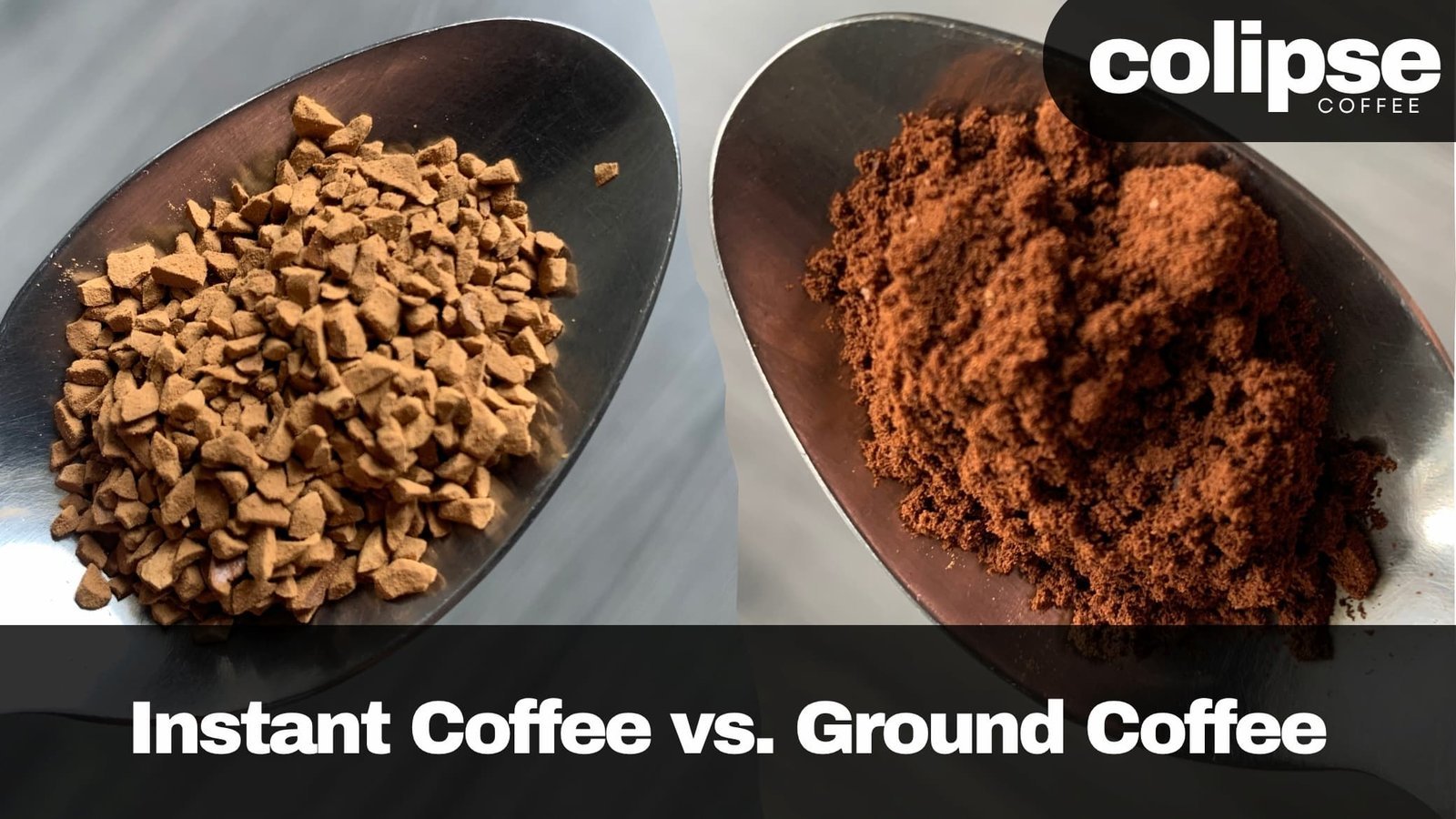
A perfect grind looks uniform and feels consistent throughout the batch. If you see a mix of very large chunks and fine dust, your burrs are likely dull or misaligned, which leads to uneven extraction. To prevent this, clean your grinder burrs monthly with a stiff brush to remove old oils and debris that can clog the mechanism and cause inconsistent particle sizes.
Maintenance and Best Practices
Follow the manufacturer’s manual for cleaning intervals. Store ground coffee in a vacuum-sealed container to limit oxidation. If you’re unsure about safe maintenance, consult the user guide provided by your grinder manufacturer for the exact disassembly steps for your model.
How Do You Ground Coffee: Different Approaches
Manual Hand Grinding
Using a manual crank grinder offers total control and portability. It takes more physical effort and time, but it’s quieter and produces less heat than electric motors.
Pre-Ground Convenience
Buying pre-ground coffee saves time but sacrifices freshness. Once the beans are broken, surface area increases, causing rapid loss of aromatic compounds; use within one week.
Commercial Grinding
Some local roasters provide professional-grade grinding services. This is a great way to access high-end equipment, though you must use the coffee quickly before the flavor fades.
Frequently asked questions
Can I use a blender to grind coffee?
No, a blender can’t produce a consistent grind size. It will result in a mix of boulders and dust, leading to an uneven, bitter, and muddy cup of coffee.
How long does ground coffee stay fresh?
Ground coffee stays fresh for about 30 minutes before significant oxidation occurs. For the best flavor, always grind your beans immediately before you start the brewing process.
Is it safe to grind oily beans?
Yes, but oily beans can clog the internal chutes of some grinders. Clean your equipment more frequently if you prefer dark roasts to prevent old oils from turning rancid.
Why is my coffee sour?
Your coffee is likely under-extracted because the grind is too coarse. Try adjusting your setting to a finer level to increase the surface area for the water.
What happens if I grind too fine?
Grinding too fine causes over-extraction, which creates a bitter, astringent taste. If the water flows too slowly or the coffee tastes burnt, adjust your setting to be coarser.
Ground coffee, in short
Once you’ve dialed in your preferred texture, don’t be afraid to experiment with different origins to see how they respond to your settings. You’ll find that even small adjustments make a world of difference in your mug. Grab a fresh bag of beans today and enjoy the journey toward your ideal cup.