
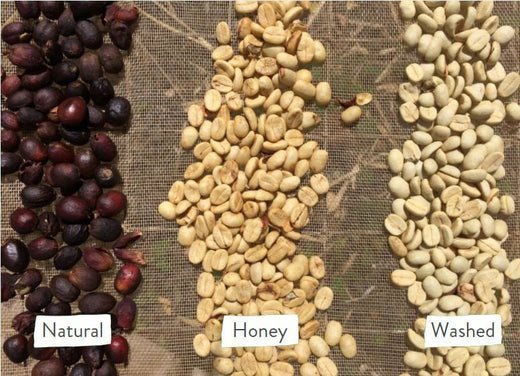
The primary difference is that natural coffee beans are dried inside the fruit, while washed coffee beans have the fruit pulp removed before drying. This process determines the final flavor profile, as natural beans absorb sugars from the fruit during drying.
Key facts about coffee processing
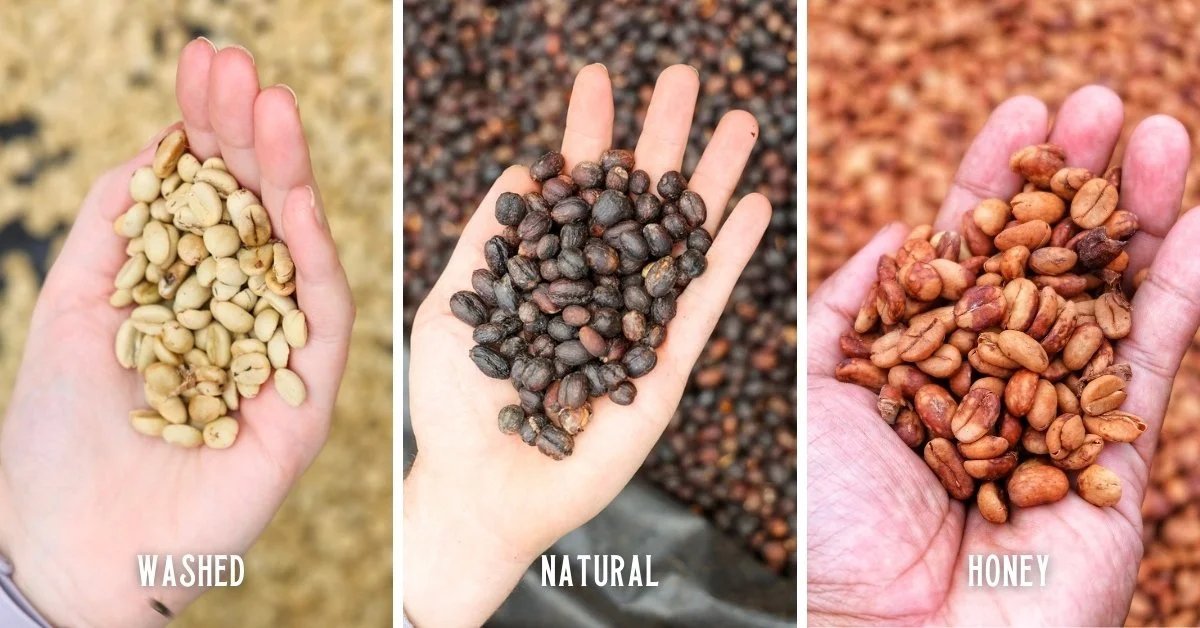
- Natural processing relies on sun-drying the whole cherry, which creates a heavy body and sweet, fruity notes.
- Washed processing uses water to strip the fruit pulp immediately, resulting in a cleaner, more acidic cup.
- Natural beans often have more variation in quality because the drying process depends heavily on consistent sun exposure.
- Washed beans are more uniform and highlight the specific characteristics of the coffee plant’s origin.
- This varies by model — check the label on your coffee bag to see if it lists the processing method.
- If you prefer a bright, citrus-like coffee, choose washed; if you like heavy, berry-like flavors, choose natural.
Why coffee processing changes flavor
The difference in flavor comes from the contact time between the coffee bean and its surrounding fruit, known as the mucilage. During natural processing, the bean stays inside the coffee cherry for several days while it dries in the sun. This extended contact allows the bean to absorb natural sugars and compounds from the fruit flesh, which adds sweetness and complexity to the final roast. In contrast, the washed method uses a de-pulping machine and water fermentation to remove all fruit material before the drying stage begins. By stripping the fruit away early, the bean is left to dry on its own, which eliminates the influence of the fruit’s sugars. This process is documented in detail by Texas A&M University’s Coffee Research regarding the impact of fermentation on the final cup. Because there’s no fruit residue left to impart sweetness, the washed bean reveals the pure, inherent acidity of the soil and climate where it grew.
Processing methods for coffee beans
| Situation | What changes | What to do instead |
|---|---|---|
| High humidity | Drying time | Use mechanical dryers |
| Limited water | Resource use | Choose natural process |
| High altitude | Bean density | Adjust roast profile |
| Small harvest | Labor cost | Use washed method |
| Organic focus | Waste water | Use natural process |
How to identify your preferred coffee
- Look at the coffee bag label to find the processing method, usually listed near the origin and roast level.
- If the bag says “Natural” or “Dry Processed,” expect a thicker mouthfeel and sweet, jammy notes in your cup.
- If the bag says “Washed” or “Wet Processed,” expect a crisp acidity and a clean finish on your palate.
- Brew a small batch using 15 grams of coffee to 250 milliliters of water to compare the two methods directly.
- If you find the natural coffee too intense, try mixing it with a washed bean to balance the acidity.
- Store your beans in an airtight container away from direct sunlight to keep the specific processing notes fresh.
The mistakes that ruin it
- Storing beans in the freezer creates moisture condensation that permanently damages the delicate oils formed during processing.
- Grinding the beans too far in advance causes the volatile aromatics to escape, which flattens the distinct flavors of natural beans.
- Using water that’s too hot or too cold prevents the coffee from extracting the specific notes the processor intended.
- Buying pre-ground coffee hides the processing difference because the surface area exposed to oxygen ruins the flavor profile quickly.
Frequently asked questions
Photo: kaucoffeemill.com on Google
Can I taste the difference between natural and washed coffee beans?
Yes, most people can notice a clear difference because natural beans have a heavy, fruit-forward sweetness while washed beans offer a clean, sharp acidity. If you’re unsure, try brewing both side-by-side to compare the body and aftertaste of each cup.
Is one processing method healthier than the other?
No, both methods are safe for consumption when processed according to standard agricultural practices. The choice between them is purely about your personal taste preference and the flavor profile you want to experience in your morning cup of coffee.
Does the processing method change the caffeine content?
No, the processing method doesn’t change the caffeine content of the bean. Caffeine levels are primarily determined by the coffee species, such as Arabica or Robusta, and the specific growing conditions of the farm where the beans were harvested.
Which method is better for espresso?
It depends on your preference, as natural beans create a thick, syrupy crema, while washed beans provide a bright, balanced shot. Many baristas prefer a blend of both to achieve a balance between body, sweetness, and complex acidity in their espresso.
How long do processed beans stay fresh?
About one month is the ideal window for peak flavor after the roast date, regardless of the processing method. You should check the packaging for a “roasted on” date, as older beans will lose the distinct characteristics that define their processing style.
What happens if I brew them at the same temperature?
It works fine, but you might notice the flavors are muted if you don’t adjust your grind size. If the natural coffee tastes too bitter, try a slightly coarser grind, or if the washed coffee tastes sour, try a slightly finer grind.
Difference between, in short
Choosing between these two methods is a matter of trial and error. If you enjoy a bold, sweet cup, stick with natural-processed beans. If you prefer a clean, vibrant cup, washed beans are the better option for your daily brew.