
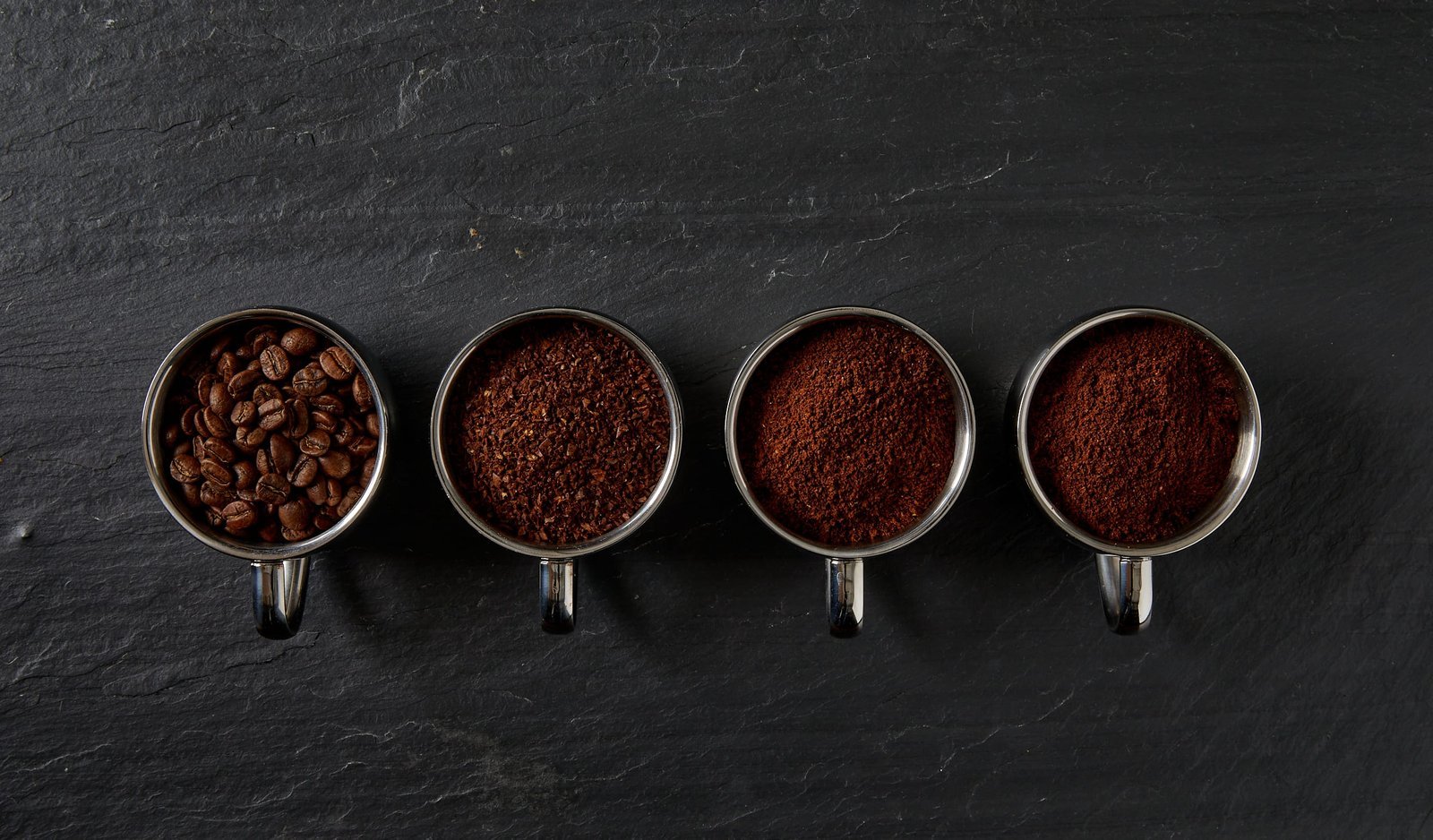
Yes, you can drink ground coffee beans, though it’s usually an unpleasant experience that leaves gritty residue in your mouth. You should only consider this if you’re desperate for caffeine and have no way to filter the mixture, as the texture is often quite difficult to swallow.
Coffee grounds and consumption safety
Photo: www.tankcoffee.com on Google
| Your situation | Answer | Why |
|---|---|---|
| Swallowing a few grounds | Yes, safe | They’re inert organic material |
| Drinking a full cup | No, unpleasant | Causes severe mouth grittiness |
| Eating raw grounds | No, risky | Can cause digestive discomfort |
| Using as a spice | Yes, safe | Adds texture and flavor |
| Consuming large amounts | No, unsafe | High caffeine content risks |
What decides if it’s palatable
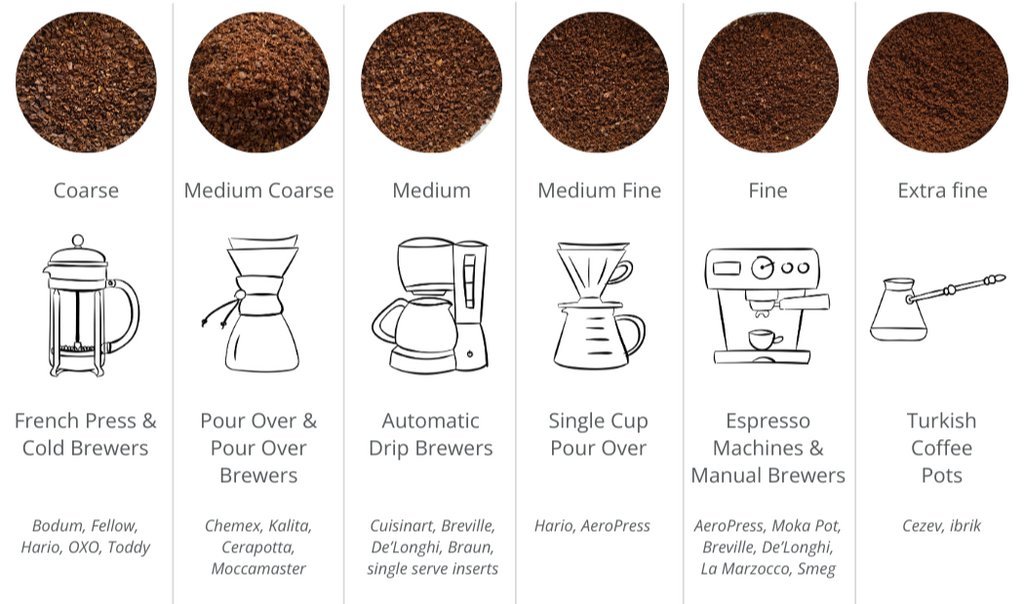
The primary factor determining whether you should consume coffee grounds is the particle size of the grind. Coffee beans are roasted and ground specifically to release oils and flavors into water through extraction, not for direct ingestion. When you swallow these particles, your digestive system struggles to break down the fibrous material, which can lead to bloating or stomach upset for sensitive individuals.
Furthermore, the concentration of caffeine in whole grounds is significantly higher than in a prepared cup of coffee. If you consume a large volume of grounds, you risk exceeding safe caffeine limits quickly. If the grounds are coarse, you’ll feel significant discomfort; if they’re fine, they may coat your throat and cause irritation.
How to prepare a drinkable cup
Photo: beanscoffeeclub.com on Google
If you find yourself without a coffee maker or filter and must use loose grounds, follow these steps to make the result drinkable.
- Use a coarse grind if possible to ensure the particles settle at the bottom of your cup quickly.
- Add hot water that’s just off the boil to your mug, using one tablespoon of grounds for every six ounces of water.
- Stir the mixture thoroughly, then let it sit undisturbed for four minutes to allow the grounds to sink.
- Pour very slowly into a secondary container, stopping the moment you see the sediment moving toward the rim.
- Leave the bottom inch of liquid in the cup, as this contains the bulk of the loose grounds.
The mistake people make
The most common mistake is stirring the coffee too vigorously right before the first sip. It costs you a smooth drinking experience, as you end up with a mouth full of sludge rather than a clean cup of coffee. To avoid this, always let the cup sit perfectly still for at least four minutes before you attempt to drink, and never stir once the settling process has begun.
When to stop and get help
- Persistent stomach pain suggests that the fiber or caffeine content is irritating your digestive lining.
- Heart palpitations indicate you have consumed too much caffeine, which requires immediate rest and hydration.
- Allergic reactions like swelling or hives require medical attention from a doctor or urgent care clinic.
- Choking sensations caused by fine dust mean you must stop immediately, as inhalation of coffee particles can irritate your lungs.
Frequently asked questions
Can you eat coffee grounds for energy?
Yes, you can eat them for energy, but it isn’t recommended because the caffeine absorbs very quickly and can cause jitters or rapid heart rate compared to drinking brewed coffee.
Is it safe to swallow coffee grounds?
Yes, it’s safe to swallow a small amount of coffee grounds, as they’re simply roasted and ground food material that will pass through your digestive system without causing harm.
Why do coffee grounds taste bitter?
They taste bitter because they contain high concentrations of tannins and acids that are meant to be extracted into water rather than consumed directly in their concentrated, solid form.
How long does it take for grounds to settle?
It usually takes about four minutes for the majority of the grounds to settle to the bottom of a mug, provided the water is still and the grind is relatively coarse.
Does drinking grounds cause dehydration?
No, consuming a small amount of grounds won’t cause dehydration, though the high caffeine content in a large volume of grounds acts as a mild diuretic for many people.
Can you mix grounds with milk?
Yes, you can mix them with milk, but the texture remains gritty and unpleasant, so most people prefer to use a French press or filter to separate the particles first.
Does the roast level change safety?
No, the roast level doesn’t change the safety of the beans, but darker roasts are more brittle and may produce finer dust that’s harder to keep out of your drink.
Drink ground, in short
Start by letting your hot water and coffee grounds sit undisturbed for at least four minutes. You should expect a clear, dark liquid to form at the top, which is the sign that the particles have settled. If you feel sharp stomach pain, stop drinking immediately.
Related guides