
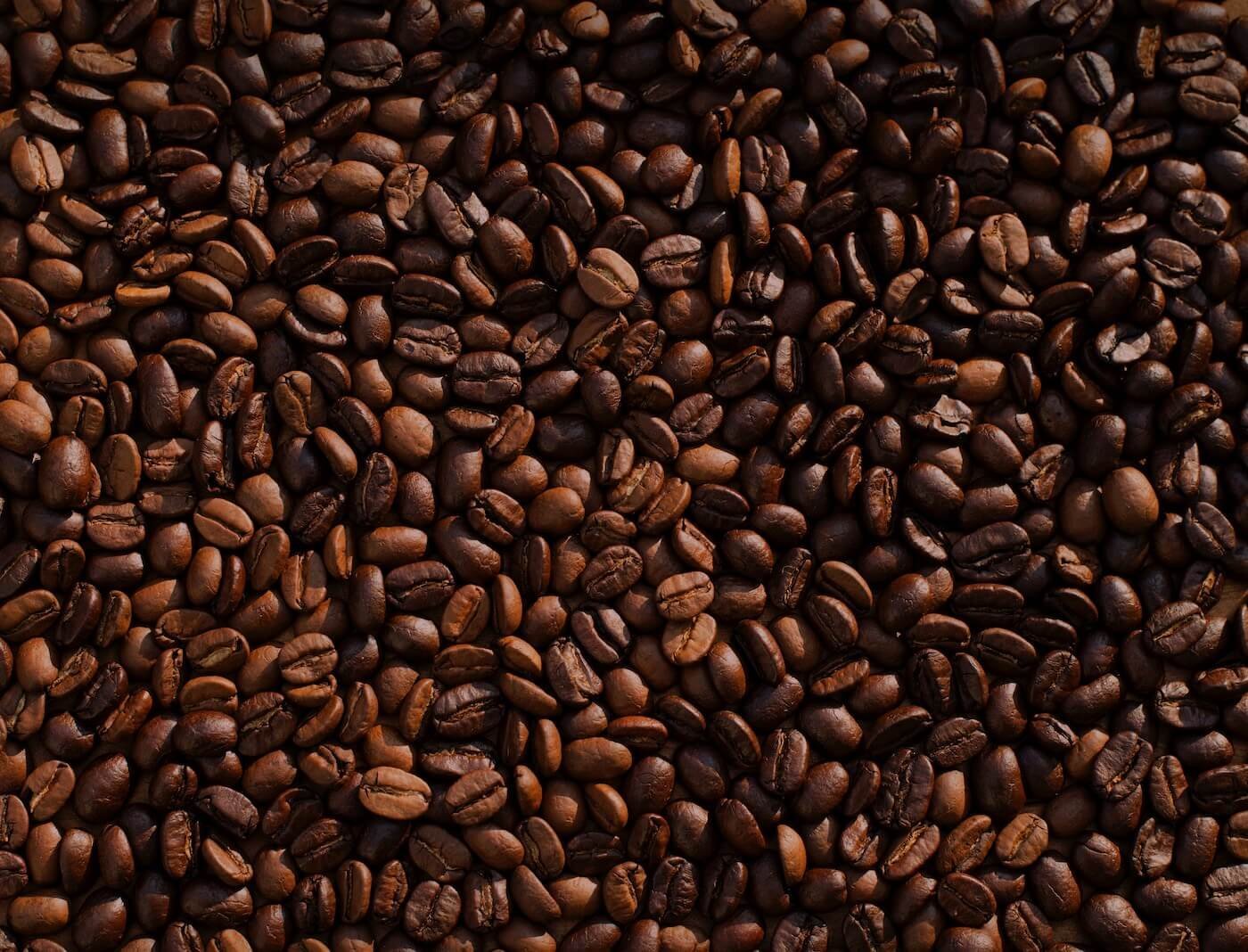
Coffee beans become the product we use for brewing after they’re harvested, dried, roasted, and finally ground into smaller particles. This is how coffee grounds made from the seeds of the Coffea plant are processed to extract flavor during brewing, with the grind size determining the extraction rate.
These processes vary based on the specific equipment used for roasting and grinding, as well as the desired final texture. You’ll find that the physical consistency of the grounds changes based on the brewing method, which dictates how fast water can pass through the coffee bed.
How coffee grounds are made
Home brewers and coffee enthusiasts often look for this information to better understand coffee extraction. If you’re looking for specific recipes or brewing ratios, you should look for a manual dedicated to your specific coffee maker.
The factors that determine particle size
Grind size is determined by the distance between grinding surfaces. In a burr grinder, the gap between the two metal or ceramic plates is adjustable. If you move the burrs closer together, you produce a finer, powder-like texture. If you move them further apart, you get coarse, rock-salt-like particles.
Heat generation is the second factor. High-speed blade grinders can heat the beans, which may cause the oils to release prematurely. This often results in a loss of aroma before the coffee even touches the water.
Processing steps for home grinding
- Select your roasted coffee beans, ensuring they’re free from debris or foreign objects.
- Adjust your grinder to the setting required for your brewing method.
- Pour a measured amount of beans into the hopper, typically 15 to 20 grams for a standard cup.
- Activate the grinder for 10 to 30 seconds, depending on the power of the motor.
- Check the texture by rubbing a small amount between your fingers to ensure it matches the desired look.
- Transfer the grounds immediately into your brewing device to prevent oxidation.
- Clean the grinder chamber to remove leftover oils that can turn rancid over time.
The most important judgement call is determining the right grind size for your specific brewer. A grind too fine for French press creates sludge, while one too coarse for espresso results in weak, watery coffee.
The variations in grind texture
Different brewing methods require specific particle sizes to interact correctly with water.
| Method | Texture | Time to Grind | Watch For |
|---|---|---|---|
| Espresso | Very fine powder | 15 seconds | Clumping |
| Drip Coffee | Medium sand | 10 seconds | Uniformity |
| Pour Over | Medium-fine | 12 seconds | Even flow |
| French Press | Coarse salt | 8 seconds | Large chunks |
| Cold Brew | Extra coarse | 7 seconds | Minimal dust |
Achieving a consistent result
Controlling particle uniformity
Experienced users prioritize the consistency of the grind to ensure that every particle releases its flavor at the same speed. If you use a blade grinder, pulse the machine in short bursts rather than running it continuously. This simple habit keeps the temperature down and helps you see the progress of the grind without over-processing the beans into a fine dust.
Managing oxidation and freshness
Freshness depends on how quickly you use the coffee after grinding. The National Coffee Association notes that oxygen and moisture are the primary enemies of freshness. Never store pre-ground coffee in the freezer, as condensation can introduce moisture that degrades the flavor.
Common grind problems and fixes
| What you notice | What it usually means | What to do first | How to stop it |
|---|---|---|---|
| Bitter taste | Over-extraction | Use coarser setting | Adjust burr gap |
| Sour taste | Under-extraction | Use finer setting | Check bean weight |
| Muddy coffee | Too many fines | Clean the burrs | Use better grinder |
| Weak flavor | Too coarse | Use finer setting | Increase dose |
| Burnt smell | Heat damage | Pulse the grinder | Shorter grind time |
Technical and safety standards
The safety of coffee depends on proper storage and handling, as coffee is a food product that can harbor mold if stored in humid conditions. Organizations like the International Organization for Standardization provide guidelines for the vocabulary and sensory analysis of coffee, ensuring that products meet specific quality metrics. For any mechanical failure involving electrical components, contact the manufacturer’s support team rather than attempting a repair yourself, as this can void your warranty or cause electrical injury.
The real cost of grinding
The cost involves equipment investment and the price per gram of beans. Blade grinders are cheap but require more effort for consistency. Burr grinders cost more initially but reduce waste and improve quality. Pre-ground coffee trades freshness for convenience. Compare the cost per pound of beans at local roasters versus grocery stores.
Maintaining your equipment
To keep your grinder performing correctly, remove all remaining dust after every session. Small particles trapped in the burrs will turn rancid and add a stale, cardboard-like flavor to your next brew. Once a month, use a dedicated grinder cleaning tablet or a dry, stiff brush to scrub the internal surfaces. Never use water to clean the burrs unless the manual explicitly states that the parts are stainless and removable for washing. If the motor begins to sound strained or the grind size becomes uneven despite your settings, it’s a sign that the burrs are dull and need replacement.
When to avoid manual grinding
If you don’t have the time or the proper equipment, grinding at home may not be the best choice. In these cases, it’s better to have your beans ground by a professional at a local coffee shop. If you’re dealing with a large volume of coffee for a party or event, don’t attempt to grind it all at once in a small home machine, as this will likely cause the motor to burn out.
Frequently asked questions
Can I grind coffee in a blender?
Yes, you can use a blender, but it will produce very uneven grounds. The blades aren’t designed for coffee, so you’ll get a mix of large chunks and fine dust.
Is it safe to drink coffee with sediment?
Yes, it’s safe to consume the fine particles that pass through a filter. Methods like the French press intentionally leave these particles in the cup to provide a heavier, fuller body.
How long does ground coffee stay fresh?
For the best flavor, you should brew the grounds immediately after they leave the machine to capture the oils.
Does the grind size affect caffeine levels?
No, the grind size doesn’t change the total caffeine content of the beans. It only changes how quickly the caffeine and other compounds are pulled into the water during the brew.
What happens if I grind too fine?
A grind that’s too fine will clog your filter and cause the water to sit too long with the coffee. This creates an over-extracted, bitter, and astringent cup of coffee.
Does a coarse grind make stronger coffee?
No, a coarse grind usually results in a weaker cup because the water can’t extract enough flavor. You would need to increase the brewing time or the coffee-to-water ratio to compensate.
Start by choosing a consistent bean and a clean grinder. If the motor struggles or smells burnt, turn it off immediately.
Coffee grounds, in short
Once you’ve found the right texture for your favorite brewer, the real fun begins with the fresh beans themselves. Experimenting with different grind settings will change how your cup tastes, so don’t be afraid to tweak your recipe. You’ll soon discover the perfect balance that makes your morning routine feel special.
Related guides