
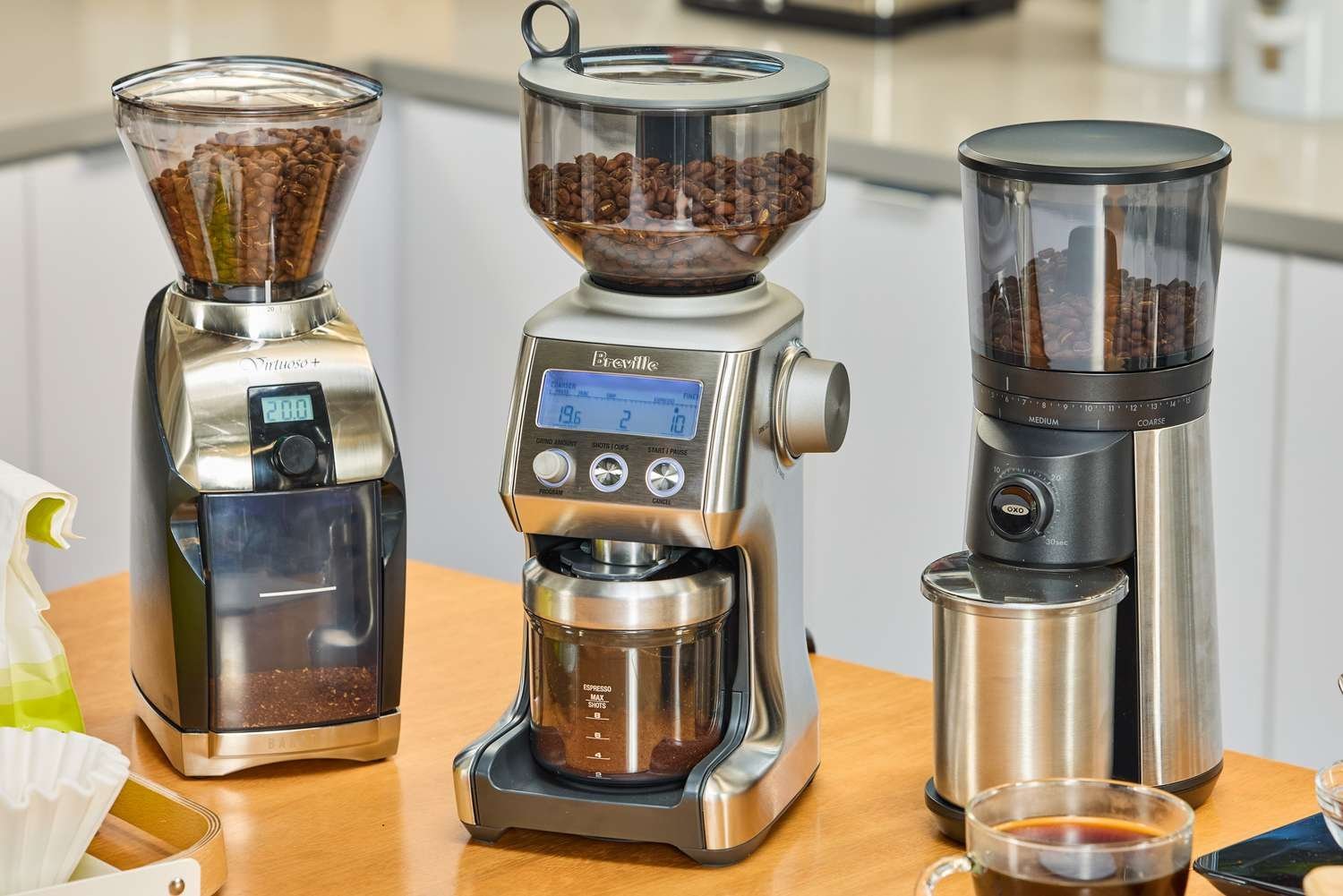
No, you can’t put ground coffee in a coffee grinder because the blades or burrs will clog and fail to process the fine particles further. You can put ground coffee in a coffee grinder only if you’re cleaning the machine with specialized grinding tablets meant for that specific purpose.
Coffee machine compatibility and usage
Photo: www.youtube.com on Google
| Your situation | Answer | Why |
|---|---|---|
| Re-grinding coarse grounds | No | Blades can’t grab fine particles |
| Cleaning with tablets | Yes | Tablets absorb oils and debris |
| Mixing spices with coffee | No | Residual oils ruin coffee taste |
Can you put ground coffee in a coffee grinder? Mechanical limits
The design of a coffee grinder focuses on breaking whole beans into uniform pieces through mechanical force. Whether you use a blade or burr system, the machine requires the physical resistance of a solid bean to function correctly. When you introduce already ground coffee, the particles are too small to be engaged by the blades or the teeth of the burrs. Instead of being crushed, the grounds simply pass through or pack tightly into the gaps between components. This pressure can cause the motor to stall or overheat as it struggles against the resistance of packed coffee dust. Furthermore, the National Coffee Association notes that consistent particle size is essential for proper extraction, and attempting to re-grind coffee destroys that uniformity. If the machine is a burr model, this process can force oils and fines into the adjustment mechanism, potentially seizing the calibration.
Proper equipment maintenance
Photo: beanscoffeeclub.com on Google
If you need to change your grind size, you must adjust your grinder settings before adding whole beans. Never attempt to force pre-ground coffee through the machine to achieve a finer texture, as this leads to machine damage rather than a better brew.
- Empty the hopper completely. Ensure no stray beans or dust remain in the chamber.
- Adjust the setting dial. Turn the dial to your desired fineness while the motor is running to avoid jamming the mechanism.
- Add fresh whole beans. Pour only the amount of coffee you intend to brew immediately to maintain peak freshness.
- Pulse the grinder. Use short, controlled bursts if you’re using a blade grinder to prevent the coffee from heating up.
- Check the consistency. Inspect the grounds to ensure they match the texture required for your specific brewing method.
The mistake of double processing
Photo: procoffeegear.com on Google
The most common mistake is attempting to make a “finer” grind by running pre-ground coffee through the machine a second time. Cleaning this gunk out often requires a full disassembly of the unit, which can void your manufacturer warranty if done incorrectly.
Professional service requirements
- Motor stall: If the grinder hums but doesn’t spin, the motor is jammed and requires professional repair.
- Burr misalignment: If the grind is uneven after cleaning, the burrs may be damaged and need a technician to recalibrate.
- Electrical burning smell: Smoke or a burning odor indicates a fried circuit, which is a fire hazard.
- Warranty seals: Don’t open the motor housing if the unit is under warranty.
Can I use a blender instead of a grinder?
No, a blender doesn’t create a consistent particle size. The high-speed blades will shatter the beans unevenly, leading to a bitter brew due to over-extraction of the tiny dust particles.
Why does my coffee taste metallic?
This often happens if you grind non-coffee items like spices in your machine. The oils from spices stick to the metal burrs and leach into your coffee, creating an unpleasant, metallic aftertaste.
How do I clean my grinder safely?
Use a stiff, dry brush to remove loose grounds from the burrs. For a deeper clean, use food-safe grinder cleaning pellets that are specifically designed to clear out old coffee oils.
Is it safe to grind coffee for cold brew?
Yes, but you must use a coarse setting. If you use a fine setting, the grounds will clog your filter and create a cloudy, gritty cold brew that’s difficult to strain properly.
Does the roast level change the grind?
Yes, darker roasts are more brittle and grind faster. If you switch from a light roast to a dark roast, you may need to adjust your grinder slightly coarser to prevent over-extraction.
Can I grind coffee while it’s frozen?
Freezing beans doesn’t introduce moisture if they’re stored in an airtight container. When you grind frozen beans, the moisture turns to condensation inside the grinder, which can cause the internal parts to rust or the grounds to clump.
Start by choosing the right grind setting for your specific brewer before you add any beans to the hopper. You’ll see a consistent, uniform texture in the output bin when the machine is working correctly. Stop immediately if you hear a grinding noise or notice the motor slowing down.