
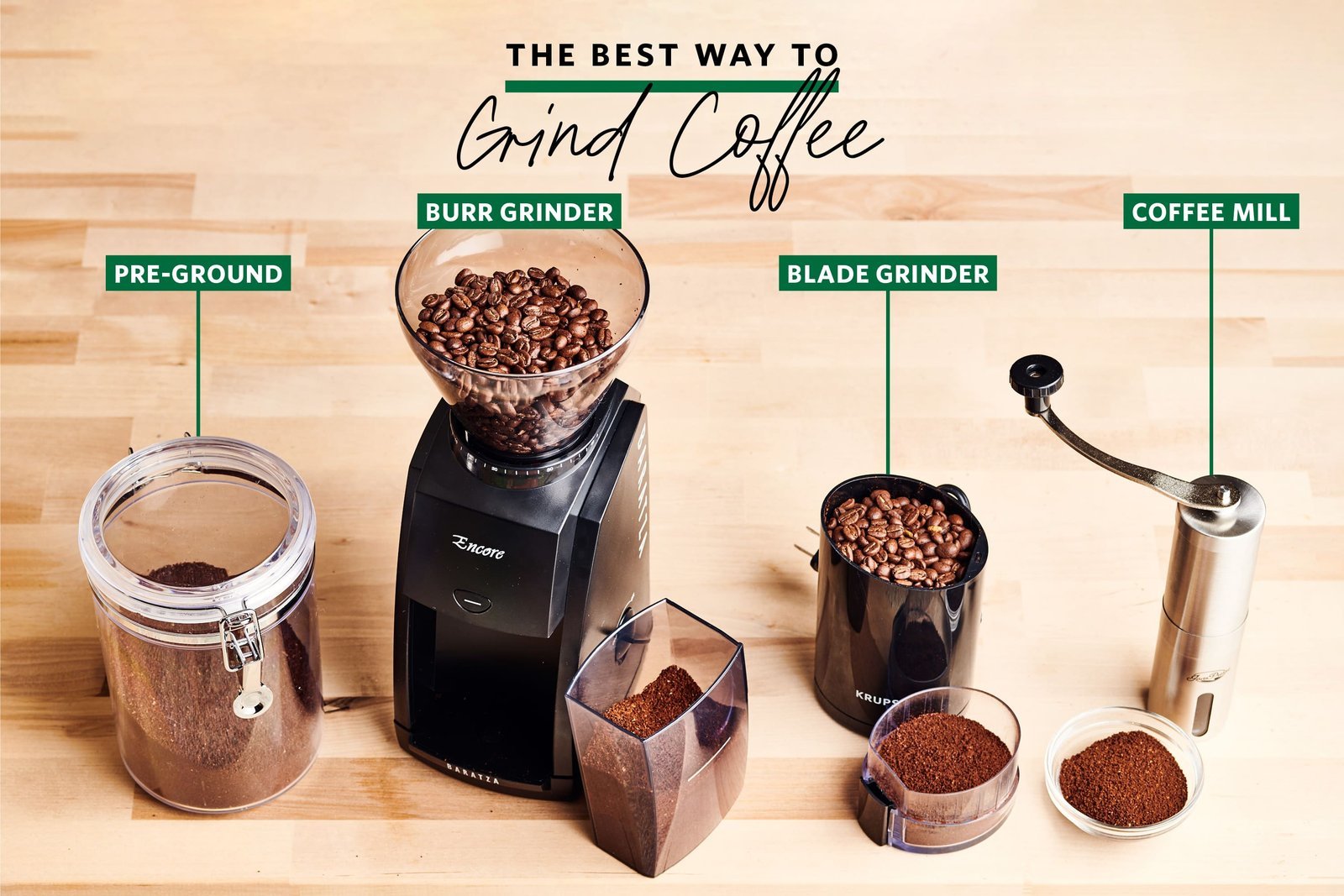
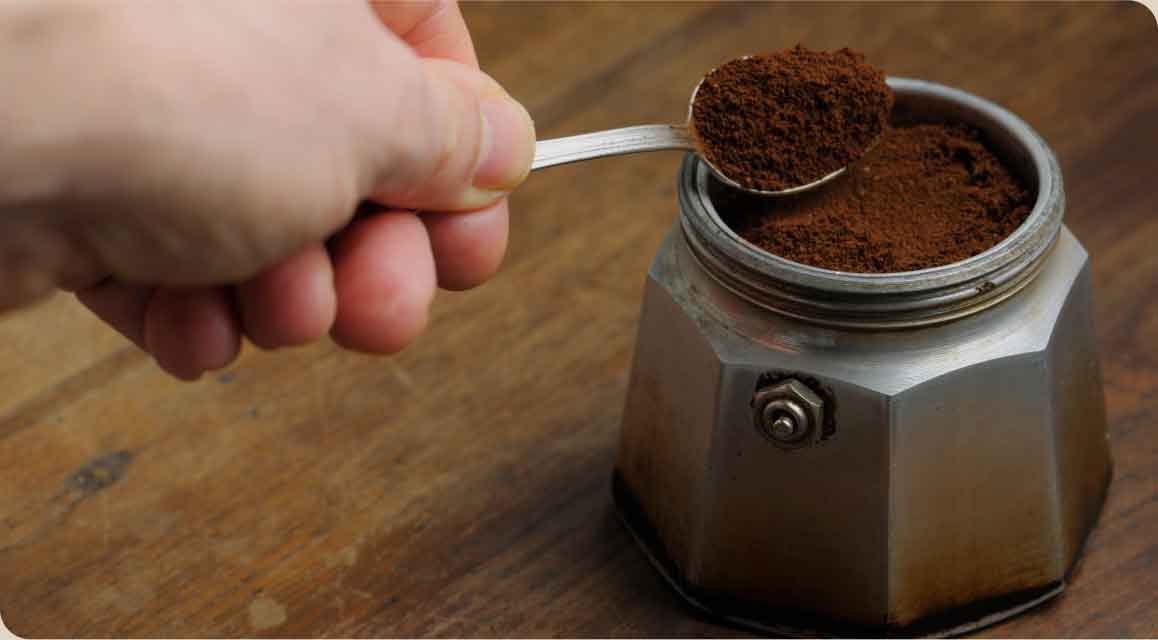
Yes, you can grind ground coffee, but the result is rarely worth the effort. It isn’t an effective way to change your brew, as your device will likely produce a messy, uneven powder rather than a consistent grind.
How grind size affects your coffee
| Your situation | Answer | Why |
|---|---|---|
| Using a blade grinder | No | It creates mostly dust |
| Using a burr grinder | No | The coffee is already small |
| Brewing espresso | No | It clogs the basket |
| Brewing drip coffee | No | It causes over-extraction |
| Reducing particle size | No | It creates bitter silt |
| Changing brew method | No | The grind is the wrong shape |
Why re-grinding fails
The primary issue with trying to make finer grounds is that your grinder is designed to shear whole beans, not process small particles. If you put already-ground coffee into a burr grinder, the burrs can’t grab the tiny pieces effectively. This results in the coffee passing through without becoming significantly finer, or it creates a layer of “fines”—dust-like particles that block the flow of water.
If you use a blade grinder, the result is even worse. The blades will simply toss the grounds around, creating an inconsistent mixture of large chunks and fine powder. This unevenness ruins the flavor because the water extracts the fine particles too quickly while failing to pull enough flavor from the larger pieces. If your device is meant for beans, forcing grounds through it can overheat the motor or clog the internal path. If the particles are already small, they won’t get smaller; they will just get stuck.
What to do instead
If you find yourself with a bag of coffee that’s ground too coarsely for your machine, you can’t simply fix it with a grinder. Instead, try these methods to use what you have:
- Switch to a French press: This method is more forgiving with coarse grounds. Use a 1:15 coffee-to-water ratio and steep for 4 minutes to get a full-bodied cup.
- Use a cold brew method: Steep the coarse grounds in cold water for 12 to 18 hours in the fridge. This slow extraction helps manage the flavor profile without needing a fine grind.
- Try a percolator: This old-school method handles coarse grounds well. It cycles boiling water through the coffee repeatedly, which helps extract flavor from larger particles.
These options aren’t for anyone who insists on a precise espresso shot, as that requires a specific, uniform grind size that only fresh beans can provide.
The mistake people make
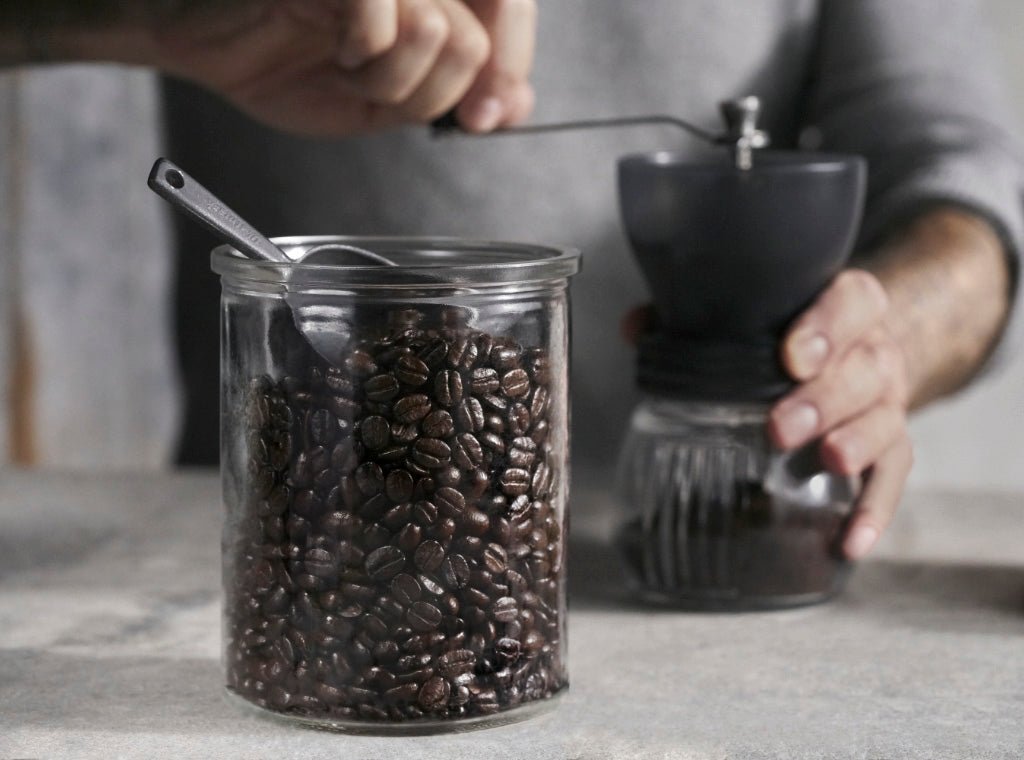
The biggest mistake people make is believing that a second pass through a grinder will create a finer, usable texture. This usually results in a clogged machine that’s difficult to clean and a cup of coffee that tastes intensely bitter or astringent. You end up wasting time and potentially damaging the motor of your equipment. The only check that avoids this is to look at the particle size before you brew; if it feels like sand, it’s already as small as it will get.
Signs to stop and seek professional help
- The motor makes a high-pitched whine or grinds to a halt because it’s clogged with fine dust.
- Smoke or a burning smell comes from the grinder housing, signaling an electrical overload.
- The machine has stopped spinning entirely, which means the internal mechanism is jammed.
If you see these signs, stop immediately and contact the manufacturer’s support team for a professional repair or cleaning.
Frequently asked questions
Can I use a mortar and pestle to make it finer?
No, it’s difficult to get a uniform result. You’ll likely end up with a mix of dust and large chunks, which leads to an uneven and bitter-tasting cup of coffee.
Is it safe to grind coffee twice?
Yes, it’s safe, but it isn’t effective. Your grinder may struggle to process the small particles, which can lead to overheating the motor or clogging the internal discharge chute.
How long should I grind if I try it?
If the grounds don’t look significantly finer after a short burst, stop immediately to prevent damaging your equipment’s internal burrs.
Can I use a food processor for this?
No, a food processor isn’t designed for coffee. It won’t create a consistent grind, and the blades will likely just push the grounds around without reducing their size at all.
Why does my coffee taste like mud now?
It tastes like mud because of “fines.” These are tiny particles created during the re-grinding process that block your filter and over-extract, leading to a gritty texture and a very bitter flavor.
Does it matter if I use a manual grinder?
Yes, it matters because it’s harder. A manual grinder will be very difficult to turn as the tiny particles pack together, and you’ll still not achieve the uniform size needed.
What to do next
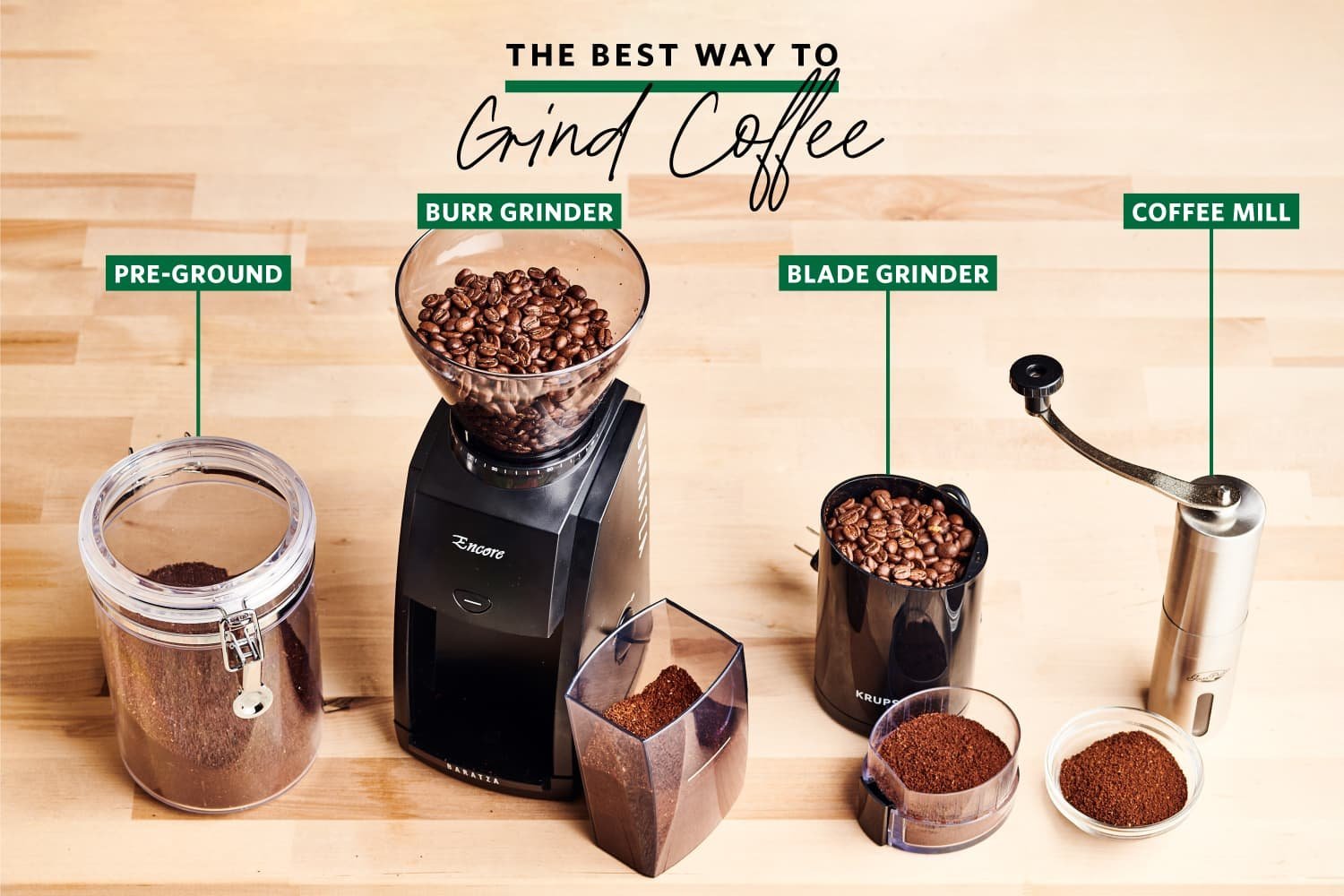
Adjust your brewing method to match the grind size you currently have. Use a longer steep time or a different filter type to ensure the best flavor from your existing grounds. If the machine becomes jammed or makes a burning smell, stop using it and contact the manufacturer.
Grind ground, in short
Instead of trying to refine what you already have, it’s better to simply enjoy your current bag as it is. If you’re craving a different texture for your morning cup, just pick up some fresh whole beans next time you’re shopping. You’ll definitely notice a much better flavor in your mug.