
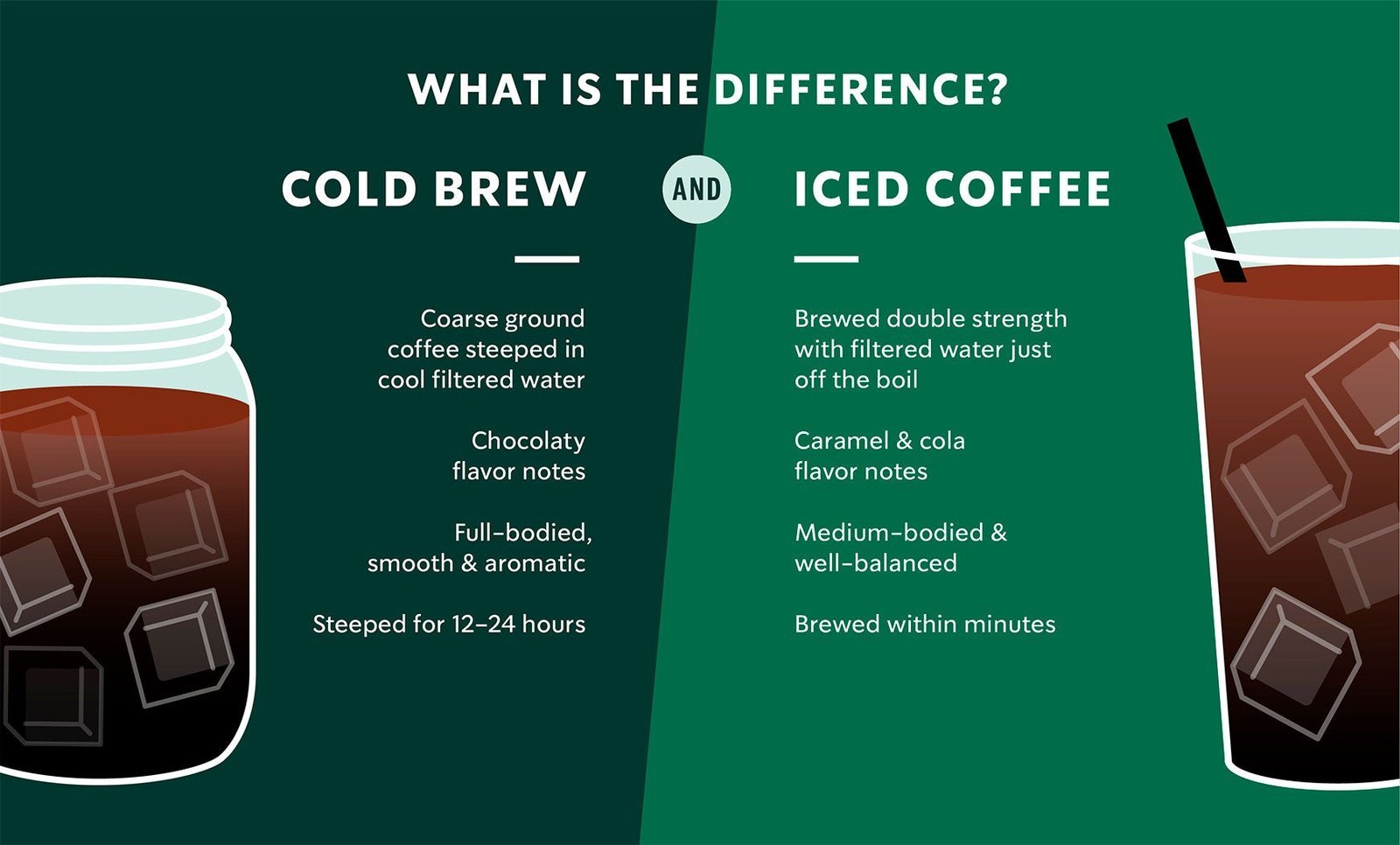
What is a brewed coffee is the process of extracting flavor from ground coffee beans using hot water, either by pouring it over the grounds or letting them steep. This method creates a hot beverage by filtering out the solid particles, leaving only the liquid extract behind in your cup.
The primary factor determining your success is the ratio of coffee to water. Most people struggle because they use too little coffee, which leads to a watery and bitter taste. If you prefer a bold flavor, use more grounds; if you want a lighter cup, increase the water. This varies by model — check the label on your specific brewer for the recommended capacity.
Making a standard cup

- Measure two tablespoons of medium-ground coffee for every six ounces of fresh, filtered water.
- Heat your water to between 195°F and 205°F, as this range is ideal for extracting the best flavors without burning the grounds.
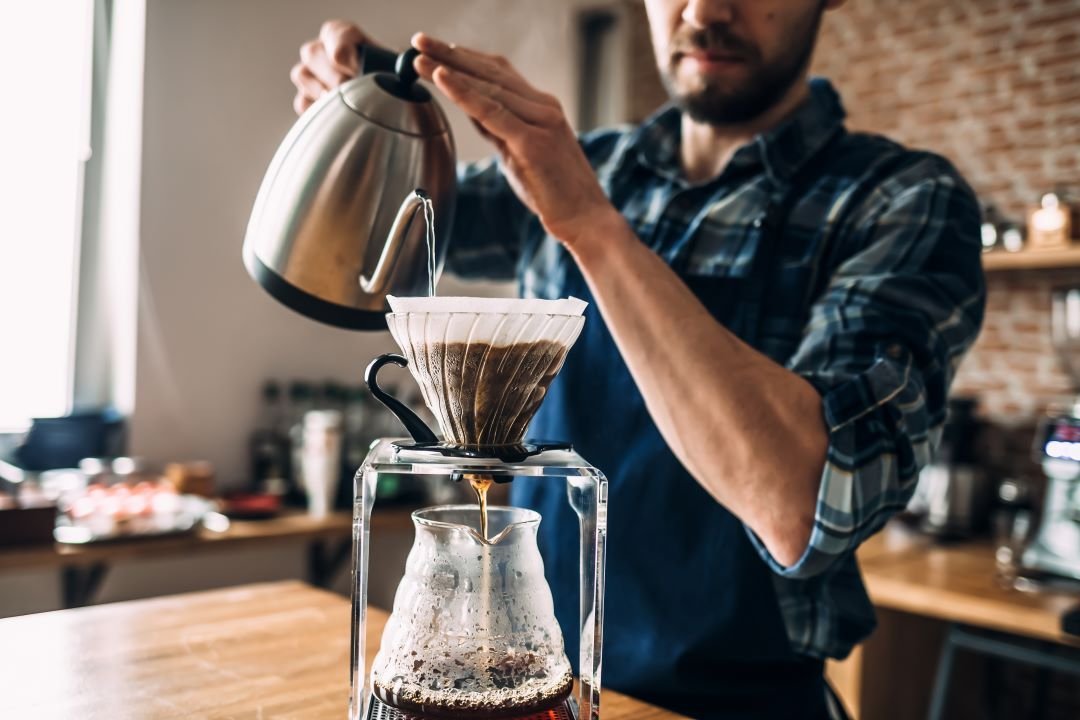
- Pour the hot water evenly over the coffee grounds if using a pour-over dripper, or add both to your machine’s reservoir.
- Allow the water to pass through the grounds completely, which should take roughly three to four minutes depending on the device.
- Remove the filter or grounds immediately to prevent the coffee from sitting in the liquid, which causes excess bitterness.
Tip: If you’re using a French press, add the water and let it steep for four minutes before pressing the plunger down slowly.
Tip: Never reuse grounds, as the second extraction will produce a weak, unpleasant liquid with significantly reduced flavor.
Time requirements for brewing
The time needed depends on your equipment and the coarseness of your grind.
| Method | Extraction Time | What changes it | What to watch for |
|---|---|---|---|
| Drip Machine | 5–7 minutes | Water volume | Water flow speed |
| Pour Over | 3–4 minutes | Pour technique | Filter clogging |
| French Press | 4 minutes | Grind size | Plunger resistance |
| Cold Brew | 12–24 hours | Temperature | Steep duration |
If your coffee takes significantly longer than these times, your grind is likely too fine, which blocks the water flow.
Signs of a perfect brew
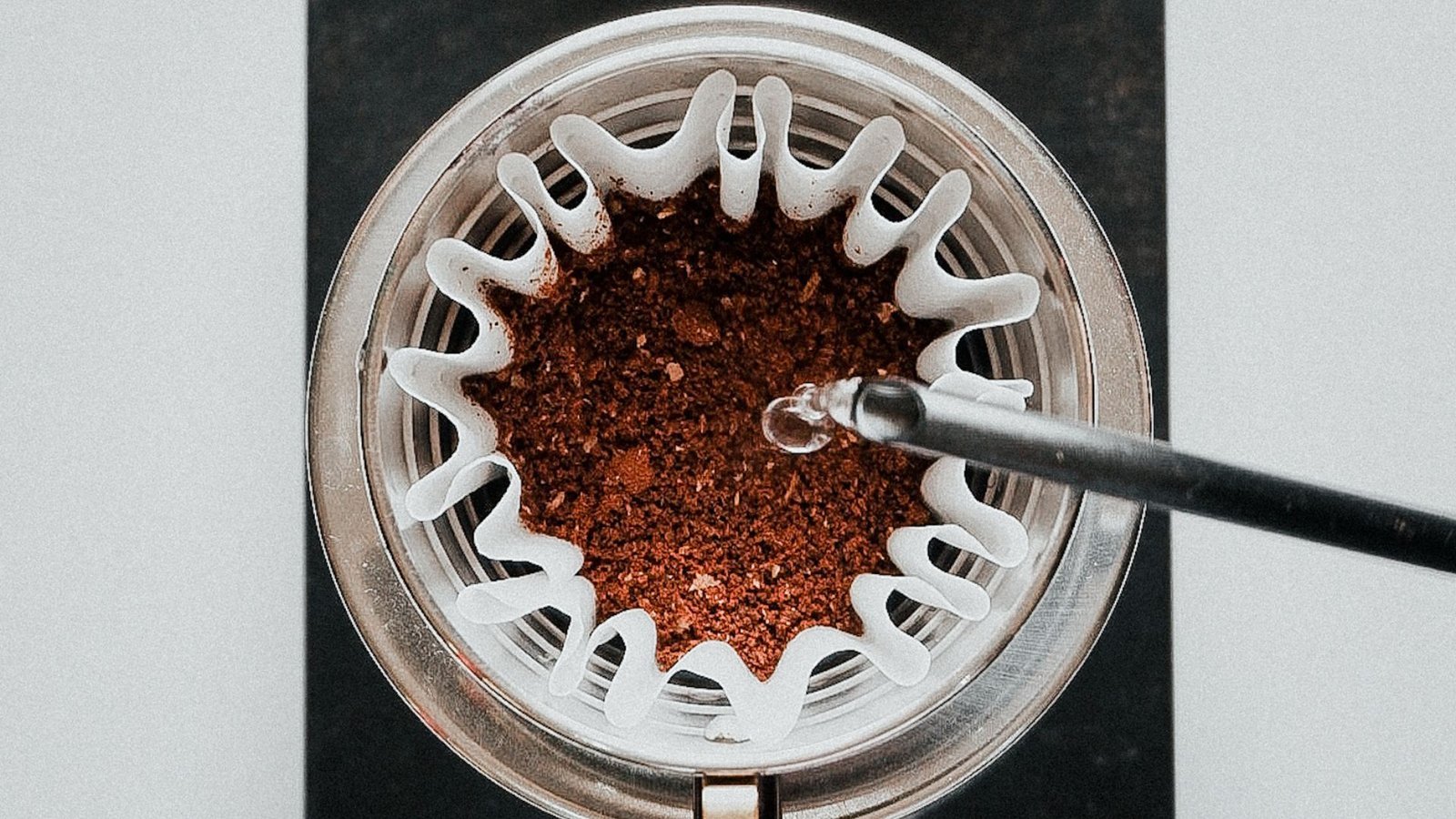
You can tell your coffee is ready by looking for a consistent, dark brown color and a clean appearance without loose silt at the bottom. The aroma should be rich and pleasant rather than sharp or burnt. If you’re uncertain, taste a small amount; it should feel smooth on the tongue. According to the National Coffee Association, using fresh water and maintaining proper contact time are the two factors that define the final quality of the beverage.
Common brewing errors
- Using stale beans: Coffee loses its natural oils and flavors within weeks of roasting, which results in a flat, cardboard-like taste. Always buy whole beans and grind them just before you start brewing.
- Improper water temperature: Water that’s too cool won’t extract enough flavor, while boiling water can over-extract bitter compounds. Use a thermometer or let the kettle sit for one minute after boiling to reach the correct range.
- Dirty equipment: Old coffee oils build up inside machines and turn rancid, ruining every new batch you make. Clean your carafe and filter basket with hot, soapy water after every use to ensure a fresh taste.
Frequently asked questions
Can I use tap water for coffee?
Yes, you can use tap water if it tastes good to you, but filtered water is usually better. Coffee is mostly water, so any chlorine or mineral taste in your tap will show up in your finished cup. Use a simple charcoal filter to improve the flavor profile.
How long does brewed coffee stay fresh?
It stays fresh for about 30 minutes if kept in a thermal carafe or on a warming plate. After this time, the heat continues to break down the flavor compounds, leading to a sour, acidic taste. It’s best to brew only what you plan to drink immediately.
Why is my coffee bitter?
It’s likely bitter because the grounds were in contact with the water for too long or the grind was too fine. If you use a fine grind, the water extracts too much tannin. Try using a coarser grind or reducing the total brew time to balance the flavor.
Is it safe to reheat coffee in the microwave?
Yes, it’s safe to reheat coffee, but it will change the flavor significantly. Microwaving can cause the coffee to overheat and evaporate, which alters the flavor profile and makes it taste stale. If you must reheat it, do so in short intervals to avoid boiling the liquid.
What happens if I use too much coffee?
You’ll get a very strong, concentrated flavor that might be overwhelming or syrupy. If the ratio is too high, the coffee may become overly intense or astringent. Always stick to the recommended two tablespoons per six ounces.
How do I store coffee beans?
You should store coffee beans in an airtight container in a cool, dark place away from sunlight. Don’t store them in the freezer, as moisture can condense on the beans and ruin the flavor. Keep them in a cupboard to maintain their natural oils and freshness for longer.
Brewed coffee, in short
Drinking coffee is a daily ritual for many, but the quality of your cup depends entirely on your attention to the water temperature and the freshness of your beans. By following these simple steps, you can ensure a consistent and flavorful brew every time you prepare a fresh pot.