
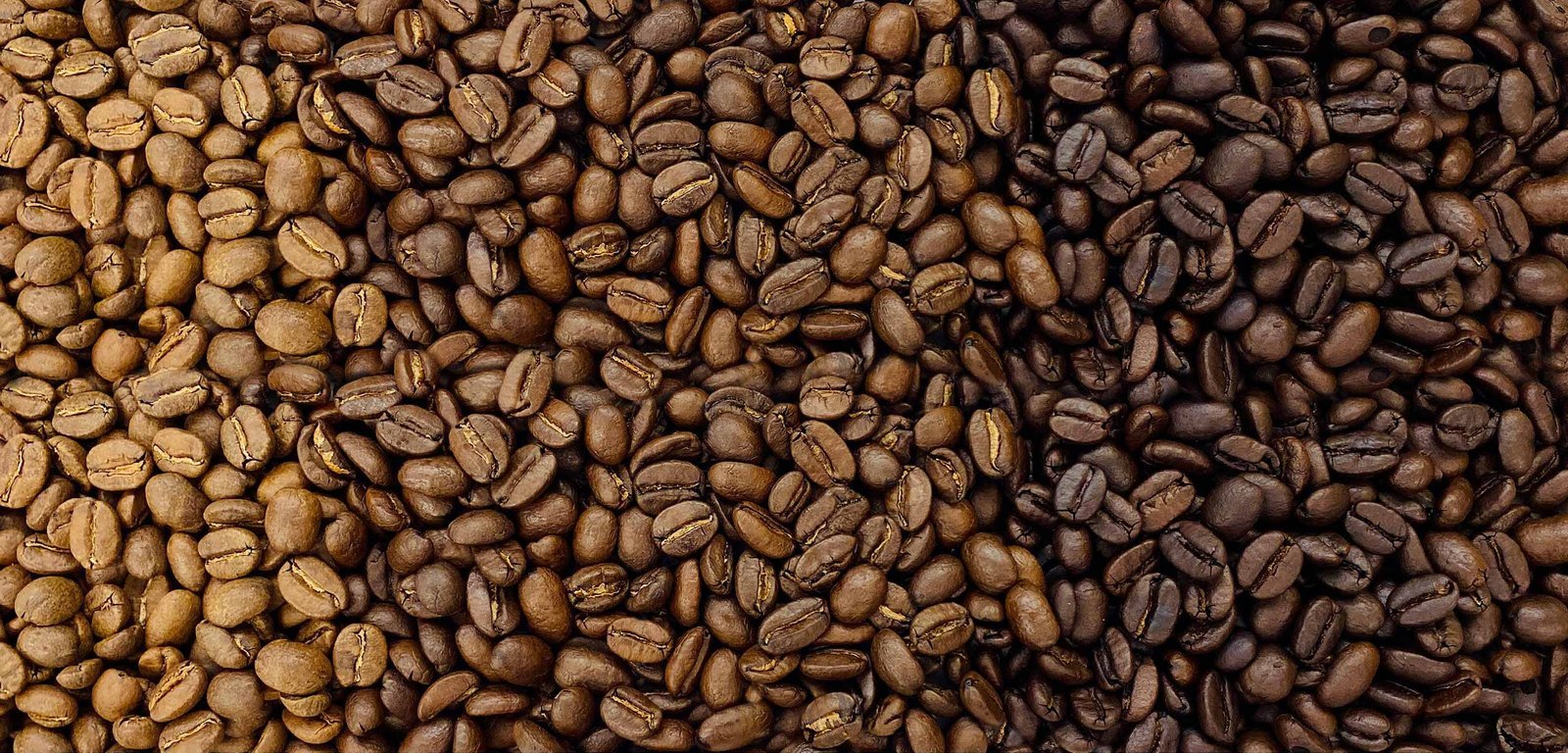
Deciding which is better medium or dark roast depends on your taste. Medium roast highlights the bean’s unique notes, while dark roast offers a bold, smoky flavor, making the choice a matter of personal preference.
The options compared
The best choice depends on your flavor goals and how you brew your coffee.
| Method | How long | Effort | Cost | Best for |
|---|---|---|---|---|
| Medium Roast | 3-4 minutes | Low | Medium | Origin notes |
| Dark Roast | 3-4 minutes | Low | Medium | Smoky body |
| Light Roast | 3-4 minutes | Low | Medium | High acidity |
This table assumes a standard drip brew; for French press, allow about 4 minutes to ensure full extraction. Never assume price is tied to quality, as roast level is a processing choice, not a measure of bean grade.
Brewing balanced medium roasts
Medium roasts retain the natural flavors of the coffee cherry while adding a bit of caramel sweetness from the roasting process.
- Grind 20 grams of medium-roast beans to a medium-coarse texture.
- Heat 300 milliliters of water to 200°F.
- Pour the water slowly over the grounds in a circular motion.
- Let the coffee drip for 3 minutes before serving.
This method highlights the “terroir” or the specific region where the beans were grown. It’s excellent for pour-over brewing. If you use a different brew method like an AeroPress, adjust your grind to fine and shorten the time to 2 minutes. The main weakness is that it lacks the heavy, oily mouthfeel that many traditional coffee drinkers enjoy.
Preparing bold dark roasts
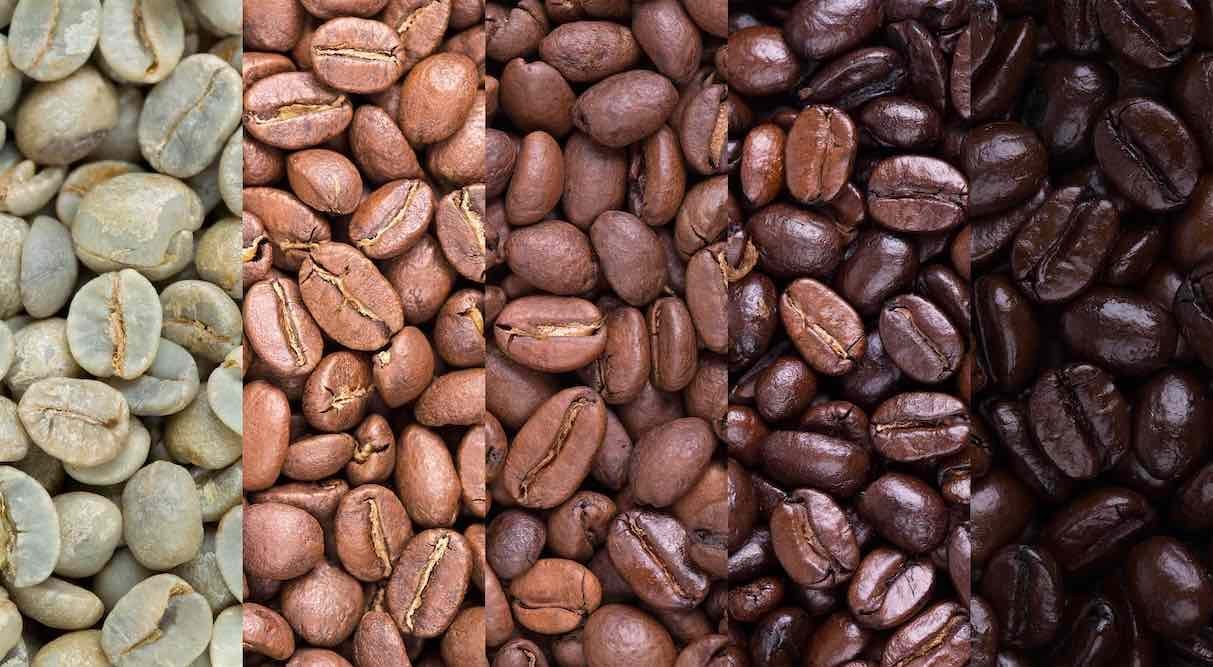
Dark roasts are roasted longer, which creates a deep, bittersweet flavor profile often described as “roasty” or “chocolatey.”
- Grind 20 grams of dark-roast beans to a medium-coarse consistency.
- Heat 300 milliliters of water to 195°F, which is slightly cooler to avoid over-extracting bitterness.
- Pour the water over the grounds and stir once.
- Steep for 3 minutes and 30 seconds before finishing the brew.
Dark roasts are perfect for espresso-based drinks because they stand up well to steamed milk. The primary trade-off is that the high heat of the roasting process destroys many of the subtle, fruity notes found in lighter roasts. If you overheat the water, the coffee will taste burnt rather than bold.
Achieving consistent flavor extraction
Photo: kunjaninaples.com on Google
Consistency is the key to a good cup of coffee regardless of the roast level you select.
- Measure your coffee by weight using a digital scale rather than a scoop.
- Use filtered water to ensure no chlorine or mineral buildup affects the final taste.
- Keep your beans in an airtight container away from direct sunlight to prevent oxidation.
- Consume your beans within 4 weeks of the roast date to ensure peak freshness.
If the coffee tastes too weak, increase the amount of coffee grounds used in the next batch.
Which one should you use?
If you’re in a hurry, use a dark roast with a French press; the bold flavor is forgiving if your timing is slightly off. If you’re doing this for the first time, choose a medium roast because its balanced profile is easier to appreciate without needing a sophisticated palate. If you want the best possible result whatever it takes, use a medium roast with a pour-over setup to highlight the specific origin of the beans. Remember, if you prefer sweetness, choose medium; if you prefer intensity, choose dark.
The rules that apply whichever way you choose
You must always use fresh, clean equipment to avoid rancid oil buildup from previous brews. Start by cleaning your grinder and brewer with warm, soapy water after every use. Check your water temperature partway through the process; if it’s below 190°F, you’ll get a sour, under-extracted cup. At the end, discard the grounds immediately to prevent mold growth. If you’re using professional-grade commercial machines, follow the manufacturer’s maintenance schedule strictly, as these require specific training to operate safely.
Frequently asked questions
Can I mix medium and dark roast?
Yes, you can mix them to create a custom blend that balances the bright notes of the medium roast with the smoky depth of the dark roast. Many enthusiasts create their own house blends by combining two parts medium to one part dark.
Why is dark roast sometimes oily?
Dark roasts are oily because the extended roasting time brings the natural coffee oils to the surface of the bean. This is a normal physical process and doesn’t mean the beans have gone bad or were stored incorrectly.
How long does ground coffee stay fresh?
Ground coffee begins to lose its flavor within 30 minutes of being ground due to rapid oxidation. For the best result, grind your beans immediately before brewing rather than buying pre-ground coffee that has been sitting on a shelf.
Is it safe to drink very dark coffee?
Yes, it’s perfectly safe to drink dark roast coffee as long as it has been stored in a cool, dry place. The dark color comes from the roasting process, not from any harmful additives or chemical treatments applied to the beans.
What happens if I over-extract my coffee?
Over-extraction occurs when you brew for too long or use water that’s too hot, resulting in a bitter, astringent taste. If your coffee tastes harsh, reduce your brew time by 30 seconds or lower your water temperature by 5 degrees.
Final Thoughts
Ultimately, you shouldn’t feel pressured to pick just one style. Grab a small bag of each during your next grocery run and compare them side-by-side at home. You’ll quickly discover which profile makes your mornings brighter, and you won’t have to wonder about the difference ever again. Enjoy the exploration!