
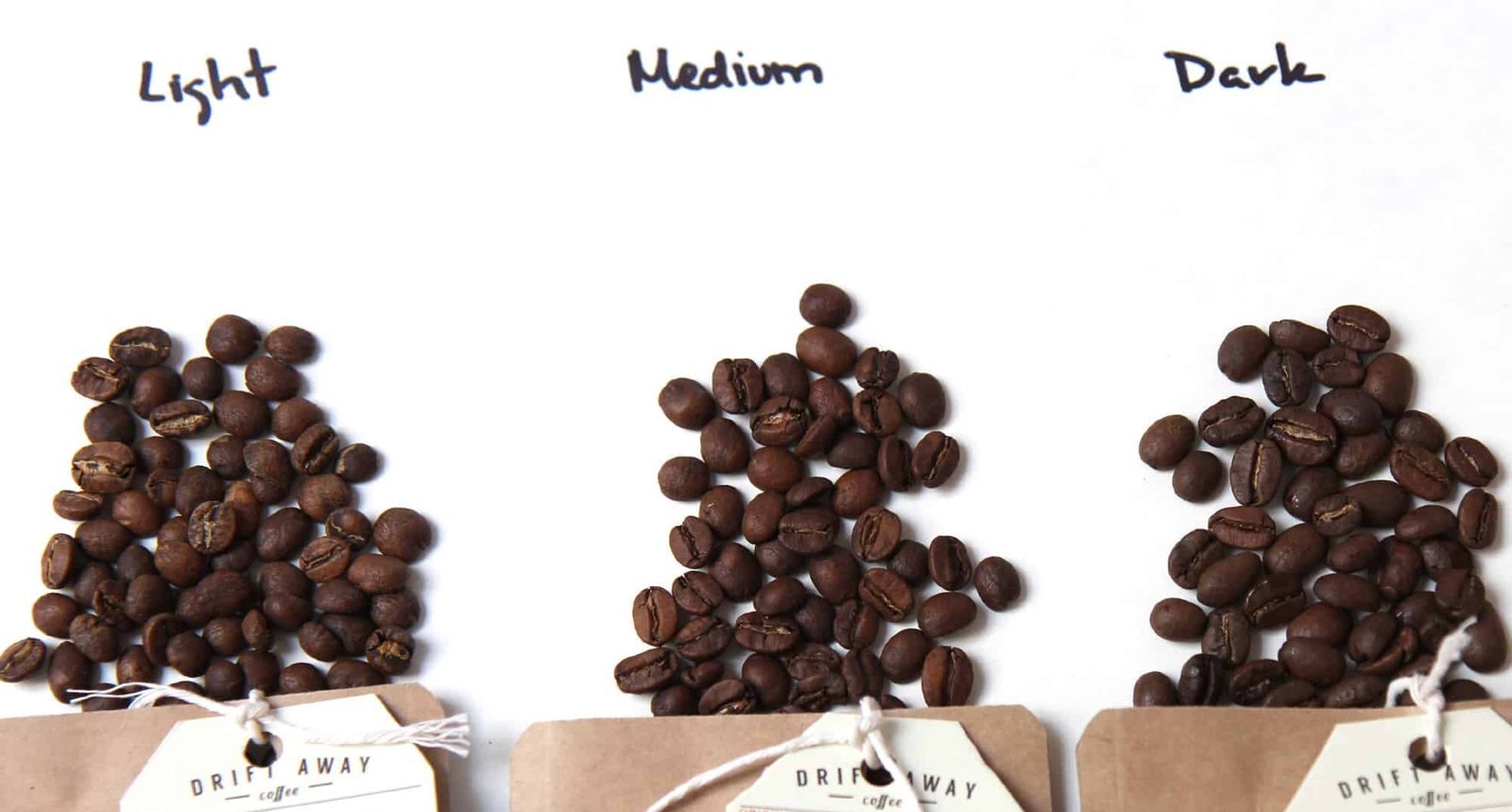
If you are asking what is a medium roast, it is a coffee bean heated to 410°F–430°F. This balances natural sugars and acidity, creating a smooth, brown bean without surface oils that highlights the bean’s origin with toasted notes.
Understanding the bean development
The transition from green to brown is a chemical process. When beans reach the “first crack,” they’re light roasts; pushing them further into the heat range defines a medium roast. This balance relies on precise timing. If you stop too early, the acidity is sharp; if you go too far, the bean loses its unique character to the flavor of the roast itself.
Most commercial roasters use a drum or air-roaster to ensure even heat. The most common mistake is ignoring the cooling phase. After the heat is cut, the beans remain hot and continue to cook for a short window. If you don’t spread them out immediately to cool, they will over-roast and turn bitter, losing the bright qualities you wanted.
What is a medium roast and how to achieve it
- Preheat your coffee roaster to 400°F and ensure the drum is rotating at a steady speed to prevent uneven scorching.
- Add the green coffee beans in a single layer, ensuring the drum is no more than 75% full to allow for proper airflow.
- Monitor the beans as they change color from green to yellow, then to a light tan, which usually happens after 5 to 7 minutes of consistent heat.
- Listen for the “first crack,” a popping sound similar to popcorn, which signals the start of the medium roast development phase.
- Watch the internal bean color closely; once they reach a medium-brown shade, remove them from the heat immediately. Tip: If you’re using a home air-popper, start with exactly 1/2 cup of green beans to avoid overloading the motor.
- Transfer the hot beans to a metal colander and shake them vigorously for 3 minutes to remove the chaff and stop the cooking process. Tip: Always roast in a well-ventilated area, as the process creates smoke that can trigger indoor alarms.
- Store the cooled beans in an airtight container for at least 12 hours to allow the gases to escape before brewing.
If you’re unsure about safe roasting practices or equipment maintenance, consult the National Coffee Association’s coffee roasting guide to ensure you follow industry-standard safety protocols.
How long it takes
If your roast is taking significantly longer than these times, your heat source is likely too low; increase the power setting by 5% and check the bean color every minute to avoid stalling the development.
How to tell when it’s done
Photo: www.happyproducts.com on Google
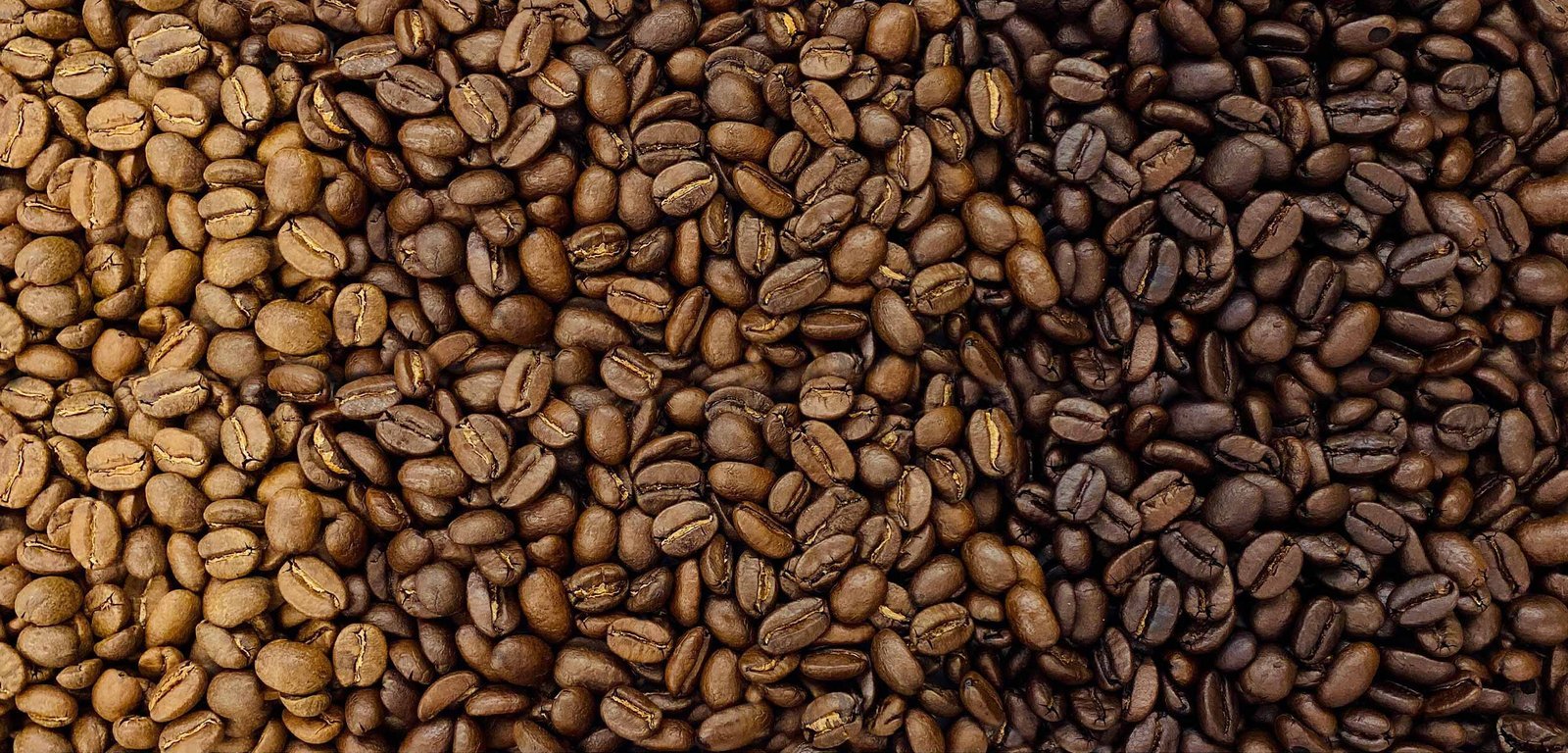
You can identify a medium roast by its color and surface texture. The beans should be a uniform, milk-chocolate brown without any visible oils on the exterior. If you see shiny, dark spots, the roast has moved into the “medium-dark” category. The most reliable test is the “first crack” timing. Once the popping sound begins, the beans enter the development phase; monitor the color closely to hit the medium-roast target before the second crack begins. If the beans are still wrinkled, they’re under-developed; if they’re dark brown with a matte finish, they’re perfectly roasted.
Mistakes that ruin it
- Crowding the roaster: Putting too many beans in the drum stops the hot air from moving, leading to “baked” coffee that tastes flat and dull. Use smaller batches to ensure every bean gets equal airflow.
- Ignoring the cooling time: Leaving beans in a hot tray causes them to keep roasting for minutes after you turn off the heat, turning a medium roast into a burnt one. Move them to a cool metal surface instantly.
- Inconsistent heat: While consistent heat is important, professional roasting often involves adjusting heat levels throughout the process to manage the rate of development and ensure even roasting.
Frequently asked questions
Can I roast coffee in a frying pan?
Yes, you can use a heavy-bottomed frying pan, but it’s very difficult to achieve an even roast. You must stir the beans constantly for the full duration to prevent burning one side while the other remains raw. It creates more smoke than an electric roaster.
Is a medium roast higher in caffeine?
No, the caffeine level is virtually identical to light or dark roasts by weight. The roasting process mainly affects the bean’s density and flavor profile rather than the chemical concentration of caffeine. A medium roast simply offers a different balance of flavor notes compared to other styles.
How long does a medium roast stay fresh?
A medium roast stays at its peak flavor for about 2 to 3 weeks when stored in an airtight container away from direct light. After this window, the volatile oils begin to oxidize, and the coffee will start to taste stale or papery regardless of how well you store it.
What happens if I roast for too long?
If you roast past the medium stage, the beans will develop a oily sheen and the flavors will shift from origin-specific notes to a generic “roasty” or charcoal-like taste. The acidity will disappear, and the body of the coffee will become heavier but less complex.
Is it safe to drink coffee immediately after roasting?
No, you should wait at least 12 to 24 hours before brewing. Freshly roasted coffee contains high levels of carbon dioxide that interfere with water extraction, leading to an unbalanced and sour cup. Let the beans “degas” for the best possible flavor extraction.
Final Thoughts
If you’re looking for a reliable daily cup, this roast is a great place to start. It’s versatile enough for any brewing method, so don’t be afraid to experiment with your favorite beans. You’ll likely find that it’s the perfect middle ground for your morning routine, no matter how you take your coffee.
Related guides