
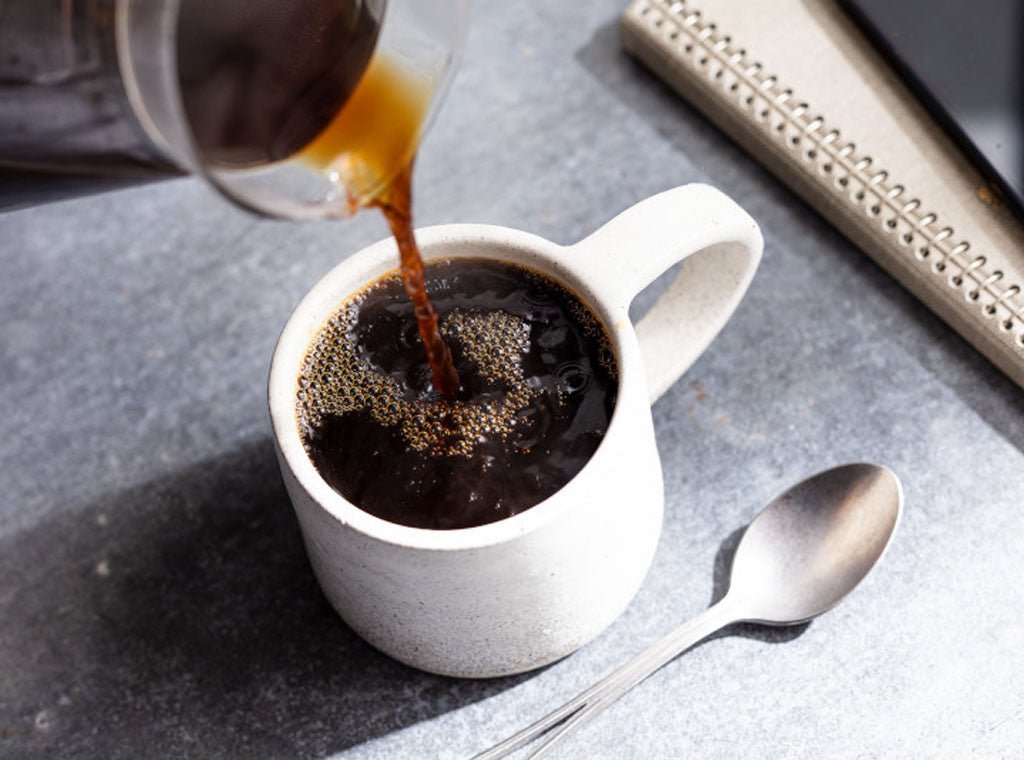
If you are wondering how much caffeine in a cup of coffee medium roast, a typical 8-ounce serving contains about 95 milligrams. This varies by brand, so check your label for specifics; most commercial brews fall between 80 and 120 milligrams.
The short version
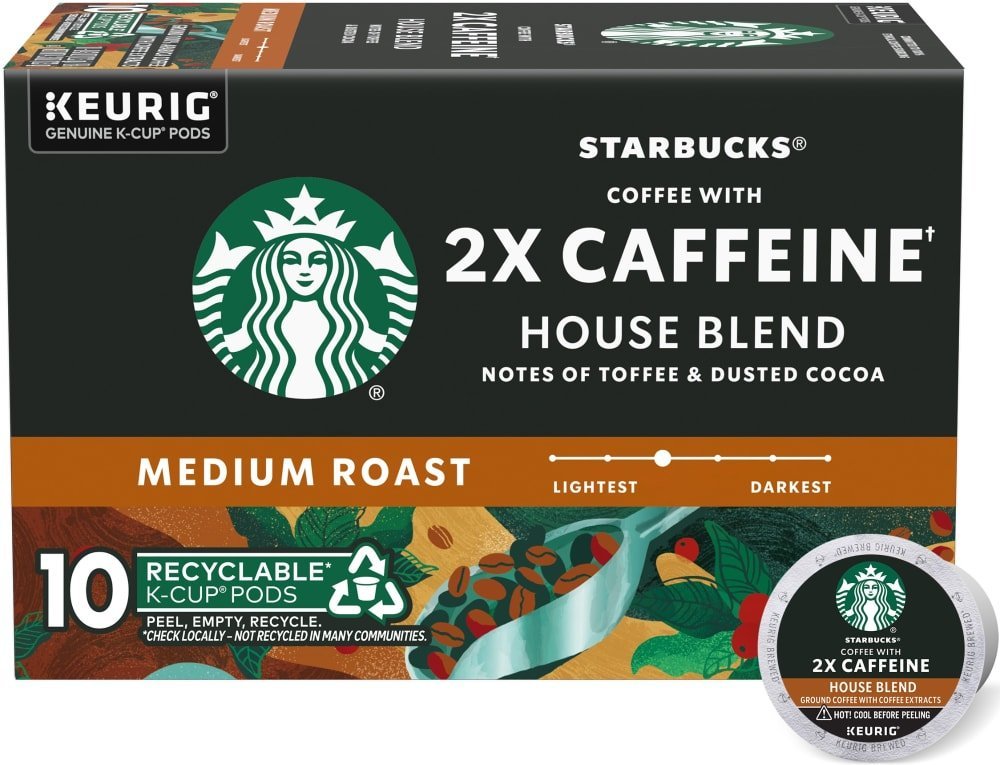
- Standard 8-ounce cups average 95 milligrams of caffeine.
- Use 2 tablespoons of grounds per 6 ounces of water for a balanced brew.
- Light roasts often contain slightly more caffeine by volume than dark roasts.
- Espresso methods typically extract more caffeine per ounce than drip coffee or French press.
- Water temperature between 195°F and 205°F ensures the best extraction efficiency.
- Always measure by weight if you want the most consistent caffeine levels.
How much caffeine in a cup of coffee medium roast
The roasting process changes the physical structure of the coffee bean. When beans roast longer to become a dark roast, they lose mass and expand in size. Because of this, a scoop of dark roast beans weighs less than a scoop of medium roast beans. If you measure your coffee by volume, such as using a standard scoop, you’ll have fewer beans in your grinder when using dark roasts compared to medium roasts. This leads to a lower caffeine concentration in the final cup. Conversely, medium roasts are denser, meaning you get more actual coffee material in every scoop. If you want to know the exact levels for a specific blend, check the manufacturer’s packaging, as different bean varieties like Robusta contain nearly double the caffeine of Arabica beans.
When the answer is different
| Situation | What changes | What to do instead |
|---|---|---|
| Using Robusta beans | Higher caffeine | Use less grounds |
| Fine grind size | Faster extraction | Use coarser grind |
| Longer brew time | Increased caffeine | Reduce steeping time |
| Cold brew method | Higher concentration | Dilute with water |
| Smaller cup size | Lower total dose | Adjust serving volume |
How to do it properly
- Measure 2 tablespoons of medium roast coffee beans for every 6 ounces of filtered water you intend to brew.
- Grind your beans to a medium-coarse consistency, which looks like sea salt, to ensure even water flow through the grounds.
- Heat your water to between 195°F and 205°F; if you lack a thermometer, let boiling water sit for 60 seconds.
- Pour a small amount of water over the grounds to let them bloom for 30 seconds, releasing trapped carbon dioxide gases.
- Pour the remaining water slowly in a circular motion, ensuring all grounds stay saturated for the duration of the cycle.
- Serve the coffee immediately after brewing finishes, as caffeine levels remain stable but flavor degrades as the liquid cools down.
The mistakes that ruin it
- Measuring coffee by volume instead of weight leads to inconsistent caffeine doses every morning.
- Using water that’s boiling hot can lead to over-extraction, which may result in a bitter taste.
- Leaving coffee on a hot plate for over 30 minutes causes oxidation, which ruins the flavor and body.
- Storing beans in the freezer introduces moisture, which leads to uneven extraction and inconsistent caffeine levels.
Frequently asked questions
Can I reduce the caffeine in my medium roast?
Yes, you can lower the caffeine by using a shorter brew time or a lower coffee-to-water ratio. If you need a significant reduction, you must choose decaffeinated beans, as brewing methods alone can’t remove all the caffeine from standard coffee beans.
Is it safe to drink 400mg of caffeine daily?
Yes, the FDA notes that 400 milligrams a day is generally not associated with dangerous effects for most healthy adults. This amount roughly equals four or five cups of coffee, but individual sensitivity varies greatly based on body weight and metabolism.
Why does my coffee taste weak?
Weak coffee usually happens because you used too little grounds or the water passed through too quickly. If your brew lacks body, try increasing your coffee-to-water ratio to 3 tablespoons per 6 ounces or using a finer grind setting.
How long does caffeine stay in my system?
The half-life of caffeine is typically 5 hours, meaning half the amount remains in your body after that time. This varies by individual — check how your own body reacts to late-afternoon cups, as individual metabolism rates are different.
Does the brewing method change the caffeine?
Yes, brewing methods and contact time significantly impact the total caffeine extracted into the cup. If you want a consistent dose, stick to one specific brewing method and a standard measurement tool every time.
What happens if I use too much coffee?
Using too much coffee results in an over-extracted, bitter cup that can cause jitters or stomach discomfort. If you find your coffee is too strong, add a splash of hot water to dilute the concentration without changing the extraction.
This guide provides the standard approach for home brewing; for specific medical concerns regarding caffeine intake, consult your healthcare provider.
Final Thoughts
If you’re sensitive to jitters, try switching to a lighter roast or brewing a smaller portion tomorrow morning. It’s worth experimenting with your favorite beans to see how they affect your energy levels throughout the day. You’ll soon find the perfect balance that keeps you feeling focused and refreshed.
Related guides