
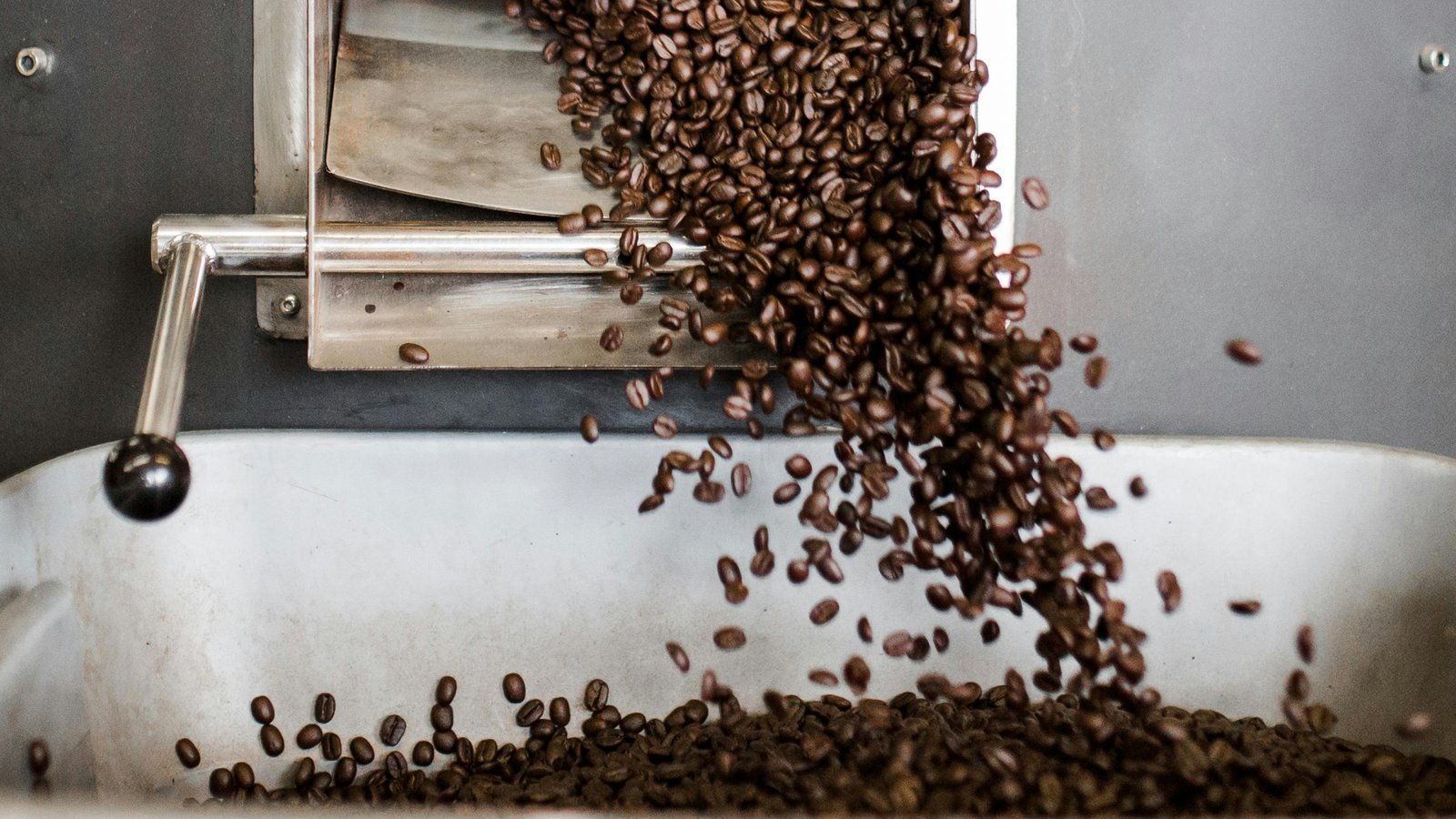
To learn how to make medium roast coffee taste better, use a 1:16 coffee-to-water ratio and water between 195°F and 205°F. This method highlights the balanced acidity and sweetness of high-quality medium roast beans.
How to make medium roast coffee taste better
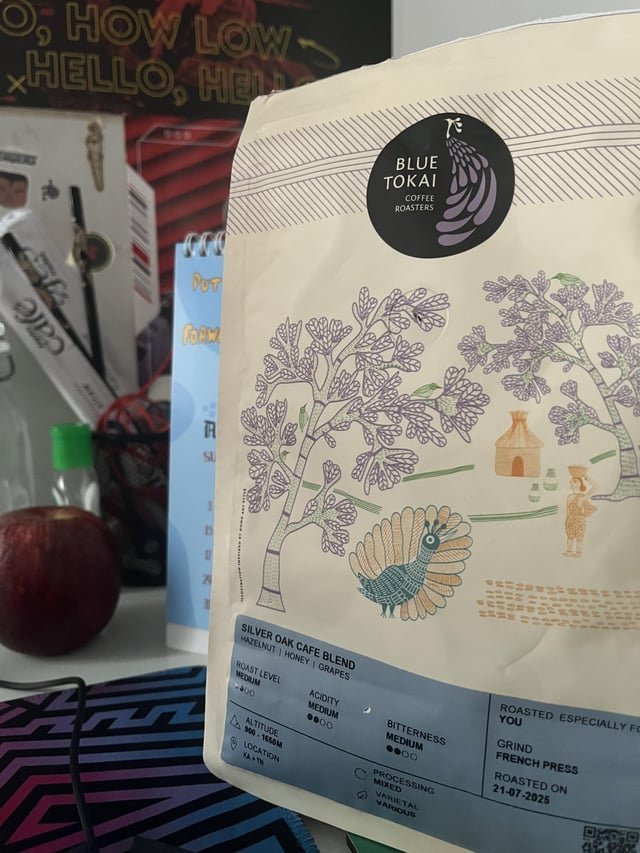
- Freshly roasted coffee: Use beans roasted within the last 2-4 weeks for the best flavor profile.
- Burr grinder: A consistent grind is vital; avoid blade grinders as they create uneven particles that lead to bitter or sour cups.
- Digital scale: Measuring by weight, not volume, prevents inconsistencies in strength.
- Filtered water: Chlorine or heavy minerals can ruin the taste.
- Pour-over or drip machine: Ensure your equipment is clean, as old oils turn rancid.
- Standard kettle: A gooseneck kettle offers better control for manual brewing methods.
If you lack a scale, a level tablespoon holds roughly 7 grams of whole beans, though this varies by roast density. If you’re using a commercial espresso machine, check the manufacturer’s manual for specific pressure and temperature settings, as these require professional calibration.
Step-by-step
- Heat your water to between 195°F and 205°F. If you don’t have a thermometer, let boiling water sit for 45 seconds before pouring.
- Grind 20 grams of coffee to a medium-coarse consistency, which should look like sea salt.
- Rinse your paper filter with hot water to remove any papery taste, then discard the rinse water from your carafe.
- Add the grounds to the filter and level them out by tapping the side gently.
- Pour 40 grams of water over the grounds to let the coffee “bloom” for 30 seconds, allowing gases to escape.
- Pour the remaining 280 grams of water in slow, steady circles, starting from the center and moving outward.
- Wait for the drip to finish completely, which usually takes 3 to 4 minutes depending on your specific brewer.
Tip: If the coffee tastes sour, your grind is too coarse; if it tastes bitter, your grind is too fine. Careful: Never use boiling water directly on the grounds, as it extracts harsh, burnt flavors that mask the bean’s natural sweetness.
Factors affecting your brew
Brewing variables change based on your specific equipment and taste preferences. Adjusting these settings helps you control the extraction process for a more balanced cup.
| Situation | Time or Ratio | Difference | What to watch |
|---|---|---|---|
| Single cup | 1:16 ratio | Smaller total volume | Faster cooling time |
| Batch brew | 1:17 ratio | Higher water volume | Potential for over-extraction |
| Cold water | 8-12 hours | Low temperature | Requires coarser grind |
| Darker roast | 190°F | Lower heat needed | Risk of burnt notes |
Start with the smallest adjustment possible, such as changing your grind size by one notch, rather than changing everything at once.
How to tell you did it right
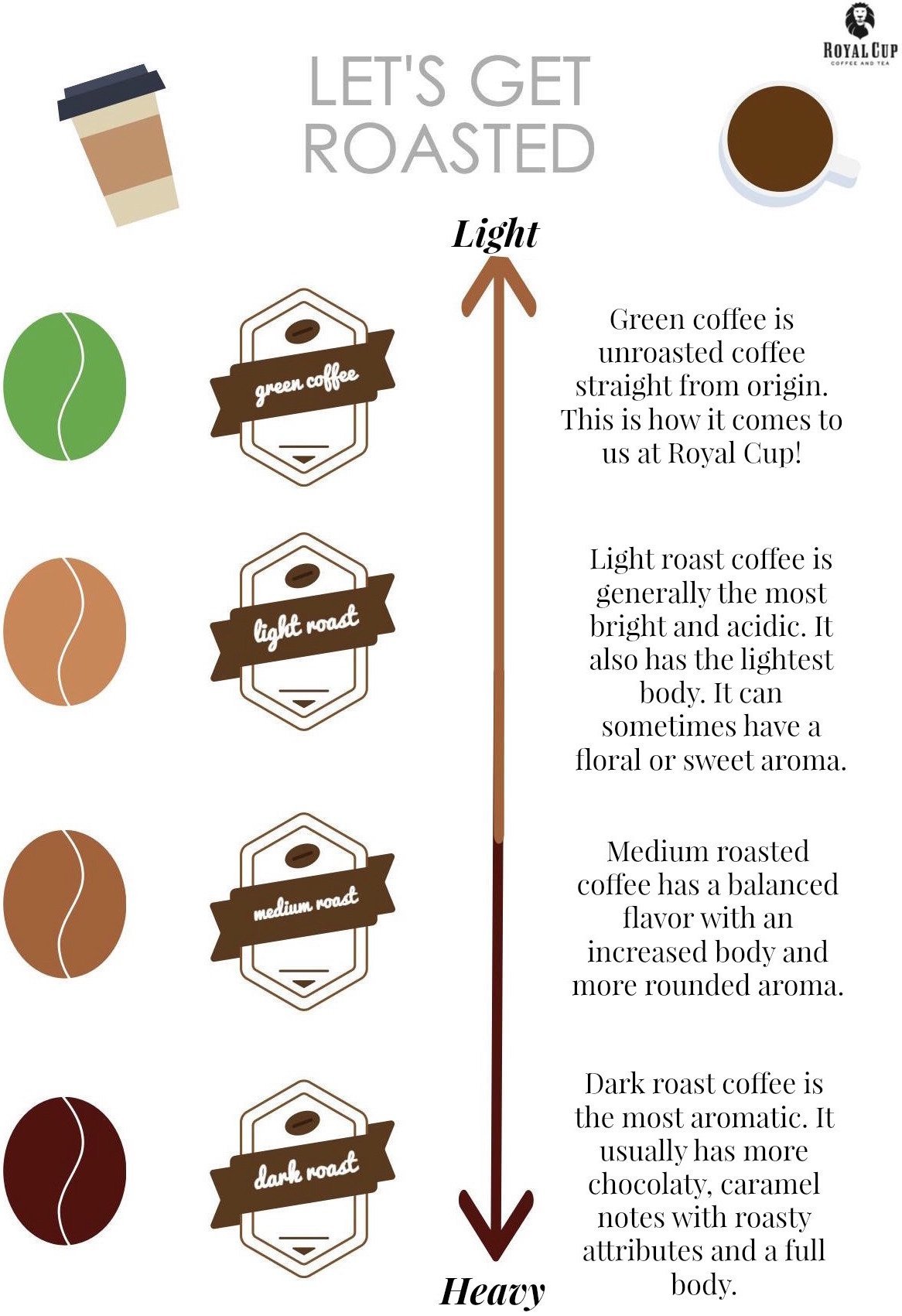
A well-brewed medium roast should have a clean finish with clear notes of nuts, chocolate, or mild fruit. If the cup tastes watery or thin, you likely under-extracted the beans, meaning the water moved through too quickly or wasn’t hot enough. If the finish is dry or leaves a stinging sensation on your tongue, it’s over-extracted. This often happens if the water temperature is too high or the grind is too fine.
Maintaining brew quality
The National Coffee Association recommends storing beans in an airtight container at room temperature away from direct sunlight. Once opened, beans are best used within two weeks to keep the volatile oils from degrading. If you choose to store coffee in the freezer, use an airtight bag to prevent frost and moisture buildup, which can cause the beans to absorb freezer odors. Professional cleaning of your machine regularly prevents mineral scale buildup from affecting your water flow and final flavor.
Alternative brewing methods
French Press
This method uses a metal mesh filter, which allows natural oils and fine particles into the cup. This creates a heavier, more textured body compared to paper-filtered coffee, making the brew feel richer and more robust.
AeroPress
This portable device uses air pressure to push water through the grounds. It’s highly versatile, allowing for both short, espresso-like extractions and longer, cleaner immersion brews, giving you total control over the final strength.
Cold Brew
Steeping grounds in room-temperature water for 12 hours produces a low-acid concentrate. This method ignores the delicate floral notes of a medium roast but highlights deep, chocolaty undertones that are perfect for iced coffee.
Frequently asked questions
Can I use tap water for my coffee?
No, tap water often contains chlorine or minerals that distort the flavor of medium roast beans. Use filtered water to ensure the natural sweetness and acidity of the coffee shine through clearly in every single cup.
How long should the coffee bloom?
You should let the coffee bloom for 30 seconds to allow carbon dioxide to escape. This step is essential because it prevents trapped gases from blocking the water from reaching the grounds during the main pour.
Is it safe to reheat my coffee?
No, reheating coffee in a microwave or on a burner breaks down the oils and acids, leading to a bitter, stale taste. It’s best to brew only what you plan to drink immediately to enjoy the freshest flavors.
What happens if the grind is too fine?
If the grind is too fine, the water can’t pass through the grounds properly, leading to over-extraction. This results in a bitter, astringent taste that ruins the balanced profile of a quality medium roast coffee bean.
How do I know if my coffee is fresh?
Fresh coffee beans will produce a visible bloom or bubbling when hot water first hits them. If the grounds remain flat and don’t bubble, the coffee is likely old and has lost its essential oils.
Final Thoughts
Experimenting with different bean origins will reveal how diverse these flavors can truly be. Don’t be afraid to try a new single-origin bag from your local roaster next week. You’ll quickly find that small adjustments to your technique make a world of difference, so keep exploring until you’ve found your perfect cup.
Related guides