
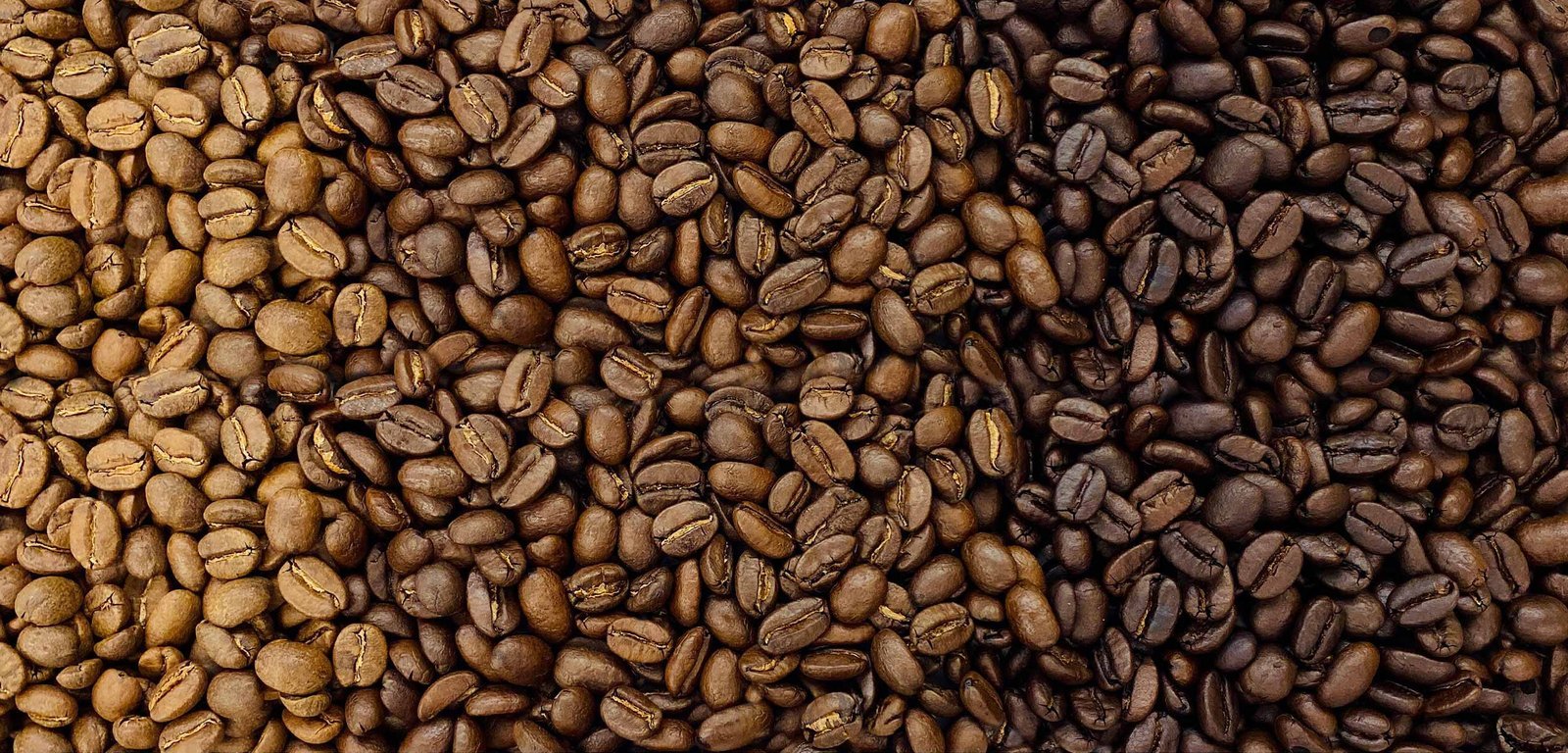
If you are asking what is medium dark roast coffee, it is a bean roasted to a deep brown with visible surface oil, reaching temperatures of 437°F to 446°F. Pulled at or during the second crack, these beans produce a heavy-bodied cup with bittersweet chocolate notes and very low acidity.
What is medium dark roast coffee?
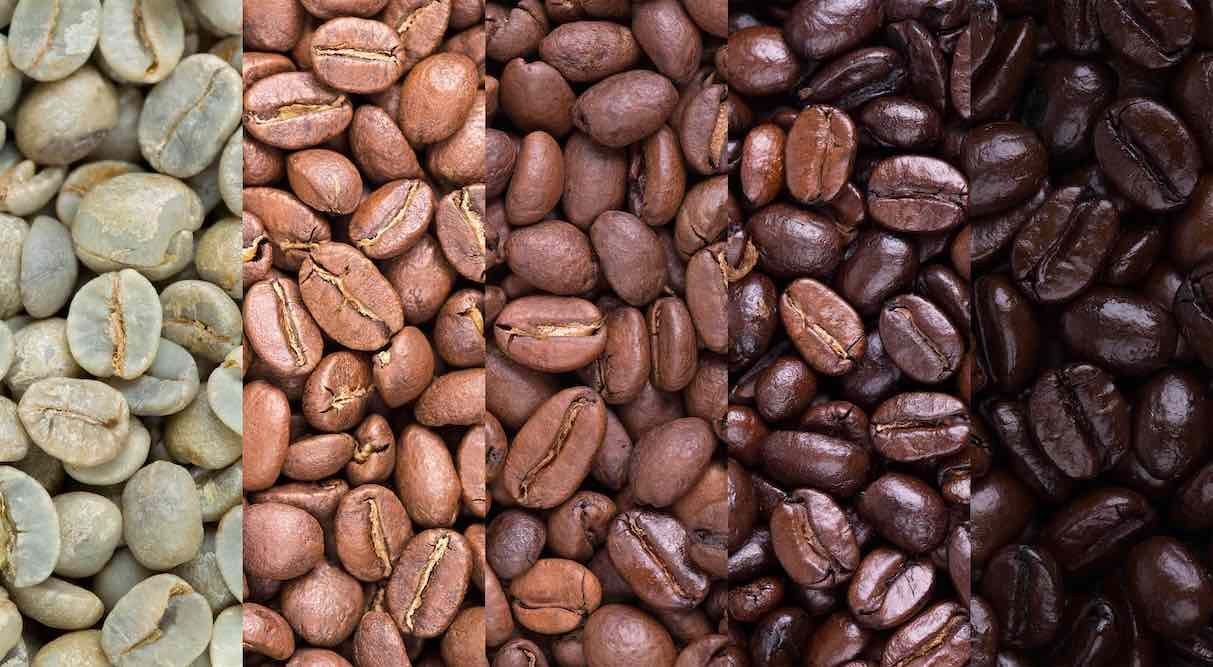
- Internal bean temperature reaches 437°F to 446°F (225°C to 230°C), ending right after the second crack begins.
- Beans display a rich dark brown color with light patches or droplets of natural oil on their surface.
- Brewed coffee tastes bittersweet, spicy, or chocolaty, trading away bright fruity notes for body.
- If you want bright floral tones, pick a light roast; if you want heavy, smoky sweetness, choose this roast level.
- Use a water brewing temperature of 195°F to 200°F (90°C to 93°C) to avoid pulling harsh, ashy flavors.
- This roast style isn’t for drinkers who prefer tea-like body or clear lemon-like acidity.
Why heat changes the bean
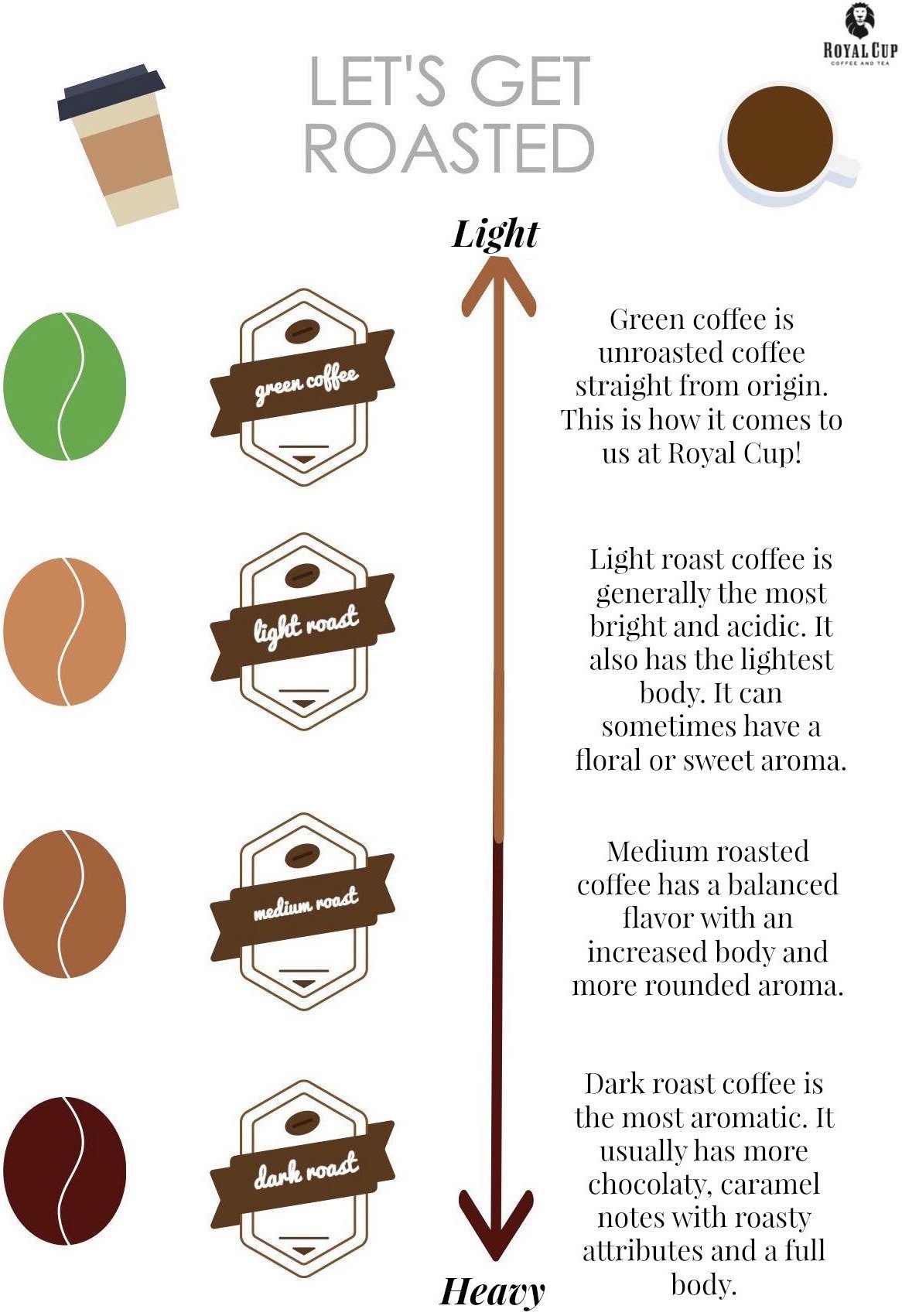
Heat breaks down the raw sugars and organic acids inside green coffee beans through the Maillard reaction and caramelization. As internal pressure builds, water vapor forces the bean to expand and pop, which roasters call the first crack.
Medium-dark roasts stay in the roaster drum past that initial expansion until a second physical rupture occurs. This stage, known as the second crack, occurs when internal pressure from gases causes the bean’s cellular structure to fracture. Oils stored inside the cell structure then push outward through these fractures to coat the bean’s surface.
Roasting this long burns off delicate chlorogenic acids that create citrus or green apple notes. At the same time, pyrolytic reactions create heavier bitter-toned compounds. According to research on coffee chemistry published by the National Center for Biotechnology Information, roasting progressively degrades these chlorogenic acids while forming melanoidins that generate darker color and a thicker mouthfeel. The trade-off is clear: you gain a rich, syrupy texture, but you lose the original origin flavors of the coffee farm.
When the answer is different
A bean’s roast level doesn’t guarantee identical flavor or body across different brewing setups or bean varieties.
| Situation | What changes | What to do instead |
|---|---|---|
| Robusta beans used | Much more bitterness | Drop brew temp to 190°F |
| Cold brew method | Lower perceived acidity | Steep 14 hours at room temp |
| French press brewing | Oil passes into cup | Coarsen grind to sea-salt size |
| Paper filter drip | Traps surface bean oils | Grind slightly finer for contact |
| Very fresh roast (under 48h) | Excess carbon dioxide gas | Rest beans until degassing slows |
| Espresso machine extraction | High pressure amplifies roasty bite | Adjust grind or dose to taste |
How to do it properly
- Measure 20 grams of whole bean coffee on a digital kitchen scale for a standard 10-ounce mug.
- Grind the coffee to a medium-coarse texture resembling rough sand so water drains without stalling.
- Heat 320 grams of filtered water to 198°F (92°C), about 45 seconds off a rolling boil.
- Place a paper filter in your brewer and rinse it with hot tap water to remove paper dust.
- Add the ground coffee to the brewer and tap the sides gently to level the bed.
- Pour 50 grams of water over the grounds and wait 40 seconds for degassing bubbles to stop.
- Pour the remaining 270 grams of water in slow, smooth circles over two minutes.
- Check the total brew time; the water should finish dripping through by three minutes flat.
The mistakes that ruin it
- Using boiling water can lead to over-extraction, which may produce a harsh or bitter aftertaste.
- Grinding the beans into fine espresso dust for a drip brewer clogs flow and leaves a dry, astringent finish on the tongue.
- Storing beans in a clear glass jar exposes the surface oils to sunlight, which turns the natural fats rancid within two weeks.
- Drinking the coffee immediately off the roaster can result in an unpleasant, sharp flavor due to high concentrations of trapped CO2.
Frequently asked questions
Does medium dark roast have more caffeine?
No, it has slightly less caffeine by bean volume than lighter roasts. Extended heat exposure breaks down trivial amounts of caffeine, though measuring your coffee by weight makes the difference barely noticeable in an average brewed cup.
Is medium dark roast oily?
Yes, you’ll see small spots or a thin, shiny sheen of natural oil across the bean surface. Roasting to the second crack breaks internal cell walls, letting the natural lipids migrate out to the shell.
Can you use medium dark roast for espresso?
Yes, it’s one of the most reliable options for traditional espresso machines. The low acidity and high soluble solids balance the intense extraction pressure, creating thick crema and rich chocolate notes that cut through milk easily.
Why does my medium dark roast taste bitter?
Your water is likely too hot or your grind size is too fine. Water that’s too hot can lead to over-extraction; lowering your kettle temperature may help smooth out the flavor.
How long does medium dark roast coffee stay fresh?
About three to four weeks when sealed inside an airtight, opaque container. Because surface oils are exposed to air, these beans oxidize and turn stale faster than completely dry, light-roasted coffee beans.
Is French roast the same as medium dark?
No, French roast is a dark roast that spends longer in the roaster drum. French roast beans appear nearly black and completely covered in heavy oil, tasting distinctly smoky and carbonized rather than sweet and balanced.
What foods pair best with medium dark roast?
Chocolate pastries, nutty desserts, and warm breakfast pastries pair best with this roast. The heavy mouthfeel and roasty, caramel undertones balance rich butter and sugar flavors without getting drowned out on your palate.
Final Thoughts
If you’re looking for a bold, comforting cup, this roast is a fantastic choice to keep in your pantry. It’s perfect for brewing in a French press or a classic drip machine. Grab a bag from your local roaster this weekend and see how those rich, chocolatey flavors brighten your morning.
Related guides