
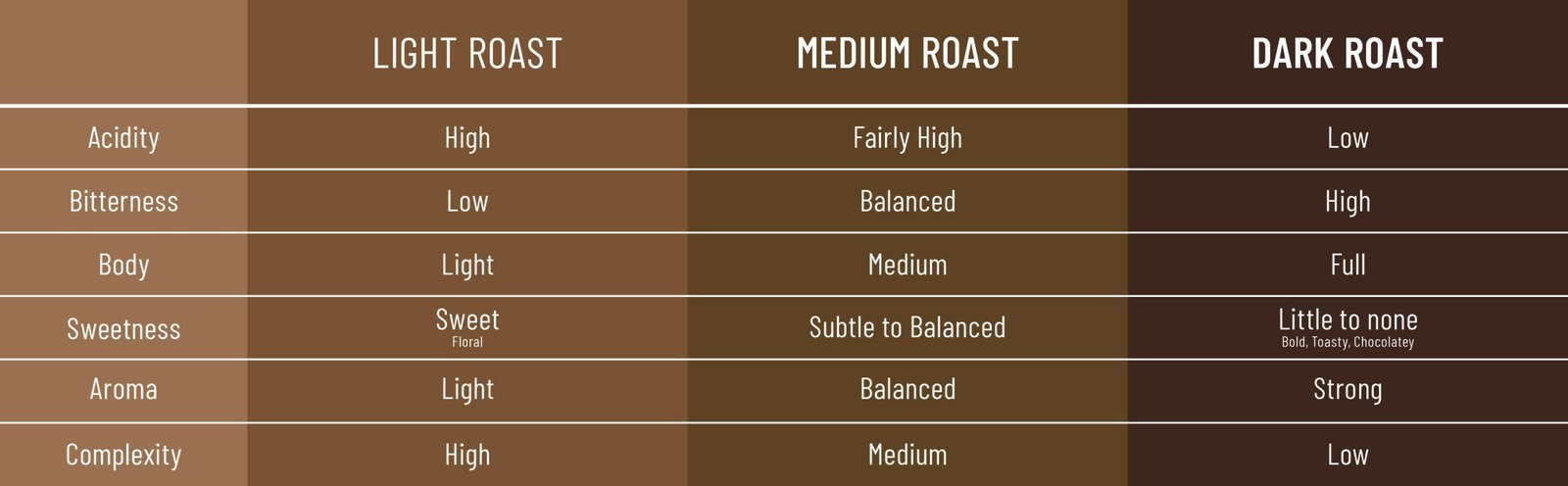
You might ask, is medium roast coffee bitter? Generally, it is not, as it balances acidity and sweetness without the heavy carbonized notes of darker roasts. While taste varies, bitterness depends more on your brewing technique and grind size than the beans, which usually offer a balanced profile.
The primary factor determining if your cup tastes harsh is the extraction level. When coffee grounds are exposed to hot water, acids and sugars dissolve early, while bitter compounds are extracted more slowly as the process continues. If you use too much water or a grind that’s too fine, you pull out too many bitter tannins. This is a common mistake that masks the natural, sweet flavors intended by the roaster.
Brewing a less bitter medium roast coffee
- Measure exactly 15 grams of medium roast coffee beans for every 250 milliliters of filtered water to ensure a consistent ratio.
- Grind your beans to a medium-coarse texture, similar to sea salt, because finer grounds increase the surface area and lead to over-extraction.
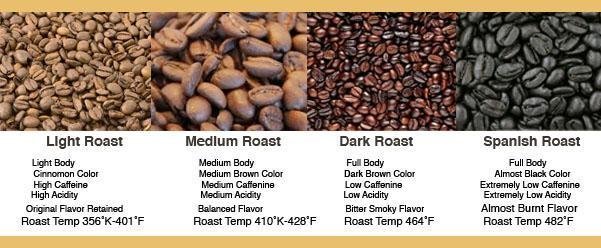
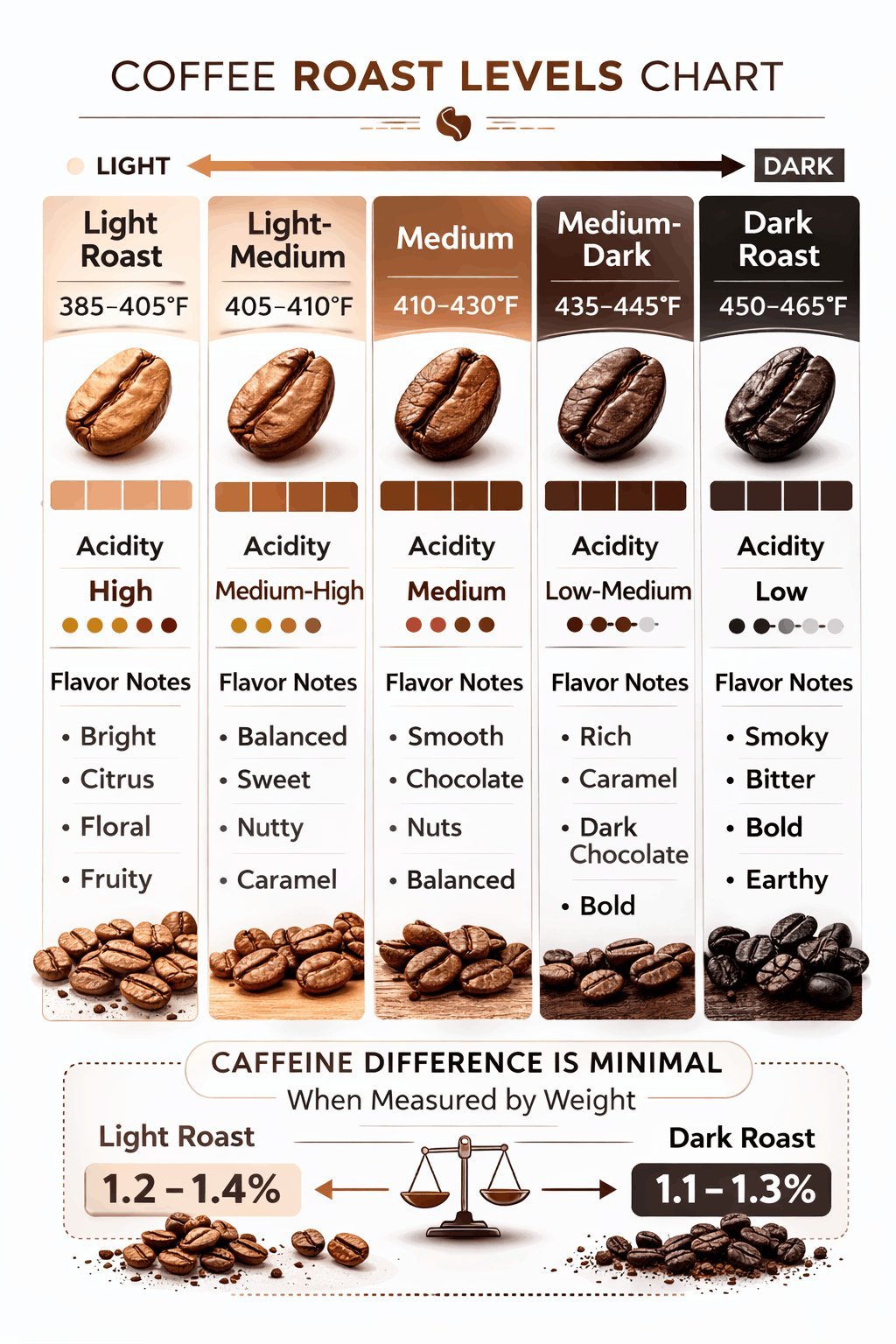
- Heat your water to between 195°F and 205°F, as temperatures above this range can extract undesirable compounds too quickly.
- Pour the water over the grounds in a steady stream, wetting all coffee evenly for the first 30 seconds to allow for blooming.
- Finish the brewing process within three to four minutes, as letting the water sit on the grounds longer will introduce unwanted bitterness.
- Remove the filter or press the plunger immediately once the time is up to stop the extraction.
Tip: If your coffee still tastes bitter, try a slightly coarser grind next time.
Tip: Always clean your brewing equipment thoroughly, as old coffee oils turn rancid and add a stale, bitter aftertaste to fresh brews.
Extraction time variations
The timing of your brew changes the flavor profile significantly. If the process takes much longer than the suggested window, the coffee is likely over-extracted and will taste sharp.
| Brewing Method | Ideal Time | Grind Setting | What to watch for |
|---|---|---|---|
| Pour Over | 3:00 – 4:00 | Medium-Coarse | Flow rate speed |
| French Press | 4:00 | Coarse | Sediment levels |
| Drip Machine | 5:00 | Medium | Water temperature |
| AeroPress | 2:00 | Medium-Fine | Plunger resistance |
If your brew is consistently taking longer than these times, check your grind size; finer particles create more resistance and slow the water flow, which often results in an unpleasantly bitter cup.
Identifying the ideal flavor
You can tell your coffee is perfectly extracted by looking for a balanced, clean finish that doesn’t linger harshly on the tongue. According to the Specialty Coffee Association’s brewing standards, the goal is a concentration that highlights the bean’s origin flavors rather than burnt notes. If you find the coffee tastes thin or sour, you have under-extracted the beans and should use a finer grind or hotter water. If it tastes dry or astringent, you have over-extracted it. Use a TDS meter if you want to be precise, but your palate is the final judge.
Mistakes that ruin it
- Using boiling water: Water at a full rolling boil at 212°F extracts bitter compounds far too aggressively for medium roasts. Let your kettle sit for 60 seconds after boiling to reach the optimal temperature range.
- Leaving grounds in the water: Letting the coffee steep past the recommended time leads to the over-extraction of bitter compounds. Always separate the coffee from the grounds as soon as your timer hits the mark.
- Using tap water with high mineral content: Water with heavy chlorine or high mineral deposits interacts with the coffee oils to create a chemical, bitter profile. Use filtered water to ensure the true, bright characteristics of the medium roast shine through.
- Neglecting the bloom: Skipping the initial 30-second pour prevents the release of trapped carbon dioxide, which can lead to uneven extraction. Always pour a little water first and wait for the grounds to bubble before adding the rest.
Frequently asked questions
Is medium roast coffee bitter? How to fix it
Yes, you can reduce bitterness by using a slightly coarser grind or lowering your water temperature by five degrees. These adjustments slow down the extraction of bitter compounds, allowing the natural sweetness of the beans to remain the dominant flavor in your cup.
Why does my coffee taste bitter even with fresh beans?
It’s often because your ratio of coffee to water is too high, which creates an over-concentrated brew. If your coffee is too strong, it will naturally taste more bitter regardless of the roast level, so try adding a small amount of hot water to dilute the final result.
Is it safe to drink very bitter coffee?
Yes, it’s perfectly safe to drink, as bitterness doesn’t indicate that the coffee is spoiled or harmful. It simply means the brewing process extracted more tannins than necessary, which affects the flavor but doesn’t pose a health risk to the average person.
How long should I let medium roast coffee sit?
You should enjoy it within 20 to 30 minutes of brewing for the best flavor. As coffee cools, the acidity becomes more pronounced, which some people perceive as bitterness, so keeping it in a thermal carafe helps maintain the intended balance.
Does the brewing method change the bitterness?
Yes, immersion methods like a French Press are often perceived as less bitter than drip machines. Because the grounds are fully suspended in the water, the extraction is more uniform, which can lead to a different flavor profile compared to drip methods.
Final Thoughts
If your cup still tastes a bit sharp, don’t worry—it’s just a sign you’re learning. Try adjusting your water temperature slightly lower next time to see how it changes the flavor. You’ll find that small tweak helps you discover the perfect, smooth balance you’re looking for in your morning mug.