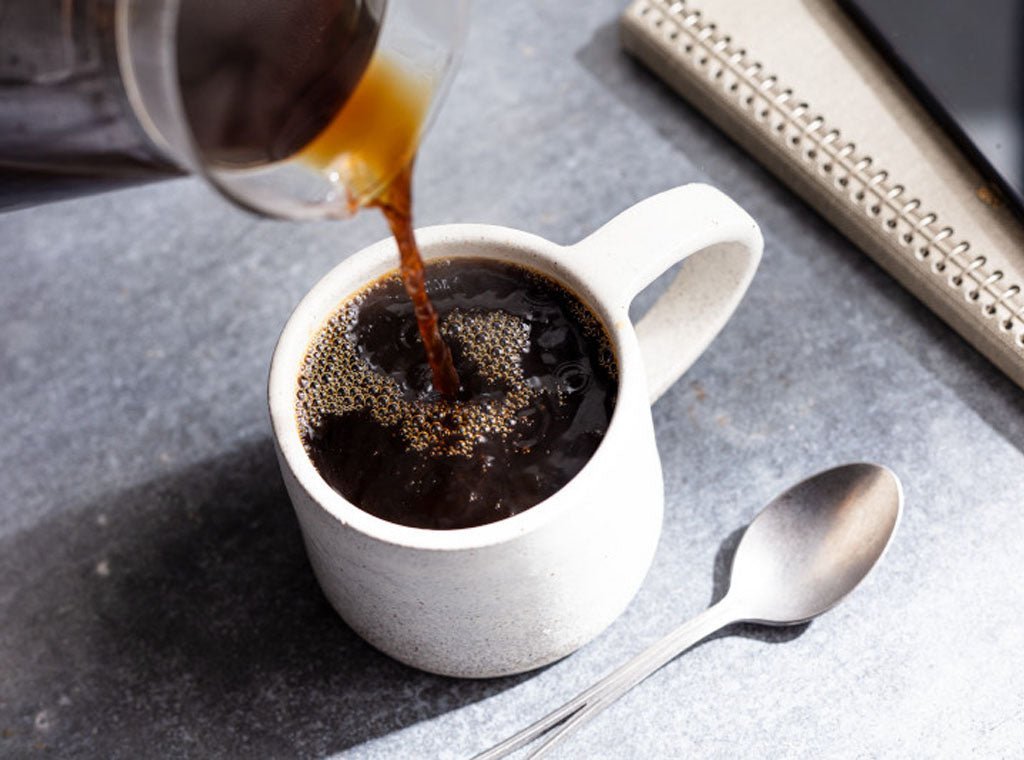
A standard 8-ounce cup contains roughly 95 to 100 milligrams of caffeine, and the actual amount of caffeine in medium roast coffee depends heavily on the brewing method and bean density. This estimate aligns with the FDA guidance on caffeine consumption for healthy adults, which notes that 400 milligrams per day is generally not associated with dangerous effects.
The primary factor determining your caffeine intake is the ratio of coffee grounds to water. Because dark roast beans are less dense and larger than medium roast beans, measuring by volume results in less actual coffee mass per scoop, which decreases the total caffeine content compared to an equal volume of medium roast. A common mistake is using a scoop designed for dark roast beans to measure medium roast, which results in a higher mass of coffee and a more caffeinated brew than intended.
How much caffeine in medium roast coffee
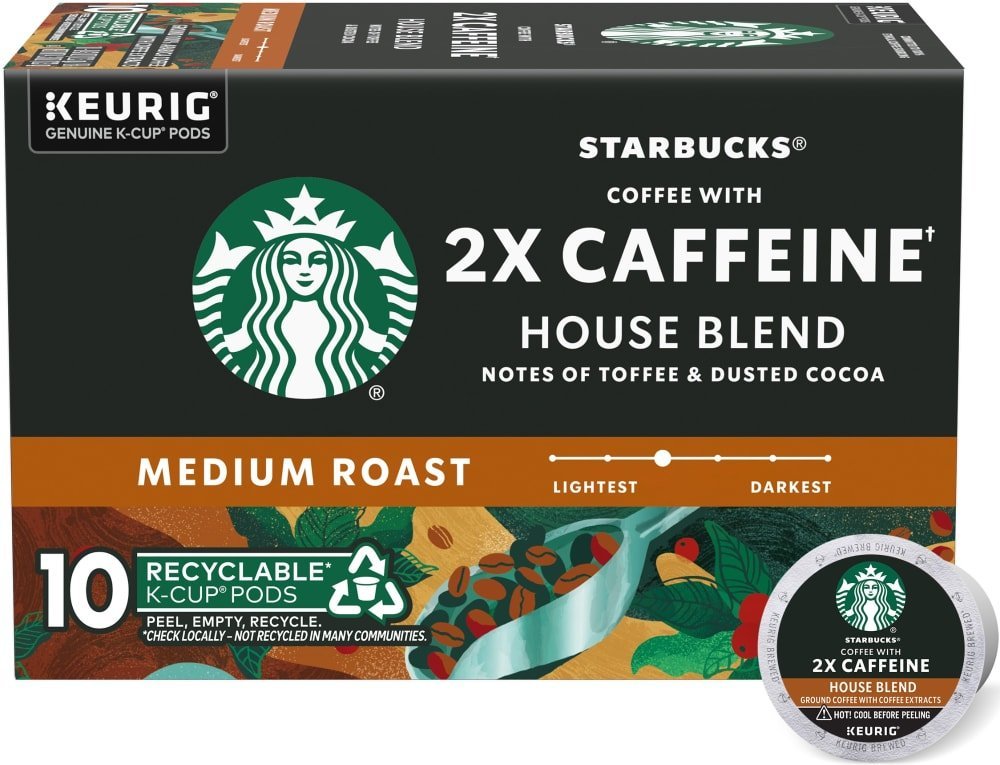
- Measure your coffee using a scale rather than a scoop to ensure consistency, aiming for 15 grams of beans per 8 ounces of water.
- Grind your beans to a medium-coarse consistency, which allows for even extraction without over-extracting bitter compounds.
- Heat your water to between 195°F and 205°F before pouring, as water below this range fails to extract the full caffeine potential.
- Pour the water slowly over the grounds in a circular motion, ensuring all grounds are saturated for a duration of 3 to 4 minutes. * Tip: If your coffee tastes sour, you’re likely under-extracting; try a finer grind setting or increase the contact time by 30 seconds.
- Filter the brew immediately after the time is up to stop the extraction process, as leaving grounds in the water adds unwanted bitterness. * Tip: If you use a French press, the metal mesh allows more oils and fine particles into the cup, which can change the perceived strength compared to paper filters.
How long it takes
The total time to prepare your coffee varies based on your chosen equipment and the grind size used.
| Situation | How long | What changes it | What to watch for |
|---|---|---|---|
| Drip machine | 5–7 minutes | Water flow rate | Scale buildup |
| French press | 4 minutes | Grind size | Sediment levels |
| Pour over | 3 minutes | Pour technique | Water temperature |
If your brew is taking longer than these times, check your grind size; a grind that’s too fine will clog the filter and significantly increase extraction time.
How to tell when it’s done
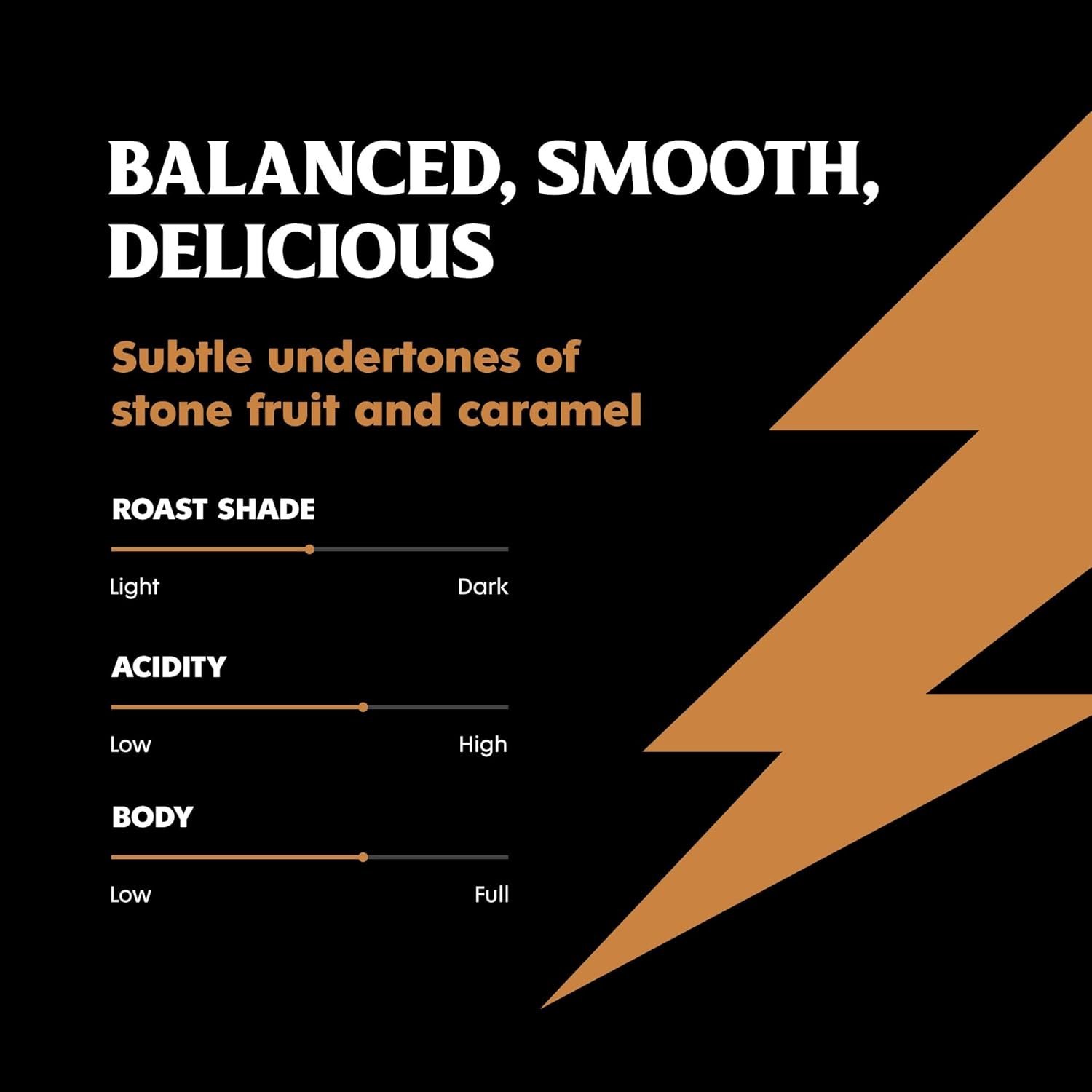
You can judge the extraction by the color and clarity of the liquid. A properly extracted medium roast should appear a rich, translucent brown. If the liquid is opaque or muddy, you have likely used a grind that’s too fine, allowing too many solids into the cup. If the coffee looks watery and pale, the water passed through too quickly or the grind was too coarse. The most reliable test is the taste: a balanced cup should have a clear, pleasant acidity without a sharp, lingering bitterness on the back of your tongue.
Mistakes that ruin it
- Measuring by volume: Using a scoop instead of a scale ignores the density differences between roast levels, often leading to an inconsistent caffeine hit. Always use a digital scale to measure your coffee in grams.
- Using boiling water: Pouring water straight from a boil scorches the grounds, which destroys the delicate flavor profile of a medium roast. Wait 30 seconds after the kettle whistles to reach the ideal temperature.
- Ignoring water quality: Since coffee is mostly water, using hard or unfiltered water with strong off-flavors will ruin the taste of even the best beans. Always use filtered water to ensure the coffee’s natural brightness shines through. Always use filtered water to ensure the coffee’s natural brightness shines through.
Frequently asked questions
Can I drink medium roast if I am sensitive to caffeine?
Yes, you can drink it, but you should reduce your portion size or use a lower ratio of grounds to water. Because caffeine is water-soluble, using fewer grounds per cup is the most effective way to lower the total milligrams in your drink without changing the brewing technique.
Is it safe to drink medium roast on an empty stomach?
Yes, it’s safe, though the acidity of the coffee may cause discomfort for some individuals. If you find it bothers your stomach, try eating a small amount of food alongside your coffee to help neutralize the acidity and slow the absorption of caffeine into your system.
How long does the caffeine stay in my system?
The half-life of caffeine is typically 3 to 5 hours for the average adult. This means that if you consume 100 milligrams, half of that amount remains in your body after about 4 hours, which is why experts often suggest avoiding caffeine in the late afternoon to protect your sleep.
What happens if I use too much coffee?
You may experience jitteriness, increased heart rate, or restlessness if you exceed your personal tolerance for caffeine. If this occurs, stop consuming caffeinated beverages and drink plenty of water to help your kidneys process and eliminate the excess caffeine from your body over the next few hours.
Does the roast level change the caffeine amount?
No, the caffeine content is remarkably stable across roast levels when measured by weight. The difference people notice is usually due to the density change; medium roast beans are heavier than dark roast, so if you measure by volume, you’re technically brewing more coffee and getting more caffeine.
Final Thoughts
Since every batch varies, you shouldn’t worry too much about hitting an exact target. Instead, pay attention to how your body feels after your morning cup. If you’re feeling jittery, try switching to a smaller mug or brewing a lighter blend tomorrow. It’s all about finding what works for you.