
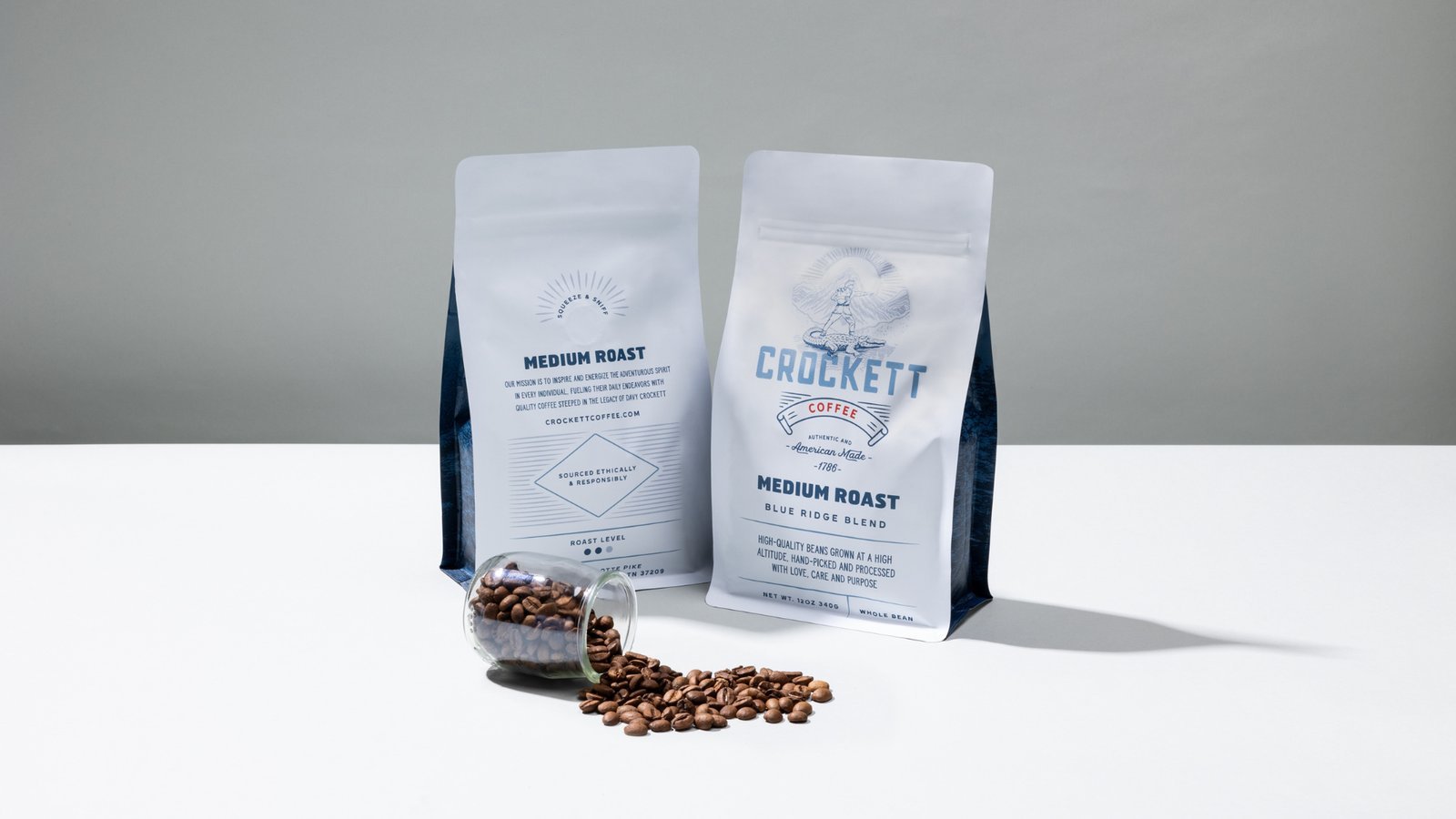
You might ask, is medium roast coffee good for you? Yes, it provides a rich supply of antioxidants and a balanced caffeine level. Scientific evidence suggests that regular consumption can lower the risk of several chronic diseases in healthy adults.
Is medium roast coffee good for you?
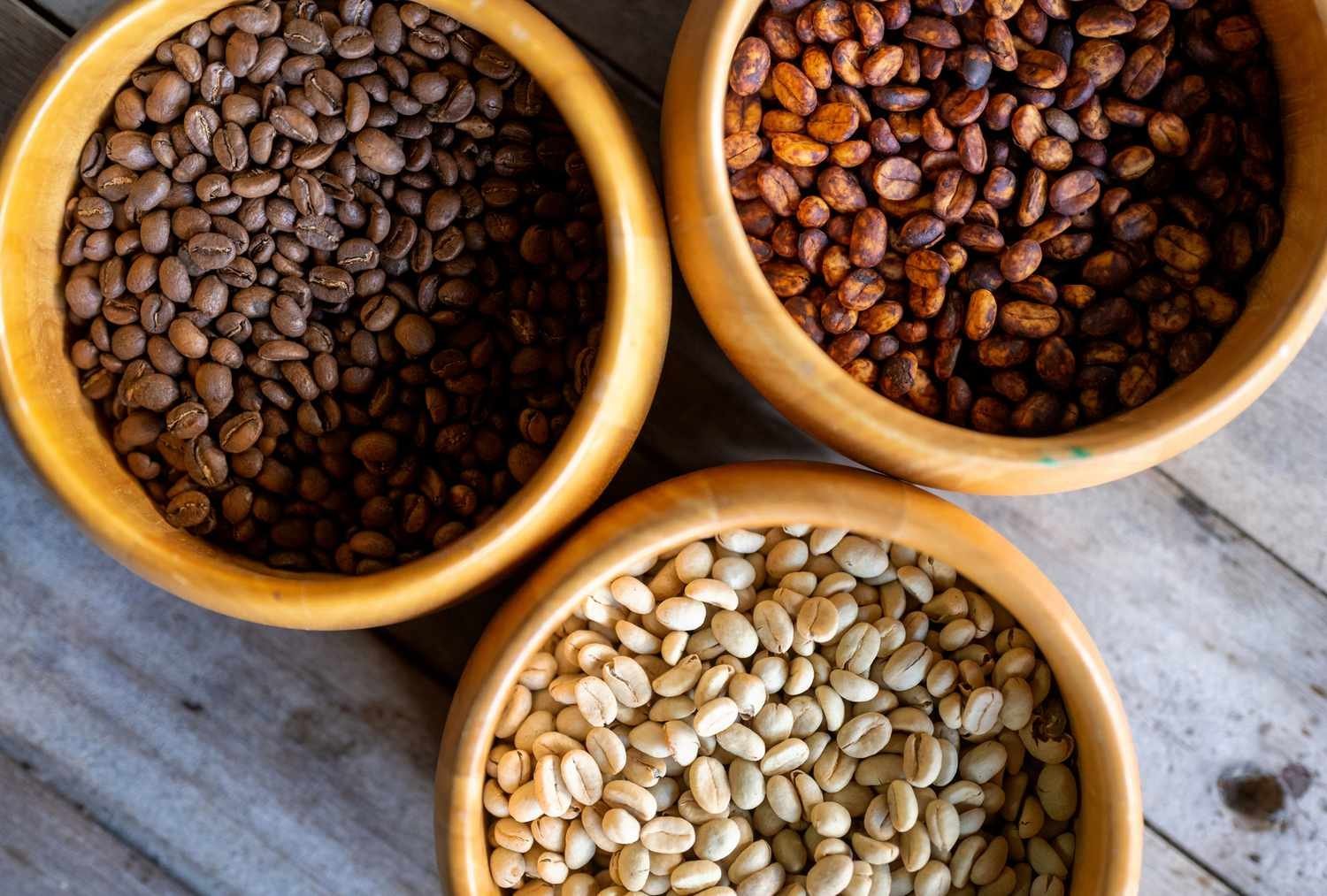
- Choose high-quality beans to avoid mold or contaminants found in poor harvests.
- Consume your coffee black to avoid the hidden calories in cream and sugar.
- Stop drinking coffee 6 hours before bed to protect your sleep quality.
- Use a paper filter to remove oily compounds like cafestol that raise cholesterol.
- Adjust your intake if you feel jittery, as caffeine sensitivity varies by person.
Why coffee supports your health
The primary reason medium roast coffee is good for you involves its high concentration of polyphenols, which are plant-based compounds that act as antioxidants. These molecules help neutralize free radicals in your body, potentially reducing systemic inflammation. Research from the Harvard T.H. Chan School of Public Health indicates that moderate coffee intake is associated with a lower risk of type 2 diabetes, heart disease, and liver conditions.
Medium roast acts as a “sweet spot” for many drinkers. It preserves more of the bean’s natural antioxidants than dark roasts, which are exposed to heat for longer periods. Simultaneously, it’s often easier on the stomach than light roasts, which can have higher acidity levels. You should check the specific roast date on your package to ensure freshness, as the beneficial oils in coffee degrade over time. If you have concerns about your specific health needs, check your medical history or consult a doctor.
When the answer is different
| Situation | What changes | What to do instead |
|---|---|---|
| High blood pressure | Caffeine spikes levels | Limit to one cup |
| Acid reflux | Coffee triggers heartburn | Choose cold brew coffee |
| Sleep issues | Caffeine blocks adenosine | Stop intake by noon |
| Pregnancy | Caffeine affects fetus | Limit to 200mg daily |
| High cholesterol | Coffee oils raise levels | Use paper filters always |
How to do it properly
- Buy fresh, whole-bean coffee and grind it just before brewing to keep the antioxidants stable and the flavor profile at its peak.
- Measure 2 tablespoons of ground coffee for every 6 ounces of water to maintain a standard strength that’s safe for daily consumption.
- Use filtered water heated to 200°F to ensure you extract the beneficial compounds without burning the grounds or creating a bitter taste.
- Pour the water over the grounds slowly, ensuring all coffee is wet, and let it drip through a paper filter for three minutes.
- Keep your daily limit to four cups, as exceeding this amount can lead to heart palpitations or increased anxiety in many healthy adults.
The mistakes that ruin it
- Adding excessive sugar or syrup turns a healthy drink into a source of empty calories and blood sugar spikes.
- Reheating coffee multiple times breaks down the flavor and can make the acidic components taste harsh and unpleasant.
- Ignoring the “use by” date means you might be drinking stale beans that have lost their antioxidant potency.
Frequently asked questions
Is medium roast coffee healthier than dark roast?
Yes, medium roast is generally considered slightly healthier because it retains a higher concentration of chlorogenic acids. Dark roasts are roasted longer, which reduces these beneficial antioxidants, though both types still provide significant health benefits when consumed in moderation.
Can I drink coffee if I have high cholesterol?
Yes, but you must use a paper filter. Unfiltered coffee, such as French press or espresso, contains cafestol, an oil that can raise cholesterol levels; paper filters effectively trap these oils, making the drink safer for your heart health.
How much caffeine is in a cup of medium roast?
A standard 8-ounce cup of medium roast coffee contains about 95 milligrams of caffeine. This amount varies by the specific bean variety and brewing method, so check your coffee brand’s website for the exact count per serving.
Is it safe to drink coffee every day?
Yes, for most healthy adults, drinking coffee regularly is safe and beneficial. You should monitor your body for signs of caffeine sensitivity, such as jitters or insomnia, and adjust your total intake to stay within your personal comfort level.
Does coffee cause dehydration?
No, coffee is a mild diuretic, but it doesn’t cause dehydration when consumed in moderate amounts. The water used to brew the coffee contributes to your total daily fluid intake, helping you stay hydrated throughout the day.
Why does coffee make me feel anxious?
Coffee makes you feel anxious if you consume more caffeine than your nervous system can process. This varies by individual, so if you feel shaky, lower your daily intake or switch to a half-caf blend to reduce the stimulation.
Final Thoughts
Enjoying a cup doesn’t just wake you up; it’s a simple way to support your long-term health. Since everyone’s body reacts differently, try experimenting with different brewing methods to see what tastes best to you. You’ll likely find that a thoughtful daily ritual makes your mornings feel much brighter.
Related guides