
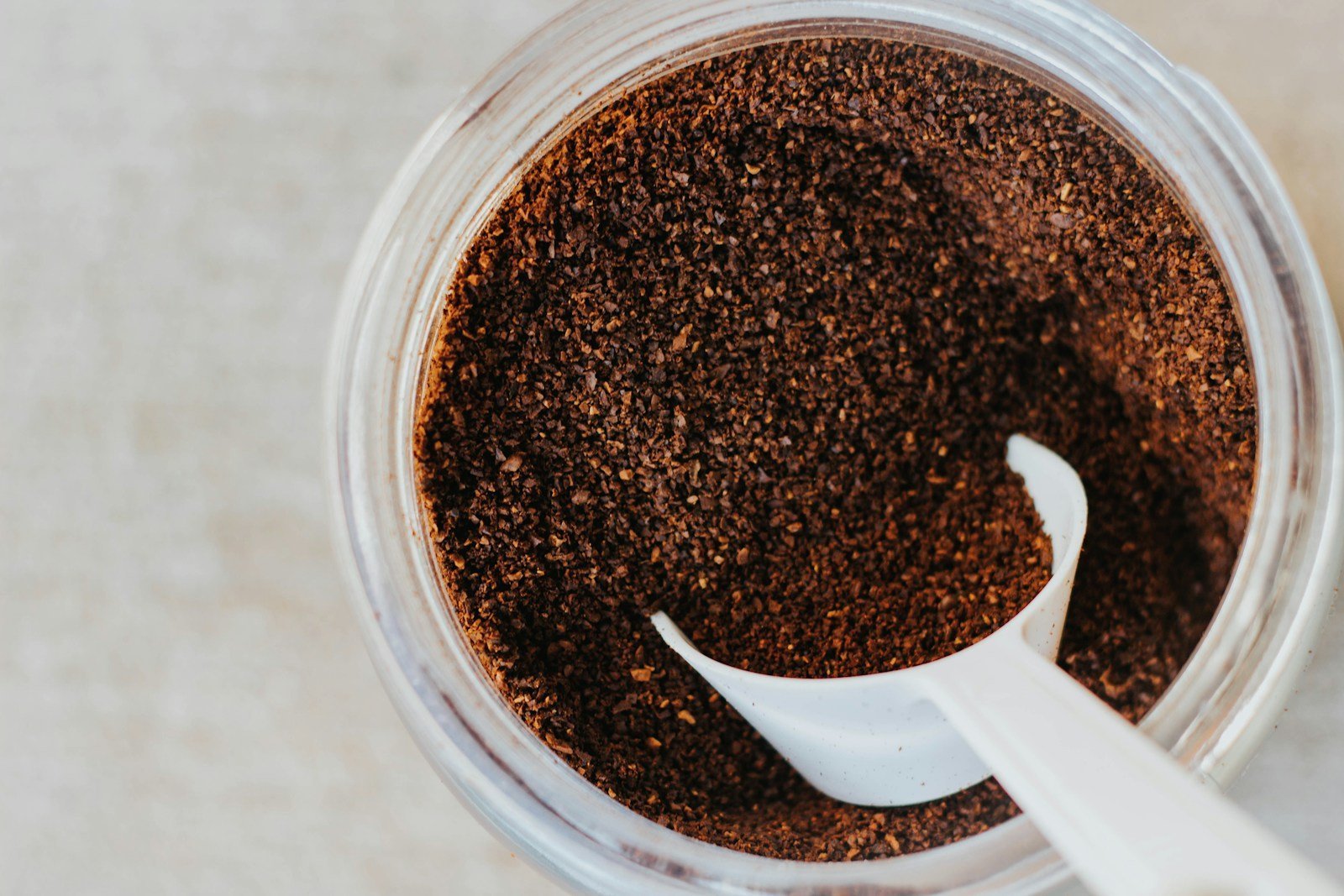
Yes, you can drink coffee with grounds in it without any major health risk, though it will likely taste bitter and feel gritty. You’re safe swallowing these small particles, but you should strain your brew if you prefer a smooth texture and balanced flavor.
Coffee grounds: when to drink and when to strain
Photo: www.reddit.com on Google
| Your situation | Answer | Why |
|---|---|---|
| French press coffee | Expected | Normal for this method |
| Standard drip machine | Strain it | Filter should catch them |
| Espresso machine | Strain it | Grounds ruin the texture |
| Accidentally swallowed | Safe | They’re just roasted beans |
| Brewing Turkish coffee | Drink it | Tradition requires the silt |
| Reused filter paper | Strain it | Old grounds add bitterness |
Why the brewing method changes everything
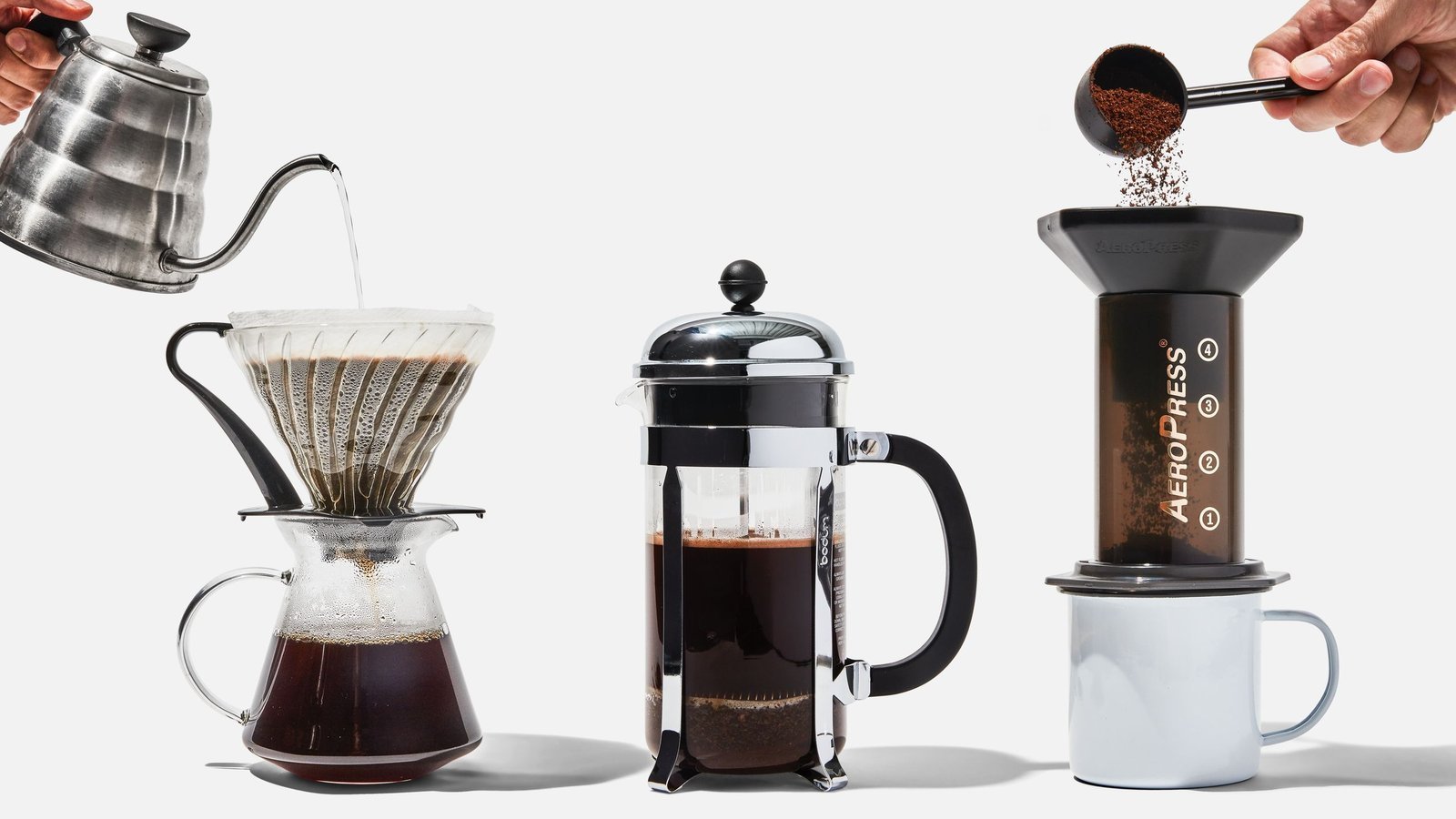
The primary reason you might find grounds in your cup is the brewing method or a failing filter. Coffee grounds are simply roasted, ground beans, and they don’t contain toxic substances that would make you sick if ingested in small amounts. However, the size of the grounds matters significantly. Fine particles, such as those found in Turkish coffee, are meant to stay in the cup, while coarse grounds from a French press are usually left at the bottom. The United States Department of Agriculture notes that coffee contains various dietary compounds, but consuming the actual solid bean material in excess can lead to a very harsh, astringent mouthfeel that masks the drink’s intended notes. If your filter is broken, the grounds will continue to release bitter compounds the longer they sit in your hot water. If the coffee is fresh, the grounds are harmless; if the coffee is old or the grounds are burnt, the flavor will be unpleasant.
Managing your brew properly
Photo: traveldudes.com on Google
If you find yourself with grounds in your cup, you can easily fix the issue before you finish your drink.
- Use a fine-mesh sieve: Pour your coffee through a metal or cloth strainer to catch any loose particles that escaped your primary brewer.
- Let the cup settle: If you’re drinking a method like French press, wait about 60 seconds after pouring to allow the heavier grounds to sink to the bottom.
- Decant the liquid: Pour the coffee into a second mug, leaving the last half-inch of liquid and the heavy sediment behind in the first cup.
- Check your filter seal: Ensure your paper or metal filter is seated correctly in the basket before you add water, as gaps are the most common cause of grounds in the carafe.
- Adjust your grind size: If you’re using a home grinder, switch to a slightly coarser setting to prevent fine “fines” from passing through your filter mesh.
The common mistake of over-extraction
Most people make the mistake of leaving the coffee in contact with the loose grounds for too long. Once the coffee is brewed, the water is already saturated with flavor. If you leave the grounds in the liquid, they continue to release tannins and bitter oils. This makes the drink taste sharp and unpleasantly bitter after about 10 minutes. The cost of this mistake is a ruined cup of coffee that loses its smooth, aromatic profile. Always separate your liquid from the grounds as soon as the brewing cycle finishes to maintain the intended flavor balance.
When to stop and get help
- Persistent sediment: If your machine produces a cup full of sludge every time, the internal filter basket or screen is likely damaged.
- Metallic taste: If the coffee tastes like metal or plastic, the brewer’s internal components may be degrading and need professional repair.
- Pressure issues: If an espresso machine struggles to push water through, the pump or group head requires a technician to prevent internal damage.
Frequently asked questions
Can you drink coffee with grounds in it while pregnant?
Yes, you can safely consume small amounts of sediment, but you should monitor your total caffeine intake. The grounds themselves don’t add specific risks, but they do contribute to the total caffeine content of your drink.
Is it safe to swallow coffee grounds?
Yes, it’s perfectly safe to swallow coffee grounds. They’re food-grade roasted beans and will pass through your digestive system without causing any harm to your body or internal organs.
Why does my coffee have so many grounds?
Your coffee likely has grounds because the filter is torn, the filter isn’t seated correctly, or your grind size is too fine for your specific brewing device. Check these parts before your next brew.
How long can I leave grounds in my coffee?
You should remove grounds immediately after brewing. Leaving them in the liquid for more than 10 minutes will result in a bitter, astringent taste.
Does drinking grounds cause stomach pain?
No, drinking a few grounds won’t cause stomach pain for most people. However, if you have a sensitive stomach, the high acidity and fiber content of the grounds might cause mild discomfort if consumed in large quantities.
Can I reuse coffee grounds?
No, you shouldn’t reuse coffee grounds for a second cup. The first brew extracts the best flavors and oils, while a second brew will only produce a watery, bitter, and weak cup of coffee.
Drink coffee, in short
If you find grounds in your cup, strain the liquid through a fine-mesh sieve or a fresh paper filter. This simple step will remove the grit and improve the flavor immediately. If your brewer continues to leak large amounts of sediment, check the filter for tears or cracks.
Related guides