
To keep coffee fresh after grinding, store it in an airtight, opaque container in a cool, dark place.
Best containers to keep coffee fresh
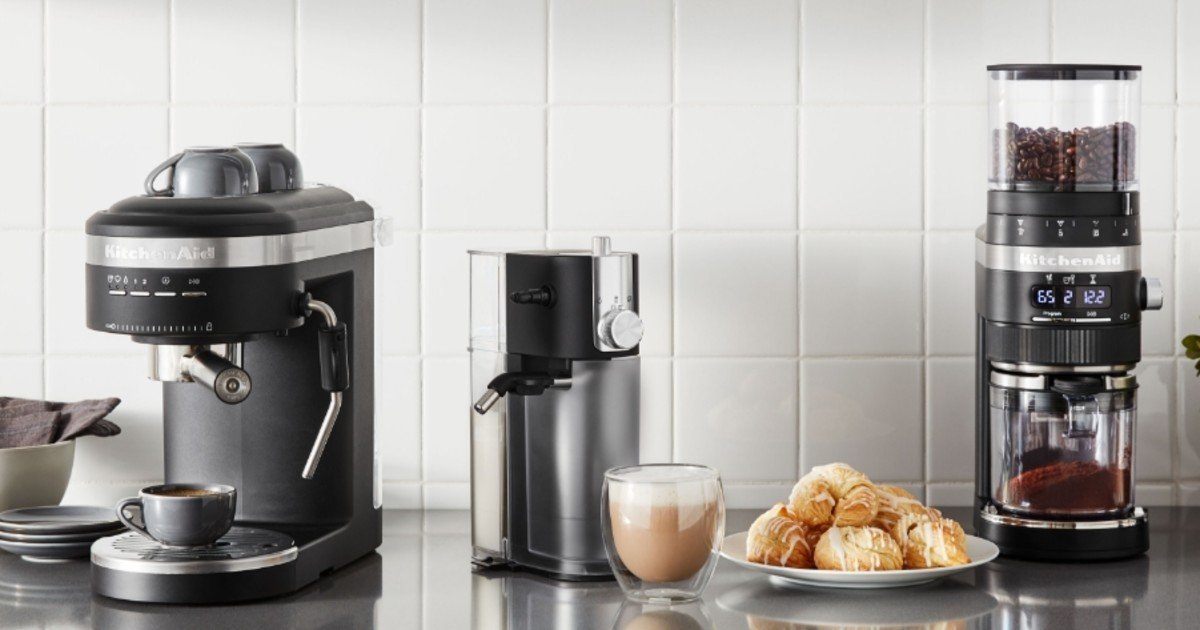
Photo: www.kitchenaid.com on Google
| Item | How much | Why it’s needed | A substitute |
|---|---|---|---|
| Airtight canister | 1 unit | Blocks oxygen entry | Glass jar with seal |
| Opaque container | 1 unit | Prevents light damage | Stored inside cupboard |
| Digital scale | 1 unit | Measure exact doses | Measuring scoop |
| Cool environment | Room temp | Slows chemical changes | Pantry shelf |
| Humidity pack | 1 packet | Maintains stable moisture | none — don’t swap this |
Preparation before storage
- Switch off your grinder and unplug it to prevent accidental starts during cleaning.
- Empty the hopper completely to ensure no old, stale grounds contaminate your fresh batch.
- Wipe the burrs with a dry, lint-free cloth; water causes rust and ruins your equipment.
- Move the container away from the stove or oven, as heat accelerates the staling process.
- Check the seal on your canister; if it’s cracked, replace it immediately to keep air out.
Steps for preserving grounds
- Grind only the amount you’ll use within three days to minimize exposure to air.
- Pour the fresh grounds immediately into a ceramic, glass, or stainless steel container with a silicone seal.
- Press the plunger or seal the lid tightly to remove as much excess air as possible.
- Place the container in a dark cupboard, away from direct sunlight or kitchen heat sources.
- Keep the temperature steady, as frequent fluctuations cause condensation inside the container, which ruins flavor.
- Avoid storing coffee in the refrigerator, as it absorbs odors from other foods and creates moisture. FoodSafety.gov storage guidelines explain why keeping perishable items away from odors is essential for quality control.
- Label the container with the roast date to help you track how long the coffee has been sitting.
Signs of peak freshness
Freshly ground coffee should have a strong, vibrant aroma immediately upon opening the container. If the scent is faint or smells like cardboard, the oils have likely oxidized, and the flavor will be flat. You should also look for a consistent texture that clumps slightly under light pressure. If the grounds have turned pale or dusty in color, they have lost their essential oils.
Handling common issues
| What happened | Why | What to do |
|---|---|---|
| Coffee tastes flat | Excessive air exposure | Grind in smaller batches |
| Moisture in jar | Temperature fluctuations | Move to cooler cupboard |
| Grounds smell like food | Poor container seal | Use airtight, non-porous seal |
| Coffee is bitter | Oil oxidation | Use within three days |
Frequency of storage
You should aim to consume your ground coffee within 72 hours of grinding for the best profile. If you grind a large amount, you must use it faster, as the increased surface area leads to rapid oxidation.
Most enthusiasts make the mistake of grinding an entire bag at once to save time. This decision costs you the delicate floral and fruity aromatics that vanish within minutes of exposure to air.
If you can’t finish a batch within three days, shift your routine to grind only what you need for each individual brew. Use this simple rule: if you’re brewing for a single cup, grind exactly 18 to 20 grams. If you’re preparing a full carafe, grind only the precise weight required for that specific pot.
Frequently asked questions
Can I freeze ground coffee?
No, you should avoid freezing ground coffee because the constant temperature changes cause condensation, which ruins the flavor. If you must store it long-term, keep it in a sealed, airtight bag in a cool, dark place.
Why does coffee lose flavor after grinding?
Loss of flavor happens because grinding increases the surface area exposed to oxygen. Oxygen reacts with the volatile oils in the coffee, which are responsible for the aroma and taste you enjoy in your cup.
How long does ground coffee last?
Ground coffee lasts about three days before the taste profile noticeably declines. While it remains safe to consume for much longer, the vibrant notes of the roast will fade as the oils continue to oxidize.
Is it safe to store coffee in plastic?
Yes, it’s safe, but you should choose BPA-free containers that are airtight. Plastic can sometimes absorb strong odors, so ensure the container is kept in a clean, neutral-smelling area of your kitchen.
Does light affect the coffee quality?
Yes, light exposure triggers chemical reactions that degrade the coffee oils. Always store your grounds in an opaque container or inside a dark cupboard to shield them from ultraviolet rays that spoil the flavor.
What happens if I leave the lid open?
Leaving the lid open allows oxygen to reach the grounds, which causes immediate staling. You’ll notice the rich aroma disappears within minutes, resulting in a cup that tastes thin, sour, or bland.
Keep your coffee in a dark, dry, and cool space to maintain the best possible quality. If you follow these simple storage rules, you’ll notice a significant improvement in the consistency of your morning brew.
Coffee fresh, in short
Treat your beans like a delicate ingredient, and you’ll notice the difference in every cup. Since flavor fades quickly once the surface area increases, try grinding only what you’ll brew immediately. You’ll find that a little extra care makes your morning routine feel much more rewarding and delicious.
Related guides