
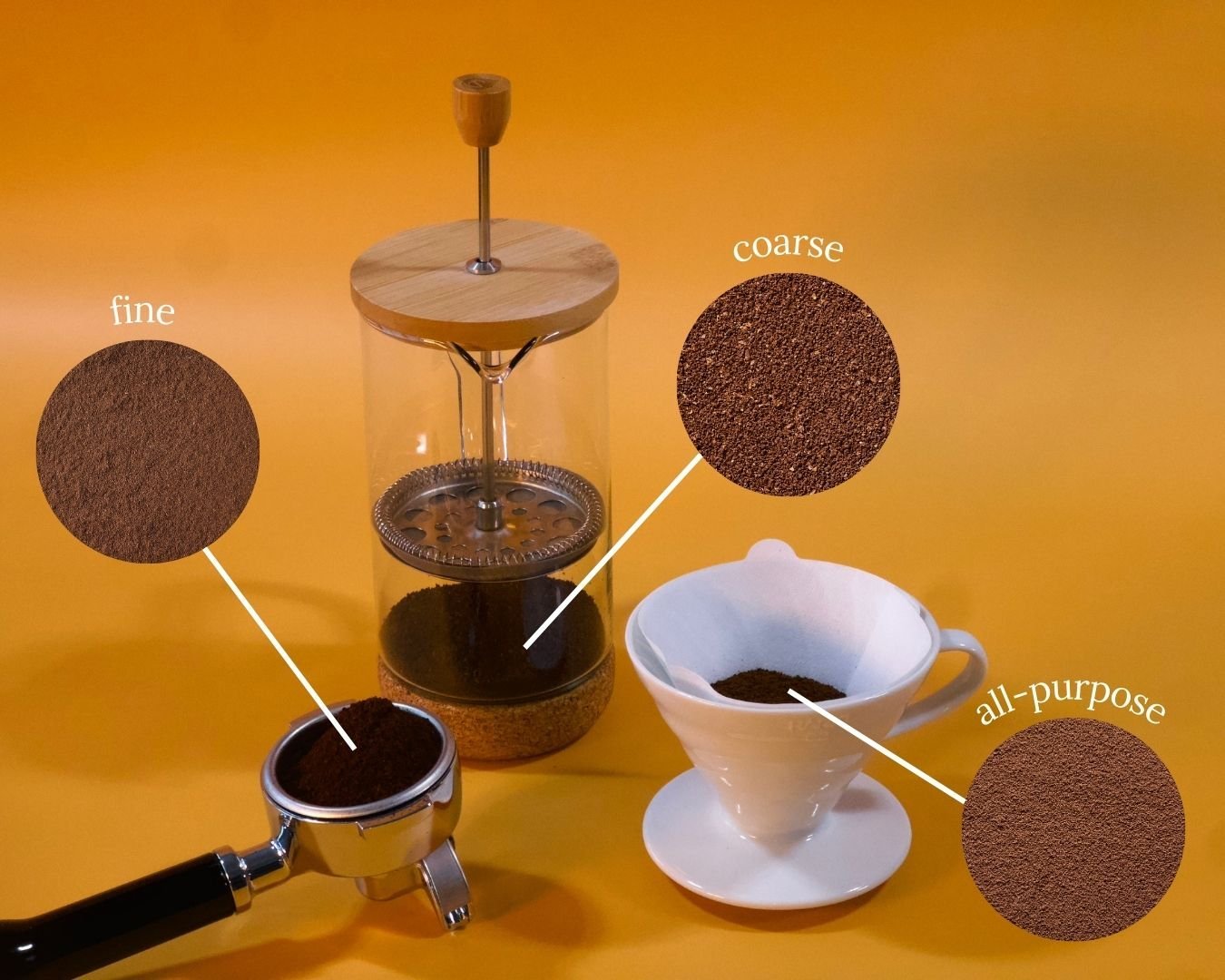
Making ground coffee in a standard drip machine requires two tablespoons of medium-grind beans for every six ounces of water. This method is the most reliable way to achieve a consistent, balanced cup of coffee.
Tools to make ground coffee
Photo: outin.com on Google
To prepare a quality cup, you need a few specific items. Having the right tools ensures you get the best flavor from your beans.
- A coffee grinder with burr settings for a consistent grind size.
- Freshly roasted coffee beans, ideally used within two weeks of the roast date.
- Filtered water to avoid off-tastes from tap minerals or chlorine.
- A standard drip coffee maker or a manual pour-over device.
- Paper filters that fit your specific machine or basket size.
If you lack a burr grinder, a blade model works, though it creates uneven particles.
Brewing your cup
- Measure two tablespoons of whole beans for every six ounces of water you plan to brew.
- Grind your beans to a medium consistency, which should look like sea salt.
- Place a fresh paper filter into the machine basket and rinse it with hot water to remove any paper taste.
- Add the ground coffee to the filter, leveling it out so the surface is flat.
- Pour cold, filtered water into the machine reservoir up to the desired line.
- Start the brewing cycle and wait until the drip process finishes completely.
- Remove the carafe and serve your coffee immediately while it’s hot.
Tip: If your coffee tastes bitter, use a coarser grind next time. Careful: Never reuse grounds, as they have already lost their flavor compounds and will only add a burnt, muddy taste to your fresh water.
Adjusting for your situation
The time and effort required change based on the amount of coffee you need to prepare.
| Situation | Time Required | Difference | What to Watch |
|---|---|---|---|
| Single Cup | 3 Minutes | Manual Pour-over | Water Temperature |
| Full Carafe | 8 Minutes | Drip Machine | Filter Saturation |
| Cold Brew | 12 Hours | Coarse Grind | Extraction Time |
It’s safer to start with a smaller amount of coffee and increase the dose if the flavor is too weak.
Checking the results
Photo: www.jneurovirol.com on Google
A perfect cup of coffee should be clear and aromatic, without any visible sediment at the bottom of the mug. If your coffee looks murky or tastes excessively sour, you likely used a grind that was too fine, which causes over-extraction. Conversely, if the coffee feels thin and watery, the grind was likely too coarse or you used too little coffee. To prevent these issues, always measure your beans by weight rather than volume if you have a kitchen scale. Consistency is the secret to getting the same result every single morning.
Standards and maintenance
The National Coffee Association suggests that water temperature should stay between 195°F and 205°F for ideal extraction. After you finish brewing, discard the used grounds immediately and rinse the carafe to prevent oil buildup. You should deep-clean your machine with a vinegar-and-water solution regularly to remove mineral deposits. If you’re unsure about your machine’s specific care, check the user manual provided by the manufacturer to avoid voiding your warranty.
Different brewing routes
French Press
This method uses a coarse grind and immersion. It results in a heavy, full-bodied cup with more natural oils because it lacks a paper filter. It takes about four minutes of steep time.
Espresso Machine
This uses a very fine, powdery grind and high pressure to extract a concentrated shot. It requires expensive equipment and practice to pull a proper shot with a thick, golden crema on top.
Cold Brew
By steeping grounds in cold water for half a day, you create a low-acid concentrate. This method is perfect if you find hot-brewed coffee too harsh or acidic for your stomach.
Frequently asked questions
Can I use tap water for coffee?
Yes, you can use tap water, but it must be cold and clean. If your tap water has a strong chlorine smell or taste, it will negatively affect the final flavor of your ground coffee.
Why is my coffee sour?
Your coffee is sour because the grind was too coarse or the water wasn’t hot enough. This causes under-extraction, where the water passes through the grounds too quickly to pick up the sweet, balanced notes.
How long does ground coffee stay fresh?
For the best result, keep your whole beans in an airtight container away from light and heat, and only grind exactly what you need for each brew.
Is it safe to leave coffee in the machine?
What happens if I use too much coffee?
Using too much coffee makes the drink taste bitter and creates a thick, syrupy texture. Always stick to the ratio of two tablespoons per six ounces of water to keep the balance correct for your palate.
Ground coffee, in short
Once your carafe is full, take a moment to savor the aroma before your first sip. If you’re feeling adventurous, try experimenting with different bean origins or roast levels next time. You’ll soon find your favorite flavor profile, and you won’t want to go back to store-bought grounds again.
Related guides