
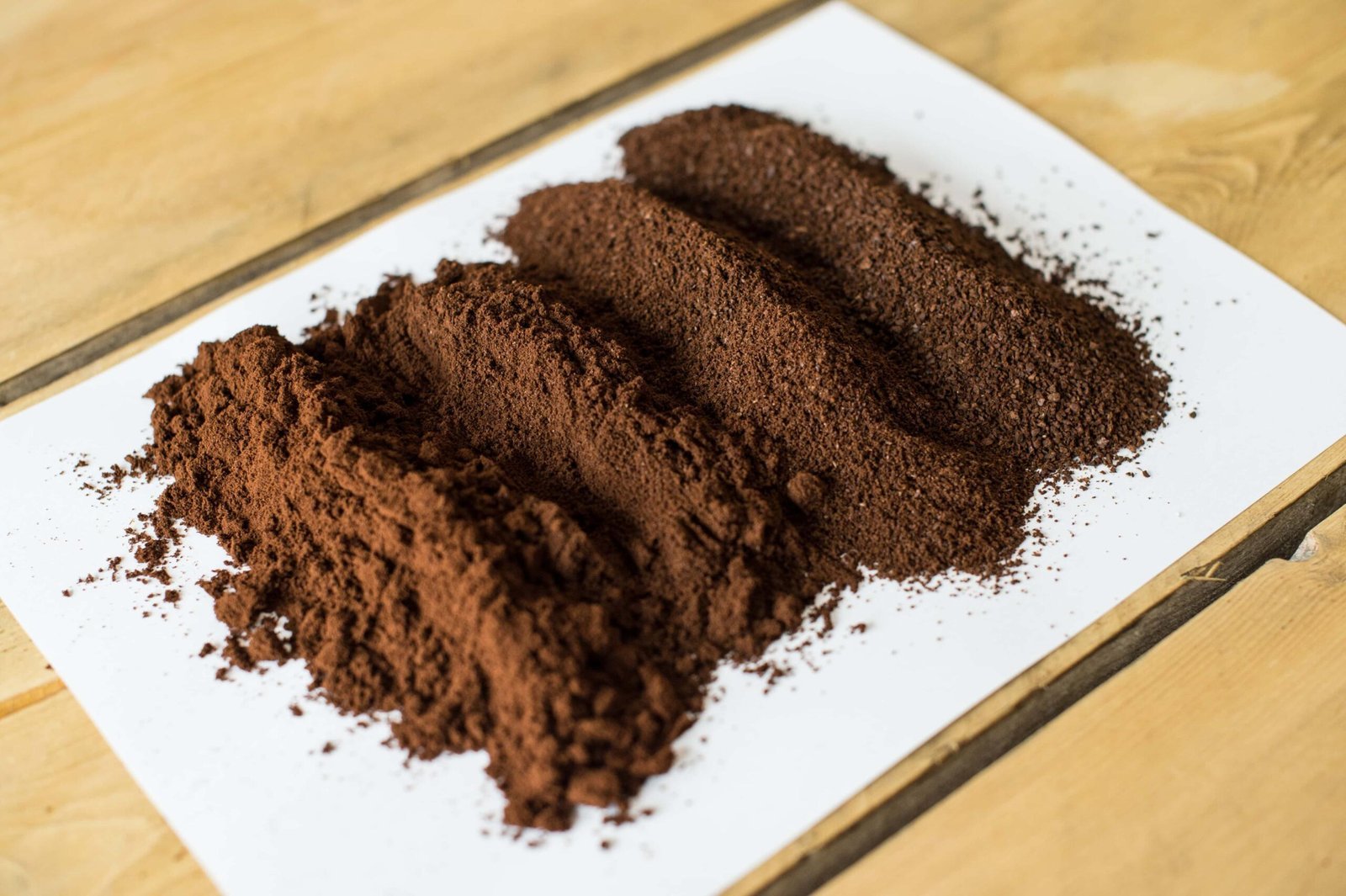
Grinding coffee that’s already ground is ineffective because the particles are too small to be caught by the burrs or blades.
Can you grind already ground coffee
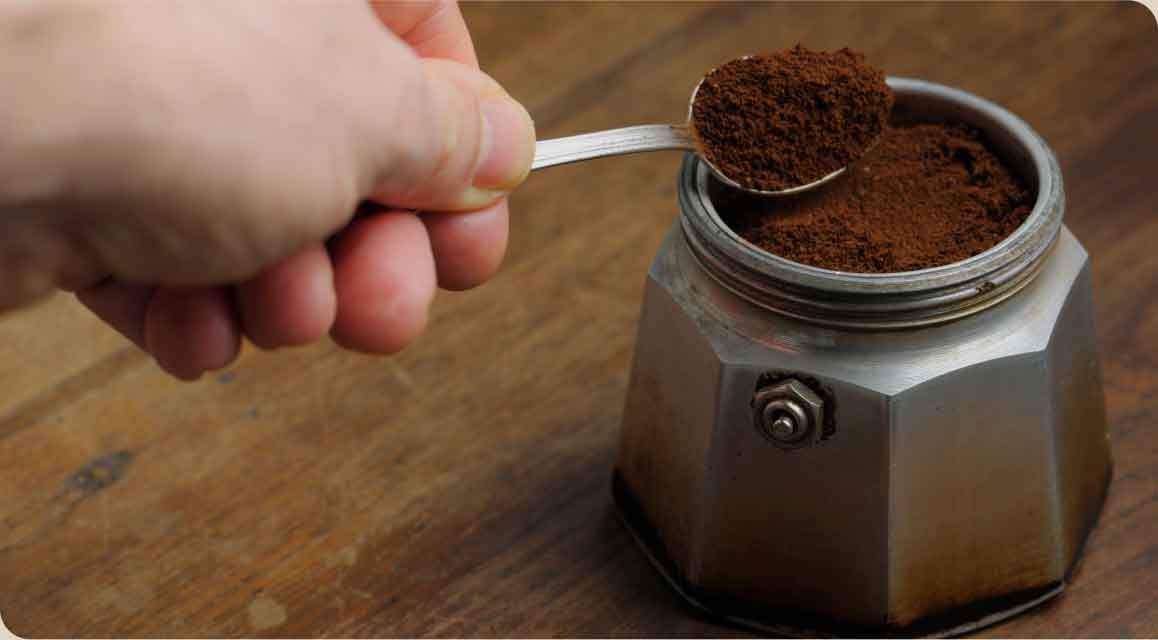
Whether you can change the texture of your coffee depends on the state of the beans and the equipment you own. Most home grinders are designed to pull whole beans into the cutting zone; once the coffee is already ground, it simply slips through the mechanism without being cut further.
| Your situation | Answer | Why |
|---|---|---|
| Using a blade grinder | No | Blades just spin the dust around |
| Using a burr grinder | No | Particles pass through without contact |
| Making Turkish coffee | Maybe | Only if your mill has a micro-setting |
| Trying to fix coarse grounds | No | The machine can’t grab the dust |
| Cleaning the grinder | Yes | Use dry rice to scrub away oils |
The mechanics of particle size
The primary reason you can’t further process ground coffee is the mechanical gap in your equipment. Grinders are calibrated with a specific distance between the burrs to crush whole beans into uniform sizes. When you feed pre-ground coffee into this space, the particles are already smaller than the minimum gap of the grinder. They will simply fall through into the collection bin without any physical change to their structure. If you force the machine to its tightest setting, you risk clogging the exit chute with compressed coffee oils. This clumping can lead to a stalled motor or damage to the grinder’s internal components. Always check your manufacturer’s manual for proper operation and maintenance, as using the machine improperly can void your warranty or damage the internal calibration.
Steps for better extraction
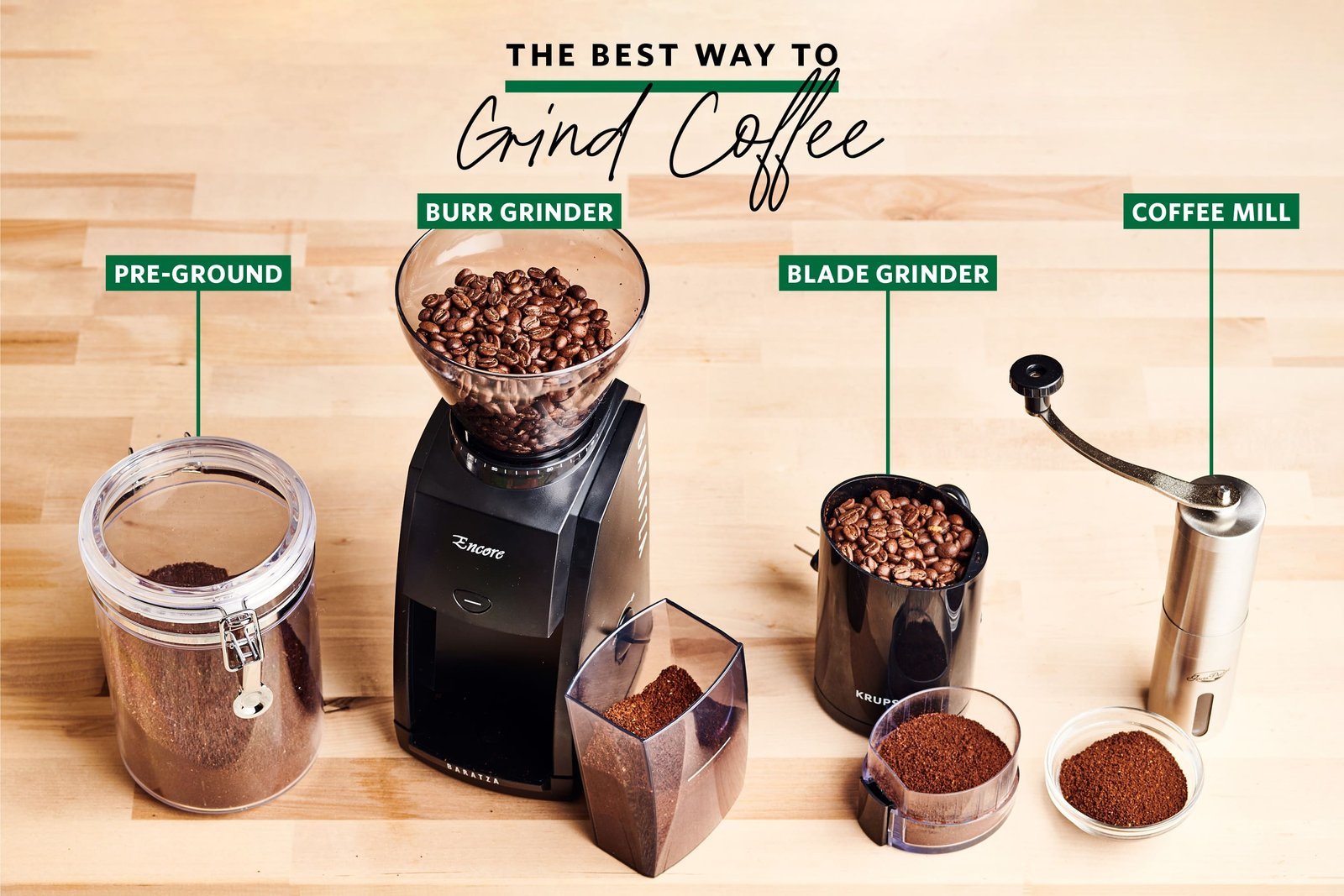
If you find that your current ground coffee isn’t producing the flavor you want, you must adjust your brewing technique rather than the grind size. You can’t change the surface area of existing grounds, but you can alter the contact time between the water and the coffee.
- Adjust your water temperature to between 195°F and 205°F to ensure you pull the right flavors from the existing grind size.
- Increase the brew time by 30 seconds if your coffee tastes sour, as this allows more extraction from the small particles.
- Decrease the brew time by 30 seconds if the coffee tastes bitter, which indicates over-extraction.
- Use a finer paper filter if you find too much sediment in your cup, which helps catch the smallest dust particles.
- Store your grounds in an airtight container away from light and heat to maintain the freshness of the beans you already have.
The common mistake with consistency
The biggest mistake people make is trying to “re-grind” coffee to fix a brewing error, such as using a drip-grind setting in a French press. This costs you a ruined cup of coffee and risks damaging your grinder’s motor. When you put fine dust into a machine designed for whole beans, the dust creates a dense mass that creates friction instead of a clean cut. You’re better off buying a new bag of beans at the correct setting than trying to force a change that your equipment is physically incapable of performing.
When to seek professional service
Stop using your grinder if you notice these signs, as they indicate a mechanical failure that requires a technician:
- The motor hums but the burrs don’t spin, which suggests a jammed gear or a broken drive belt.
- You smell burning plastic or ozone, which means the motor is overheating due to resistance.
- The grind adjustment dial is stuck, which often happens when fine oils and dust harden inside the mechanism.
Frequently asked questions
Can I use a blender to grind coffee?
No, a blender isn’t designed for coffee beans. It will result in an uneven, dusty mess that ruins the flavor of your brew and may dull the blender’s blades over time.
Why is my coffee bitter?
Your coffee is likely bitter because the water spent too much time in contact with the grounds. Try reducing your total brew time by 30 seconds to see if it improves the flavor.
How long does ground coffee stay fresh?
Ground coffee loses its peak flavor within two weeks of opening the bag. Store it in an airtight container in a cool, dark place to slow down the oxidation process.
Is it safe to grind rice in my coffee grinder?
Yes, using dry, uncooked white rice is a common way to clean residual oils from your grinder. Run a small handful through the machine, then discard the rice powder completely.
Can I change the grind size after brewing?
No, once coffee has been exposed to water, its structure is permanently altered. You can’t re-grind or dry out used coffee grounds to use them again for a fresh cup.
Does the burr type matter for fine grinds?
Yes, flat burrs generally produce more uniform particles than conical burrs. However, neither type can effectively re-process coffee that has already been ground to a fine or medium consistency.
Grind ground, in short
You should first check the label on your coffee bag to see the intended brewing method, then match your equipment to that specific requirement. If the coffee still tastes wrong, adjust your water-to-coffee ratio instead of the grind. Stop if the machine makes any grinding or whining sounds.
Related guides