
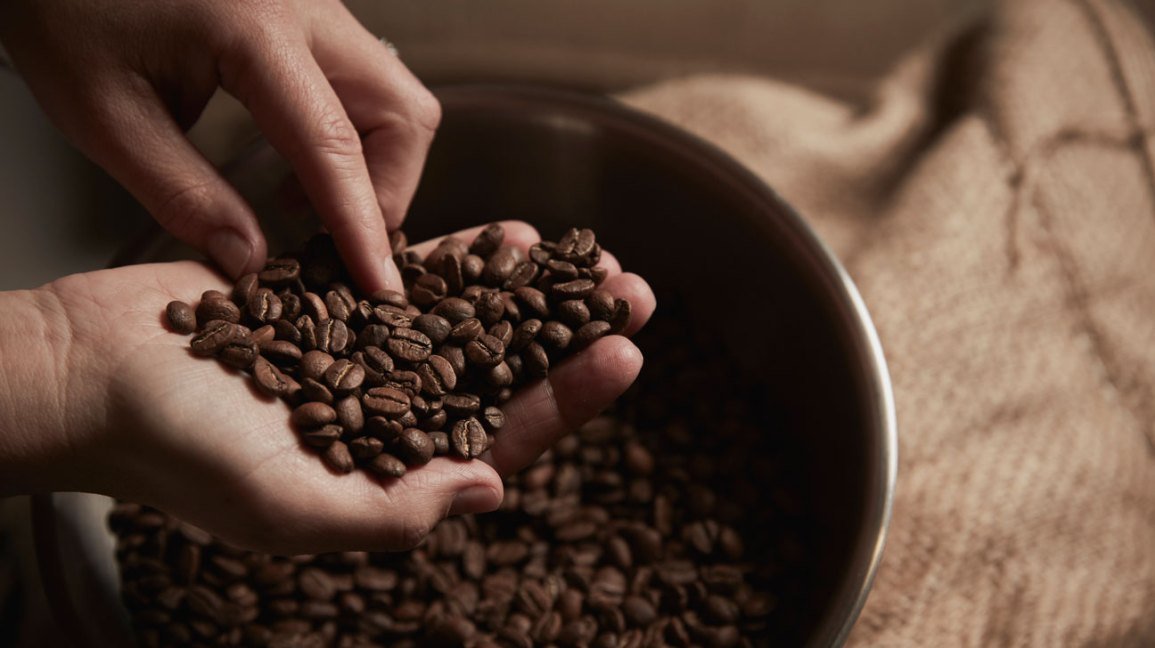
You can chew coffee grounds safely in small amounts, though the texture and intense bitterness make it unpleasant for most people. While it isn’t toxic, consuming large quantities of caffeine through this method can lead to jitters or digestive discomfort.
Situations for coffee consumption

| Your situation | Answer | Why |
|---|---|---|
| Chewing a few grounds | Yes, safe | Small caffeine dose |
| Eating a full spoonful | No, risky | Excess caffeine intake |
| Used or wet grounds | No, avoid | Bacterial growth risk |
| Grounds with added sugar | Yes, edible | Better flavor profile |
| People with sensitive stomachs | No, avoid | High acidity levels |
| People with heart conditions | No, consult | Caffeine affects heart |
Factors influencing your experience
The decision to chew coffee grounds depends primarily on your tolerance for caffeine and the physical state of the beans. If you have a low tolerance for caffeine, even a small teaspoon of grounds can cause rapid heart rate or anxiety.
Furthermore, the physical texture of spent or fresh grounds is gritty and can irritate the lining of your mouth or esophagus. If you’re experimenting with this, start with a tiny pinch to gauge your body’s reaction. If you feel dizzy or notice a racing heart, stop immediately; if you feel fine, stick to a limit of one-quarter teaspoon per day to avoid excessive intake.
How to handle coffee grounds safely
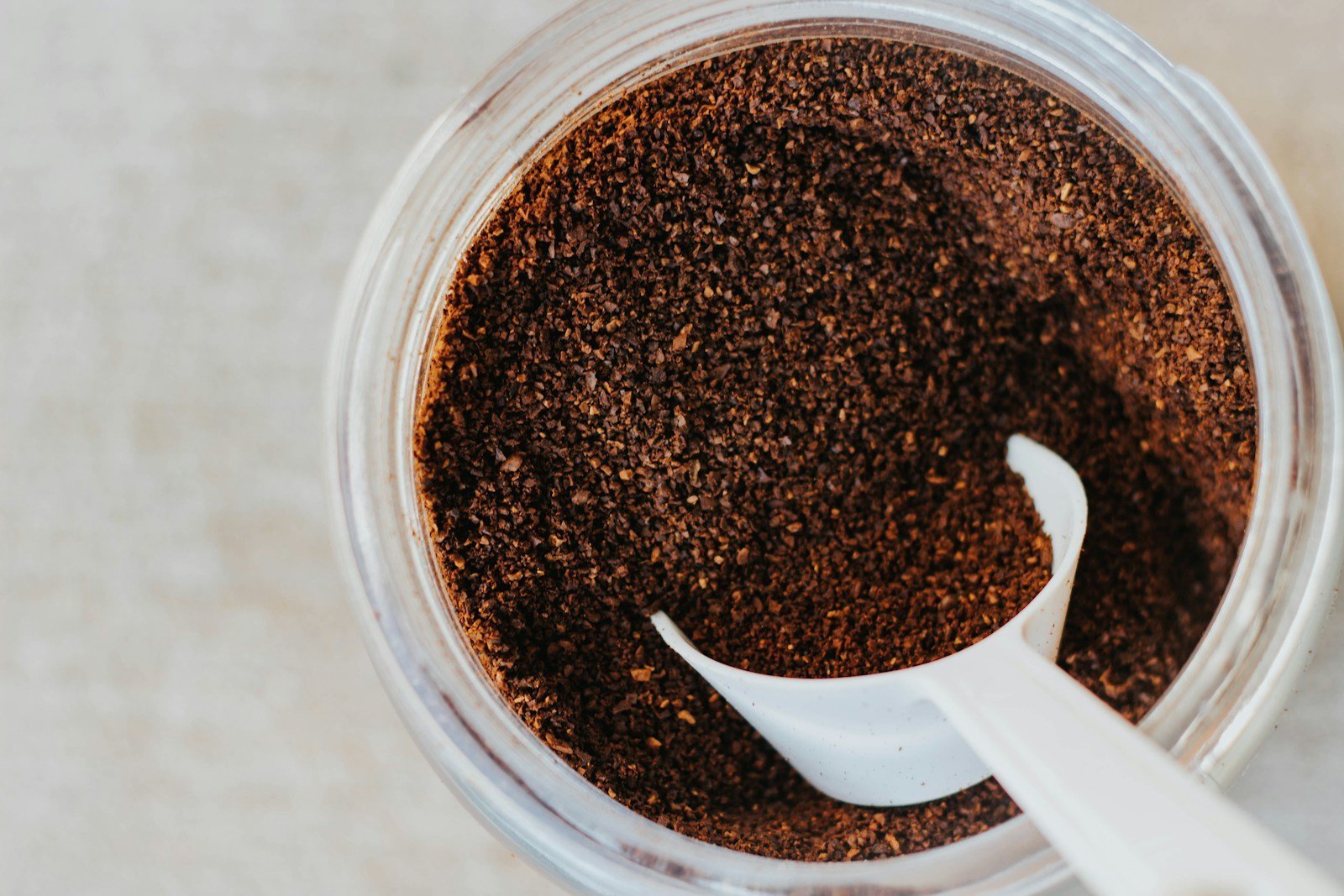
If you decide to try chewing coffee grounds for a quick boost, follow these steps to manage the process.
- Select light or medium roast beans to keep the acidity levels lower than dark, oily roasts.
- Measure no more than one-quarter teaspoon of dry, fresh grounds to prevent an accidental caffeine overdose.
- Mix the grounds with a small amount of honey or chocolate to mask the bitter flavor and improve the texture.
- Chew slowly and thoroughly to break down the particles before swallowing, which helps your stomach process the material.
- Drink a full glass of water immediately after to clear your mouth and help move the grounds into your digestive system.
If you have underlying health conditions, such as high blood pressure or anxiety, avoid this practice entirely as it lacks the standard filtration that removes certain oils and compounds.
The mistake people make
The most common mistake is assuming that used, wet coffee grounds are safe to eat after they have sat in a machine. This practice is dangerous because moist, organic material is a perfect breeding ground for mold and bacteria, which can cause foodborne illness. According to the USDA food safety guidelines, perishable items should never sit at room temperature for more than two hours. Always stick to fresh, dry grounds from a sealed container to avoid unnecessary health risks.
When to stop and get help
-
Chest pain or palpitations: These are signs of acute caffeine sensitivity. If your heart rate exceeds 100 beats per minute while at rest or you feel a fluttering sensation, seek immediate medical attention.
-
Severe abdominal cramping: This often indicates that the undigested grounds are causing a physical blockage or intense irritation of the intestinal lining. If the pain persists for more than two hours after ingestion, visit an urgent care clinic.
-
Nausea or persistent vomiting: This suggests an adverse reaction to the concentrated tannins or fiber content. If you can’t keep fluids down for four hours, you risk dehydration.
If you experience these symptoms, stop consuming grounds immediately. Most people mistake these for simple indigestion, but ignoring them can lead to electrolyte imbalances or cardiac strain. When in doubt, prioritize professional assessment over home remedies.
Frequently asked questions
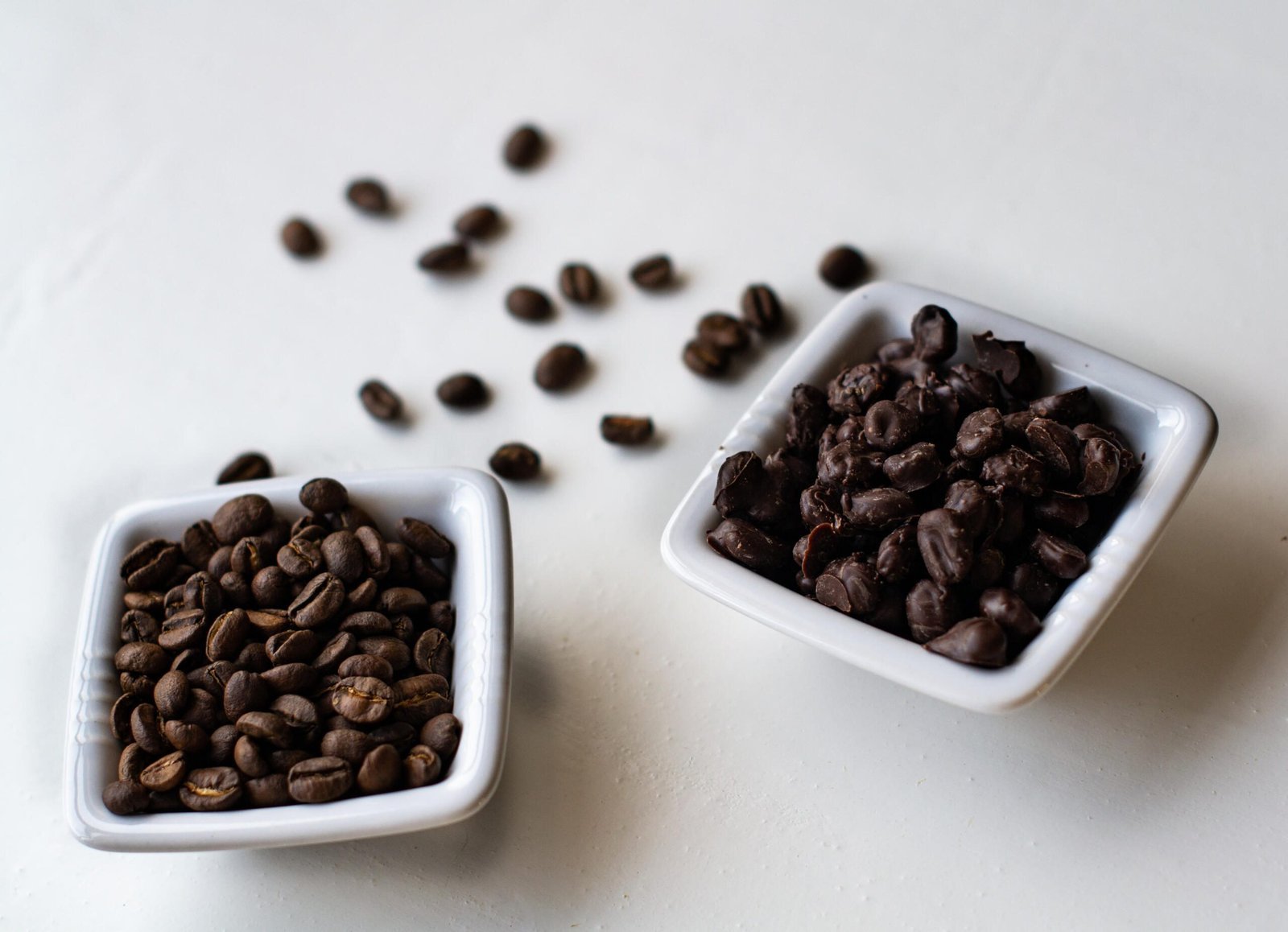
Can you chew coffee grounds for energy?
Is it safe to chew coffee grounds daily?
No, it isn’t recommended for daily use. The high acidity and concentrated caffeine can lead to long-term digestive issues, tooth enamel erosion, or dependency on high levels of stimulants for daily function.
What happens if I swallow too many grounds?
You may experience jitters, anxiety, rapid heart rate, or significant stomach pain. If you swallow a large amount, monitor your heart rate and seek medical advice if you feel lightheaded or develop severe stomach discomfort.
How do coffee grounds affect my teeth?
Chewing coffee grounds can cause staining and potential enamel wear. The abrasive nature of the grounds, combined with the natural acids in coffee, can damage the surface of your teeth over time.
Does chewing grounds give more caffeine than drinking coffee?
Can I chew decaffeinated coffee grounds?
Yes, you can chew decaffeinated grounds, which eliminates the risk of caffeine jitters. However, the acidic nature of the coffee remains, so it may still cause heartburn or irritation for some individuals.
Chew coffee, in short
Start by placing a very small pinch of fresh, dry coffee grounds on your tongue to test the flavor and texture. If you enjoy the effect without digestive distress, you can slowly increase the amount up to the recommended limit. If you feel any discomfort, stop immediately.