
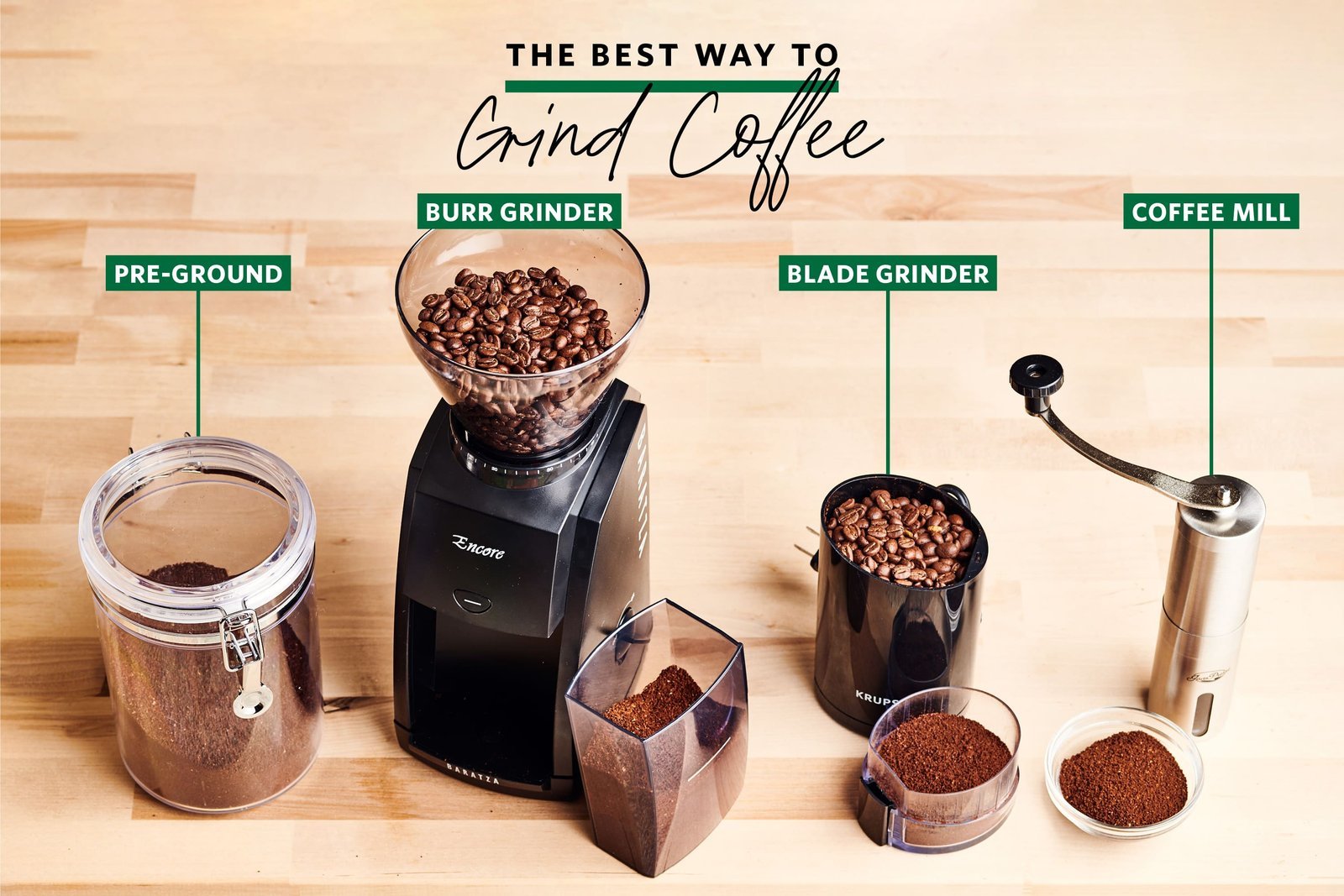
Avoid trying to grind ground coffee again, as you can’t successfully achieve a better extraction from already processed grounds.
Ways to regrind your coffee
You don’t need to regrind coffee that’s already ground because the particle size is set for specific brewing methods. Instead, adjust your brewing variables to improve the flavor if the current result isn’t to your liking.
| Your situation | Answer | Why |
|---|---|---|
| Grounds are too coarse | Brew for longer | Longer contact time increases extraction |
| Grounds are too fine | Brew for shorter | Less contact time reduces bitterness |
| Coffee tastes sour | Increase water heat | Higher heat extracts more sugars |
| Coffee tastes bitter | Lower water heat | Lower heat avoids harsh compounds |
| Using French press | Use coarser grind | Fine grounds create heavy sludge |
| Using drip machine | Use medium grind | Medium size prevents filter clogging |
Why re-grinding fails
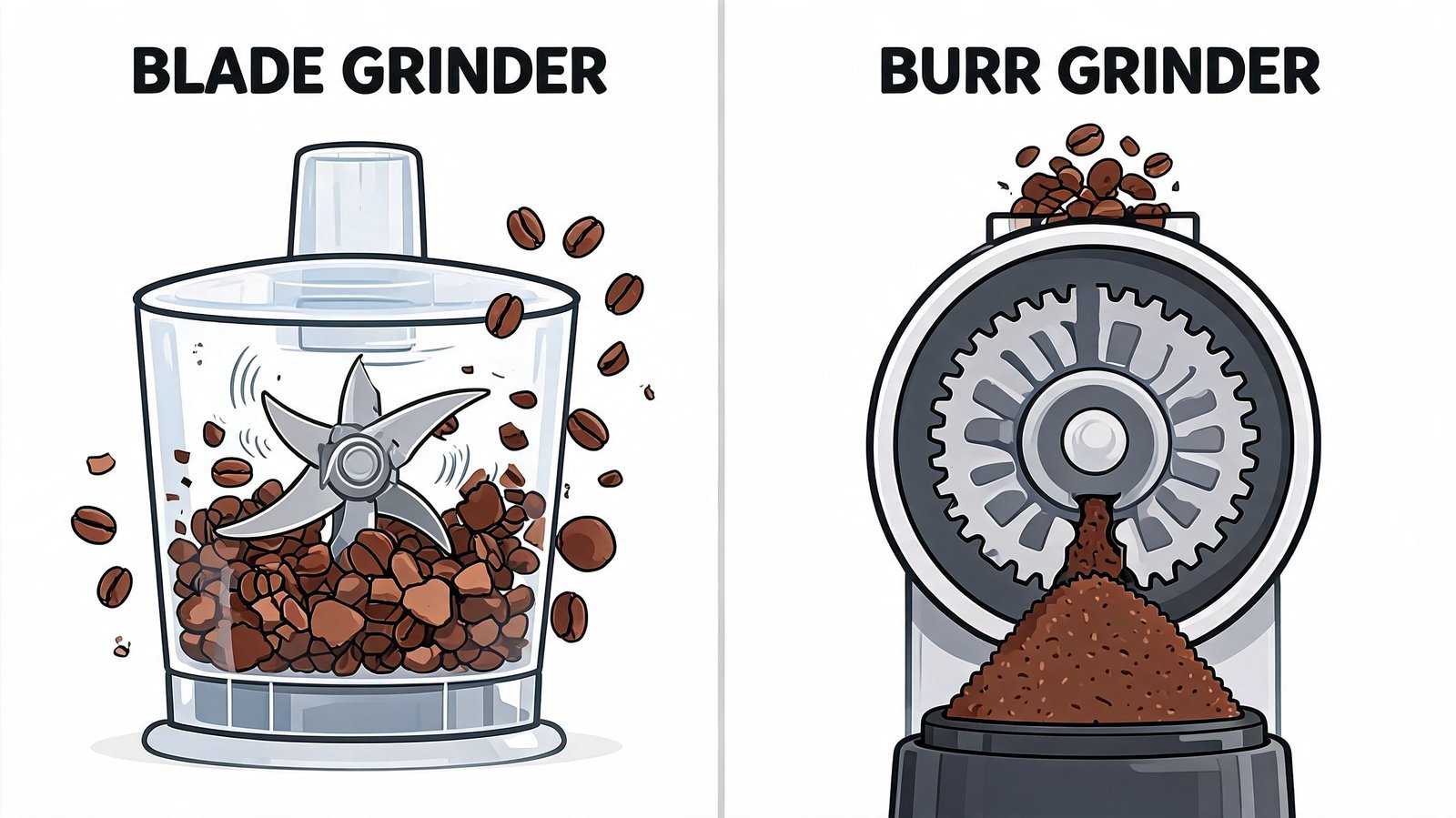
The primary reason you can’t regrind coffee is that your equipment is designed to crush whole beans, not process fine powder. A standard burr or blade grinder relies on the structural integrity of a whole bean to create a consistent particle size. When you feed pre-ground coffee into these machines, the burrs can’t effectively grab or move the particles. This leads to friction and heat buildup, which can damage the motor or dull the metal surfaces over time. Furthermore, the National Coffee Association notes that consistent grind size is essential for proper water flow; regrinding creates “fines” or dust that traps water, leading to uneven extraction and a gritty mouthfeel. If the grounds are too fine for your machine, they will bypass the filter or plug the holes completely. If you find the flavor is consistently poor, it’s always better to adjust your water-to-coffee ratio rather than trying to change the physical state of the grounds.
Options for mismatched grounds
If you have a bag of coffee that’s ground to the wrong size for your preferred brewing device, don’t attempt to force it through a grinder. Try these alternatives to make the most of what you have.
- Adjust your brew time. If the grind is too fine for your device, shorten the brewing duration by 30 to 60 seconds to prevent over-extraction.
- Switch your brewing method. If you have fine espresso grounds but only a French press, try a pour-over method with a paper filter to catch the fine sediment.
- Use a metal mesh sieve. If the grounds are uneven, shake them through a fine-mesh kitchen sieve to remove the smallest particles before brewing.
- Mix with whole beans. If you have a grinder, mixing a small amount of pre-ground coffee with whole beans isn’t recommended as it causes uneven particle distribution.
These options aren’t for anyone who demands professional-grade consistency, as minor sediment is expected when repurposing grounds.
The mistake people make
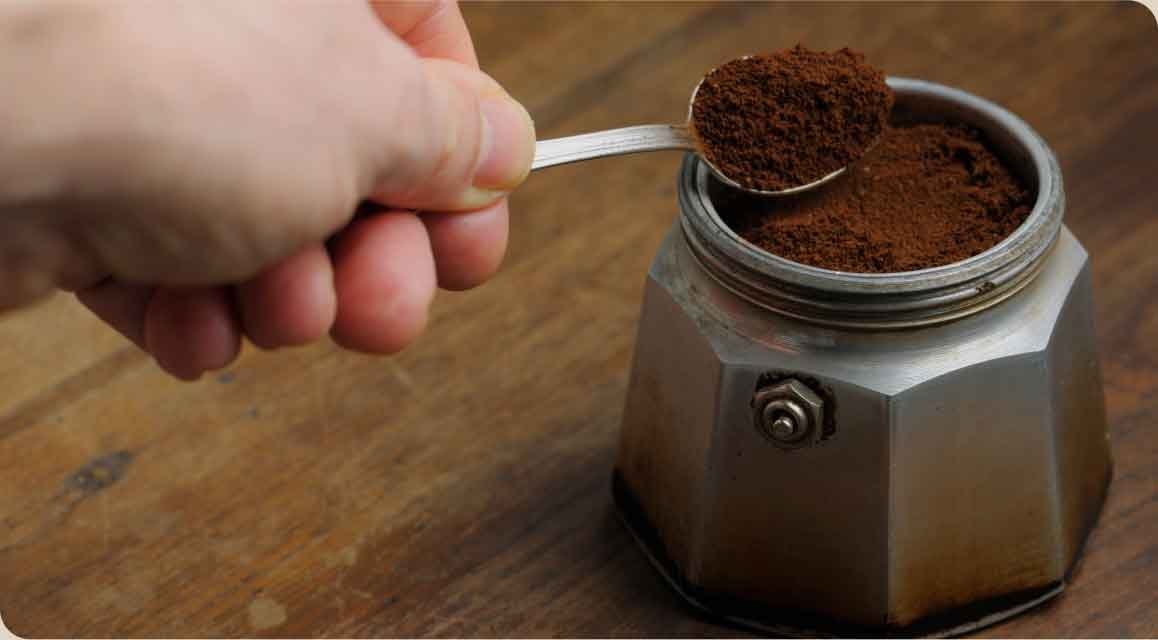
The most common mistake is attempting to use a blade or burr grinder to “fix” a grind that’s too coarse. This costs you time and eventually ruins your equipment, as the fine particles can migrate into the motor housing or bearings. The check to avoid this is simple: if the coffee is already in pieces, it stays that way. Never put anything into a coffee grinder that isn’t a whole, roasted coffee bean. Doing so risks voiding your warranty and creates a mess that’s difficult to clean from the burrs.
When to seek professional advice
- Persistent machine failure: If your grinder sounds strained or stops spinning, stop immediately and contact the manufacturer’s support line.
- Consistent bitter flavor: If your coffee is undrinkable despite adjusting brew times, consult a local roaster to identify if the roast level matches your equipment.
- Equipment damage: If you have already put grounds in your machine and it’s leaking or smoking, unplug it and take it to a qualified appliance repair technician.
Frequently asked questions
Can I put ground coffee in a blender?
No, a blender can’t create a consistent grind size and will likely turn your coffee into an uneven mix of large chunks and dust. This produces a poor, inconsistent flavor during brewing.
Why is my coffee bitter?
Your coffee is likely bitter because the grounds are too fine for your brewing method, which causes over-extraction. Try using a shorter brew time or a slightly lower water temperature next time.
How do I know if my grind is correct?
You can tell the grind is correct if the water flows through the coffee at a steady rate and the final cup tastes balanced. If it flows too fast, use a finer grind.
Is it safe to regrind coffee?
It isn’t safe for your equipment to regrind coffee because the fine particles can clog the internal motor and heating components. This can lead to mechanical failure or electrical shorts in the unit.
Does the grind size really matter?
Yes, the grind size determines how much surface area is exposed to water. Incorrect sizing leads to either weak, sour coffee or overly bitter, astringent cups that are unpleasant to drink.
What happens if I use fine grounds in a French press?
Using fine grounds in a French press will result in a very muddy cup of coffee. The mesh filter can’t stop the smallest particles, meaning you’ll have significant sediment in your mug.
Adjusting your brewing routine
Start by checking the bag for the recommended brew method. If the grounds are too fine for your device, try a shorter contact time to see if the flavor improves. If the coffee remains bitter or muddy, stop using those grounds and consider donating them or using them for compost.
Grind ground, in short
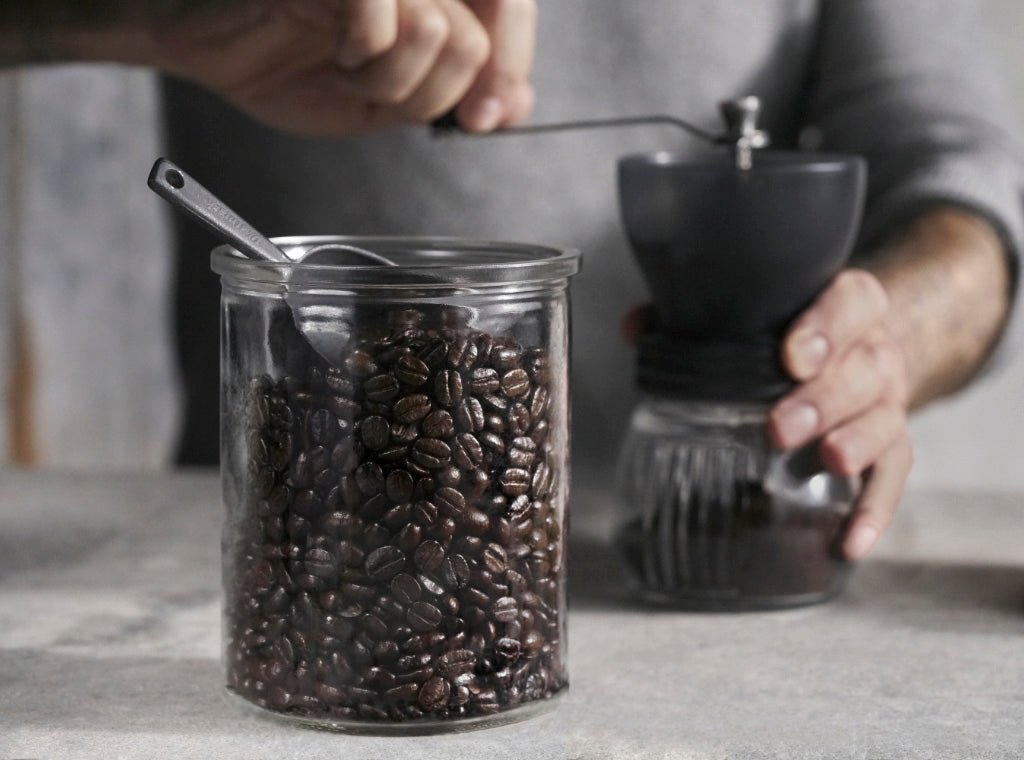
Instead of wasting time on old grounds, grab a bag of fresh, whole beans for your next cup. You’ll notice a huge difference in flavor once you start grinding them right before brewing. It’s a simple change that’ll make your morning coffee taste much better, so don’t hesitate to try it tomorrow.
Related guides